
Advanced house solar power system Solutions for Zimbabwe

Advanced house solar power system Solutions for Zimbabwe

Advanced house solar power system Solutions for Zimbabwe

Empowering Zimbabwean homes and businesses with high-efficiency energy independence through cutting-edge photovoltaic technology.

Advanced house solar power system Solutions for Zimbabwe

Our comprehensive solar energy integration provides Zimbabwe with the reliability and efficiency needed to overcome power grid instabilities.

The Current State of Solar Energy in Zimbabwe

Analyzing the intersection of high solar irradiance and energy infrastructure challenges.

Zimbabwe possesses one of the highest solar radiation levels in Africa, making the adoption of solar panels a logical economic and environmental choice. However, the local energy landscape is characterized by frequent load-shedding and an aging national grid, which has driven an urgent demand for decentralized power sources.

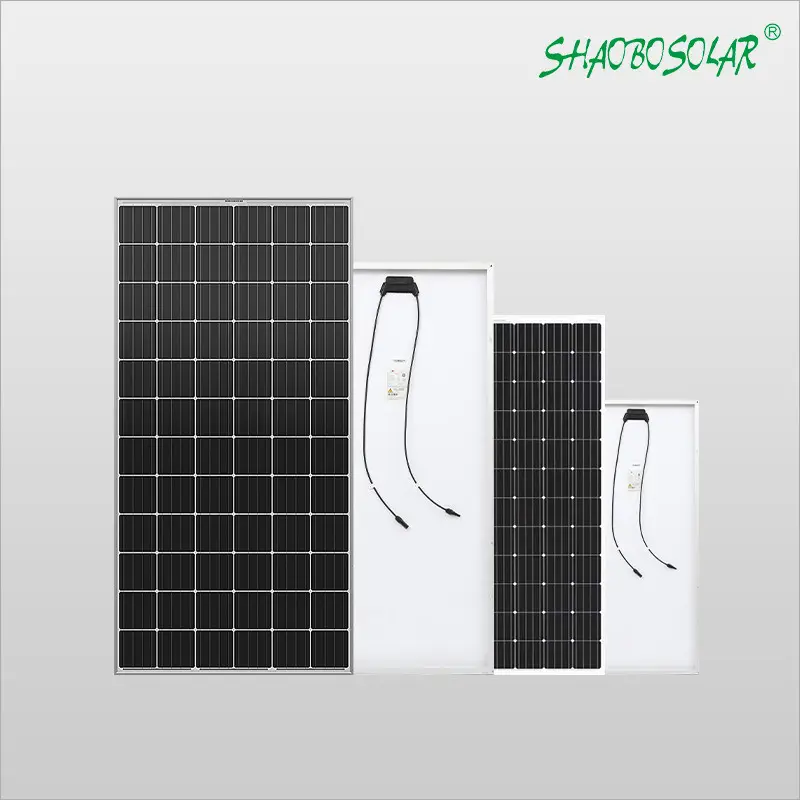
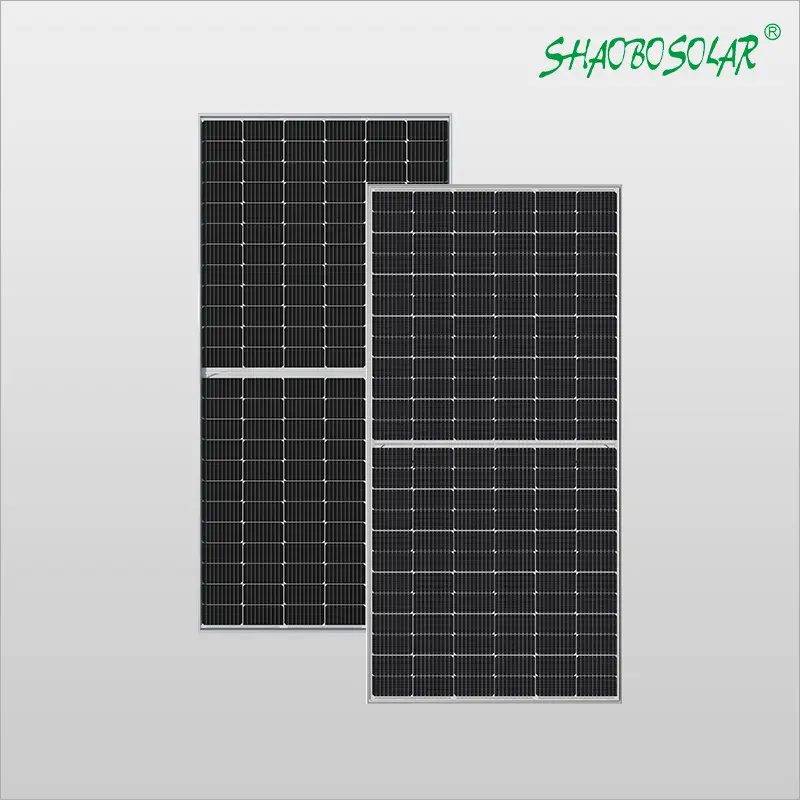
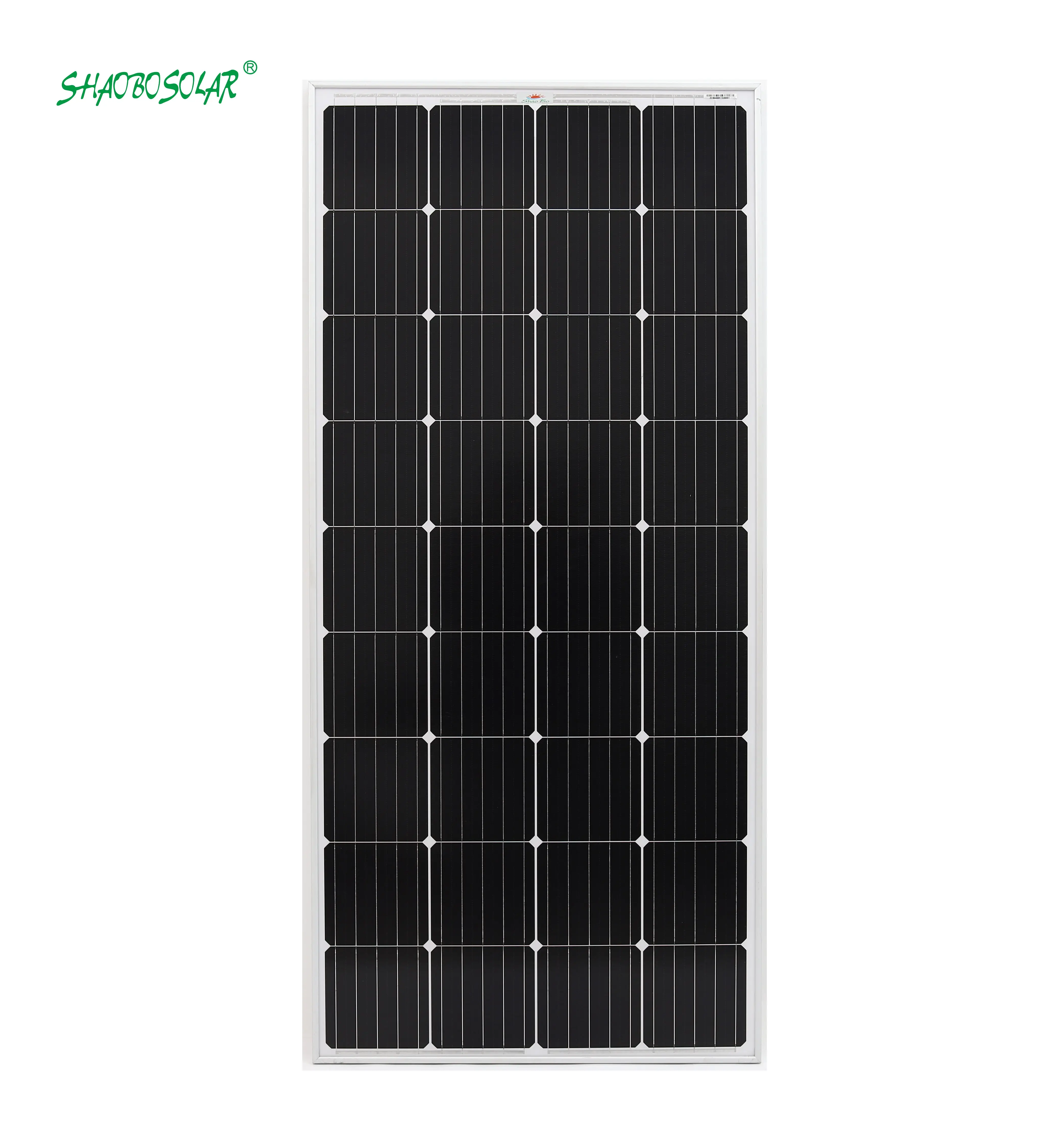
Currently, there is a significant market shift toward high-efficiency monocrystalline solar panels as users seek to maximize limited roof space in urban areas like Harare and Bulawayo. The ability of these panels to maintain performance in high-temperature environments is critical for the Zimbabwean climate.

Despite the growth, the market is often fragmented between low-cost, short-lifespan imports and premium industrial systems. This has created a gap for durable, professional-grade mono solar panel installations that can withstand the region's intense UV exposure and seasonal dust accumulation.
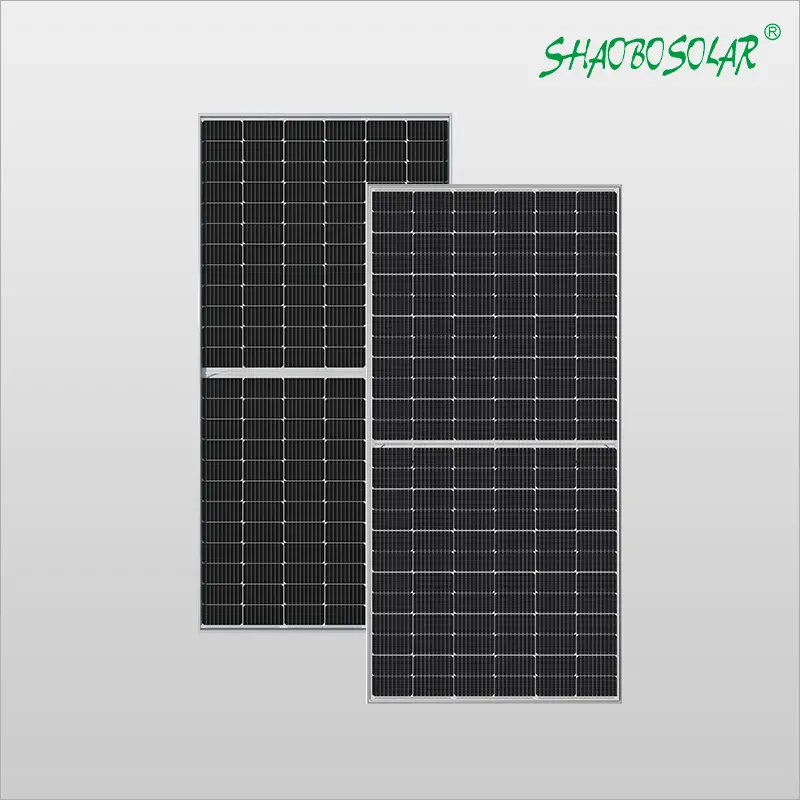
Evolution and Trajectory of Zimbabwean Photovoltaics

From basic lighting solutions to complex integrated energy ecosystems.

Market Development History

Between 2000 and 2010, the Zimbabwean market was dominated by small-scale polycrystalline solar panel kits, primarily used for basic lighting and radio charging in rural areas. These systems were cost-effective but lacked the efficiency required for heavy appliance loads.

From 2011 to 2020, the "Energy Crisis Era" saw a rapid transition. The rise of lithium-iron-phosphate (LiFePO4) batteries allowed for the development of sophisticated hybrid systems, moving the industry from simple "lights-on" setups to full-scale domestic energy autonomy.

Since 2021, the trend has shifted toward high-wattage PERC and TOPCon technologies. The focus is no longer just on installation, but on the Life Cycle Cost (LCC) and the long-term degradation rates of the cells used in the region.

Future Development Trends

Bifacial Technology Adoption

We anticipate a surge in bifacial modules that capture reflected light from the sandy Zimbabwean soil, increasing overall yield by 10-20%.

Smart Grid Integration

Future systems will move toward IoT-enabled monitoring, allowing users to track production and consumption via mobile apps in real-time.

Energy Storage Scaling

The transition from lead-acid to high-density solid-state storage will enable larger homes to run air conditioning and industrial machinery entirely on solar.

Industry Trends and Future Outlook

Strategic forecasting for the solar equipment manufacturing sector in Southern Africa.

Efficiency Optimization
Transitioning to N-type cells to reduce LID (Light Induced Degradation) in intense heat.
Storage Hybridization
Integration of smart inverters that seamlessly switch between grid and battery power.
Agricultural Integration
Agrivoltaics allowing farming and energy production on the same land parcel.
Modular Scalability
Developing plug-and-play systems for rapid capacity expansion as household needs grow.

Industry Outlook

Based on Google search trends in the SADC region, there is a 40% increase in queries for "off-grid energy independence." This indicates a shift from using solar as a backup to using it as the primary energy source.

The next 3-5 years will see a convergence of solar power and water purification technology, solving two critical challenges in Zimbabwe's rural sectors simultaneously through integrated solar-driven pumps.

Localized Application Scenarios in Zimbabwe

Practical deployments across diverse Zimbabwean environments.

01. Urban Residential Energy Independence

Implementation of high-density monocrystalline solar panels in Harare to power home offices, refrigeration, and lighting, eliminating reliance on the unstable city grid.

02. Commercial Cold Storage for Agribusiness

Using industrial-scale arrays to power cold-chain logistics for farmers in Mashonaland, ensuring produce freshness using consistent solar energy.

03. Rural Health Clinic Powerization

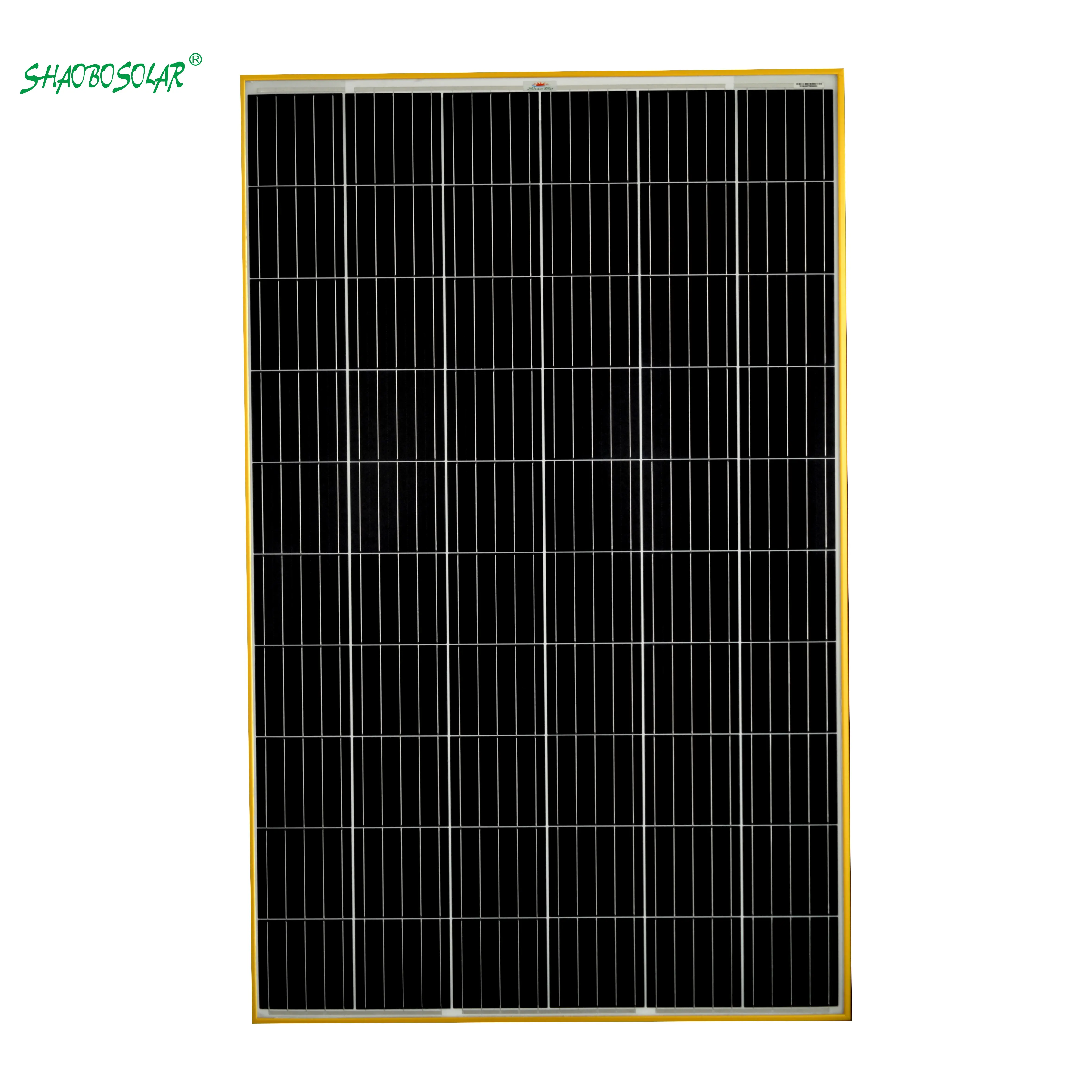
Deploying robust polycrystalline solar panel systems to maintain vaccine refrigeration and essential medical equipment in remote clinics.

04. Mining Site Auxiliary Power

Integrating hybrid solar systems in mining camps to reduce the cost and logistics of transporting diesel generators to deep-interior sites.

05. Eco-Tourism Lodge Sustainability

Installing silent, emission-free solar arrays for luxury lodges in Victoria Falls, enhancing the guest experience while protecting the local environment.

Brand Story

Global Development Journey of Hebei Shaobo Photovoltaic Technology Co., Ltd.

Foundational Engineering

Started with a mission to solve the efficiency gap in silicon wafer processing, focusing on high-purity material standards.

Technological Breakthrough

Developed advanced PERC cell architectures that significantly increased the conversion rate for residential solar applications.

Global Market Expansion

Extended our footprint into the African market, tailoring products to survive high-heat and high-humidity environments.

Sustainability Leadership

Implemented green manufacturing processes, reducing the carbon footprint of each panel produced.

Vision for the Future

Aiming to provide accessible, high-tier energy solutions to every household in the developing world.

Frequently Asked Questions in Zimbabwe

Expert answers to the most common technical and commercial queries.

Which is better for Zimbabwe: monocrystalline solar panels or polycrystalline?

For most Zimbabwean urban users, monocrystalline panels are superior due to their higher efficiency and better performance in the high temperatures typical of the region.

How many mono solar panel units do I need for a standard 3-bedroom home?

Depending on your load, a typical home requires 6 to 12 high-wattage panels. We recommend a detailed energy audit to determine the exact capacity.

Can a house solar power system run an air conditioner in Harare?

Yes, provided you use an inverter-type air conditioner and a sufficiently sized battery bank to handle the initial surge current.

How do I protect my solar panels from dust and debris during the dry season?

Regular cleaning with water and a soft cloth is essential. Dust accumulation can reduce efficiency by up to 25% during the peak dry months.

What is the expected lifespan of solar panels in Southern Africa?

Our Tier-1 panels are designed to last 25+ years, with a guaranteed linear power output of at least 80% after the 25th year.

Are hybrid inverters necessary for a Zimbabwean installation?

Absolutely. Hybrid inverters allow you to switch between solar, battery, and grid power, which is critical for managing load-shedding effectively.

Ready to Power Your Future?

Get a professional consultation for the most durable energy solutions in Zimbabwe.

Contact Us Now

If you are interested in our products, you can choose to leave your information here, and we will be in touch with you shortly.