
Advanced house solar power system Solutions for US Homes

Advanced house solar power system Solutions for US Homes

Advanced house solar power system Solutions for US Homes

Empowering United States residential properties with high-efficiency energy conversion and sustainable power infrastructure.

Advanced house solar power system Solutions for US Homes

Integrating cutting-edge photovoltaic technology to reduce electricity costs and carbon footprints across North American residential landscapes.

Solar Energy Landscape in the United States

Analyzing the adoption of high-performance photovoltaic systems across diverse US climatic zones.

The United States market is currently experiencing a massive shift toward decentralized energy. With varying sunlight levels from the Sun Belt in the South to the temperate North, the demand for versatile solar panels has peaked, driven by federal tax credits (ITC) and state-level mandates.

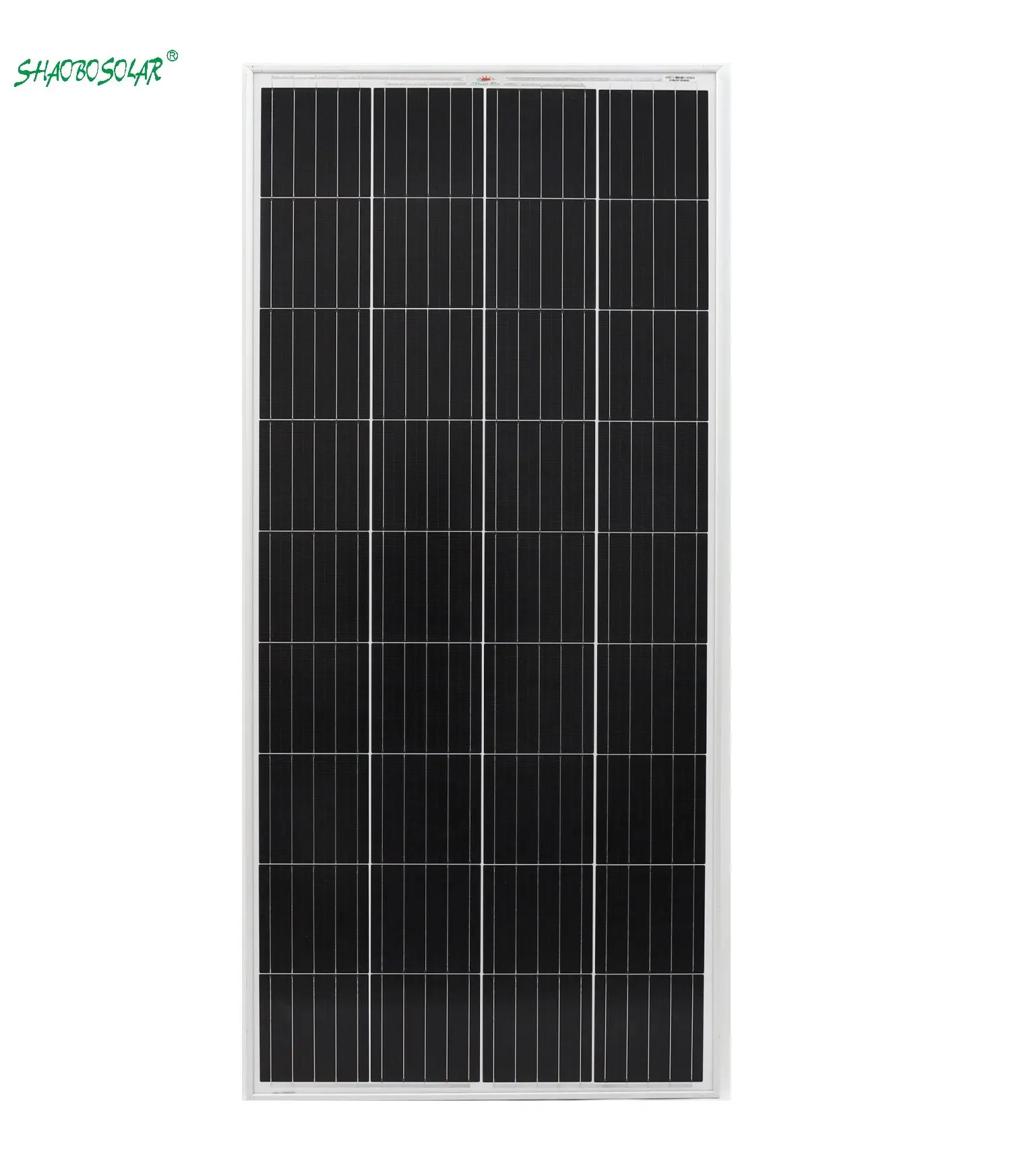
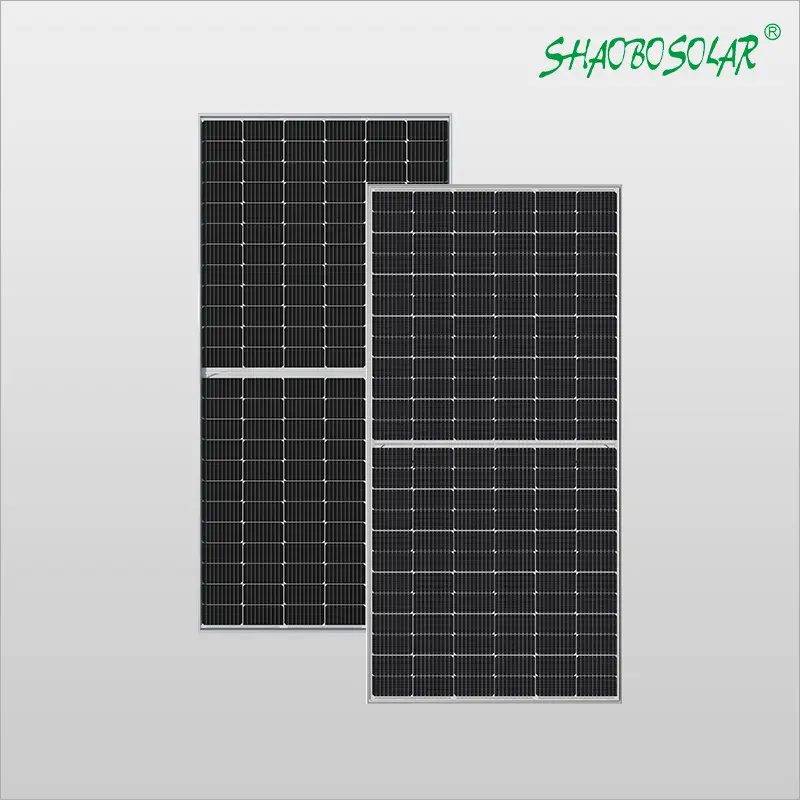
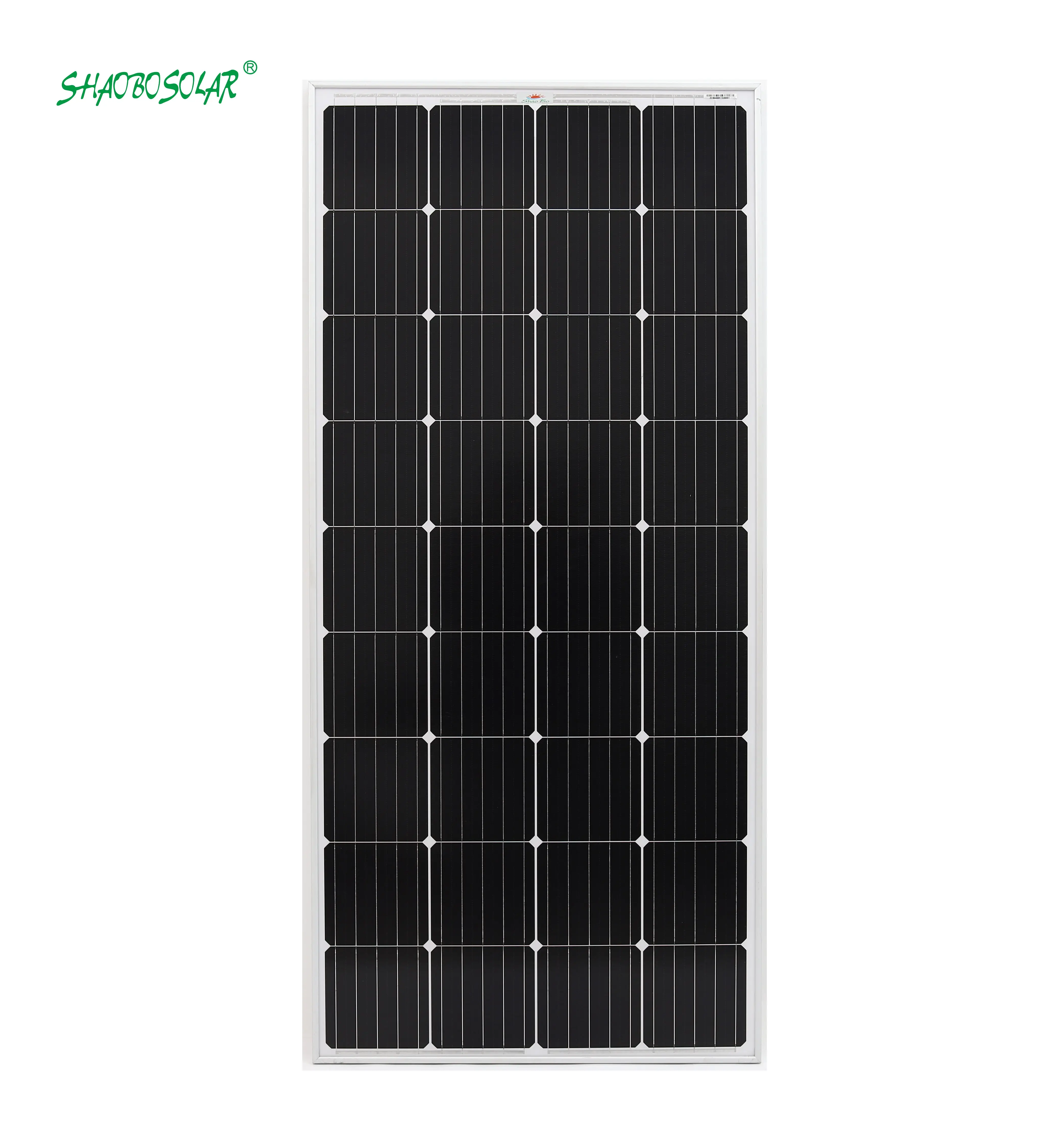
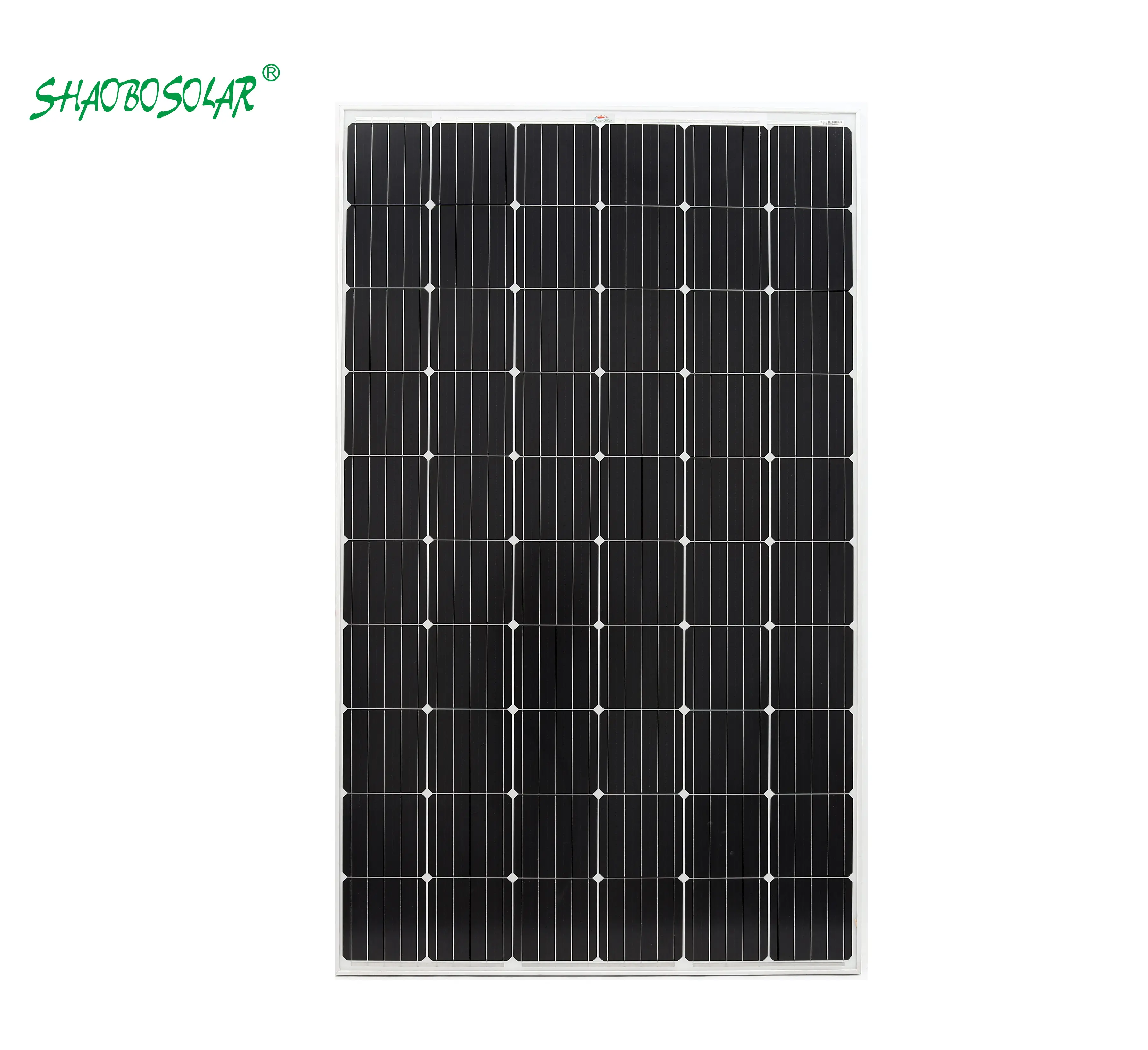
In residential sectors, homeowners are increasingly prioritizing space efficiency. This has led to a dominant preference for monocrystalline solar panels, which offer the highest conversion rates per square foot, essential for urban suburban rooftops in states like California and Texas.

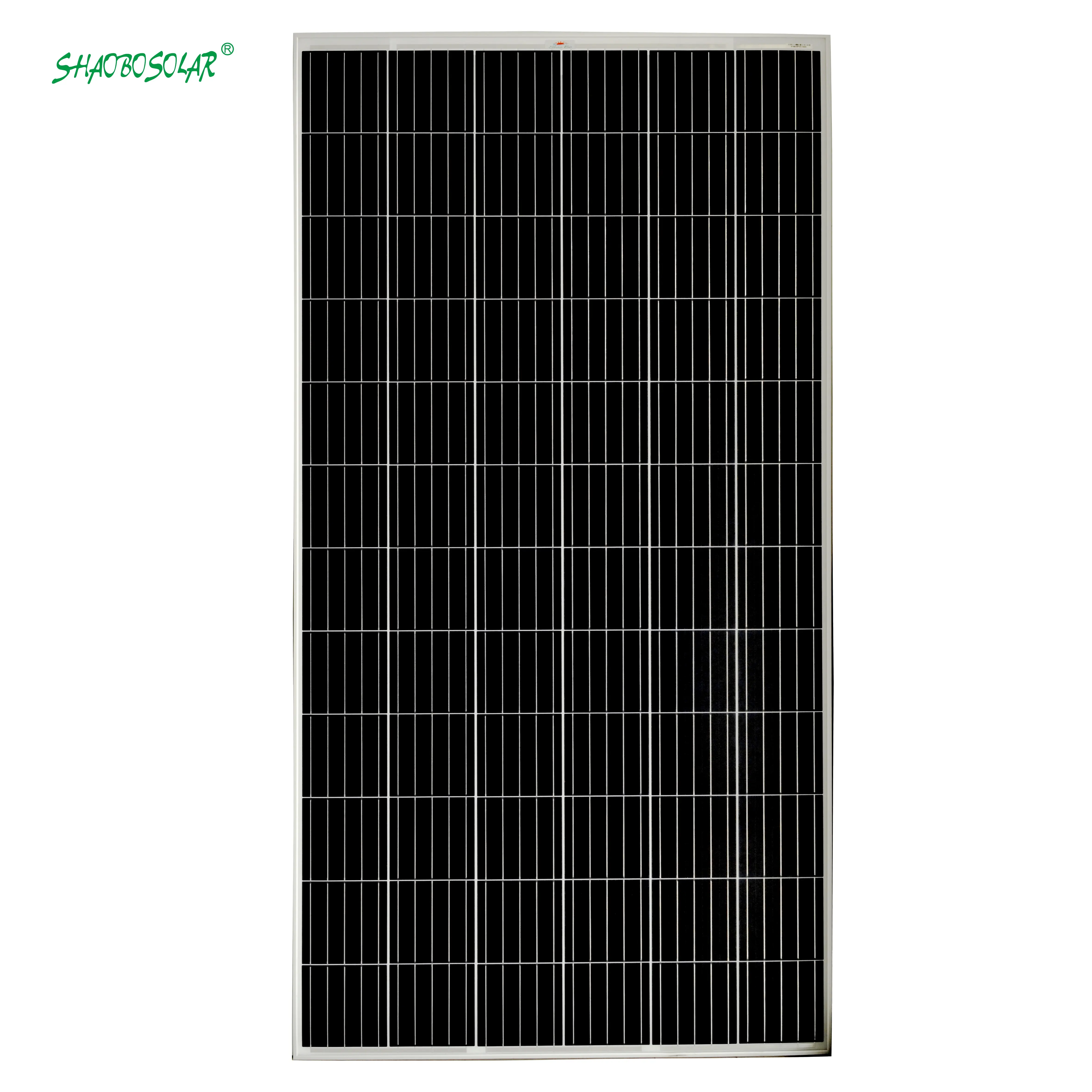
Despite the rise of premium tech, polycrystalline solar panel options remain relevant for large-scale rural installations where land area is abundant and initial CAPEX reduction is the primary financial driver for agricultural energy independence.
Evolution of US Photovoltaic Technology

From basic silicon wafers to intelligent energy ecosystems.

Market Development History

In the early 2000s, the US market relied heavily on basic silicon cells. The initial phase was characterized by the widespread use of the polycrystalline solar panel, which provided an affordable entry point for early adopters of green energy.

Around 2012-2018, a significant pivot occurred. Manufacturing breakthroughs lowered the cost of single-crystal silicon, making the mono solar panel the gold standard for residential projects due to its superior aesthetic (black look) and efficiency in low-light conditions.

From 2019 to the present, the focus has shifted from mere generation to "Smart Integration." The modern house solar power system now incorporates AI-driven inverters and lithium-iron-phosphate (LiFePO4) storage to manage peak load demands.

Future Development Trends

TOPCon and HJT Cell Integration

We expect a transition toward Tunnel Oxide Passivated Contact (TOPCon) cells, pushing efficiency limits beyond 25% for standard residential modules.

BIPV (Building Integrated Photovoltaics)

Solar technology will move from "on-roof" to "as-roof," with solar shingles becoming mainstream in US luxury housing markets.

V2H (Vehicle-to-Home) Bi-directional Charging

The integration of EVs as mobile batteries for the home will redefine how residential solar energy is stored and utilized during grid outages.

Future Trends and Strategic Outlook

Navigating the next frontier of sustainable energy in North America.

Hyper-Efficiency Modules
Migration toward N-type monocrystalline solar panels to maximize yield in limited roof spaces.
Smart Grid Integration
Implementing AI-driven energy management to optimize sell-back rates to US utility companies.
Energy Storage Synergy
Pairing solar arrays with high-density batteries for complete energy autonomy during peak hours.
Sustainable Lifecycle
Developing circular economy models for the recycling of aging solar modules in North America.

Industry Outlook

Based on current search trends in the United States, there is a significant increase in queries regarding "whole-home backup" and "solar independence." This indicates a shift from purely economic motivations to security-driven energy adoption.

The convergence of federal incentives and the falling cost of mono solar panel technology suggests that the US residential market will move toward a standard of 100% electrification within the next decade.

Localized Application Scenarios in the USA

Tailored solar solutions for diverse American environments and architectures.

01. Suburban Residential Rooftops (California/Florida)

Deployment of high-efficiency monocrystalline solar panels to maximize power generation on limited roof areas while maintaining a sleek, modern aesthetic.

02. Rural Farmsteads & Agrivoltaics (Midwest)

Utilization of cost-effective polycrystalline solar panel arrays for powering irrigation systems and livestock facilities where land is abundant.

03. Off-Grid Cabins & Remote Retreats (Colorado/Montana)

Customized house solar power system setups paired with deep-cycle battery banks to provide energy independence in mountainous terrains.

04. Urban Townhomes & Commercial Mix (New York/Chicago)

Installation of compact mono solar panel configurations with smart inverters to manage high-density energy loads.

05. Coastal Properties (East/West Coast)

Application of salt-mist corrosion-resistant solar panels designed to withstand humid and saline maritime environments.

Brand Story

Global Development Journey of Hebei Shaobo Solar Technology Co., Ltd.

Foundation & Vision

Established with a mission to democratize high-efficiency energy, Shaobo Solar focused on solving the instability of early-stage silicon cell production.

Technical Breakthrough

We invested heavily in PERC and TOPCon technologies to ensure our modules deliver maximum wattage even in low-irradiance regions.

North American Expansion

Recognizing the US demand for durability, we developed a specialized line of weather-resistant modules tailored for the North American climate.

Quality Standardization

Achieving international certifications ensured that every panel leaving our factory meets the rigorous safety and efficiency standards required globally.

Sustainable Future

Today, we lead the way in integrating smart energy management with hardware, creating a seamless ecosystem for the global transition to net-zero.

Comprehensive Solar Portfolio for the United States

From residential kits to industrial-grade energy solutions.

US Solar Energy FAQ

Expert answers to the most common questions about residential solar installations in the USA.

What is the difference between monocrystalline and polycrystalline solar panels for US homes?

Monocrystalline panels are made from a single crystal, offering higher efficiency and better performance in low light, making them ideal for smaller roofs. Polycrystalline panels are more affordable but require more space to generate the same amount of energy.

How does a typical house solar power system work during a grid outage?

Unless you have a battery backup system, most grid-tied systems shut down during an outage for safety. With a battery, your system can switch to "island mode," providing continuous power to your home.

Which mono solar panel is best for snowy regions like the Northeast?

For snowy regions, we recommend panels with high snow-load ratings and a hydrophobic coating that prevents ice buildup, ensuring maximum light absorption during winter months.

Are solar panels worth the investment given the current US electricity rates?

Yes, especially with the Federal Investment Tax Credit (ITC). Most homeowners see a return on investment (ROI) within 6-10 years, while significantly increasing their property value.

How long do high-quality solar panels typically last in the United States?

Most tier-1 panels come with a 25-year linear power warranty, meaning they will still produce at least 80-85% of their original capacity after two and a half decades.

What maintenance is required for a residential solar array?

Maintenance is minimal. Periodic cleaning to remove dust or debris and an annual inspection of the inverter and wiring are generally sufficient to ensure peak performance.

Ready to Transition to Clean Energy?

Consult with our experts to design the perfect solar array for your property in the United States.

Contact Us Now

If you are interested in our products, you can choose to leave your information here, and we will be in touch with you shortly.