Advanced house solar power system Solutions for Rwanda

Advanced house solar power system Solutions for Rwanda

Advanced house solar power system Solutions for Rwanda

Empowering Rwandan communities with high-efficiency energy harvesting technology tailored for the East African climate.

Advanced house solar power system Solutions for Rwanda

Integrating industrial-grade solar technology to provide Rwanda with sustainable, scalable, and affordable electricity through high-performance photovoltaic modules.

The Current Landscape of Solar Energy in Rwanda

Analyzing the adoption of photovoltaic technology in the Land of a Thousand Hills.

Rwanda is currently experiencing a rapid transition towards renewable energy to bridge the rural electrification gap. The widespread deployment of solar panels is driven by the government's Vision 2050, aiming for universal energy access. The equatorial sunlight provides an ideal environment for energy generation, though humid conditions in mountainous regions require durable equipment.

In urban centers like Kigali, there is a growing shift toward high-efficiency monocrystalline solar panels to maximize limited rooftop spaces. Meanwhile, rural agricultural zones are increasingly adopting larger-scale arrays to power irrigation and processing machinery, reducing dependence on expensive diesel generators.

Despite the progress, the market still struggles with inconsistent quality of imported components. This has created a critical demand for certified, high-durability mono solar panel technology that can withstand the tropical weathering cycles prevalent in Rwanda's diverse topography.
Evolution of Rwanda's Solar Technology

From basic lighting kits to sophisticated integrated power grids.

Market Development History

Between 2010 and 2015, the Rwandan market was dominated by small-scale polycrystalline solar panel systems, primarily used for basic LED lighting and mobile phone charging in off-grid villages.

From 2016 to 2021, the introduction of "Pay-As-You-Go" (PAYG) financing models led to a surge in home system installations. During this phase, the industry shifted toward mid-range modules with improved conversion rates to support small appliances.

Since 2022, there has been a definitive transition toward PERC and N-Type technology. The market now favors high-wattage modules that offer better performance in low-light conditions, reflecting a mature demand for industrial-grade reliability.

Future Development Trends

Hybrid Energy Storage Integration

Future systems will integrate AI-driven battery management to stabilize power delivery during the rainy seasons.

Bifacial Module Adoption

The trend is moving toward double-sided energy capture to maximize yield in Rwanda's reflective sandy and rocky terrains.

Micro-grid Decentralization

A shift from individual home units to community-shared micro-grids to optimize the cost of high-capacity inverters.

Strategic Trends and Future Outlook

Predicting the trajectory of photovoltaic manufacturing and deployment.

Efficiency Maximization
Transitioning toward N-type TOPCon cells to increase energy density per square meter.
Smart Grid Integration
IoT-enabled monitoring systems allowing real-time yield tracking via mobile devices.
Climate Resilience
Developing anti-corrosive frames for high-humidity highland environments.
Circular Economy
Implementing module recycling programs to handle end-of-life panels sustainably.

Industry Outlook

Based on search trend data for "renewable energy Africa," there is a significant spike in demand for integrated solar-battery solutions. We predict that the next 3-5 years will see a shift from simple power generation to comprehensive energy management systems in Rwanda.

The growth of the industrial sector in Rwanda will likely drive the adoption of large-scale monocrystalline solar panels, as businesses seek to lower operational costs and meet international green certification standards.

Localized Solar Application Scenarios in Rwanda

Real-world implementations tailored to the Rwandan socioeconomic landscape.

01. Rural Healthcare Electrification

Deploying robust solar arrays to power vaccine refrigerators and emergency lighting in remote clinics across the Eastern Province.

02. Urban Residential Power Independence

Installing customized house solar power system setups in Kigali to mitigate grid instability and reduce monthly electricity bills.

03. Agricultural Irrigation Systems

Using high-capacity solar pumps to provide consistent water supply for tea and coffee plantations in the Western highlands.

04. Educational Facility Modernization

Equipping rural schools with solar-powered computer labs and lighting to enable digital literacy and evening study hours.

05. Commercial Cold Chain Logistics

Integrating large solar rooftops with cold storage warehouses to preserve perishable produce for Rwandan farmers.

Brand Story

Global Development History of Hebei Shaobo Photovoltaic Technology Co., Ltd.

Founding Vision

Established with the goal of solving the gap between industrial efficiency and affordable accessibility in photovoltaic manufacturing.

Technical Breakthrough

Perfected the high-density cell connection process, significantly reducing energy loss in mono-crystalline modules.

Global Expansion

Extended operations into the African market, specializing in hardware that resists extreme tropical heat and humidity.

Sustainable Certification

Achieved international TUV and CE certifications, ensuring every panel meets rigorous safety and performance standards.

Empowering Rwanda

Currently partnering with local installers in Rwanda to provide end-to-end energy solutions for the next generation.

Complete Solar Product Portfolio for Rwanda

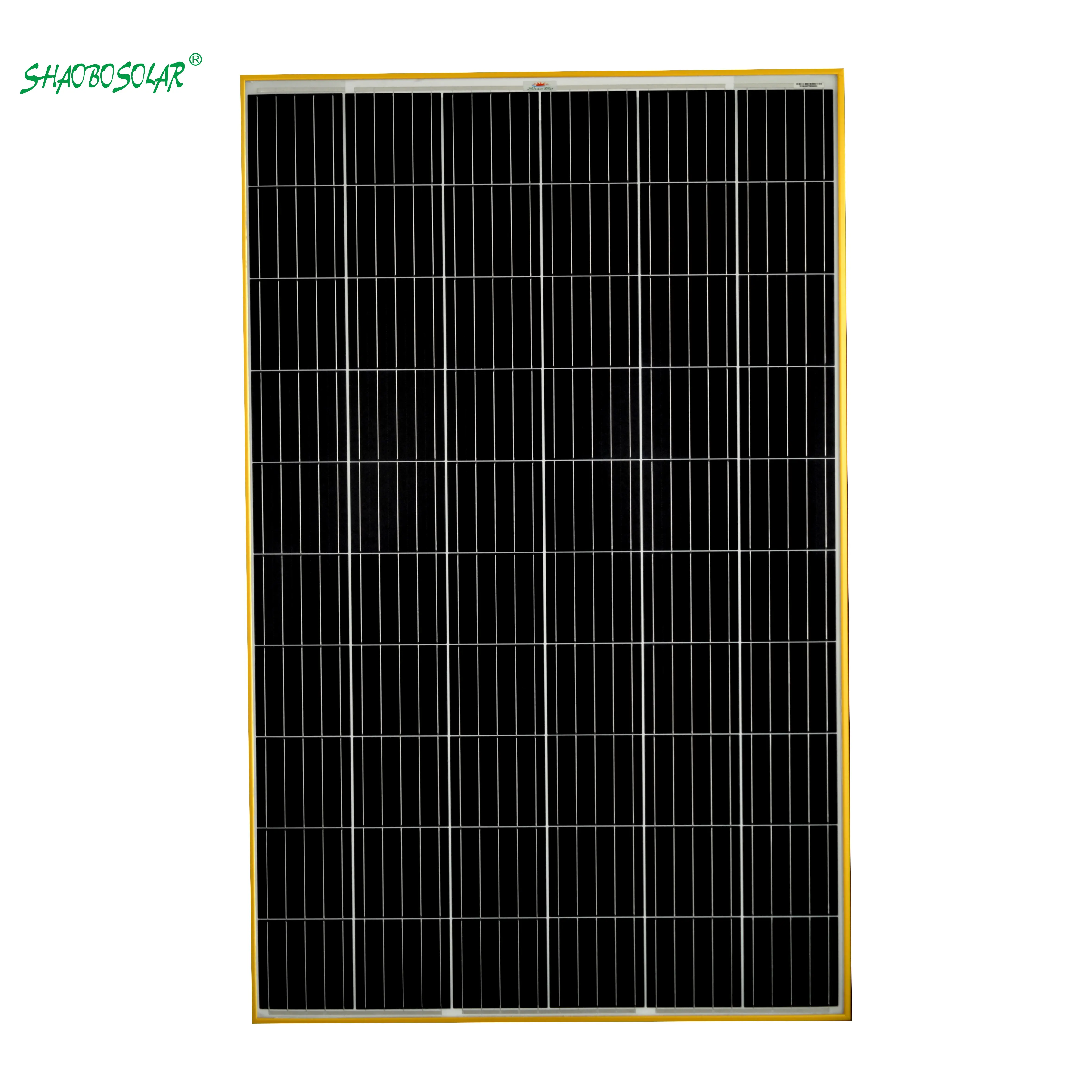
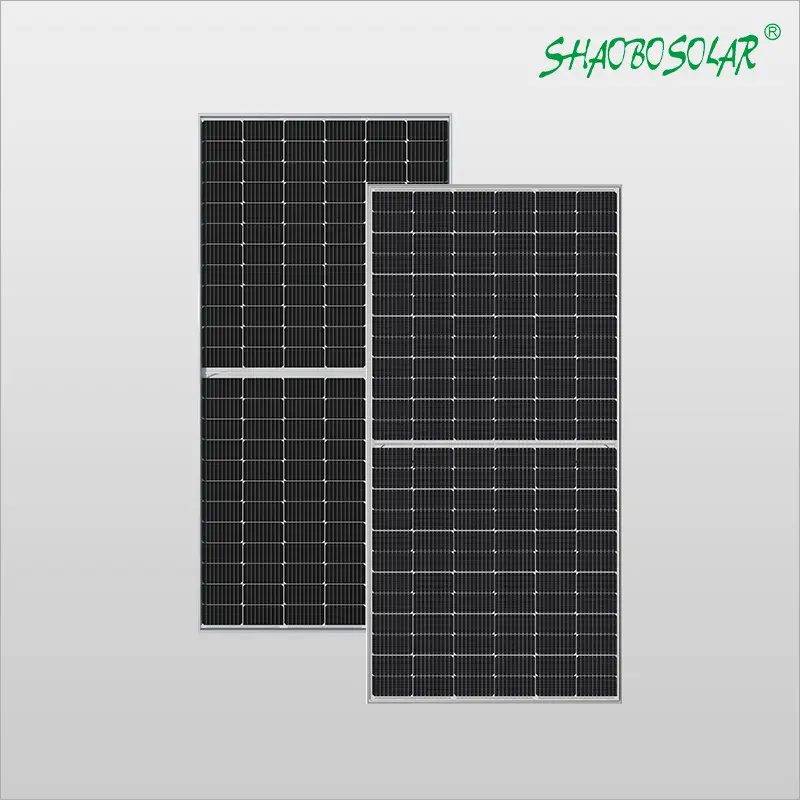
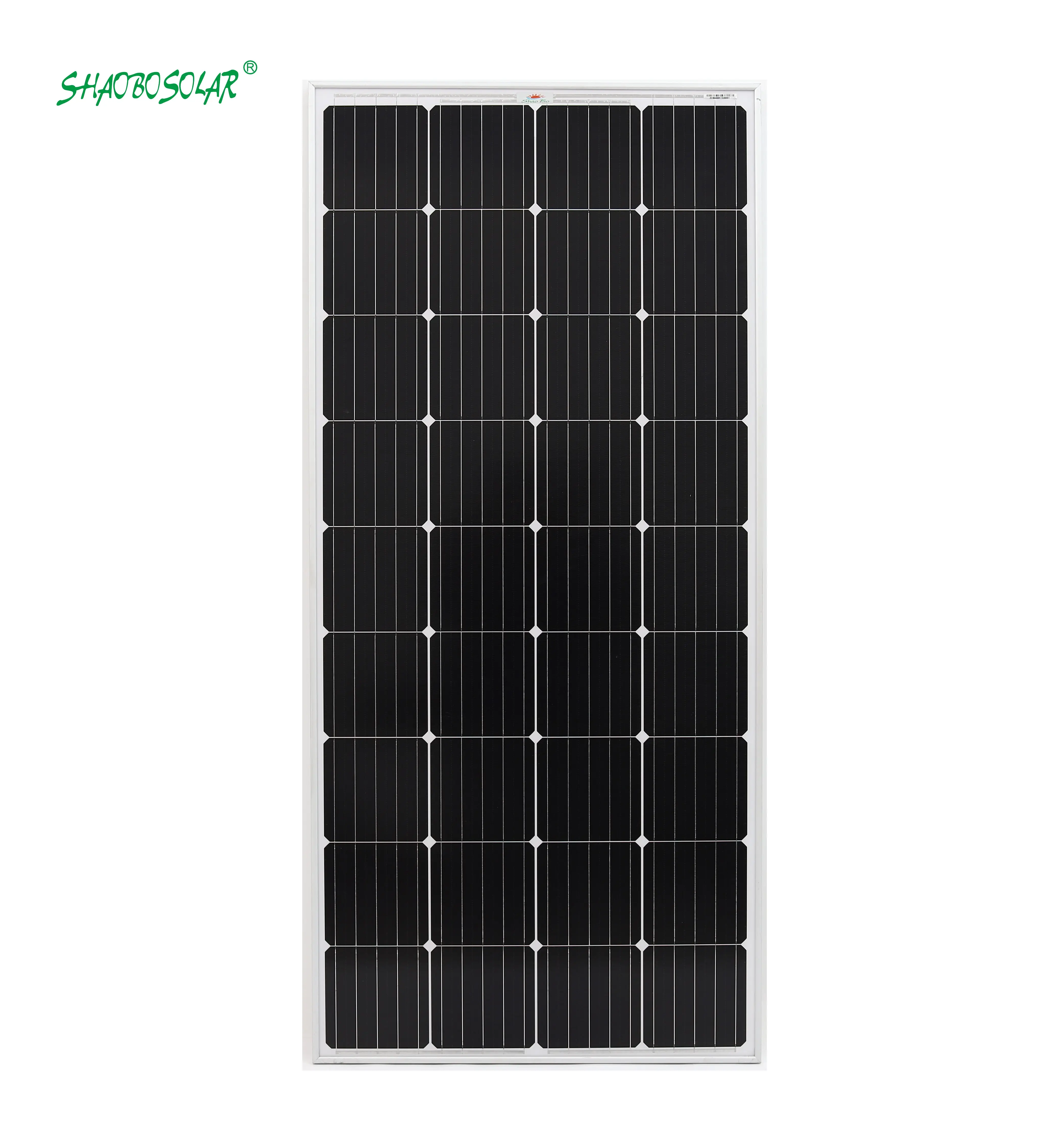
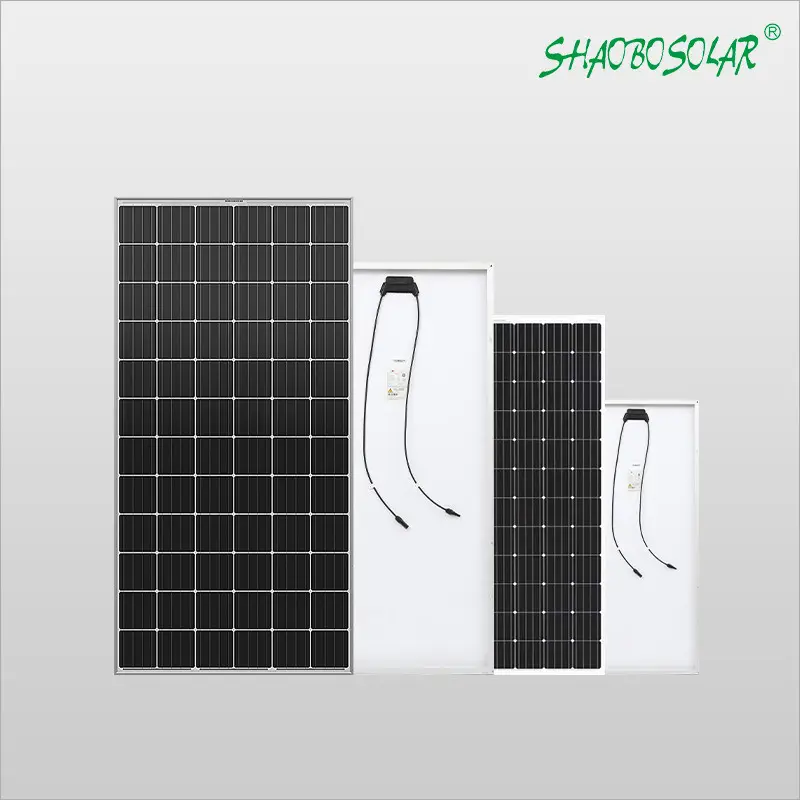
From high-efficiency monocrystalline modules to cost-effective polycrystalline options.

Common Questions About Solar Energy in Rwanda

Expert answers to help you choose the right photovoltaic system.

Which is better for Rwanda: monocrystalline solar panels or polycrystalline?

For most Rwandan urban users with limited roof space, monocrystalline panels are superior due to higher efficiency. However, for large rural farms, polycrystalline panels may offer a more budget-friendly entry point.

How to maintain a house solar power system during the rainy season?

Regular cleaning of the panel surfaces to remove dust and organic debris is essential to ensure maximum light absorption when clouds are present.

Can a mono solar panel power heavy farm machinery in Rwanda?

Yes, by combining high-wattage mono panels with a robust inverter and battery storage system, you can power water pumps and milling machines effectively.

What is the average lifespan of solar panels in the East African climate?

High-quality industrial panels typically last 25 years, though performance may slightly degrade. Using certified hardware ensures stability against UV radiation.

How many panels do I need for a standard 3-bedroom home in Kigali?

This depends on your energy load, but typically a 3kW to 5kW system consisting of 6-12 high-efficiency panels is sufficient for basic household needs.

Are polycrystalline solar panels still viable for new installations?

They remain viable for low-budget, large-area projects where space is not a constraint and initial capital expenditure must be kept to a minimum.

Ready to Power Your Future?

Contact our technical experts today for a customized solar energy consultation tailored to your needs in Rwanda.

Contact Us Now

If you are interested in our products, you can choose to leave your information here, and we will be in touch with you shortly.