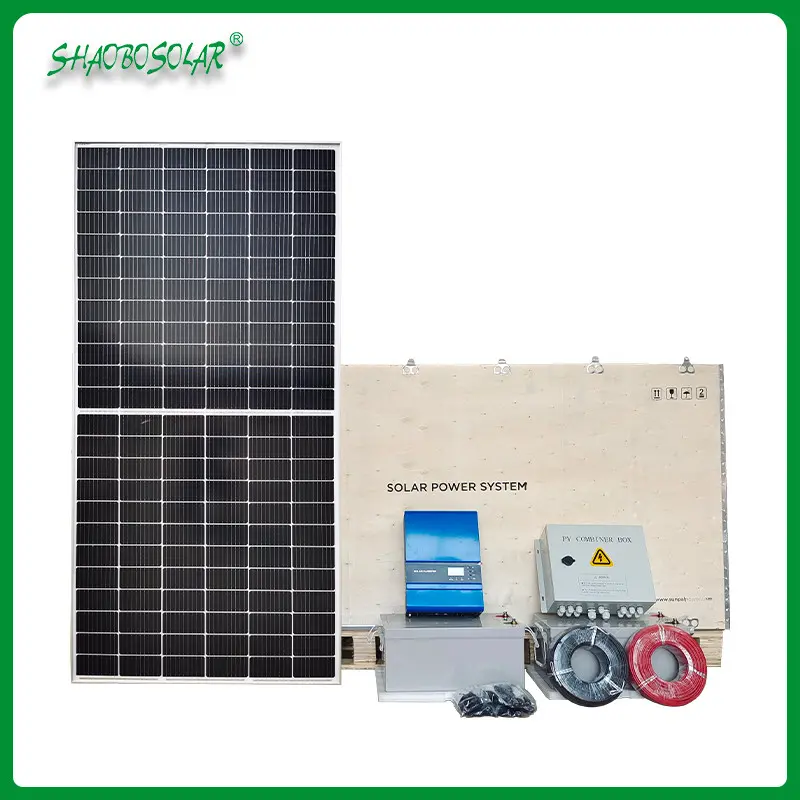
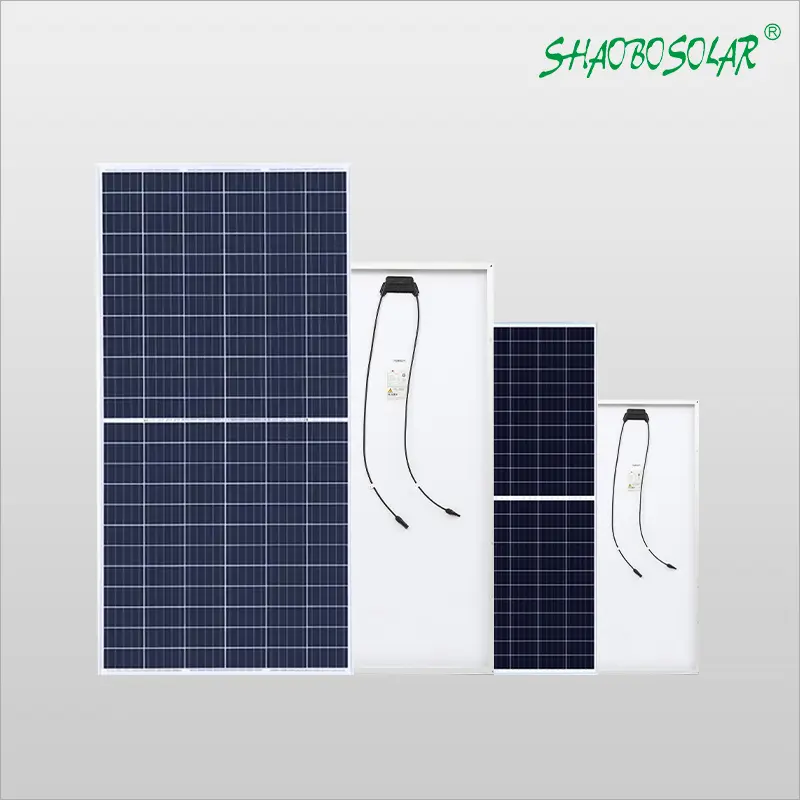
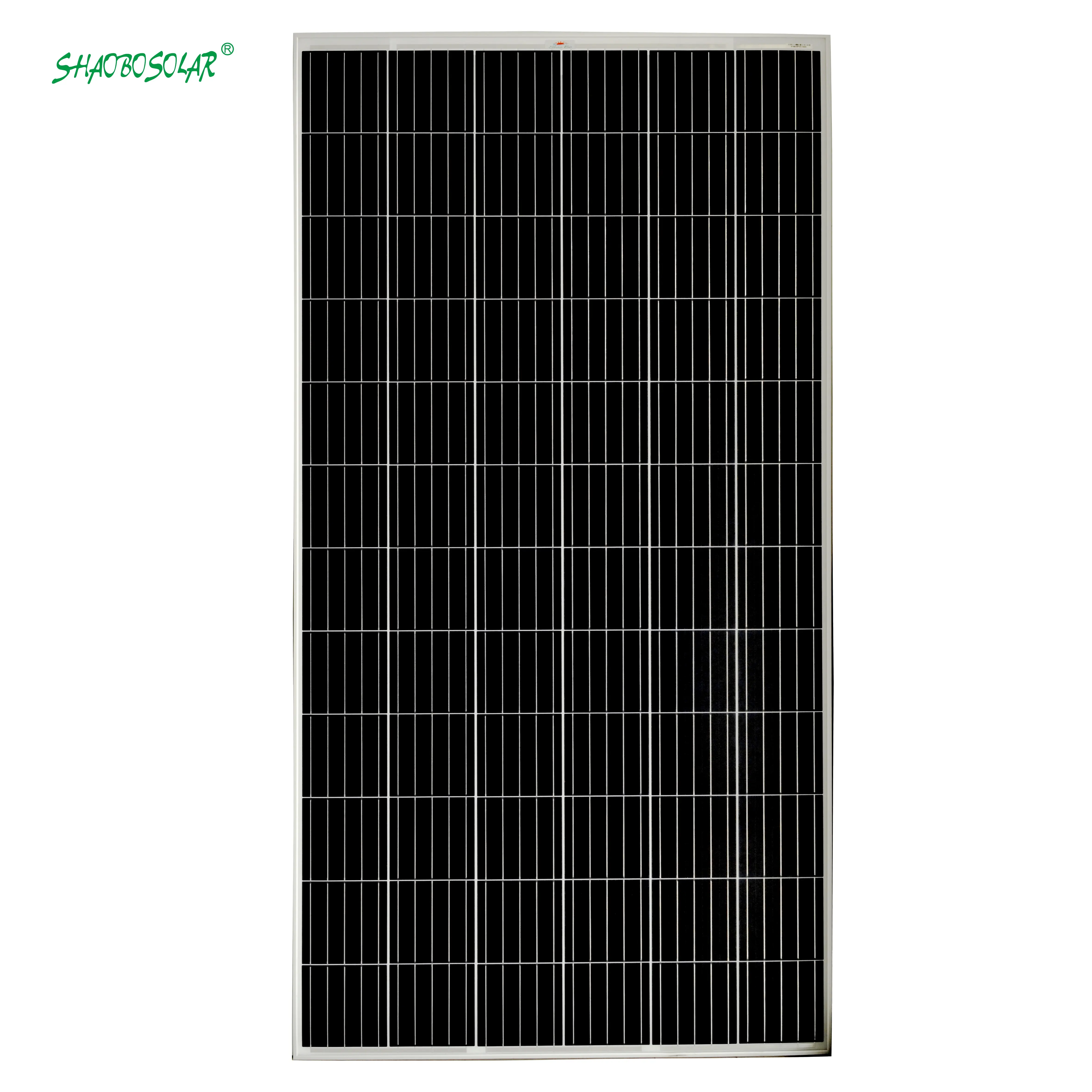
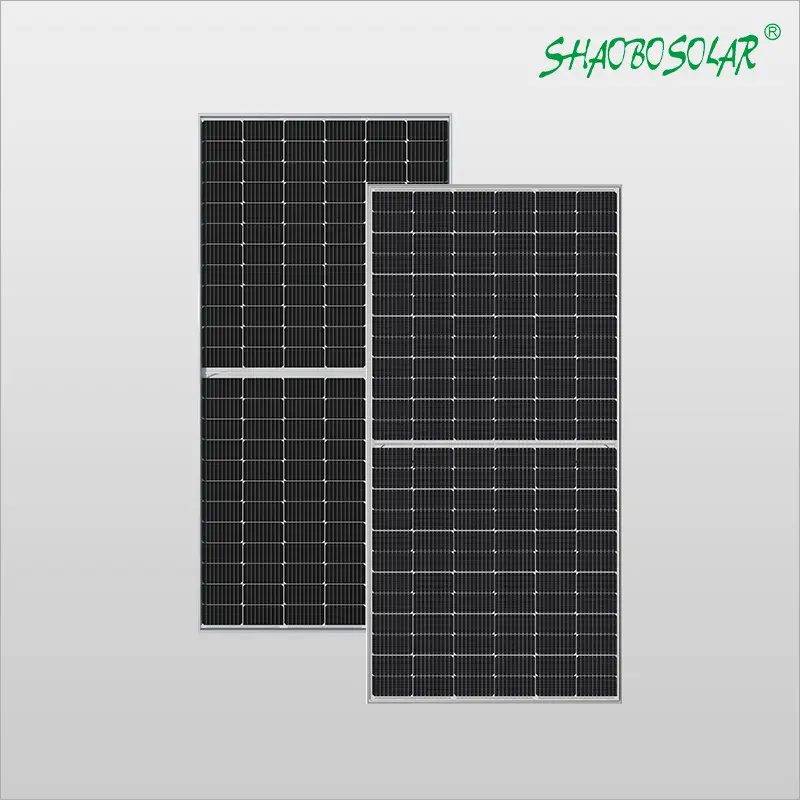
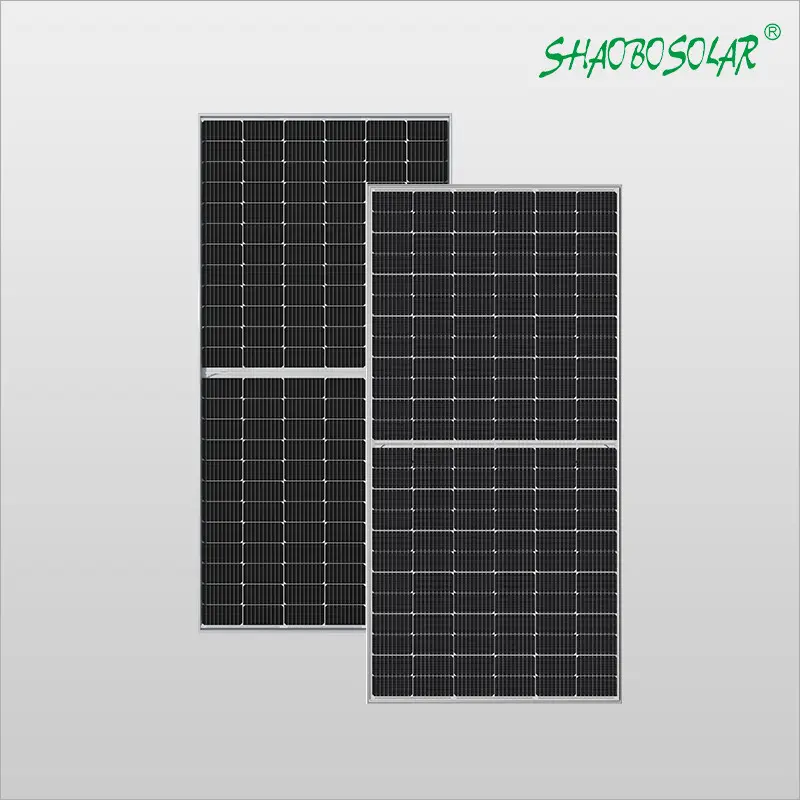
Advanced house solar power system Solutions for Paraguay

Advanced house solar power system Solutions for Paraguay

Advanced house solar power system Solutions for Paraguay

Empowering Paraguayan homes and industries with high-efficiency photovoltaic technology to harness the abundant subtropical sunlight.

Advanced house solar power system Solutions for Paraguay

Integrating cutting-edge solar cell manufacturing with local energy needs to provide sustainable, cost-effective power for Paraguay's diverse climate.

Solar Energy Landscape in Paraguay

Analyzing the adoption of photovoltaic systems in the heart of South America.

Paraguay possesses an exceptional geographical advantage for solar panels due to its high annual solar irradiance. While the country is famous for its massive hydroelectric dams, there is a growing demand for decentralized energy, especially in rural areas where grid extension is economically unfeasible.

The current market sees a rapid shift towards residential autonomy. Homeowners are increasingly investing in monocrystalline solar panels to maximize limited roof spaces, leveraging the high efficiency of PERC and TOPCon technologies to combat the humid subtropical heat.

Economic incentives and a push for agricultural modernization have led to the integration of solar power in the Chaco region. The transition from traditional diesel generators to sustainable PV systems is reducing operational costs for livestock farmers across the country.
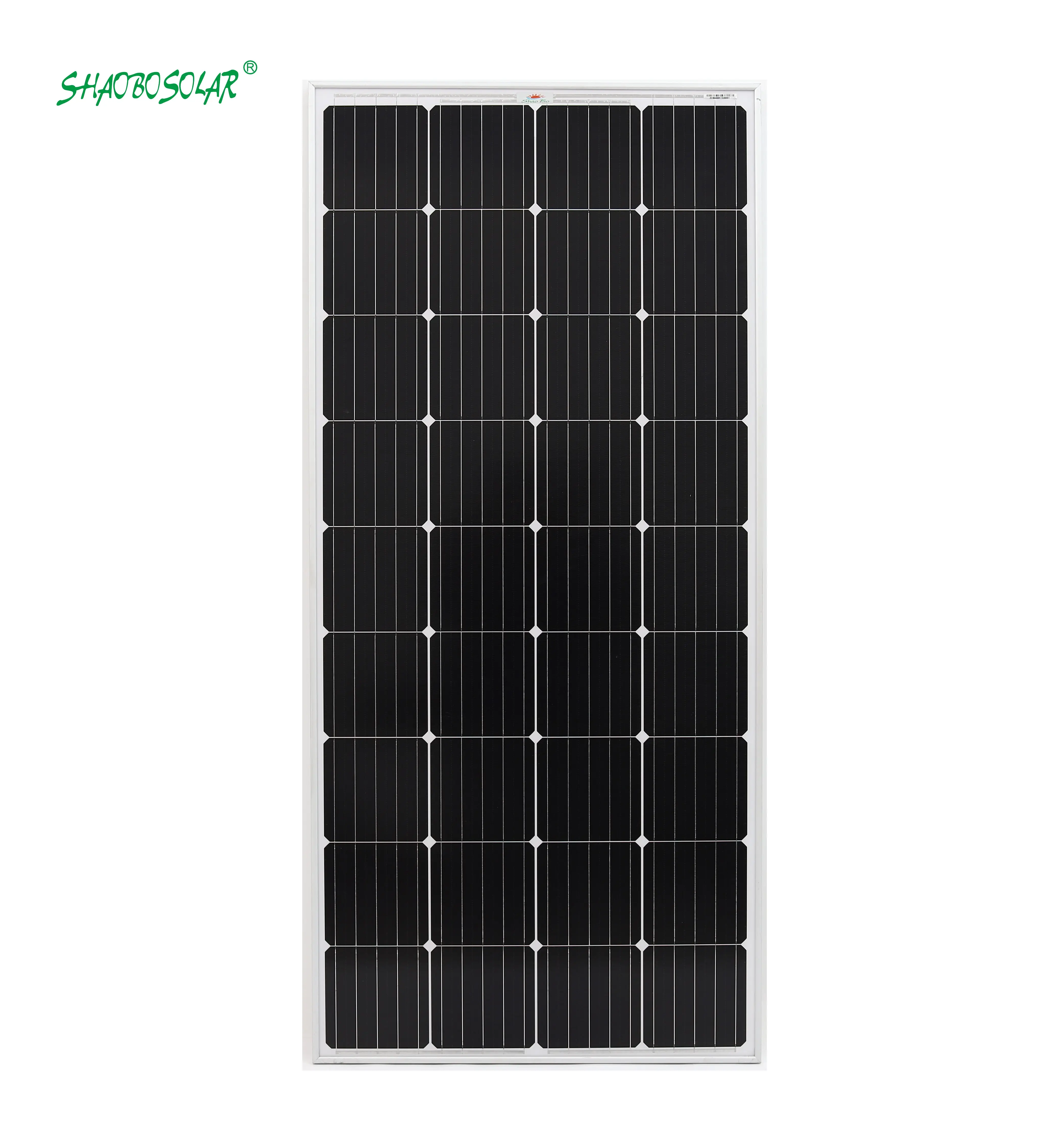
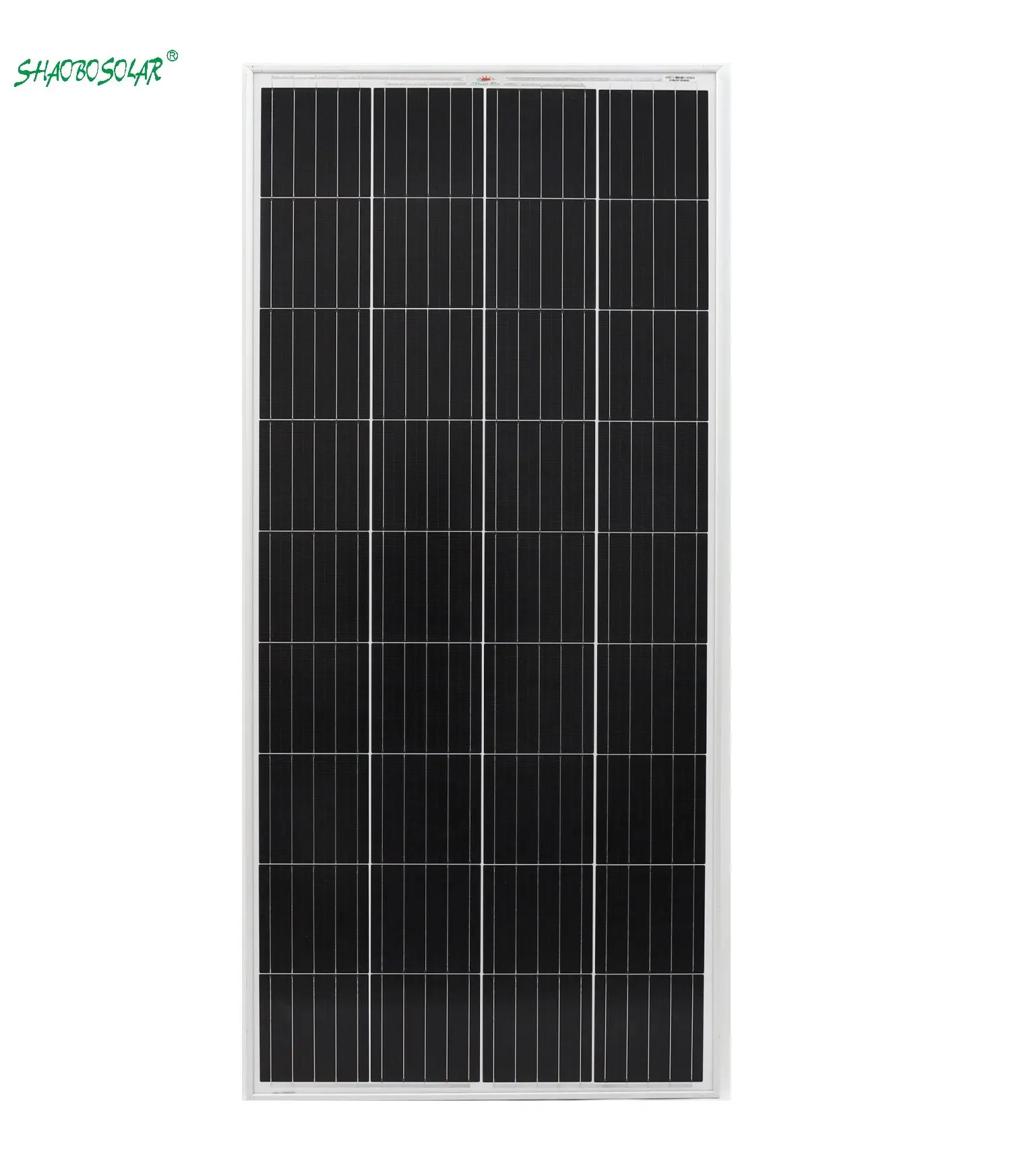
Evolution of Solar Technology in Paraguay

From basic power needs to high-performance energy ecosystems.

Market Development History

In the early 2010s, the market was dominated by polycrystalline solar panel installations. These were primarily used for simple off-grid lighting and water pumping, where cost was the primary driver over efficiency.

Between 2015 and 2020, a technical pivot occurred. The introduction of the mono solar panel became the industry standard as manufacturing costs dropped. This period marked the rise of professional EPC installers in Asunción and Ciudad del Este.

From 2021 to the present, the focus has shifted toward systemic integration. The industry has moved from selling individual components to delivering complete energy packages, integrating smart inverters and lithium storage to ensure 24/7 stability.

Future Development Trends

Bifacial Module Dominance

Expect a surge in bifacial technology that captures reflected light from the ground, significantly increasing yield for large-scale ground-mounted arrays in the Paraguayan countryside.

Hybrid Storage Integration

Integration of AI-driven energy management systems will allow users to optimize the use of their house solar power systems based on real-time weather forecasts.

N-Type Cell Transition

The transition from P-type to N-type monocrystalline cells will further reduce degradation rates, providing better longevity in Paraguay's extreme summer temperatures.

Industry Trends & Future Outlook

Strategizing the next phase of photovoltaic growth in the region.

Agrivoltaic Synergy
Combining solar energy production with crop cultivation, optimizing land use in Paraguay's agricultural heartlands.
Grid Modernization
Implementing smart grids to manage the influx of distributed solar energy from residential clusters.
Efficiency Optimization
Adopting TOPCon and HJT cell architectures to increase energy harvest per square meter.
Sustainable Recycling
Establishing local frameworks for the recycling of end-of-life PV modules to ensure a circular economy.

Industry Outlook

According to regional energy trends, Paraguay is poised to become a solar hub in the Southern Cone. The synergy between existing hydro-power and new PV installations will create a resilient hybrid energy model.

We anticipate that the adoption of high-density monocrystalline technology will drive down the Levelized Cost of Energy (LCOE), making solar the most competitive power source for new industrial developments in Paraguay.

Localized Solar Applications in Paraguay

Tailored photovoltaic solutions for diverse Paraguayan environments.

01. Rural Residential Powering

Deploying compact house solar power systems in remote villages to provide reliable electricity for education and healthcare where the national grid cannot reach.

02. Livestock & Dairy Farms

Installing large-scale arrays of solar panels to power automated milking systems and refrigeration, reducing reliance on expensive diesel.

03. Urban Commercial Rooftops

Integrating high-efficiency mono solar panel arrays on shopping centers in Asunción to lower operational overhead and meet corporate sustainability goals.

04. Water Pumping Solutions

Using robust PV modules to drive solar-powered irrigation pumps for soy and corn plantations, ensuring water security during the dry season.

05. Telecom Tower Energy

Implementing hybrid solar-battery systems for remote communication towers in the Chaco region to ensure uninterrupted connectivity across the territory.

Brand Story

Global Development Journey of Hebei Shaobo Solar Technology Co., Ltd.

Founding Vision

Established with a mission to democratize high-efficiency solar energy, focusing on precision engineering in photovoltaic cell manufacturing.

Technical Breakthroughs

Pioneered advanced PERC technology, significantly increasing the conversion efficiency of residential solar modules for global markets.

Global Expansion

Extended our footprint into South America, tailoring our product lines to withstand specific climatic challenges like high humidity and heat.

Quality Certification

Achieved Tier-1 status and multiple international certifications, ensuring every panel meets the highest standards of durability and performance.

Sustainable Future

Committed to carbon neutrality by innovating in recyclable materials and next-generation N-type cell production.

Paraguay Solar FAQ

Expert answers to the most common questions about solar installation in Paraguay.

Which is better for Paraguay: monocrystalline solar panels or polycrystalline?

Due to the high temperatures in Paraguay, monocrystalline solar panels are generally preferred as they offer better efficiency and a lower temperature coefficient, meaning they perform better in intense heat.

How long does a typical house solar power system last in this region?

Most high-quality systems are designed to last 25-30 years. However, we recommend regular cleaning to remove dust and pollen, which is common in Paraguayan agricultural areas, to maintain peak performance.

Can a mono solar panel work during the rainy season in Paraguay?

Yes, although production decreases during cloudy days, modern mono-crystalline cells can still harvest diffuse light. Pairing them with a battery storage system ensures consistent power during the rainy months.

Are polycrystalline solar panel options still viable for large farms?

They are still viable for projects where land is abundant and budget is the primary constraint. However, the efficiency gap is closing, and most new installations are switching to mono-tech for better ROI.

What is the average payback period for solar in Paraguay?

Depending on the energy consumption and local tariffs, most residential and commercial systems pay for themselves within 4 to 7 years through significant electricity bill savings.

How do I choose the right capacity for my house solar power system?

We analyze your average monthly kWh consumption and the available roof area. For most homes in Paraguay, a system between 3kW and 10kW is sufficient to achieve near-total energy independence.

Get Your Custom Solar Quote

Ready to transition to clean energy? Our engineers are ready to design the perfect system for your needs in Paraguay.

Contact Us Now

If you are interested in our products, you can choose to leave your information here, and we will be in touch with you shortly.