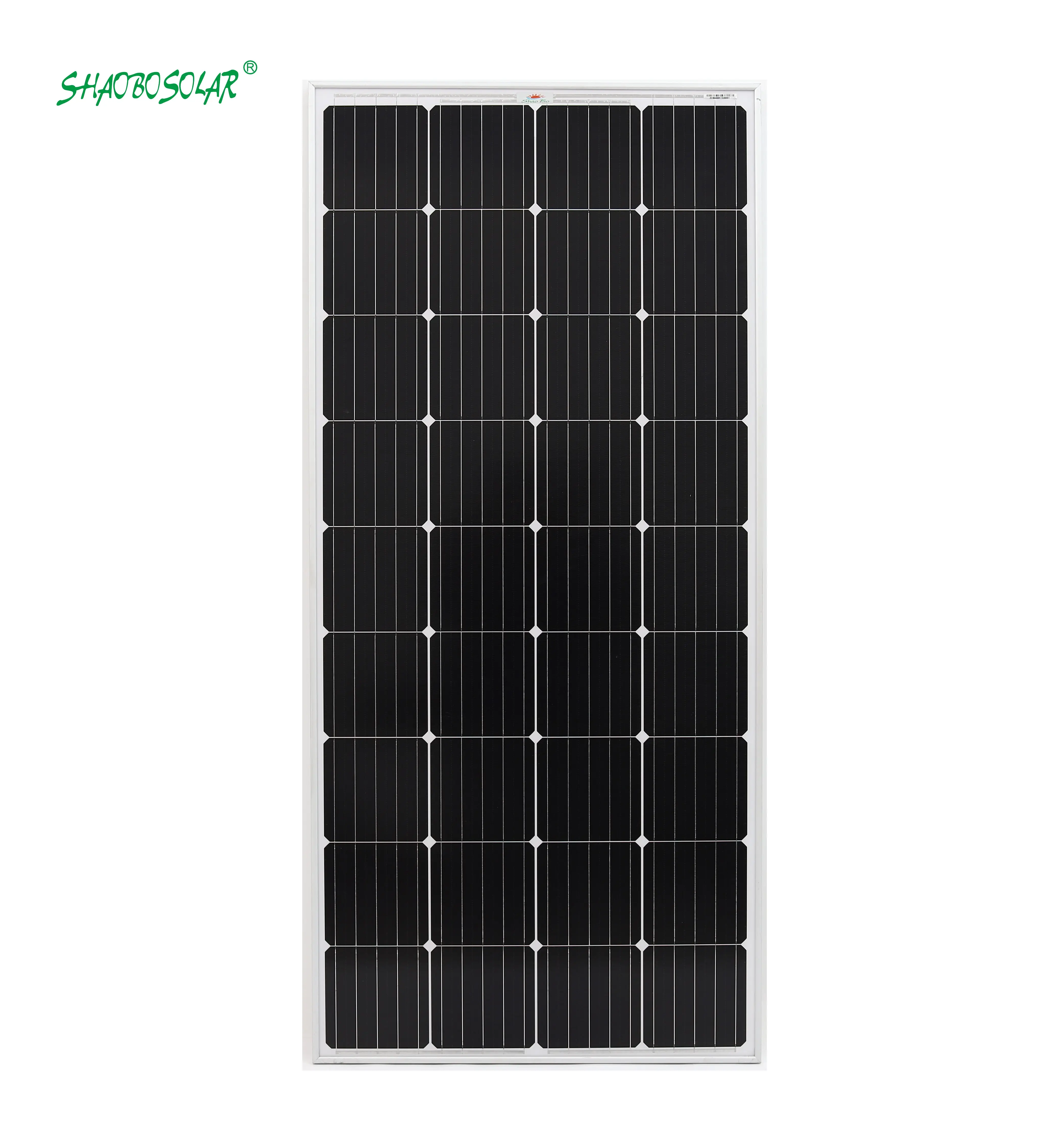
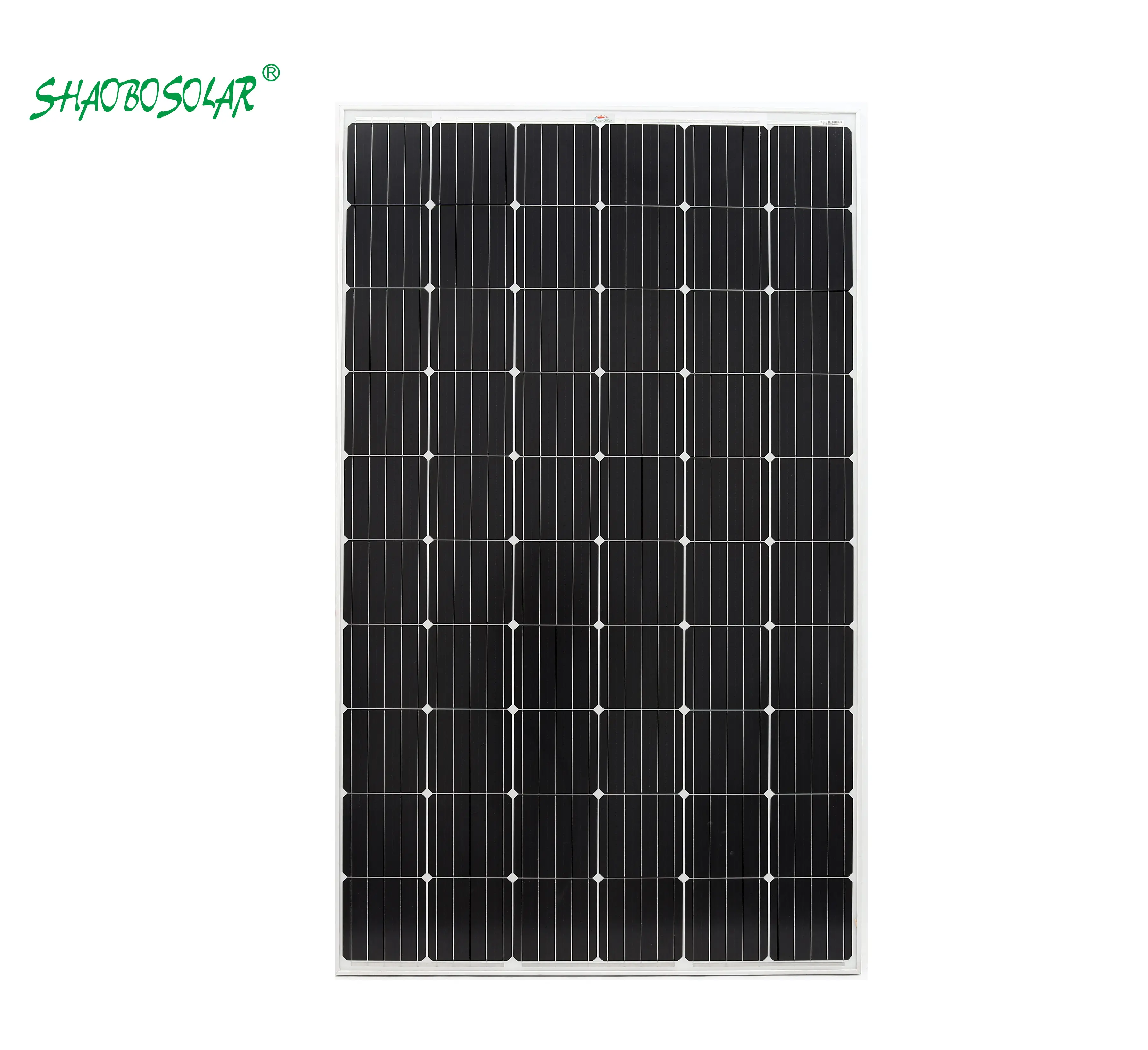
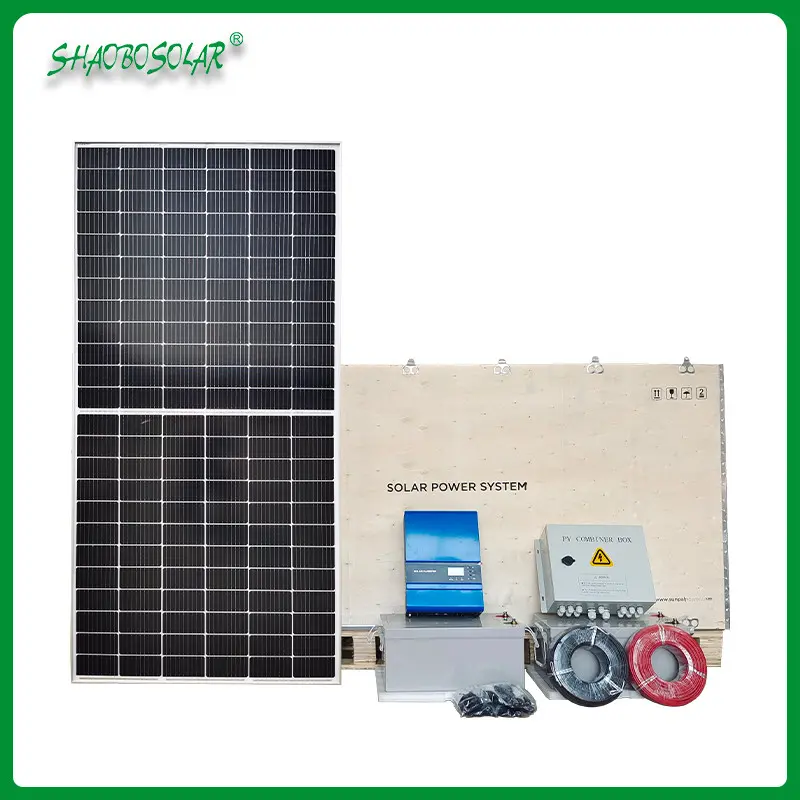
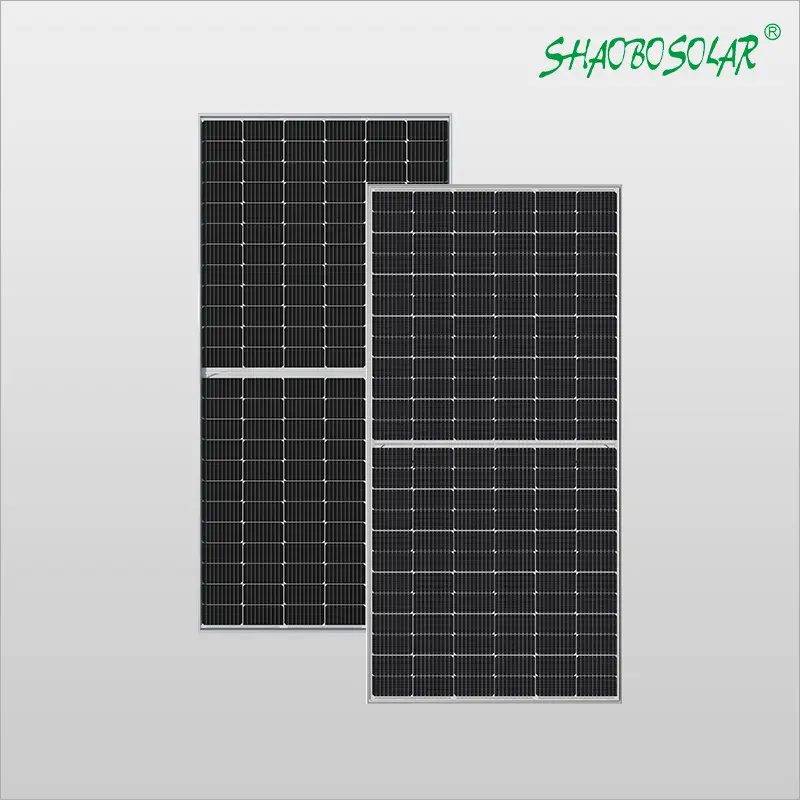
North Korea faces significant energy challenges due to a strained traditional power grid and limited fuel resources. In recent years, there has been a strategic shift toward decentralized energy, where solar panels have become essential for maintaining basic electricity in remote mountainous areas and urban households.
The geographic terrain, characterized by rugged mountains and varied seasonal sunlight, requires specialized equipment. The demand for high-durability monocrystalline solar panels has risen as users seek maximum efficiency from limited installation spaces, particularly in densely populated cities like Pyongyang.
Economic constraints have historically led to the use of older technologies, but the market is now transitioning. There is a growing preference for integrated systems that combine energy generation with storage to combat the extreme winter temperatures common in the Korean peninsula.