
Advanced house solar power system Solutions for Morocco

Advanced house solar power system Solutions for Morocco

Advanced house solar power system Solutions for Morocco

Empowering Moroccan homes and industries with high-efficiency photovoltaic technology to harness the Sahara's unmatched solar radiance.

Advanced house solar power system Solutions for Morocco

We provide integrated solar energy solutions specifically engineered for the Moroccan climate, ensuring maximum energy yield and long-term durability for residential and commercial applications.

The Solar Energy Landscape in Morocco

Analyzing the synergy between Morocco's geographic advantages and PV technology adoption.

Morocco possesses one of the highest solar irradiation levels globally, making the deployment of solar panels a strategic necessity. From the coastal regions to the edge of the Sahara, the country is transitioning from fossil fuel dependency to a green economy, driven by the Noor Solar Plan.

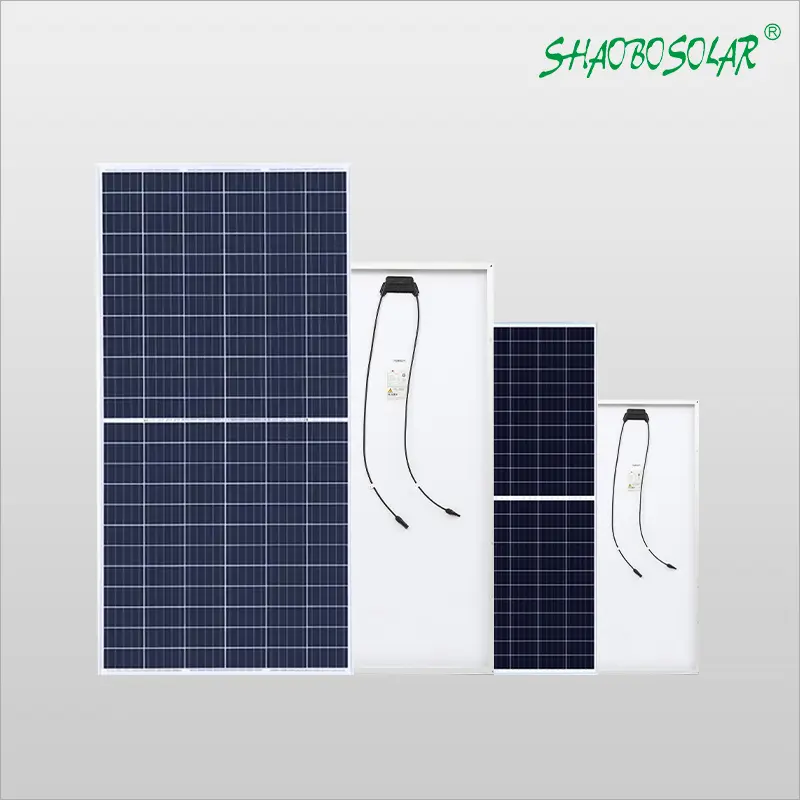
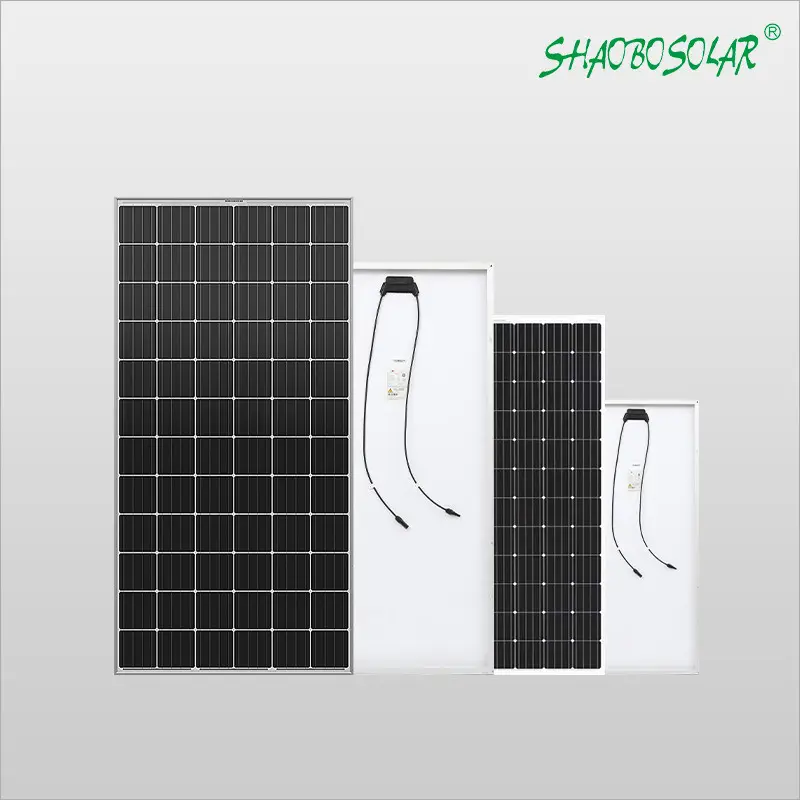
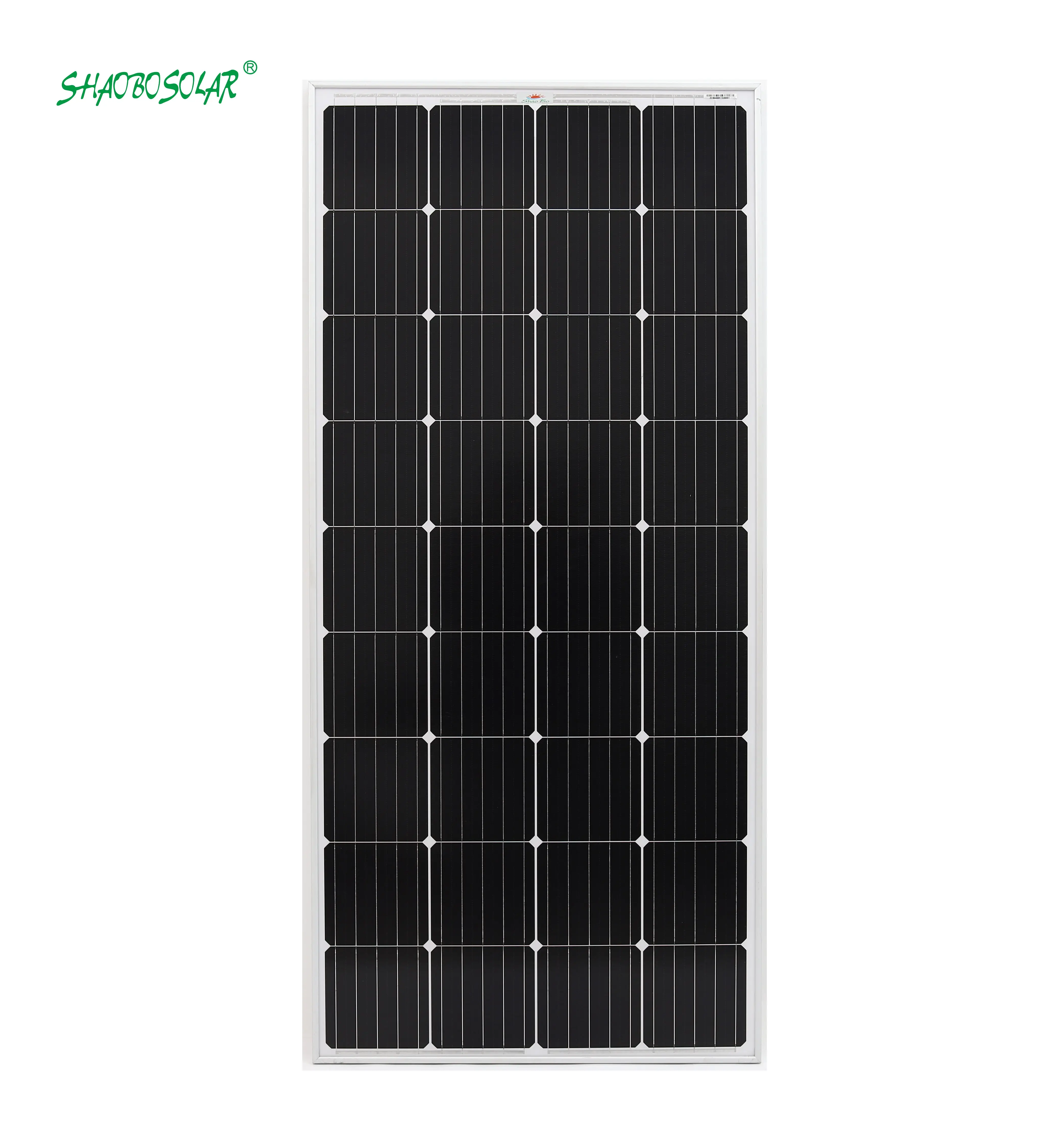
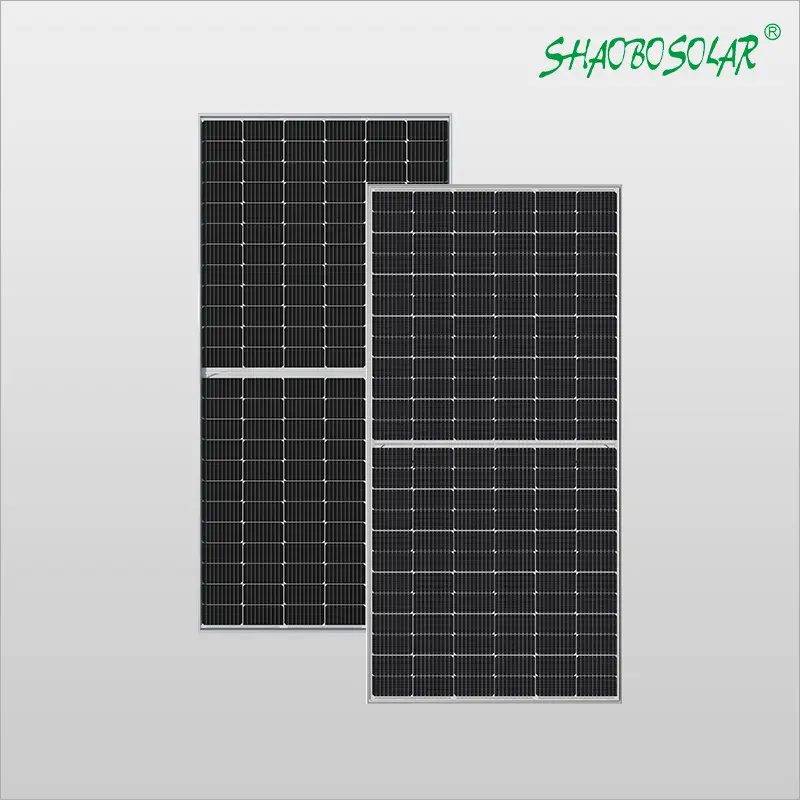
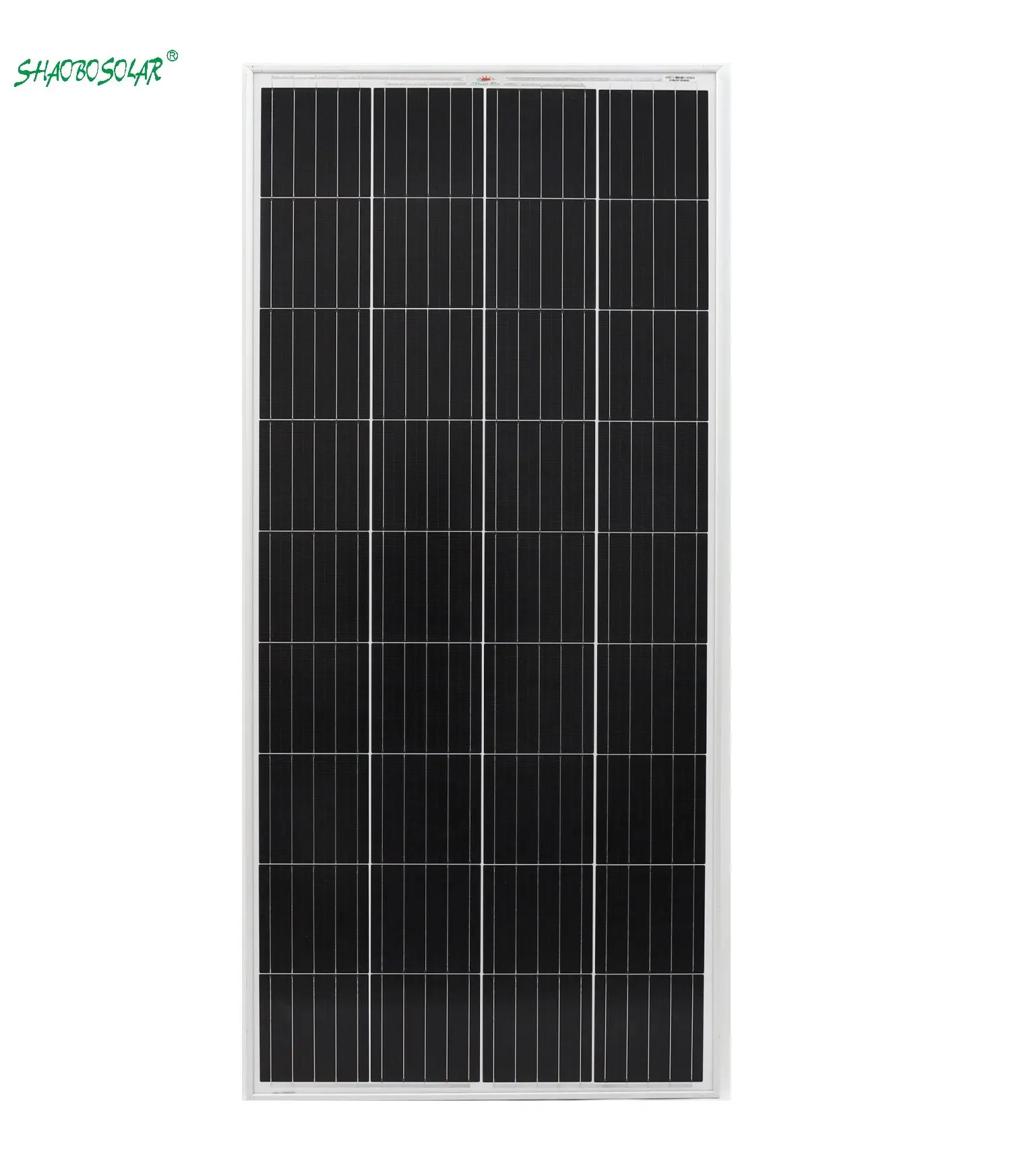
Currently, the market shows a strong preference for high-efficiency monocrystalline solar panels due to their superior performance in limited space areas, such as urban rooftops in Casablanca and Marrakech.

Despite the growth, challenges remain regarding dust accumulation (soiling) and high ambient temperatures, which require specialized module designs and robust mounting systems to maintain operational efficiency across the North African terrain.
Evolution of PV Technology in Morocco

Tracing the journey from basic energy access to smart grid integration.

Market Development History

In the early 2010s, the Moroccan market was dominated by polycrystalline solar panel technology, which provided a cost-effective entry point for rural electrification projects and small-scale agricultural pumping.

By 2017, a significant shift occurred as manufacturing efficiency improved. The introduction of PERC technology led to the rise of the mono solar panel, offering significantly higher conversion rates and better low-light performance.

From 2020 to the present, the focus has evolved toward "System Integration," where homeowners no longer buy just modules, but complete, intelligent energy ecosystems including lithium storage and smart inverters.

Future Development Trends

N-Type TOPCon Dominance

The next 3 years will see a rapid replacement of P-type cells with N-Type TOPCon technology to reduce LID (Light Induced Degradation) in Morocco's extreme heat.

Bifacial Module Integration

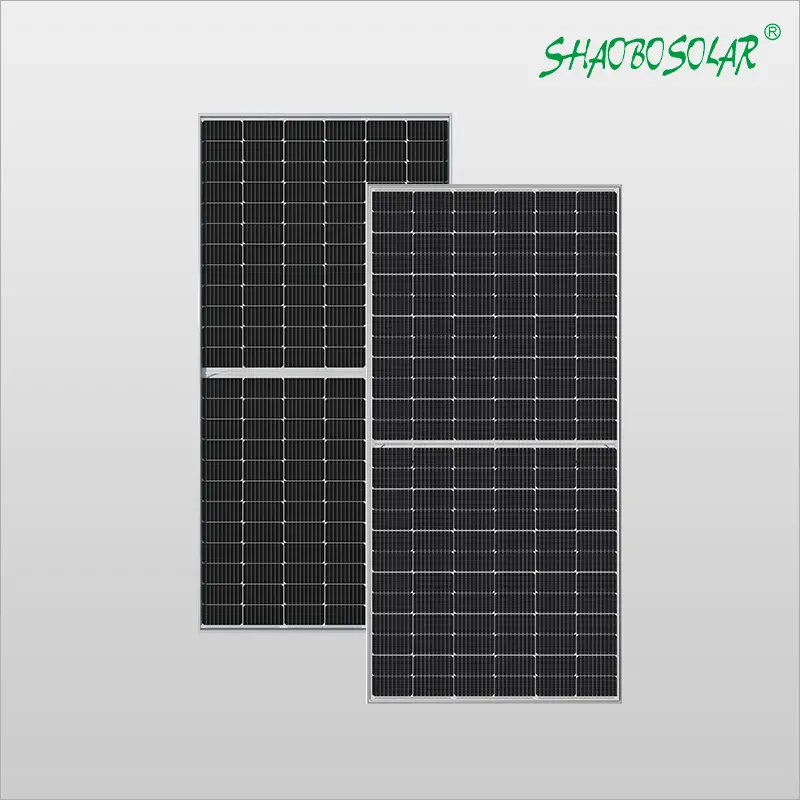
With the sandy soil of the south providing high albedo, bifacial modules will become the standard for utility-scale and commercial installations to capture reflected light.

AI-Driven Energy Management

Integration of AI for predictive maintenance and load shifting will optimize the ROI for residential solar investments across the region.

Future Trends and Strategic Outlook

Predicting the trajectory of the photovoltaic industry in the Maghreb region.

High-Temperature Resilience
Developing modules with lower temperature coefficients to maintain voltage stability during Moroccan summer peaks.
Energy Storage Synergy
Coupling PV arrays with LiFePO4 batteries to ensure 24/7 power autonomy for remote Atlas Mountain villages.
Agri-PV Integration
Combining solar shading with crop cultivation to optimize land use and water evaporation in arid regions.
Grid-Interactive Systems
Transitioning from off-grid to net-metering systems, allowing Moroccan users to sell excess power back to the grid.

Industry Outlook

Google search trends in Morocco indicate a sharp increase in queries for "renewable energy incentives" and "hybrid solar systems," suggesting a market shift toward sophisticated, multi-source energy setups.

We anticipate that the convergence of decreasing hardware costs and government mandates for green building codes will accelerate the adoption of residential PV systems by 40% over the next five years.

Localized Solar Applications in Morocco

Real-world implementations tailored to the diverse Moroccan geography.

1. Urban Residential Rooftops in Casablanca

Utilizing high-density monocrystalline solar panels to maximize limited roof space and reduce electricity bills in the commercial hub.

2. Solar Water Pumping for Souss-Massa Agriculture

Implementing robust solar arrays to power irrigation systems, ensuring food security and reducing diesel costs for local farmers.

3. Off-Grid Electrification in High Atlas Villages

Deploying standalone house solar power system kits to provide lighting and refrigeration to remote mountain communities.

4. Industrial Park Powering in Tangier

Installing large-scale PV plants for automotive and textile factories to meet corporate sustainability goals and lower operational overheads.

5. Desert Tourism Eco-Lodges in Merzouga

Using hybrid systems with solar and storage to provide luxury amenities in the heart of the dunes without impacting the fragile environment.

Brand Story

Global Development History of Hebei Shaobo Photovoltaic Technology Co., Ltd.

Foundation & Vision

Established with the mission to democratize clean energy, we focused on solving the efficiency gap in early-stage solar cell manufacturing.

Technological Breakthrough

Invested heavily in R&D to perfect the monocrystalline crystallization process, significantly increasing the durability of modules in harsh climates.

Global Market Expansion

Extended our footprint to North Africa and the Middle East, tailoring products to withstand high UV radiation and sand abrasion.

System Integration Era

Transitioned from a component manufacturer to a solution provider, integrating smart inverters and energy storage for a complete user experience.

Sustainable Future

Committed to carbon neutrality, we now implement circular economy principles in our panel recycling and sustainable sourcing strategies.

Complete Solar Product Portfolio for Morocco

From high-efficiency cells to full-scale energy systems tailored for the Maghreb.

Morocco Solar Energy FAQ

Expert answers to the most common questions regarding solar installation in Morocco.

Which is better for Morocco, monocrystalline or polycrystalline solar panels?

For most Moroccan users, monocrystalline solar panels are recommended due to their higher efficiency and better performance in the high temperatures typical of the region.

How does dust and sand affect my house solar power system efficiency?

Dust accumulation can significantly reduce output. We recommend a regular cleaning schedule and the use of anti-soiling coatings to maintain the performance of your house solar power system.

Can a mono solar panel operate effectively in extreme heat?

Yes, a high-quality mono solar panel with a low temperature coefficient is designed to minimize power loss when ambient temperatures rise in the desert.

What is the average lifespan of solar panels in North Africa?

Most Tier-1 solar panels are warranted for 25 years, though optimal maintenance is required to counter the abrasive effects of sandstorms.

Are polycrystalline solar panels still viable for large agricultural projects?

While efficiency is lower, a polycrystalline solar panel can still be a cost-effective choice for vast areas where space is not a constraint.

How do I choose the right capacity for my residential solar installation?

Capacity depends on your average monthly kWh consumption. We suggest analyzing your electricity bills and factoring in a 20% buffer for future growth and seasonal peaks.

Ready to Switch to Solar?

Contact our expert engineering team today to design a customized energy solution for your project in Morocco.

Contact Us Now

If you are interested in our products, you can choose to leave your information here, and we will be in touch with you shortly.