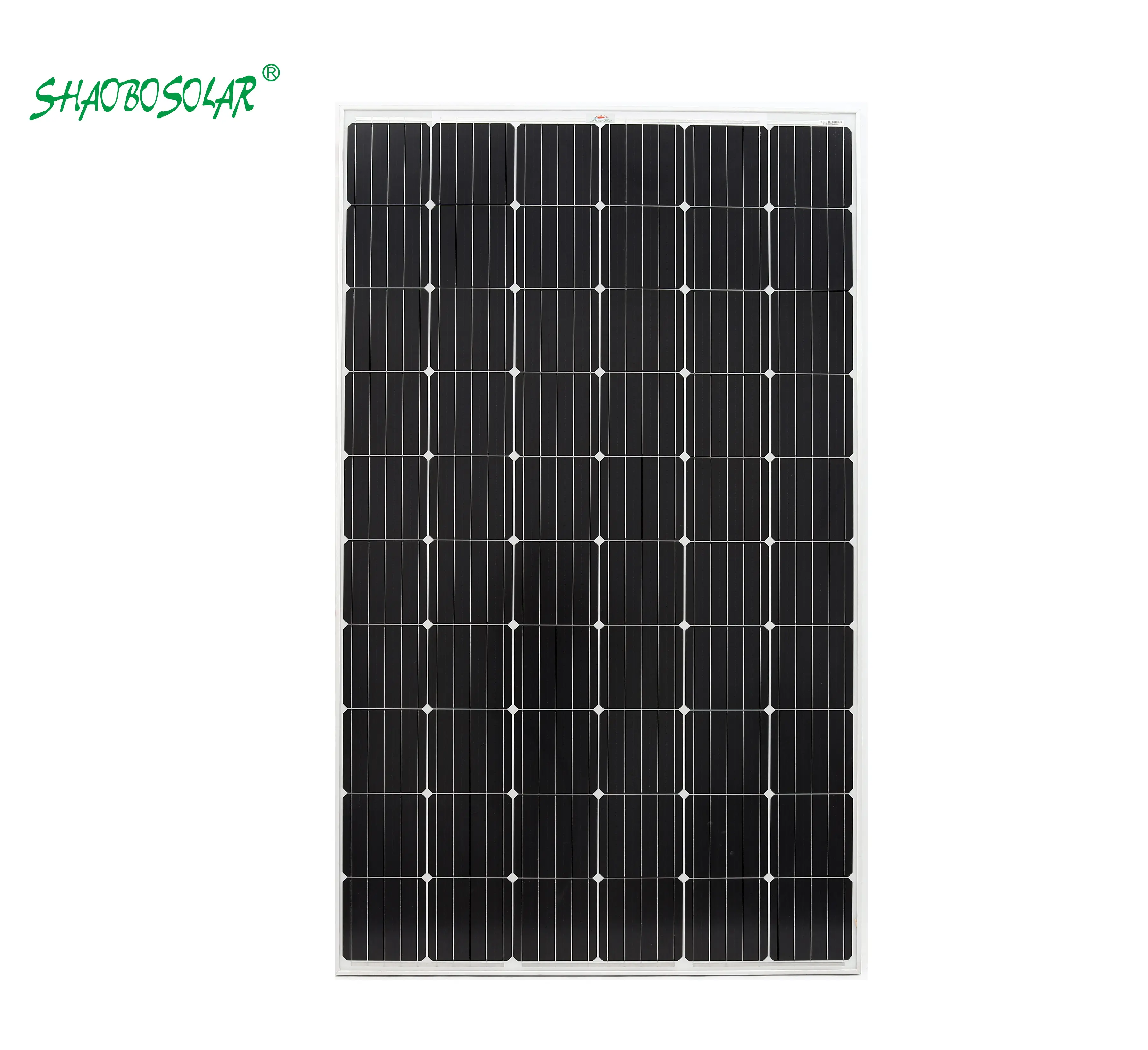
Advanced house solar power system Solutions for Mongolia

Advanced house solar power system Solutions for Mongolia

Advanced house solar power system Solutions for Mongolia

Empowering the Mongolian Steppe with high-efficiency energy harvesting technology tailored for extreme temperature fluctuations and remote off-grid reliability.

Advanced house solar power system Solutions for Mongolia

Our integrated energy solutions provide stable, sustainable electricity for residential and industrial applications across Mongolia, leveraging the region's high solar irradiance.

Solar Energy Landscape in Mongolia

Analyzing the synergy between Mongolia's geography and photovoltaic adoption.

Mongolia possesses some of the highest solar potential globally, with over 250 sunny days per year. However, the adoption of solar panels faces unique challenges due to the "extreme continental climate," where temperatures swing from -40°C in winter to +40°C in summer, requiring specialized hardware durability.

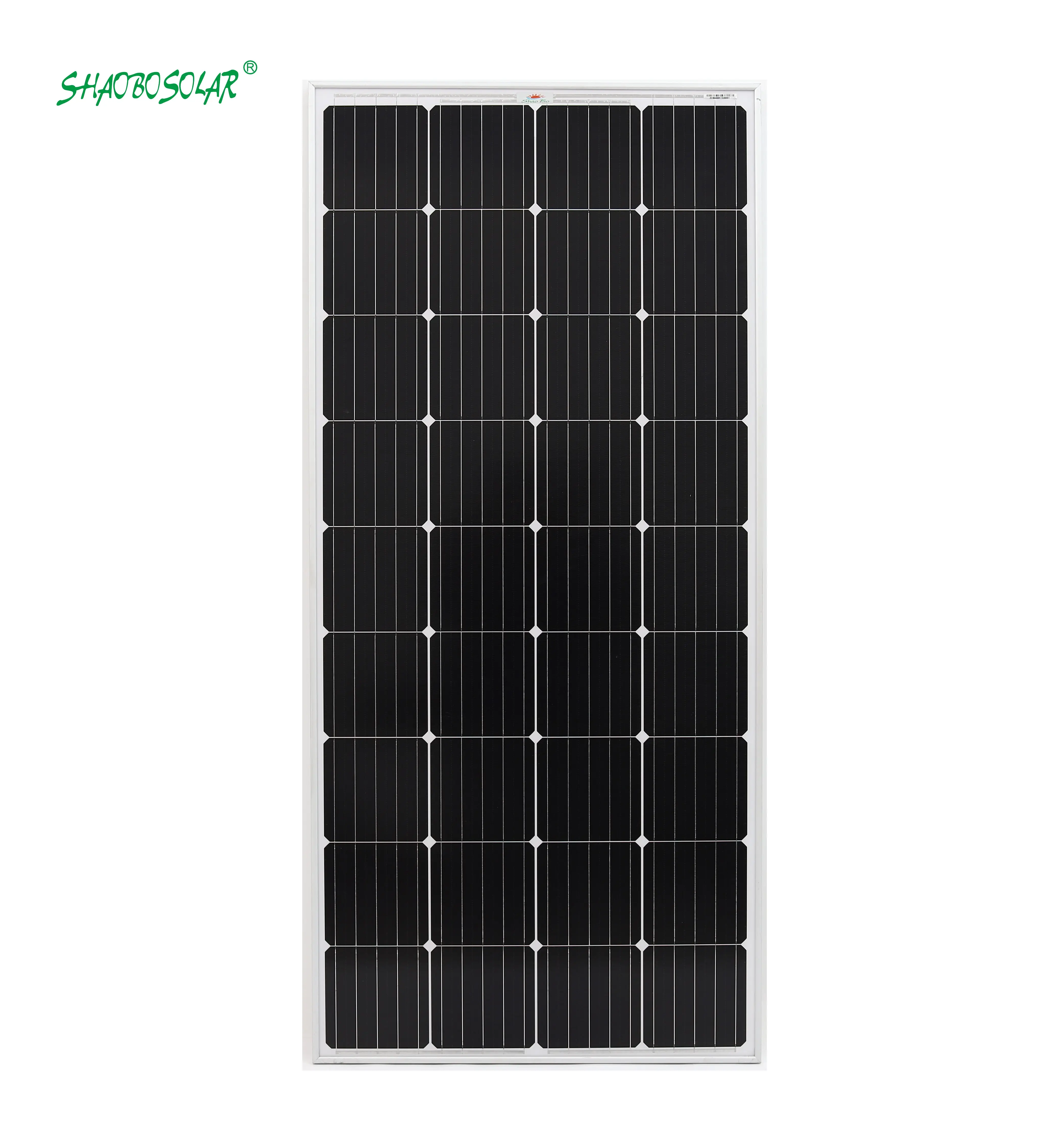
In remote nomadic regions, the reliance on expensive diesel generators is being replaced by decentralized energy. The demand for monocrystalline solar panels has surged because their higher efficiency allows for smaller installation footprints while maximizing power output during the shorter winter days.

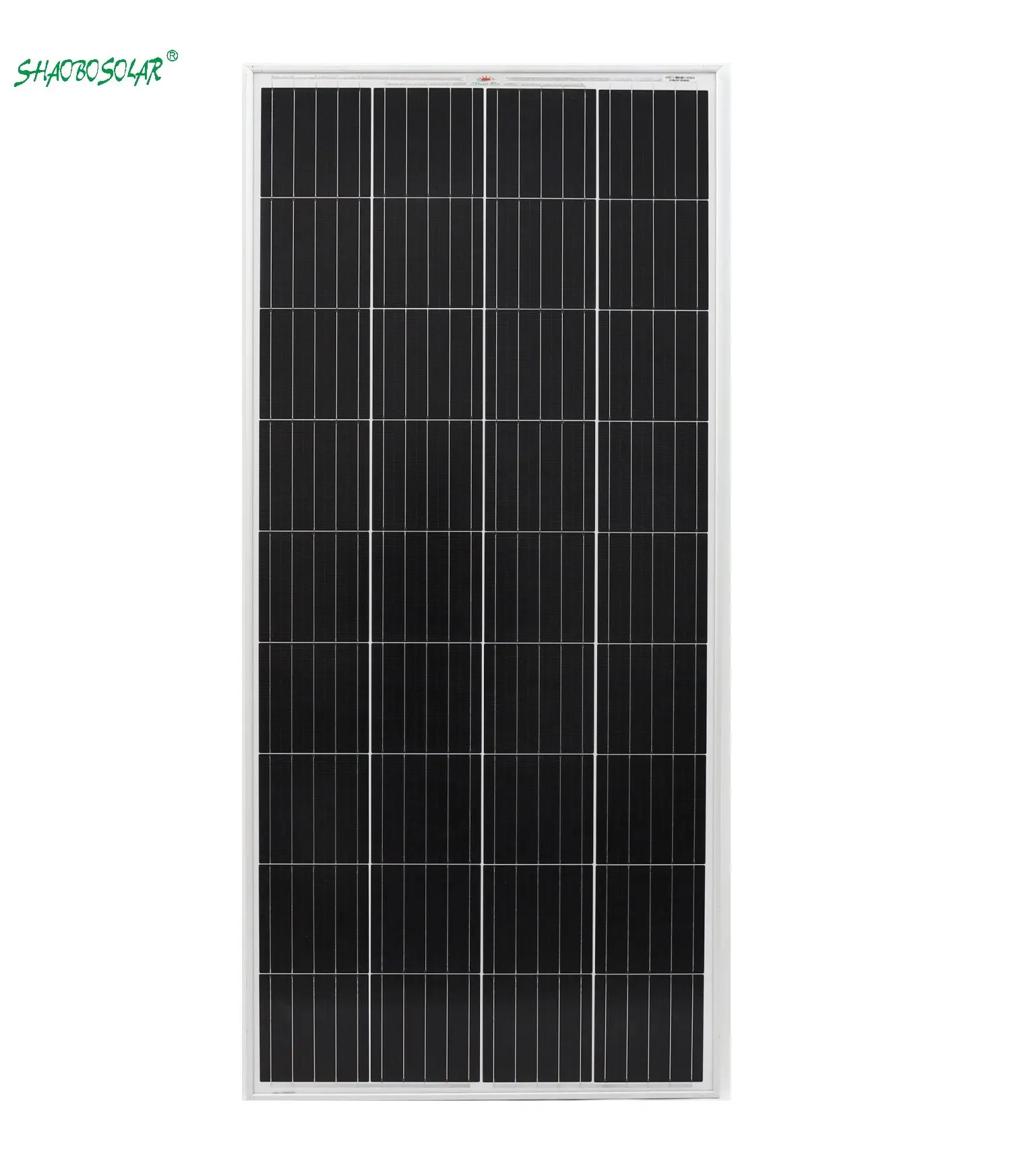
Currently, the Mongolian market is shifting from basic lighting kits to comprehensive energy autonomy. The integration of high-capacity storage and robust mounting systems ensures that a mono solar panel array can withstand heavy snow loads and high wind speeds common in the Gobi Desert.
Evolution of Solar Technology in the Mongolian Market

From basic electrification to intelligent energy management systems.

Market Development History

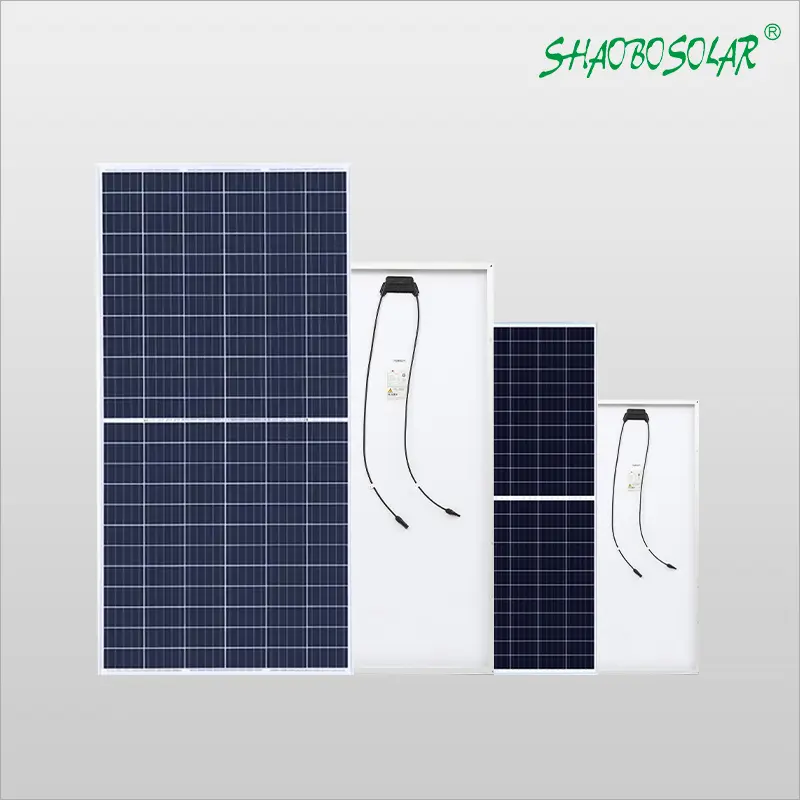
From 2000 to 2010, the market was dominated by small-scale polycrystalline solar panel installations. These were primarily used for basic telecommunications and emergency lighting in rural areas due to their lower initial cost, despite lower efficiency in cold climates.

Between 2011 and 2020, a technical pivot occurred. The industry transitioned toward PERC technology, improving the light-capture capabilities of monocrystalline solar panels. This period saw the first wave of residential adoption in Ulaanbaatar and surrounding provinces.

Since 2021, the trend has shifted toward "Smart Hybridization." Modern systems now combine high-wattage modules with Lithium Iron Phosphate (LiFePO4) batteries, enabling a truly sustainable house solar power system that operates reliably through the harsh Mongolian winter.

Future Development Trends

Bifacial Module Integration

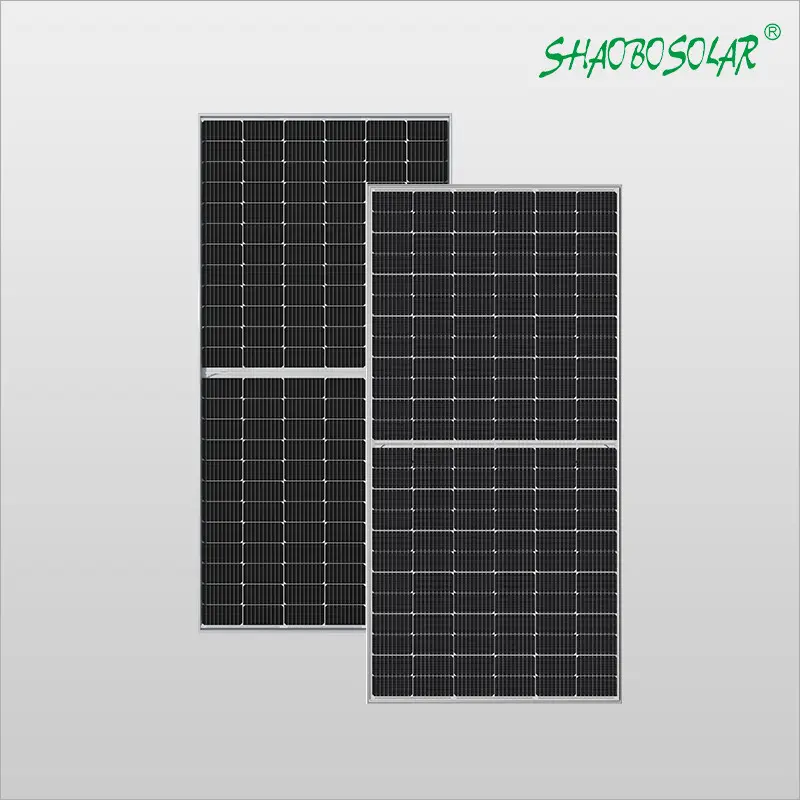
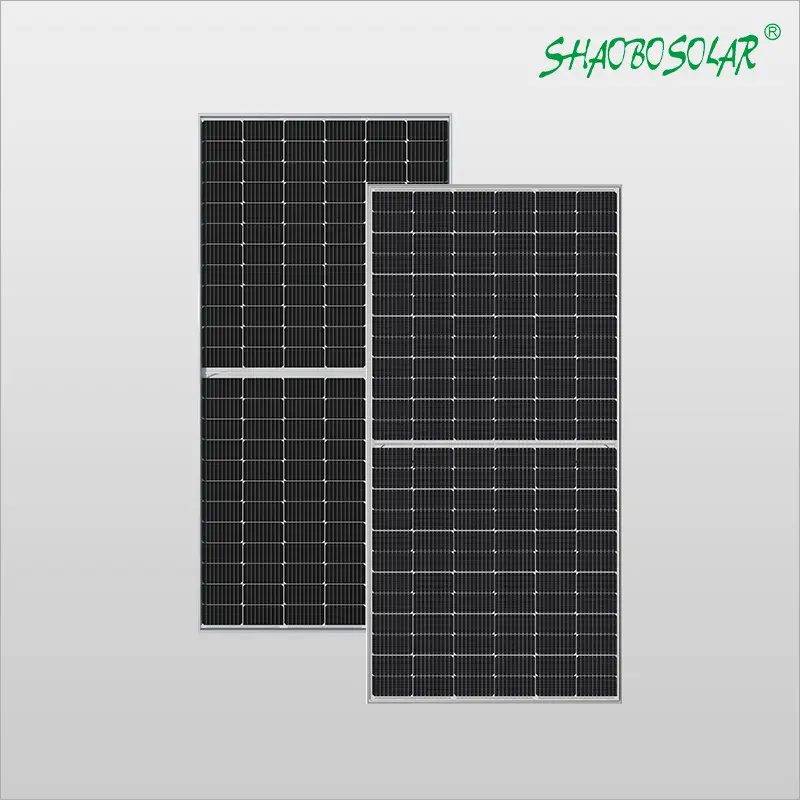
With Mongolia's high albedo effect from snow cover, bifacial modules that capture sunlight on both sides are expected to increase energy yield by 15-25%.

N-Type TOPCon Technology

Transitioning from P-type to N-type cells to reduce degradation and improve performance in high-temperature summer peaks.

Grid-Tied Micro-Inverters

A move toward decentralized micro-grids to stabilize rural power distribution and reduce transmission losses across vast distances.

Industry Trends and Future Outlook

Strategic projections for the Mongolian photovoltaic sector (2024-2029).

Cold-Climate Optimization
Developing modules with enhanced thermal coefficients to maintain high voltage output during sub-zero Mongolian winters.
Off-Grid Autonomy
Scaling integrated storage systems to ensure 24/7 power for nomadic dwellings (Gers) far from the national grid.
Agrivoltaic Synergy
Combining solar arrays with livestock grazing to optimize land use in the Mongolian steppe.
Industrial Decarbonization
Implementing utility-scale solar for the mining sector to reduce carbon footprints and operational costs.

Industry Outlook

Based on current search trends and energy policy shifts in Asia, Mongolia is poised to become a regional leader in solar exports if it can successfully integrate its vast land resources with high-efficiency solar panels.

The next 3-5 years will see a massive shift toward hybrid energy storage, where solar is paired with wind energy to overcome the seasonal volatility of sunlight, creating a resilient national energy backbone.

Localized Solar Applications in Mongolia

Tailored energy deployments for the diverse Mongolian environment.

01. Nomadic Ger Electrification

Portable mono solar panel kits designed for easy deployment and transport, providing essential power for lighting and communication in mobile dwellings.

02. Remote Mining Site Power

Large-scale arrays utilizing high-durability monocrystalline solar panels to power remote exploration camps and reduce dependence on diesel fuel.

03. Urban Residential Integration

Installation of a complete house solar power system on rooftops in Ulaanbaatar to mitigate winter smog by reducing coal heating reliance.

04. Livestock Water Pumping

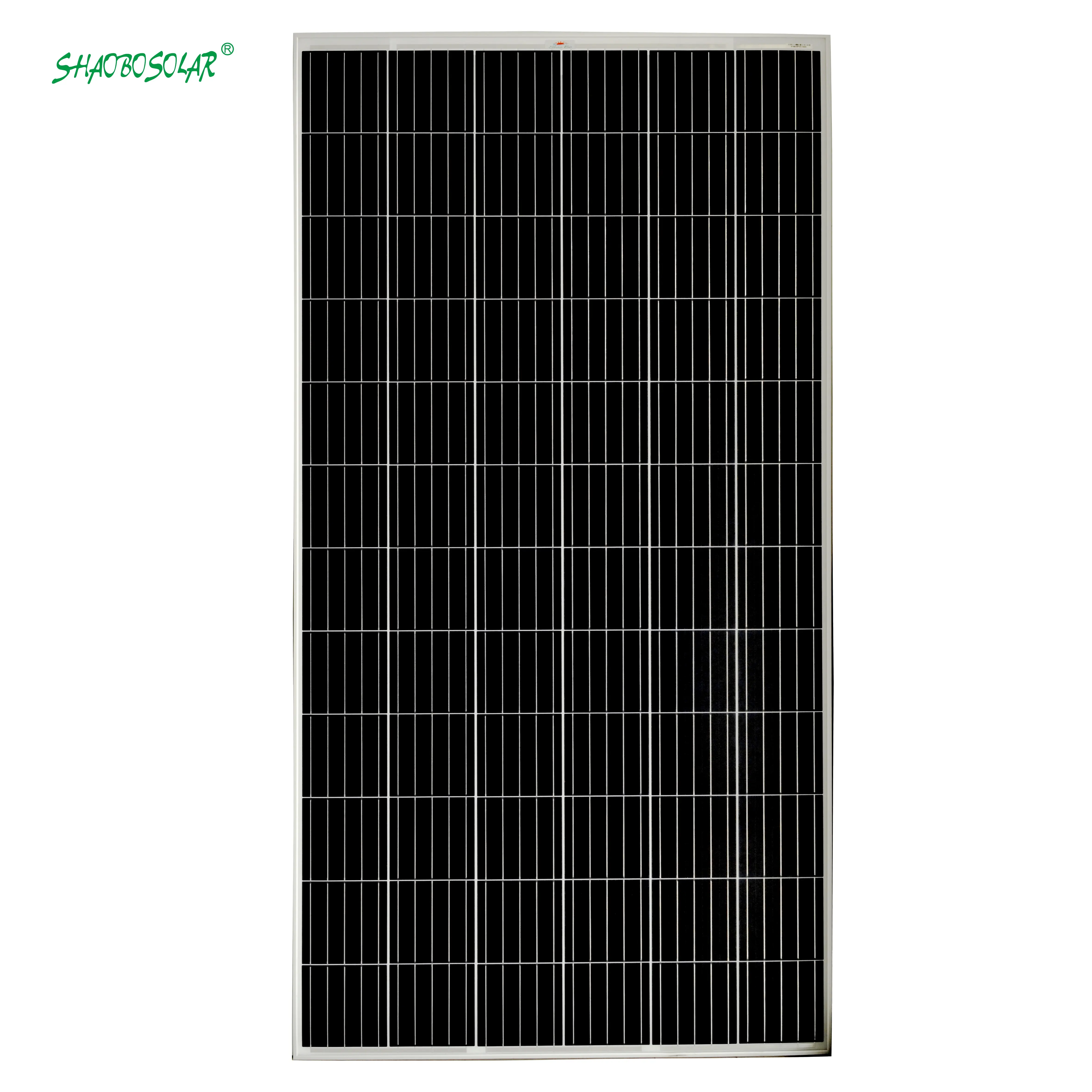
Solar-powered irrigation and water pumping systems using cost-effective polycrystalline solar panel modules for sustainable herd management.

05. Border Post Security Systems

Independent solar-plus-storage nodes powering surveillance and communication hardware at Mongolia's strategic border crossings.

Brand Story

Global Development Journey of Hebei Shaobo Photovoltaic Technology Co., Ltd.

Foundational Innovation

Established with a mission to solve the instability of energy in extreme environments, specializing in high-conversion cell manufacturing.

Quality Standardization

Achieved global certifications, ensuring every panel meets rigorous stress-test standards for wind, snow, and thermal shock.

Market Expansion

Expanded into the Central Asian and Mongolian markets, optimizing product lines for high-altitude and low-temperature regions.

Technology Pivot

Integrated smart monitoring and AI-driven energy management into our residential solar offerings for maximum ROI.

Sustainable Vision

Committed to powering 1 million off-grid homes globally, reducing carbon emissions through accessible, high-performance PV technology.

Mongolia Solar FAQ

Expert answers to the most common technical queries in the region.

Will solar panels work during the Mongolian winter?

Yes, photovoltaic cells actually perform more efficiently in colder temperatures. However, snow accumulation can block light; we recommend tilted mounts for natural snow shedding.

Which is better for Ulaanbaatar: monocrystalline solar panels or polycrystalline?

For urban areas with limited roof space, monocrystalline solar panels are superior due to higher efficiency and better performance in low-light conditions.

How do I choose the right house solar power system size?

You must calculate your peak daily kWh usage and account for the shortest day of the year in December to ensure your battery bank provides sufficient autonomy.

Can a mono solar panel withstand heavy snow loads?

Yes, our panels are engineered with tempered glass and reinforced frames specifically designed to withstand the static pressure of heavy snowfall common in Asia.

What is the lifespan of polycrystalline solar panel installations?

Typically 25 years. While they have a slightly faster degradation rate than mono panels, they remain a cost-effective choice for large-scale agricultural projects.

Do I need a special inverter for the Mongolian climate?

Yes, we recommend industrial-grade inverters with wide operating temperature ranges and integrated heating elements for the battery compartment.

Ready to Solarize Your Site?

Get a customized energy consultation and technical audit for your projects in Mongolia.

Contact Us Now

If you are interested in our products, you can choose to leave your information here, and we will be in touch with you shortly.