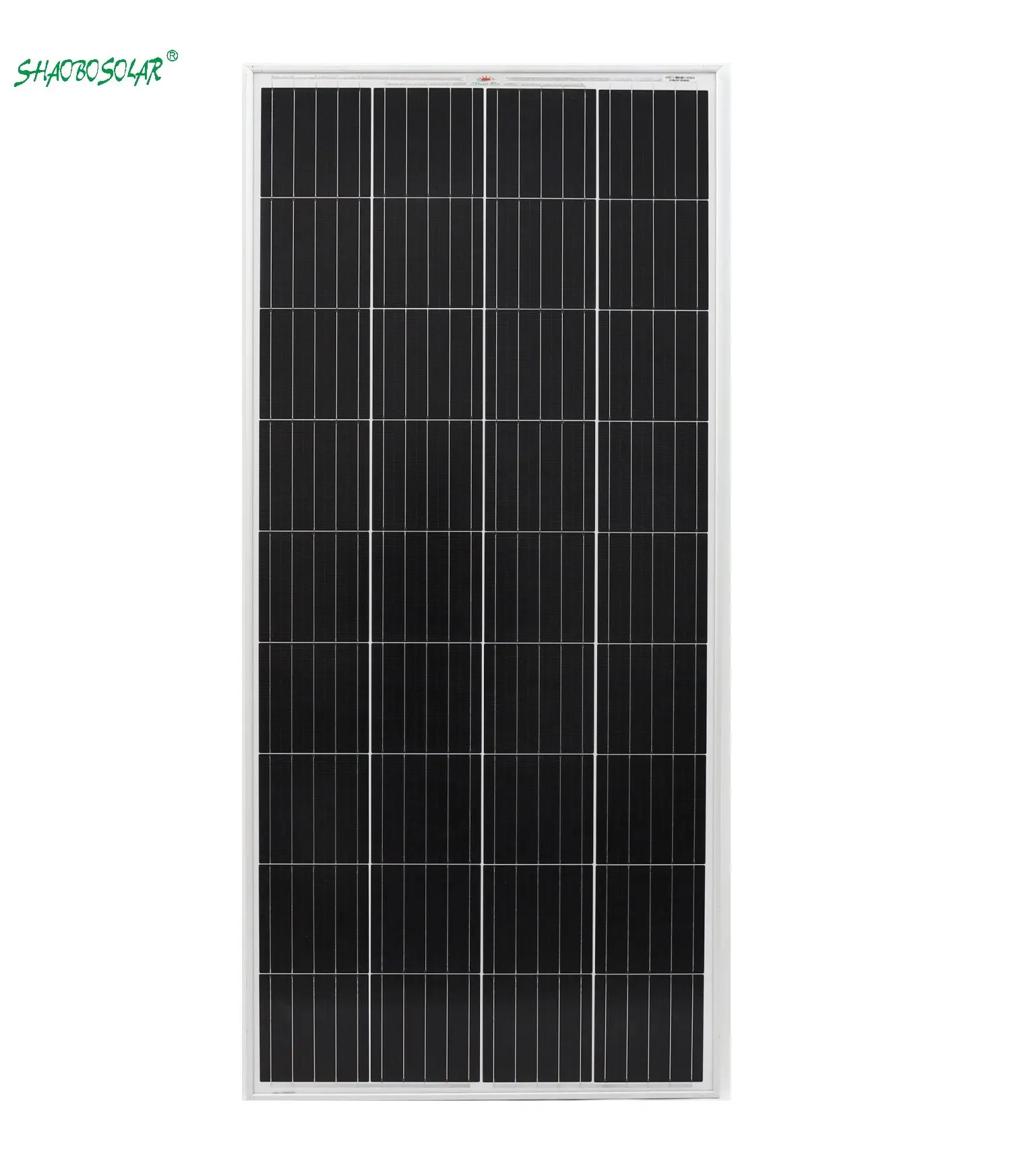
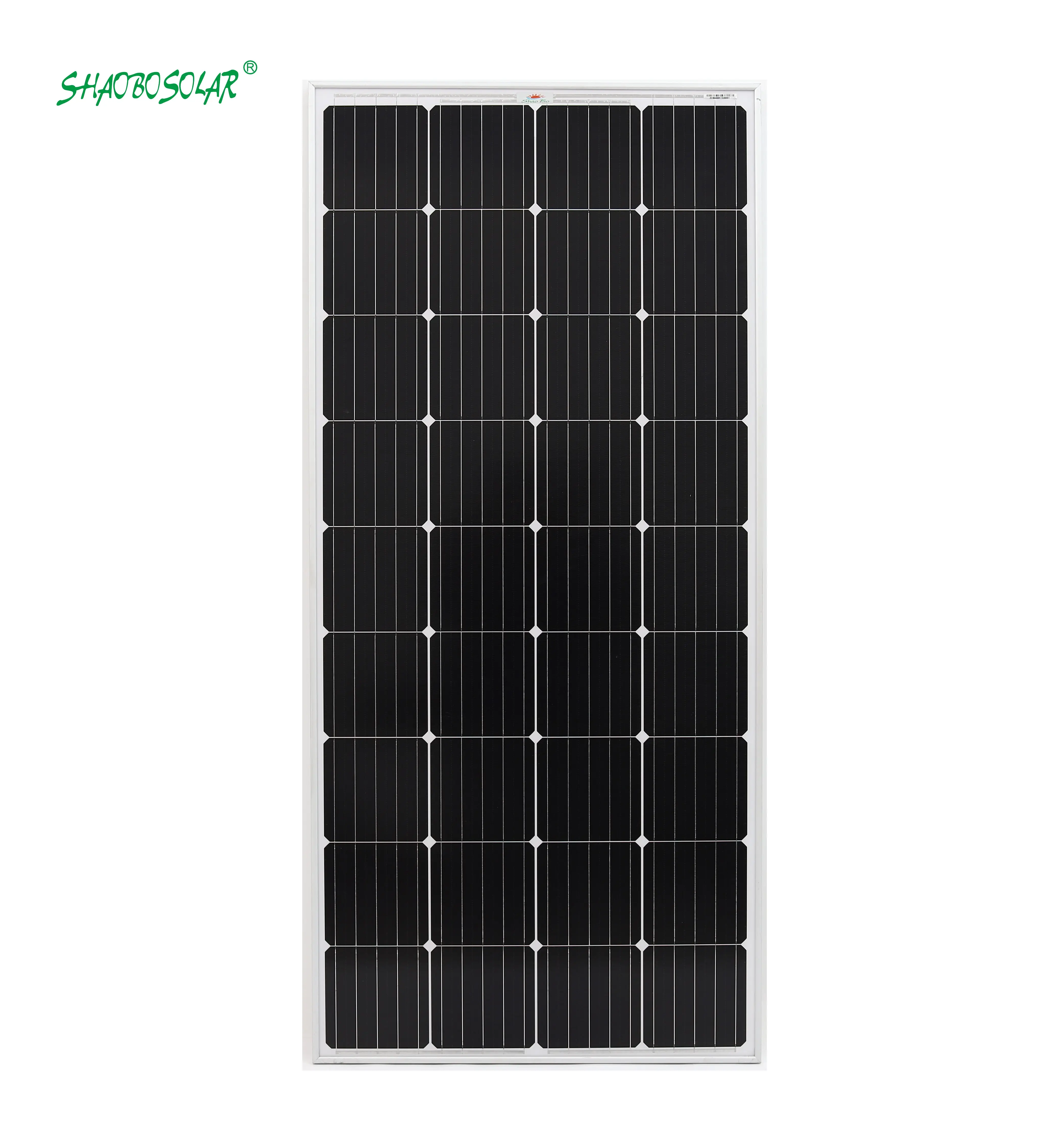
Advanced house solar power system Solutions for Canada

Advanced house solar power system Solutions for Canada

Advanced house solar power system Solutions for Canada

Optimizing energy independence and efficiency for Canadian residential and commercial properties through high-performance photovoltaic engineering.

Advanced house solar power system Solutions for Canada

Comprehensive solar integration designed to withstand the diverse Canadian climate, from the Atlantic coasts to the Rockies, ensuring maximum kWh yield per square meter.

Current State of Solar Integration in Canada

Analyzing the adoption of high-efficiency photovoltaic systems across North American latitudes.

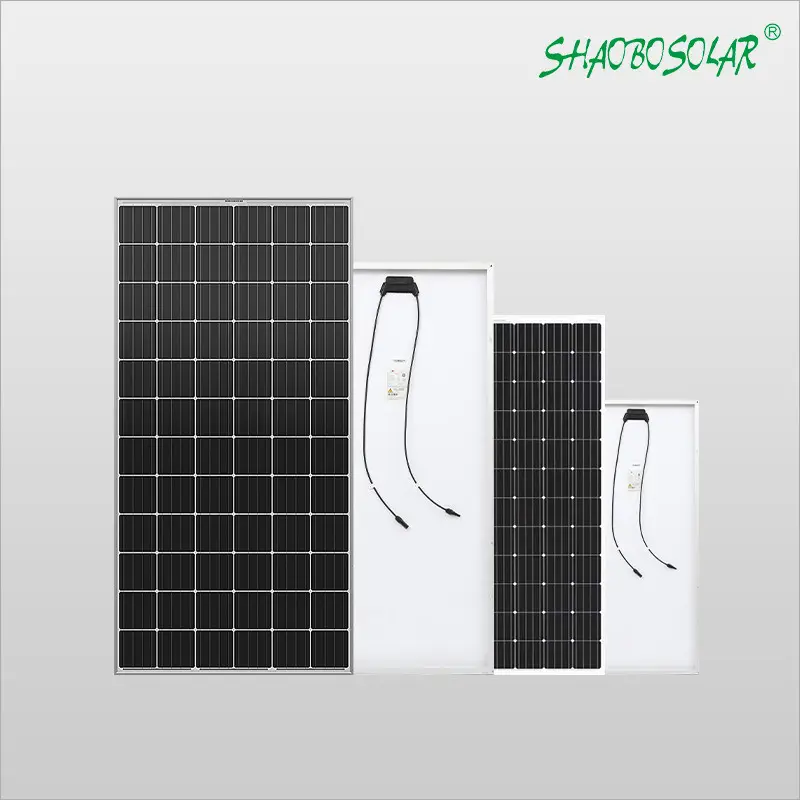
Canada's solar market is characterized by extreme seasonal variance. In provinces like Alberta and Saskatchewan, the high solar irradiance levels combined with cold temperatures—which actually improve the efficiency of monocrystalline solar panels—have led to a surge in utility-scale and residential installations.

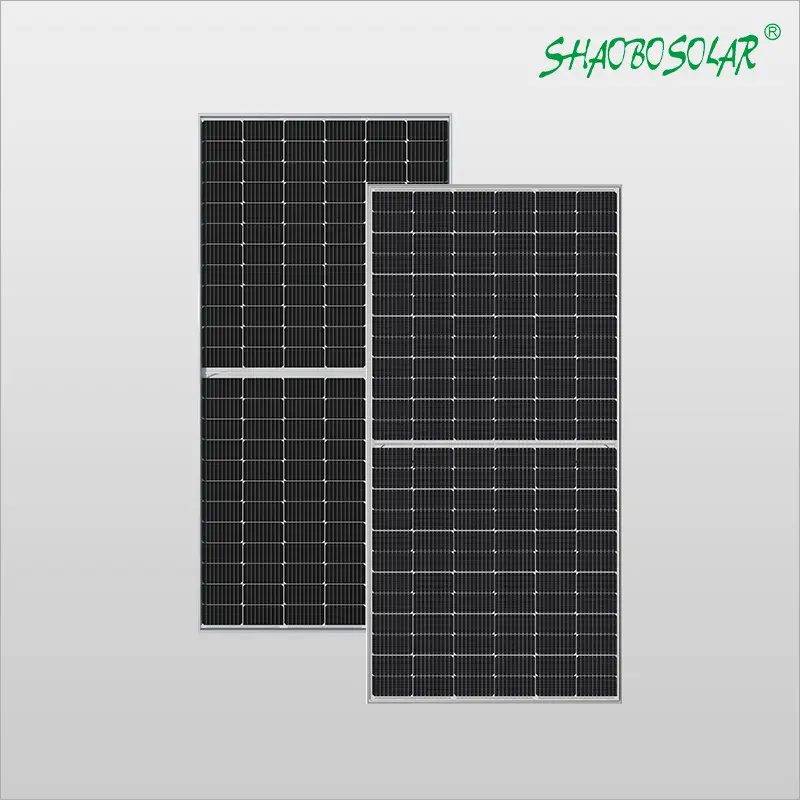
However, the challenge remains in the eastern regions where snow accumulation can obstruct solar panels. This has shifted the market demand toward high-tilt mounting systems and bifacial modules that can capture reflected light from snow-covered ground, increasing overall winter energy harvest.

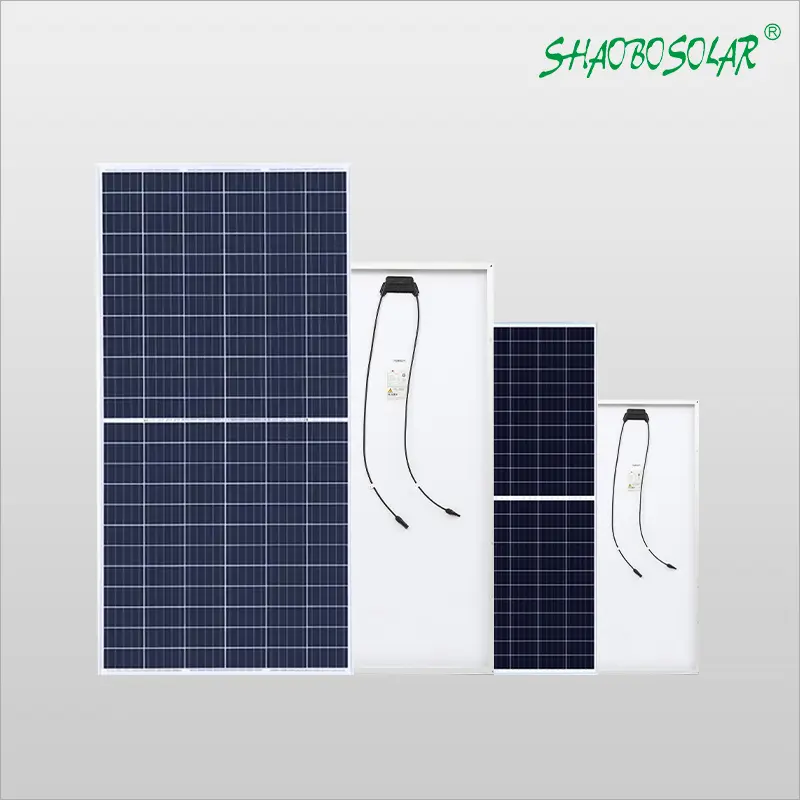
Economically, federal incentives and provincial net-metering programs have transformed the ROI landscape. Homeowners are increasingly moving away from budget-grade options toward a robust mono solar panel configuration to maximize limited roof space during shorter winter days.
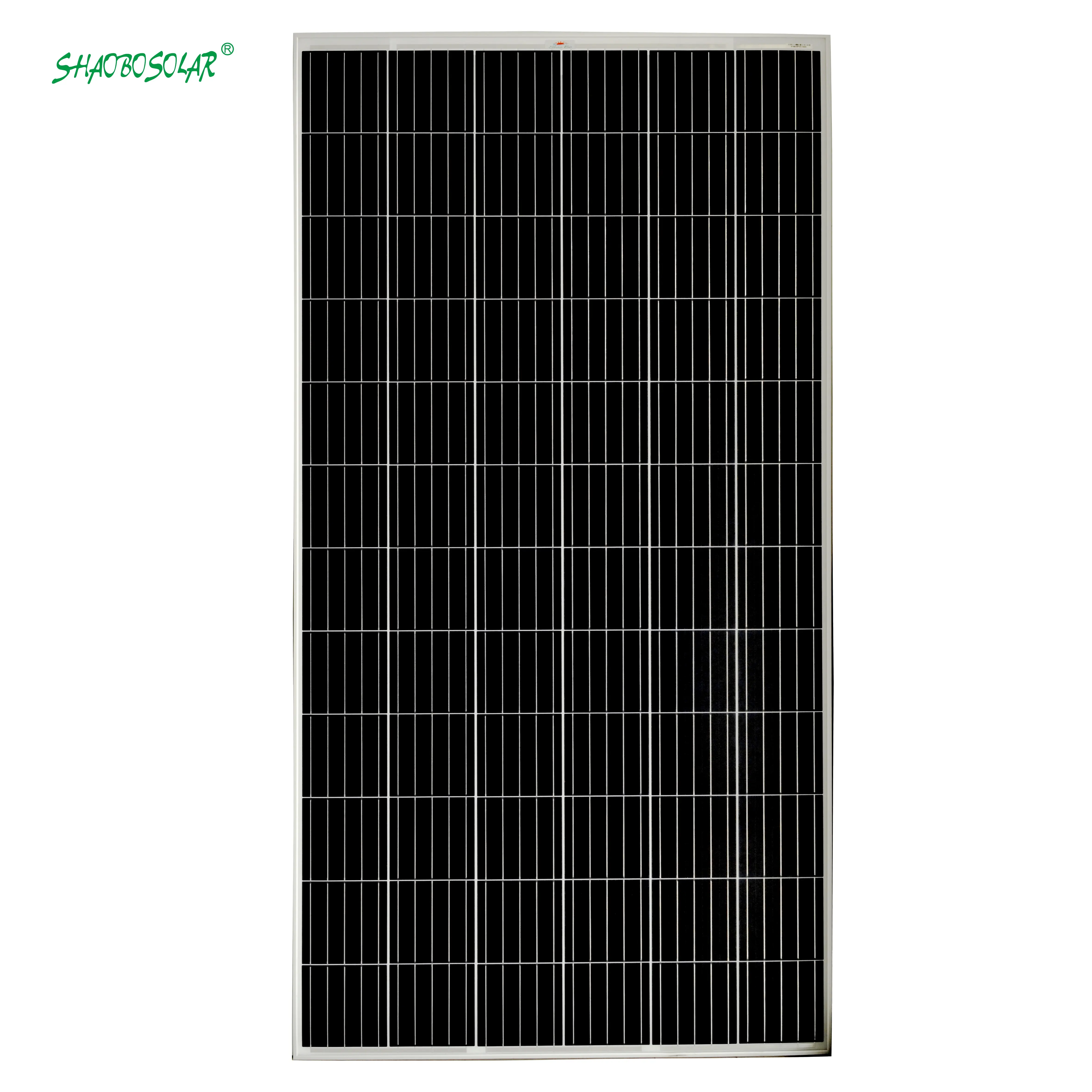
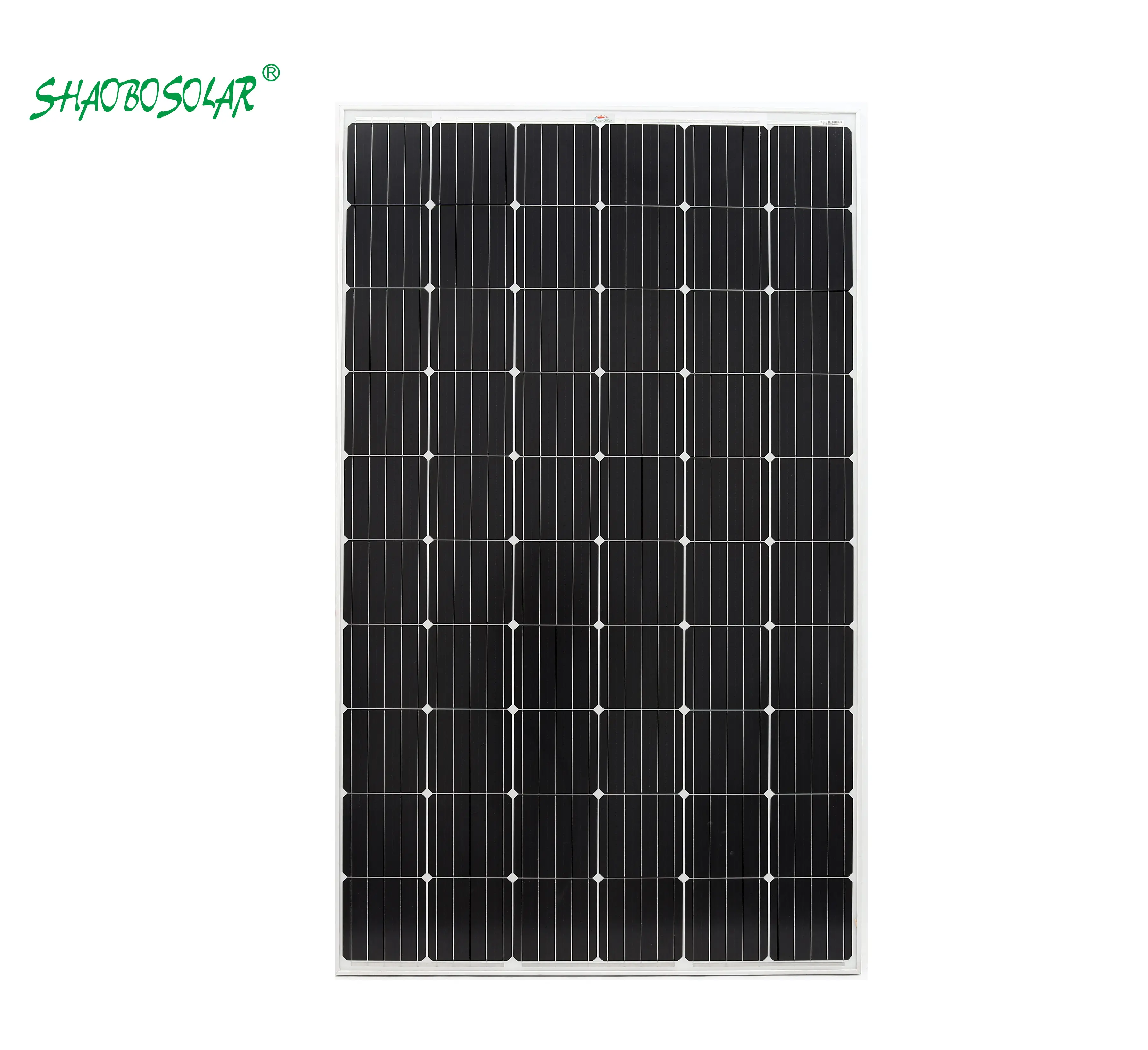
Evolution of Photovoltaic Technology in Canada

From basic energy capture to intelligent energy management.

Market Development History

In the early 2010s, the Canadian market was dominated by polycrystalline solar panel technology due to lower manufacturing costs, despite their lower efficiency and poorer performance in low-light conditions common in northern latitudes.

Between 2015 and 2020, a pivotal shift occurred as PERC (Passivated Emitter and Rear Cell) technology became mainstream. This transition allowed residential systems to produce significantly more power from the same footprint, making solar viable even in densely populated urban areas like Toronto and Vancouver.

By 2023, the integration of smart inverters and lithium-iron-phosphate (LiFePO4) storage has turned simple arrays into comprehensive energy hubs, allowing Canadians to store summer surpluses for winter peak usage.

Future Development Trends

N-Type TOPCon Dominance

We are seeing a rapid transition toward N-type cells, which offer lower degradation rates and higher bifaciality, critical for the harsh temperature swings of the Canadian prairies.

BIPV Integration

Building-Integrated Photovoltaics (BIPV) are moving from niche to norm, where solar materials are integrated directly into roofing shingles and facades to reduce installation costs.

AI-Driven Load Forecasting

Integration with AI to predict weather patterns and adjust battery discharge cycles will optimize energy autonomy for off-grid remote cabins in the Yukon and Northwest Territories.

Industry Trends & Future Outlook

Strategic directions for the next 3-5 years of solar energy in Canada.

High-Latitude Optimization
Developing modules specifically engineered for low-angle sunlight and high albedo effects from snow.
Hybrid Storage Synergy
Integrating solar with hydrogen fuel cells or advanced thermal storage for year-round energy security.
Circular Economy Mfg
Implementing closed-loop recycling for silicon and silver to reduce the environmental footprint of production.
Grid-Edge Intelligence
Deployment of Virtual Power Plants (VPPs) allowing Canadian homeowners to trade excess energy in real-time.

Industry Outlook

Based on current Google search trends in the North American region, there is a significant spike in "energy autonomy" and "off-grid living" queries. This suggests a transition from solar as a cost-saving measure to solar as a security measure, particularly in rural Canada.

The convergence of falling hardware costs and increasing carbon taxes will likely accelerate the adoption of high-efficiency monocrystalline systems, making them the default choice for 90% of new residential builds by 2027.

Localized Solar Applications in Canada

Real-world deployment scenarios tailored to Canadian geography.

1. Alberta Prairies Utility-Scale Farms

Utilizing bifacial modules to capture intense sunlight and snow reflection, providing high-yield energy for agricultural operations and grid stability.

2. Ontario Urban Residential Roofs

Maximizing limited space with high-wattage N-type cells to power HVAC systems during humid summers and heat pumps in winter.

3. British Columbia Coastal Off-Grid Cabins

Implementing hybrid systems with heavy-duty battery storage to ensure power continuity during rainy autumns and winter storms.

4. Quebec Industrial Warehouse Arrays

Large-scale rooftop installations focusing on reducing operational costs for logistics centers through net-metering.

5. Yukon Remote Community Microgrids

Replacing expensive diesel generators with robust solar arrays and thermal storage to provide sustainable heating and lighting.

Brand Story

Global Development History of Hebei Shaobo Photovoltaic Technology Co., Ltd.

Foundational Engineering

Established with a focus on solving the durability gap in photovoltaic cells, focusing on high-purity silicon refinement.

Technology Pivot

Shifted focus toward high-efficiency mono-PERC technology to meet the demands of the global energy transition.

Global Expansion

Entered the North American market, optimizing product specs for extreme weather conditions including heavy snow and high heat.

Innovation Milestone

Launched the next-generation N-type series, achieving record-breaking efficiency levels for residential applications.

Sustainability Leadership

Committed to carbon-neutral manufacturing, ensuring every panel produced contributes to a greener planet.

Complete Solar Product Portfolio for Canada

High-performance equipment engineered for North American regulatory standards and environmental challenges.

Canadian Solar Installation FAQ

Technical answers to common questions regarding photovoltaic deployment in Canada.

Do monocrystalline solar panels work in Canadian winters?

Yes, they do. In fact, photovoltaic cells are more efficient at lower temperatures. While sunlight hours are reduced in winter, the cold air helps maintain voltage stability in monocrystalline cells.

How do I choose between a mono solar panel and polycrystalline options?

For most Canadian homes, a mono solar panel is recommended due to higher efficiency and better performance in the low-light conditions typical of northern latitudes.

What is the average ROI for a house solar power system in Canada?

Depending on provincial incentives and electricity rates, most systems pay for themselves within 6 to 10 years through energy savings and net-metering credits.

Can snow accumulation damage my solar panels?

High-quality tempered glass panels are designed to withstand heavy snow loads. However, tilting panels at a steeper angle helps snow slide off naturally.

Are there specific certifications required for solar equipment in Canada?

Yes, equipment should typically be CSA or UL certified to ensure safety and compliance with the Canadian Electrical Code.

How much maintenance do residential solar arrays need?

Minimal maintenance is required. Periodic cleaning to remove dust or debris and annual inspections of the inverter and wiring are generally sufficient.

Ready to Transition to Clean Energy?

Our engineering team is ready to help you design the perfect solar array for your specific needs in Canada.

Contact Us Now

If you are interested in our products, you can choose to leave your information here, and we will be in touch with you shortly.