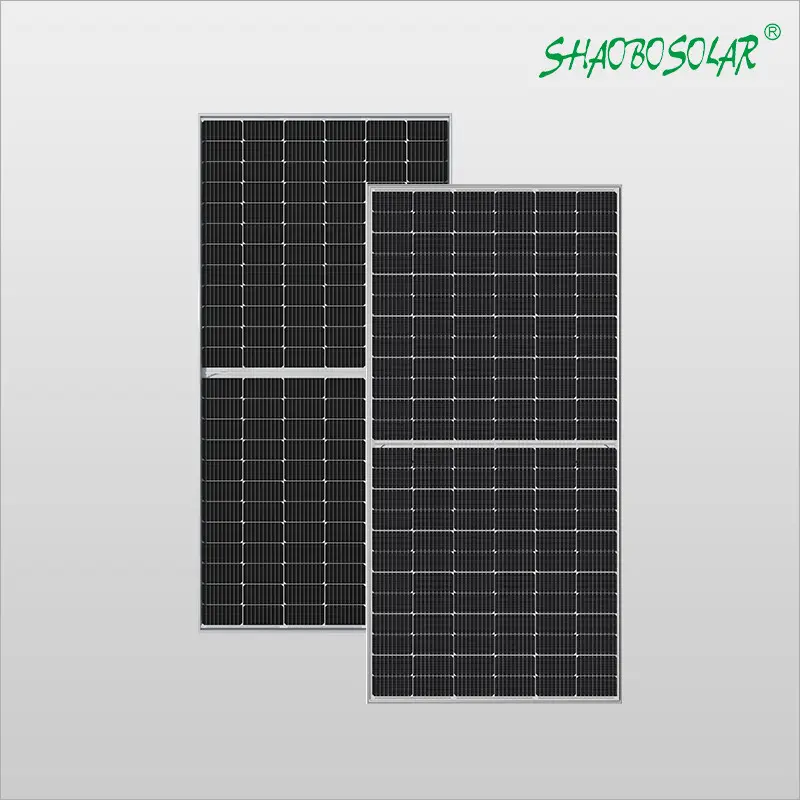
Advanced house solar power system Solutions for Angola

Advanced house solar power system Solutions for Angola

Advanced house solar power system Solutions for Angola

Empowering Angolan homes and industries with high-efficiency photovoltaic technology to overcome energy instability and harness abundant tropical sunlight.

Current Energy Landscape in Angola

Analyzing the transition from grid dependency to sustainable solar autonomy in the region.

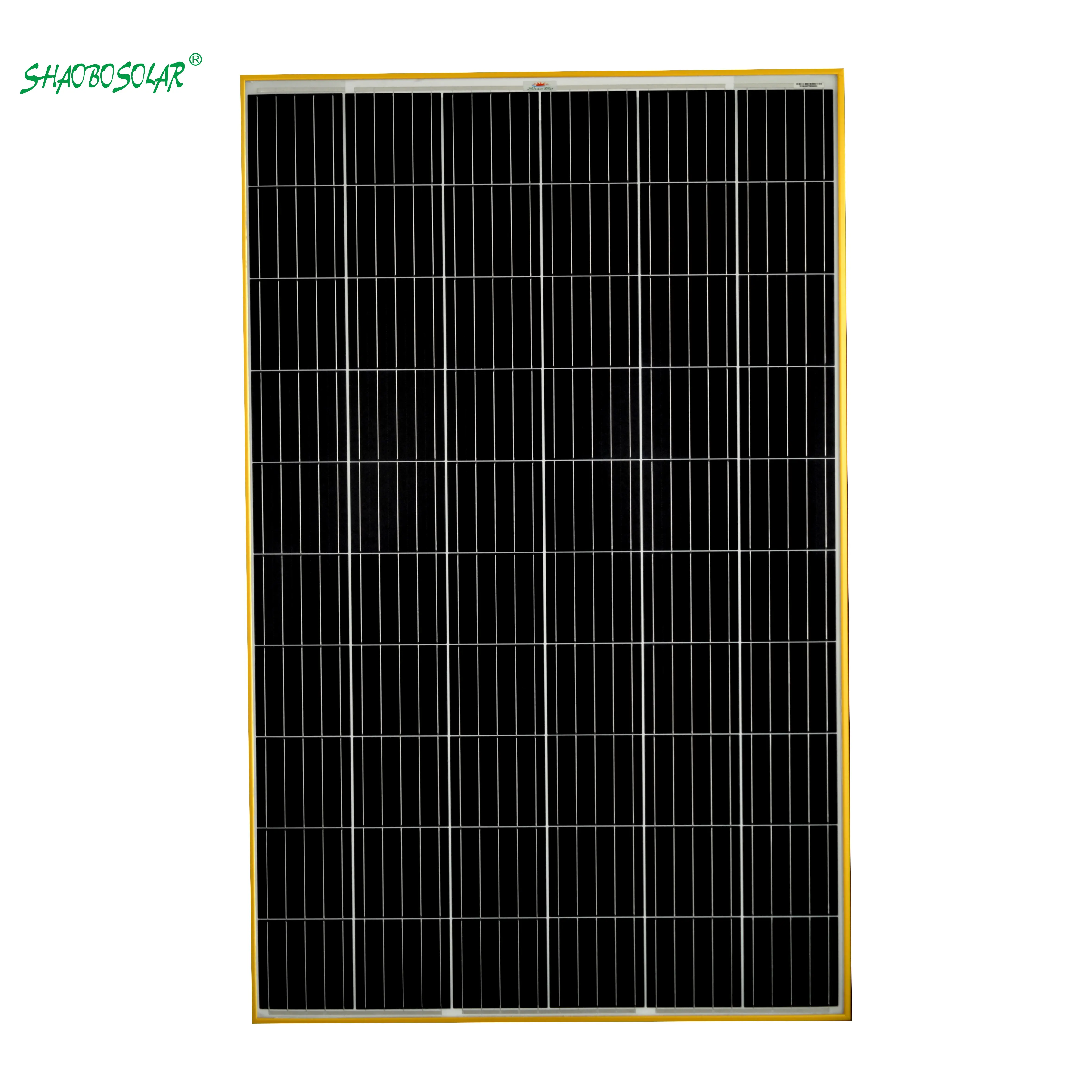
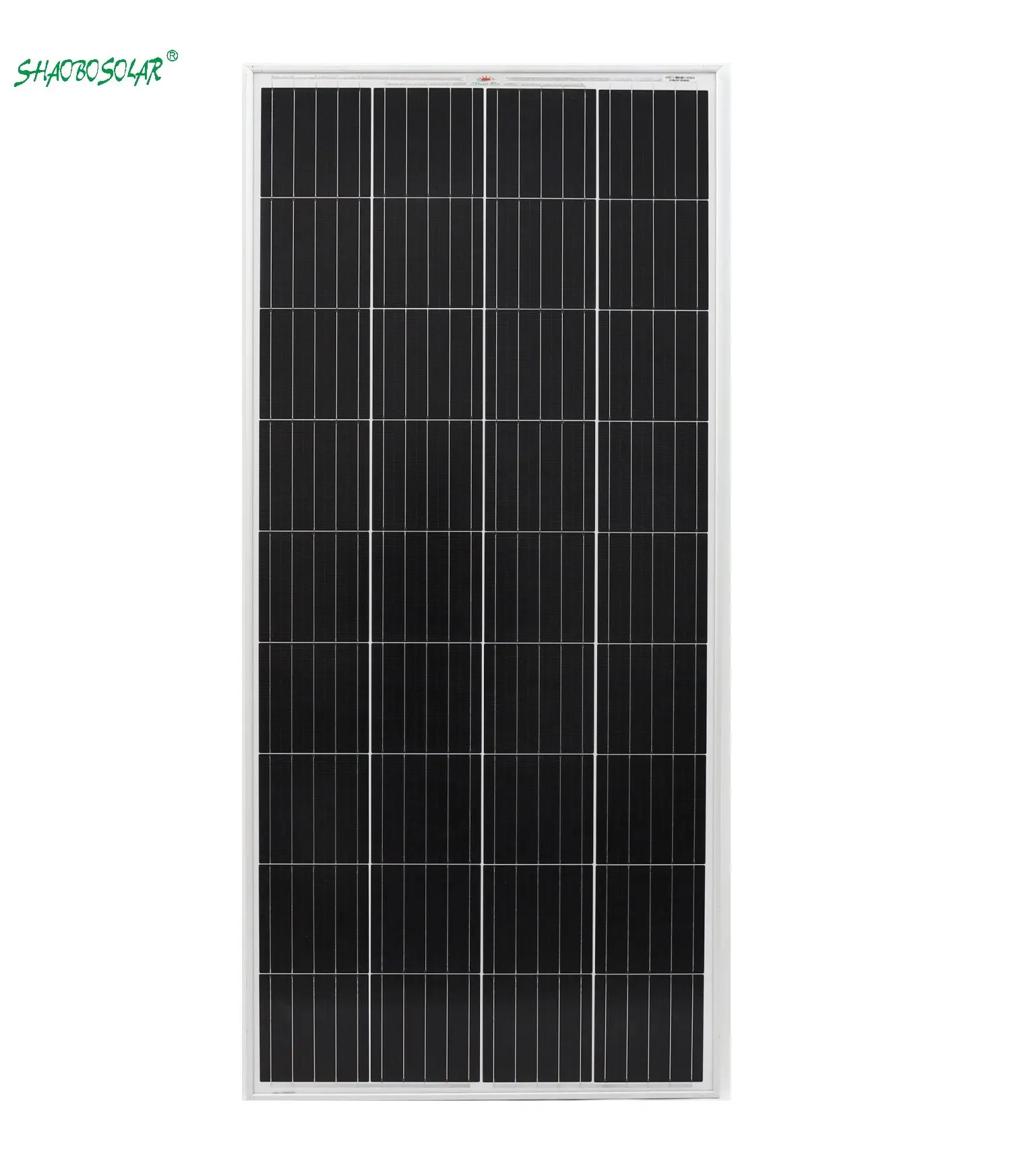
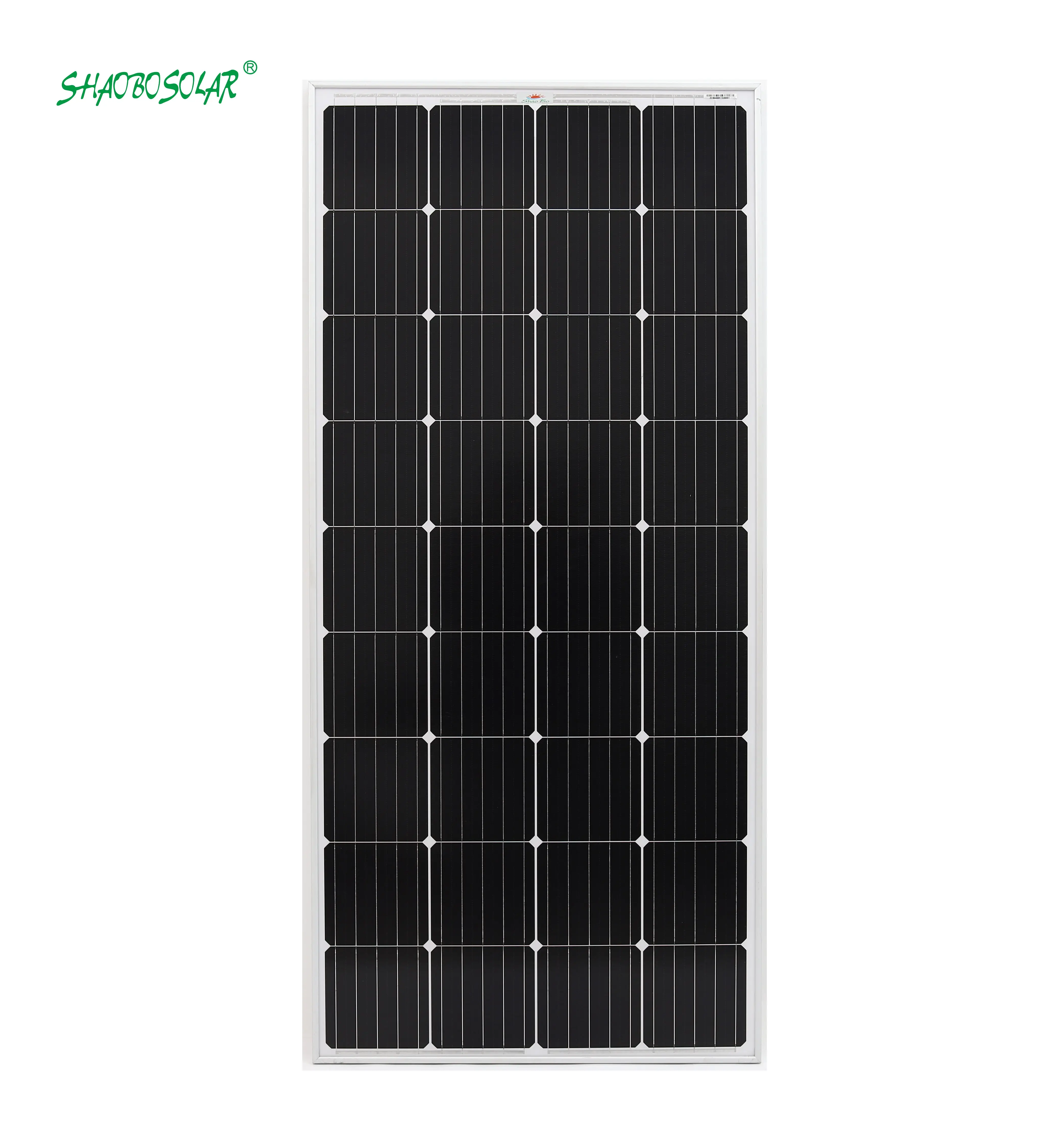
Angola possesses immense solar irradiation potential, yet many provinces still struggle with unstable grid access. The demand for monocrystalline solar panels has surged as residents seek reliable alternatives to diesel generators, especially in Luanda and Huambo.

The local market is currently shifting toward integrated storage systems. While initial adoption focused on basic lighting, there is now a strong trend toward comprehensive house solar power system installations that can support heavy appliances and commercial refrigeration.

Economic diversification efforts by the Angolan government are encouraging the adoption of polycrystalline solar panel options for large-scale rural electrification projects, balancing cost-efficiency with the need for rapid infrastructure deployment.
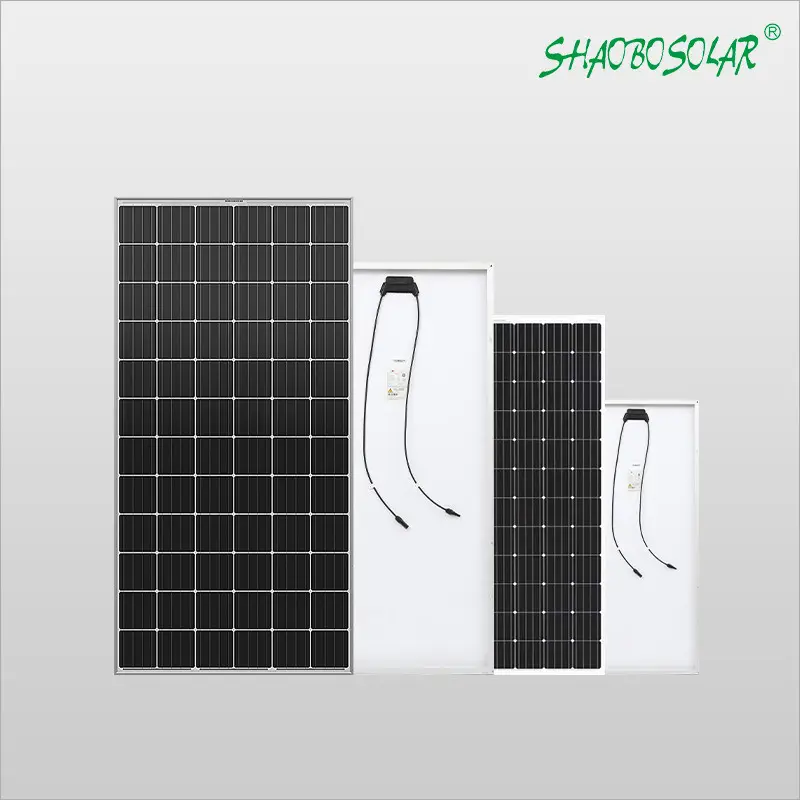
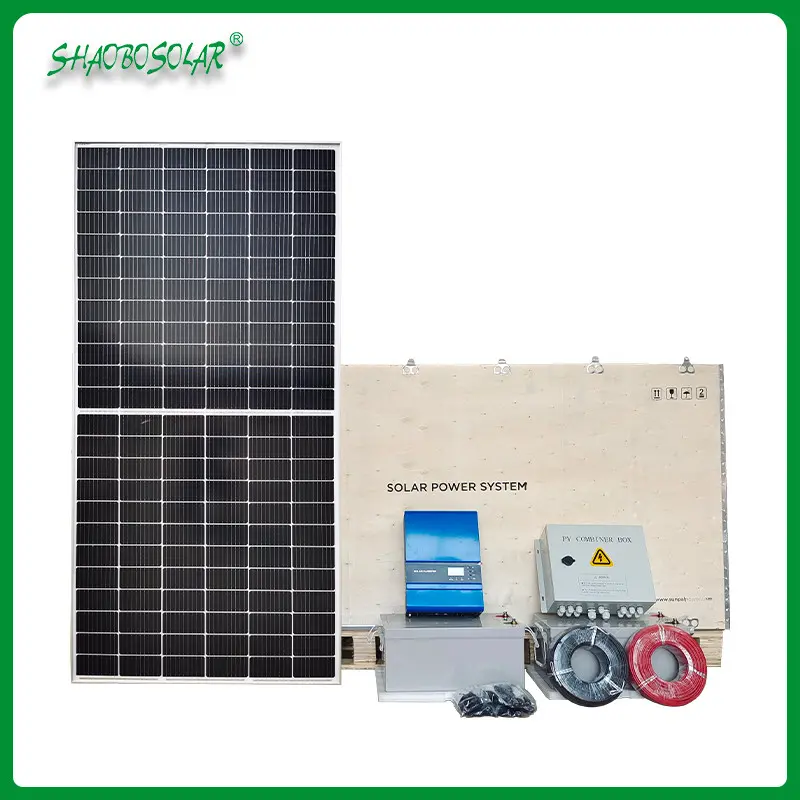
Evolution of Solar Technology in Angola

From basic photovoltaic cells to high-performance energy ecosystems.

Market Development History

Between 2010 and 2015, the Angolan market was dominated by small-scale, low-efficiency cells primarily used for basic off-grid lighting in remote villages, marking the first wave of solar adoption.

From 2016 to 2020, the introduction of the mono solar panel technology revolutionized the urban sector, allowing households to generate more power from limited roof space despite the high tropical heat.

Since 2021, the focus has transitioned to "Smart Energy," where AI-driven inverters and high-density lithium storage are paired with premium solar panels to ensure 24/7 power availability.

Future Development Trends

Bifacial Technology Integration

We predict a shift toward bifacial modules that capture sunlight from both sides, maximizing yield in Angola's sandy and reflective terrains.

Hybrid Micro-Grid Expansion

Integration of solar with wind and existing hydro assets to create resilient regional micro-grids for industrial zones.

N-Type Cell Dominance

The transition from P-type to N-type monocrystalline structures to reduce LID (Light Induced Degradation) under extreme UV exposure.

Industry Trends and Future Outlook

Strategic forecasting for the Angolan photovoltaic sector (2024-2029).

Increased Energy Density
Shift towards PERC and TOPCon cells to increase wattage per square meter for urban Angolan homes.
Smart Grid Integration
Implementation of IoT-based monitoring for remote management of solar arrays in the provinces.
Storage Cost Reduction
Falling LFP battery prices making full autonomy possible for average Angolan households.
Agricultural Solarization
Deployment of solar-powered irrigation systems to boost food security in rural Angola.

Industry Outlook

Based on Google search trends for "renewable energy Angola," we observe a 40% increase in queries related to home energy independence. This indicates a strong market pivot toward decentralized power.

The next five years will likely see the emergence of "Solar Hubs" in regional capitals, where integrated manufacturing and maintenance services for solar panels will lower the total cost of ownership for the end-user.

Localized Solar Applications in Angola

Practical implementations of PV technology across different Angolan environments.

01. Urban Residential Powering

Installing high-efficiency monocrystalline solar panels on rooftops in Luanda to eliminate dependence on unstable municipal grids.

02. Remote Health Clinics

Implementing standalone house solar power system architectures to power critical vaccine refrigerators in distant provinces.

03. Agro-Industrial Irrigation

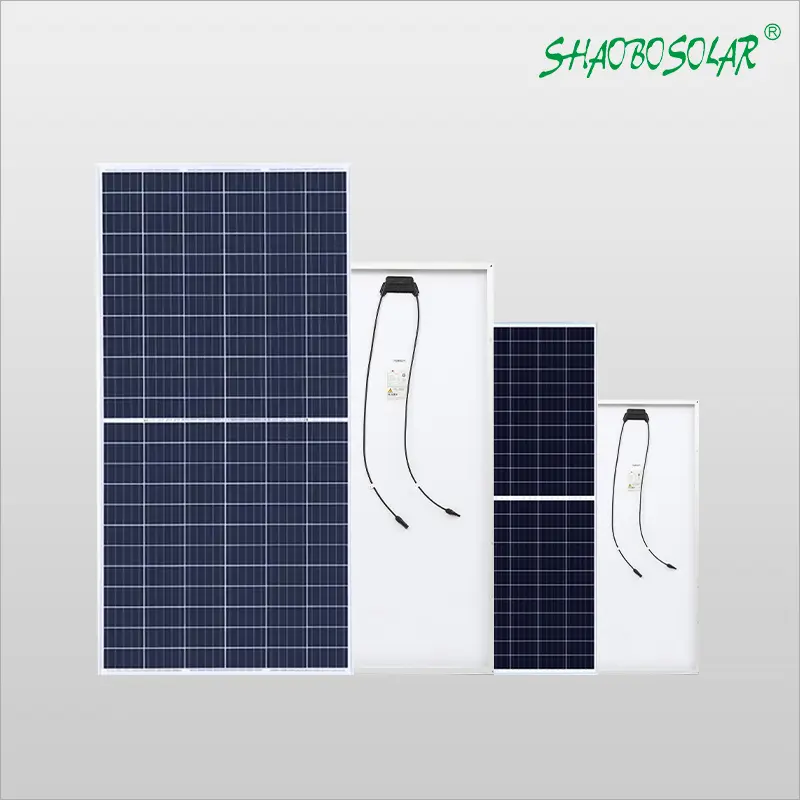
Using large-scale polycrystalline solar panel arrays to drive water pumps for sustainable farming in the Huíla plateau.

04. Telecommunication Base Stations

Hybrid solar-battery systems for cell towers in remote areas, ensuring constant connectivity through mono solar panel efficiency.

05. Small Business Electrification

Equipping kiosks and small shops with modular solar panels to provide lighting and charging services to the community.

Brand Story

Global Development Journey of Hebei Shaobo Photovoltaic Technology Co., Ltd.

Founding Vision

Established with the mission to solve energy poverty by manufacturing industrial-grade PV modules with unparalleled durability.

Technological Breakthrough

Pioneered advanced cell-slicing techniques to increase the efficiency of mono-crystalline wafers for extreme climates.

Global Expansion

Expanded logistics and support networks to Africa, ensuring high-quality equipment reaches the most remote regions of Angola.

Quality Standardization

Achieved international certifications to ensure every module withstands high humidity and temperature fluctuations.

Sustainability Commitment

Dedicated to a carbon-neutral future by providing affordable, long-life energy solutions for emerging economies.

Solar Energy FAQs for the Angolan Market

Expert answers to common questions about PV installations in Africa.

Which is better for Angola, monocrystalline or polycrystalline solar panels?

Monocrystalline panels are generally better for urban areas with limited space due to higher efficiency, while polycrystalline options are cost-effective for large rural installations.

How much power does a standard house solar power system need in Luanda?

Depending on usage, a 3kW to 5kW system is typically sufficient for a medium-sized home to power lighting, refrigeration, and electronics.

Do mono solar panel systems work well in high tropical heat?

Yes, modern high-grade mono panels are designed with low temperature coefficients to maintain efficiency even in Angola's hottest months.

What is the average lifespan of solar panels in coastal Angolan regions?

With proper salt-mist corrosion protection, our professional panels typically last 25 years with a minimal decline in output.

Can I upgrade my existing polycrystalline solar panel setup to a hybrid system?

Yes, by adding a hybrid inverter and lithium storage batteries, you can transform a basic array into a fully autonomous energy system.

What maintenance is required for solar panels in dusty Angolan environments?

Regular cleaning of the panel surface to remove dust and debris is essential to ensure maximum light absorption and system efficiency.

Get Your Custom Solar Quote Today

Ready to transition to clean energy? Our experts are available to design the perfect system for your needs in Angola.

Contact Us Now

If you are interested in our products, you can choose to leave your information here, and we will be in touch with you shortly.