The global transition toward sustainable energy has accelerated the demand for high-efficiency power generation, making the 410 watt solar panel a pivotal component in modern energy infrastructure. As cities and industries strive to reduce carbon footprints, this specific power rating offers an ideal balance between physical footprint and energy yield, allowing for scalable installations in both residential and commercial sectors.
Understanding the technical nuances of a 410 watt solar panel is essential for engineers and homeowners alike to maximize Return on Investment (ROI). By leveraging advanced monocrystalline cell technology, these panels convert sunlight into electricity with higher efficiency than previous generations, effectively addressing the challenge of limited roof space in urban environments.
Beyond mere electricity generation, the adoption of the 410 watt solar panel represents a shift toward energy independence and grid resilience. By integrating these modules into a comprehensive solar system, users can mitigate the rising costs of utility power while contributing to a global movement of decarbonization and environmental stewardship.
The Technical Definition of a 410 Watt Solar Panel
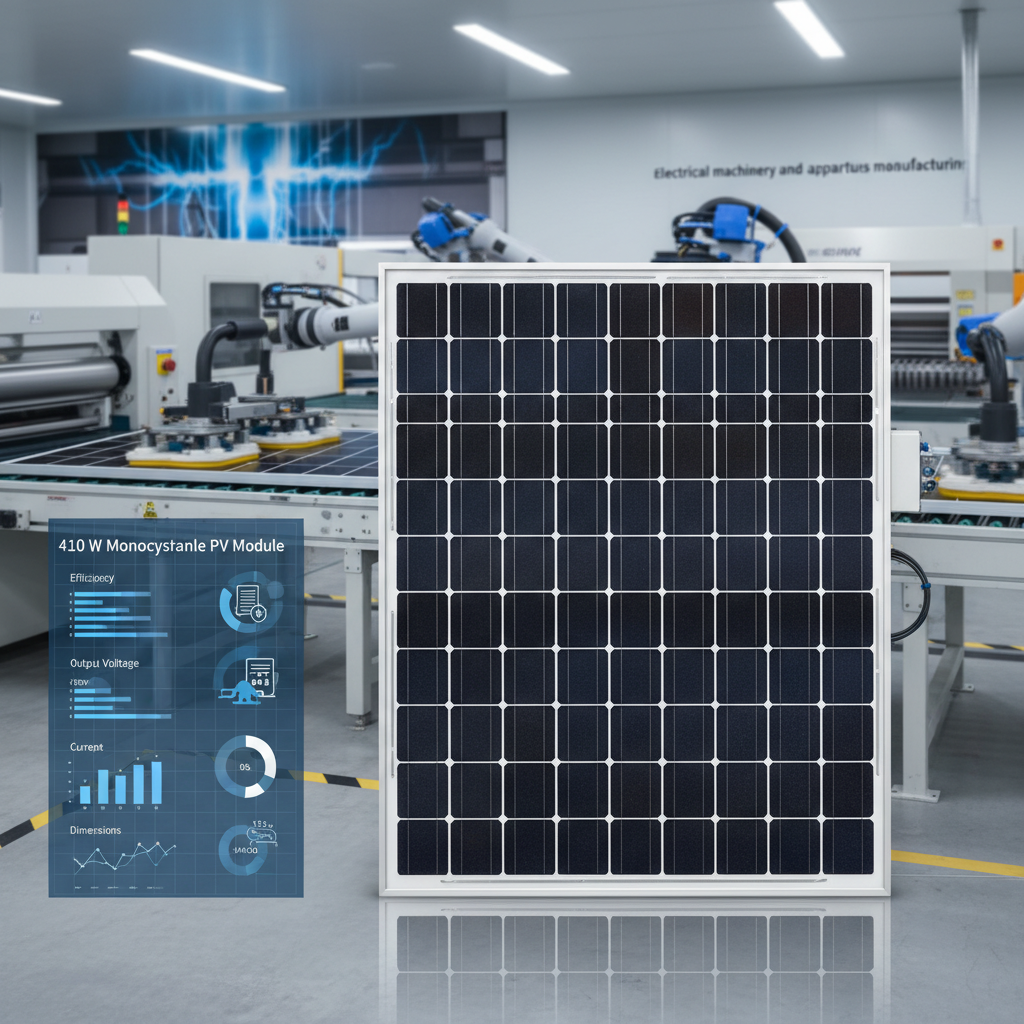
A 410 watt solar panel is a photovoltaic (PV) module engineered to produce a peak output of 410 watts under Standard Test Conditions (STC). This typically involves a specific arrangement of high-purity monocrystalline silicon cells, which are prized for their ability to capture a broader spectrum of sunlight and maintain performance in warmer climates compared to polycrystalline alternatives.
In the context of modern energy needs, this wattage represents a "sweet spot" for residential installations. It allows for a significant reduction in the total number of panels required to meet a household's energy demand, thereby reducing installation labor costs and simplifying the structural load on rooftops while maintaining a high energy density.
Core Components and Engineering Excellence
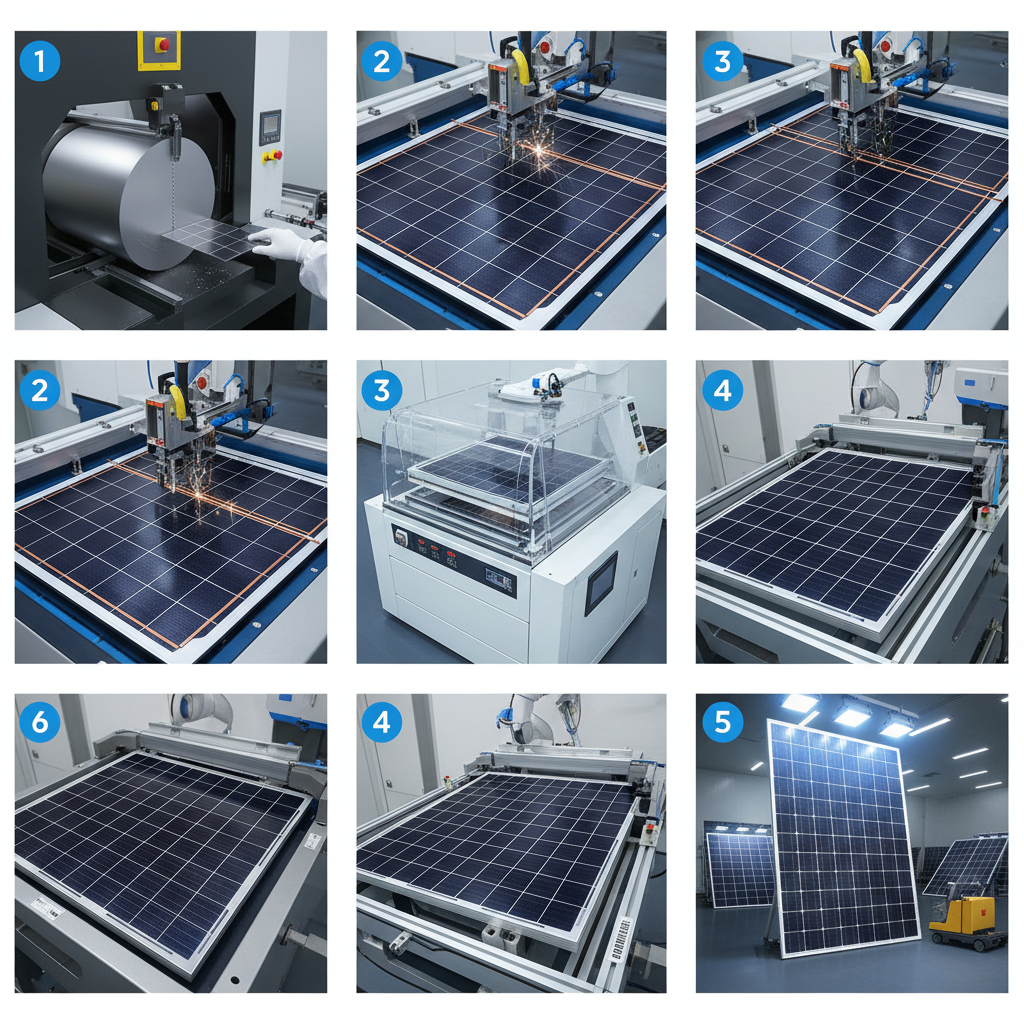
The efficiency of a 410 watt solar panel begins with the silicon wafer. Most high-performance panels in this category utilize PERC (Passivated Emitter and Rear Cell) technology, which adds a passivation layer to the back of the cell to reflect unabsorbed light back through the silicon, increasing the likelihood of electron generation.
Durability is ensured through the use of tempered anti-reflective glass and a high-grade aluminum frame. These materials protect the delicate cells from hail, wind loads, and moisture ingress, ensuring that the panel maintains its rated 410W output over a lifespan that often exceeds 25 years, provided proper maintenance is observed.
Finally, the integration of half-cut cell technology often distinguishes premium 410W modules. By splitting each cell in half, the internal electrical current is reduced, which lowers resistive losses and improves performance during partial shading—a common issue in complex rooftop environments.
Key Performance Factors for Maximum Yield
When evaluating a 410 watt solar panel, the temperature coefficient is a critical metric. Since solar panels lose efficiency as they heat up, a lower temperature coefficient ensures that the panel continues to produce near its rated capacity even during the peak of summer.
The conversion efficiency of a 410 watt solar panel typically ranges between 20% and 22%. This means that for every square meter of sunlight hitting the surface, a significant portion is successfully converted into usable DC electricity, making it highly suitable for space-constrained projects.
Degradation rates also play a vital role in long-term value. A high-quality 410 watt solar panel will typically feature a linear power warranty, guaranteeing that the output will not drop below 80-85% of its original capacity after two and a half decades of exposure.
Global Applications and Versatile Use Cases
The 410 watt solar panel is deployed globally across diverse environments. In residential suburbs of North America and Europe, these panels are the standard for homeowners looking to achieve net-zero energy status, providing enough power to run high-load appliances like air conditioners and electric vehicle chargers.
In remote industrial zones or agricultural settings, such as solar-powered irrigation systems in Southeast Asia, the 410W module provides a reliable, off-grid power source. Its ability to be easily scaled into larger arrays makes it an ideal choice for telecommunications towers and remote weather stations where grid extension is physically or economically impossible.
Performance Comparison of 410 Watt Solar Panel Configurations
Long-Term Economic and Environmental Value
Investing in a 410 watt solar panel offers a compelling financial logic. By increasing the wattage per panel, the "soft costs" of installation—such as permitting, labor, and racking—are spread across a higher energy yield, effectively lowering the cost per watt of the overall system.
From an environmental perspective, the lifecycle carbon footprint of these panels is remarkably low. After a short energy payback period of 1-2 years, a 410W system provides clean, emission-free electricity for decades, directly reducing the reliance on fossil-fuel-based power plants and combating global warming.
Future Trends in High-Wattage Photovoltaics
The evolution of the 410 watt solar panel is leading toward the integration of N-type TOPCon (Tunnel Oxide Passivated Contact) cells. This technology further reduces recombination losses and enhances the bifaciality of the panels, allowing them to capture sunlight from both the front and back surfaces.
Digital transformation is also playing a role, with the emergence of "smart" panels. Future iterations of the 410W module may include integrated micro-inverters and IoT sensors that provide real-time performance data, allowing for automated maintenance and predictive failure analysis via cloud platforms.
Furthermore, the industry is moving toward circular economy principles. Future 410 watt solar panel designs are focusing on "design-for-recycling," ensuring that the silicon, glass, and aluminum can be reclaimed efficiently at the end of the product's life cycle.
Overcoming Deployment Challenges and Solutions
One common challenge with the 410 watt solar panel is the physical size and weight, which can be daunting for certain roof types. The solution lies in advanced structural engineering and the use of lightweight mounting systems that distribute the load evenly across the roof rafters.
Another hurdle is the intermittency of solar energy. To solve this, 410W arrays are increasingly paired with lithium-iron-phosphate (LiFePO4) battery storage systems. This synergy allows users to store excess energy generated during the day for use at night, maximizing the utility of every watt produced.
Finally, shading from nearby trees or buildings can significantly drop the output of a traditional string inverter system. By implementing MLPE (Module-Level Power Electronics) such as optimizers, each 410 watt solar panel can operate independently, ensuring that one shaded panel does not drag down the performance of the entire array.
Comparative Analysis of 410 Watt Solar Panel Deployment Factors
| Deployment Metric |
Residential Impact |
Commercial Impact |
Performance Score (1-10) |
| Installation Speed |
Fast (Fewer Panels) |
Moderate (Large Scale) |
9 |
| Space Efficiency |
Very High |
High |
10 |
| Initial ROI |
Moderate |
High |
8 |
| Grid Integration |
Simple |
Complex |
7 |
| Durability |
Excellent |
Excellent |
9 |
| Maintenance Need |
Low |
Moderate |
8 |
FAQS
The number of panels depends on your monthly electricity consumption. For an average home using 900 kWh per month in a sunny region, you would likely need between 15 to 22 of the 410 watt solar panel modules to cover 100% of your energy needs. It is always recommended to consult with a professional installer to account for local weather and roof orientation.
Yes, the 410 watt solar panel can still generate electricity on cloudy days, though the output will be significantly lower than on a clear day. Monocrystalline panels are generally better at capturing diffuse light, meaning they will continue to produce power, albeit at a reduced efficiency, during overcast weather.
A 410 watt solar panel in monocrystalline form is typically more efficient and has a sleeker black appearance, performing better in low-light conditions. Polycrystalline panels are often cheaper but require more space to achieve the same 410W output and tend to have lower efficiency in hot climates.
Depending on local electricity rates and available government incentives, the payback period for a system utilizing the 410 watt solar panel typically ranges from 5 to 9 years. After this period, the electricity produced is essentially free for the remainder of the panel's 25+ year lifespan.
You need an inverter that is compatible with the voltage and current specifications of your 410 watt solar panel. Most modern string inverters or micro-inverters are designed to handle this wattage, but it is crucial to ensure the inverter's maximum input current matches the panel's specifications to avoid clipping.
While highly efficient, a 410 watt solar panel is usually larger than traditional "flexible" panels. However, if you have the roof space, they are an excellent choice for RVs and boats because they provide significantly more power per square inch, allowing you to charge larger battery banks faster.
Conclusion
The 410 watt solar panel stands as a cornerstone of the modern energy transition, blending high-efficiency silicon technology with robust engineering to deliver consistent, sustainable power. From its ability to maximize limited rooftop space to its long-term economic viability, this specific power rating provides a scalable solution for residential, commercial, and remote industrial applications worldwide.
As we look toward a future of smarter grids and carbon neutrality, investing in high-quality photovoltaic modules is no longer just an environmental choice, but a strategic financial one. We encourage you to evaluate your energy needs and consider how integrating these high-efficiency panels can lead to energy independence. Visit our website: www.shaobosolar.com