
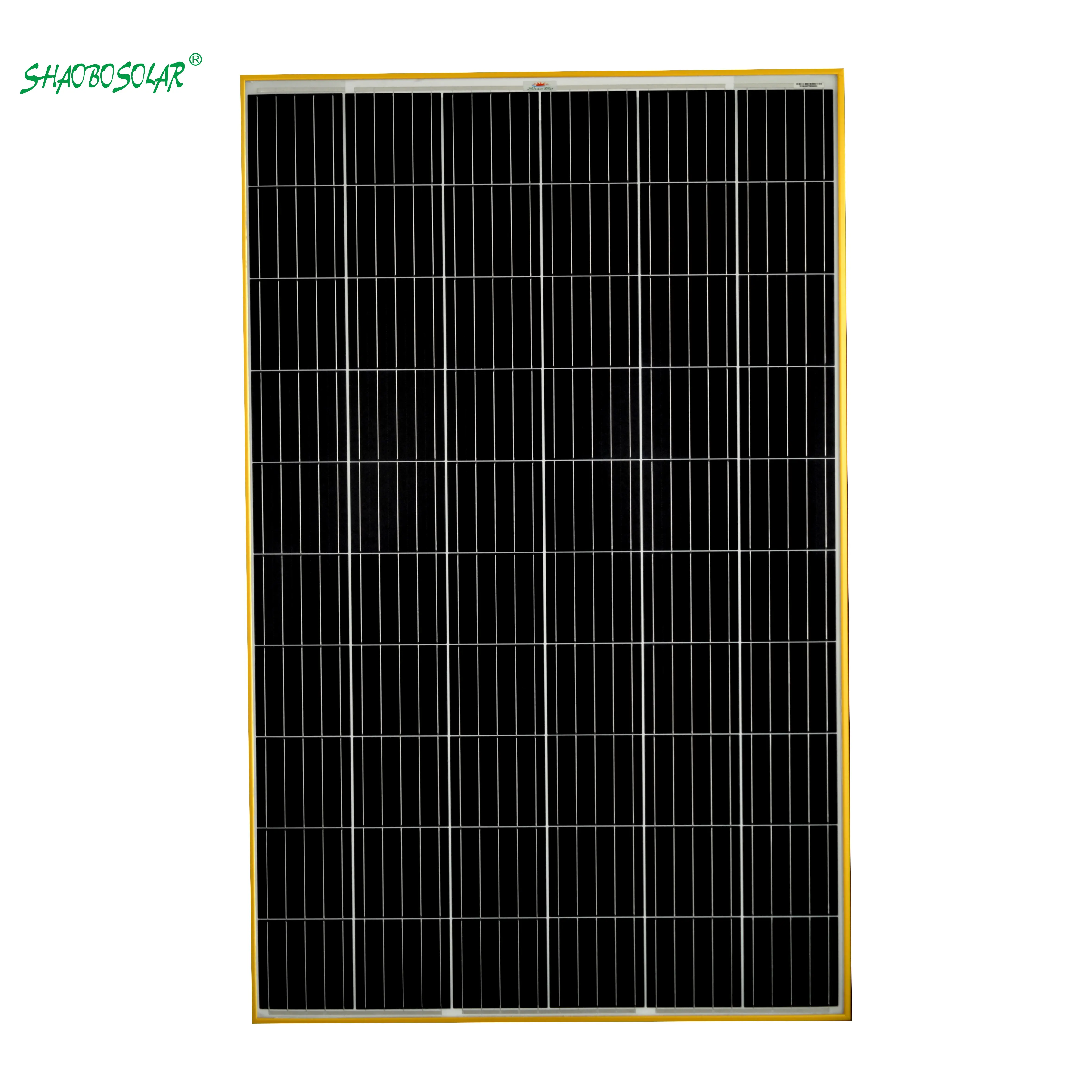
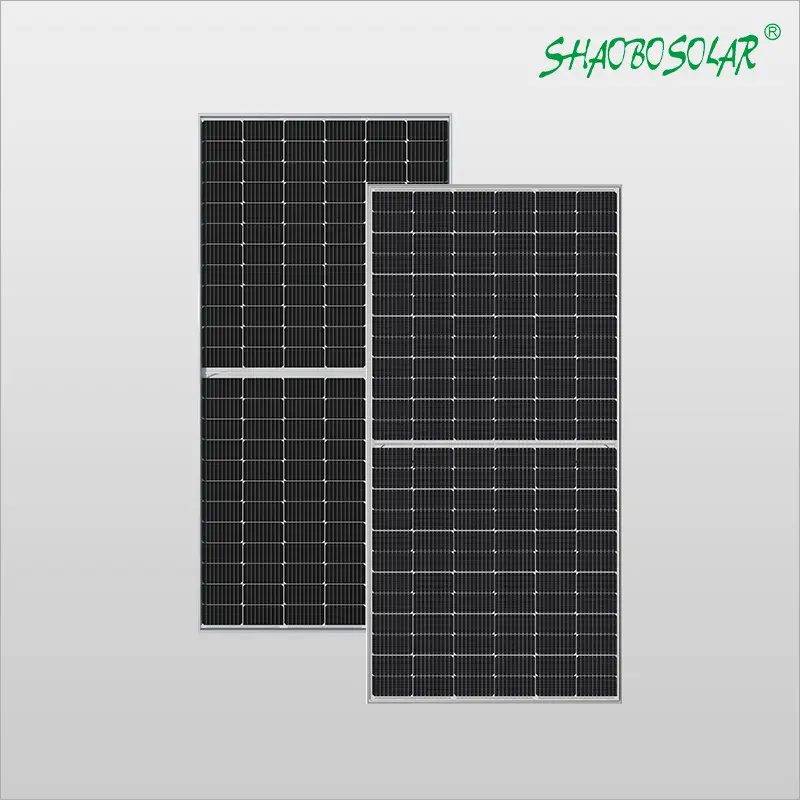
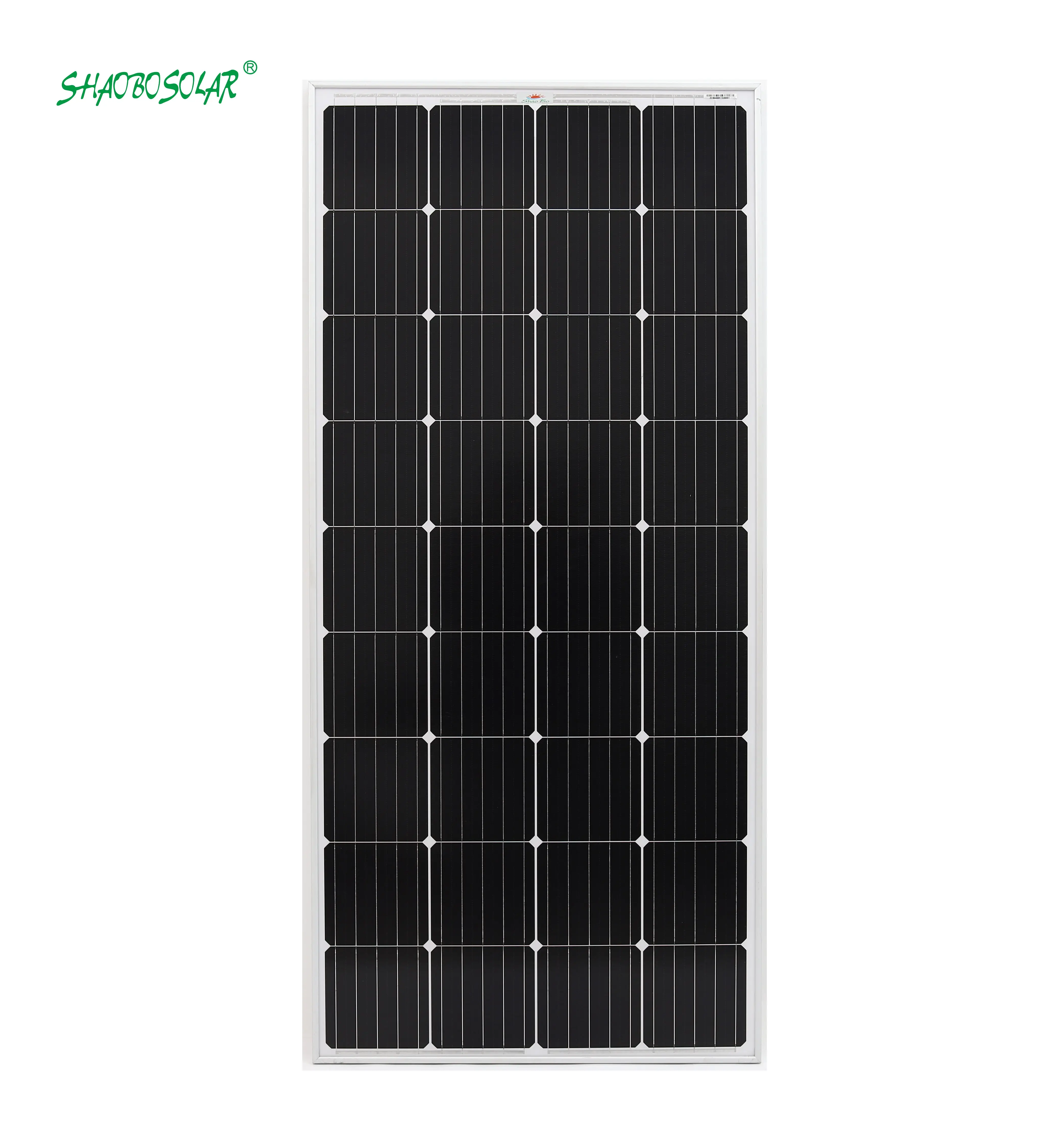
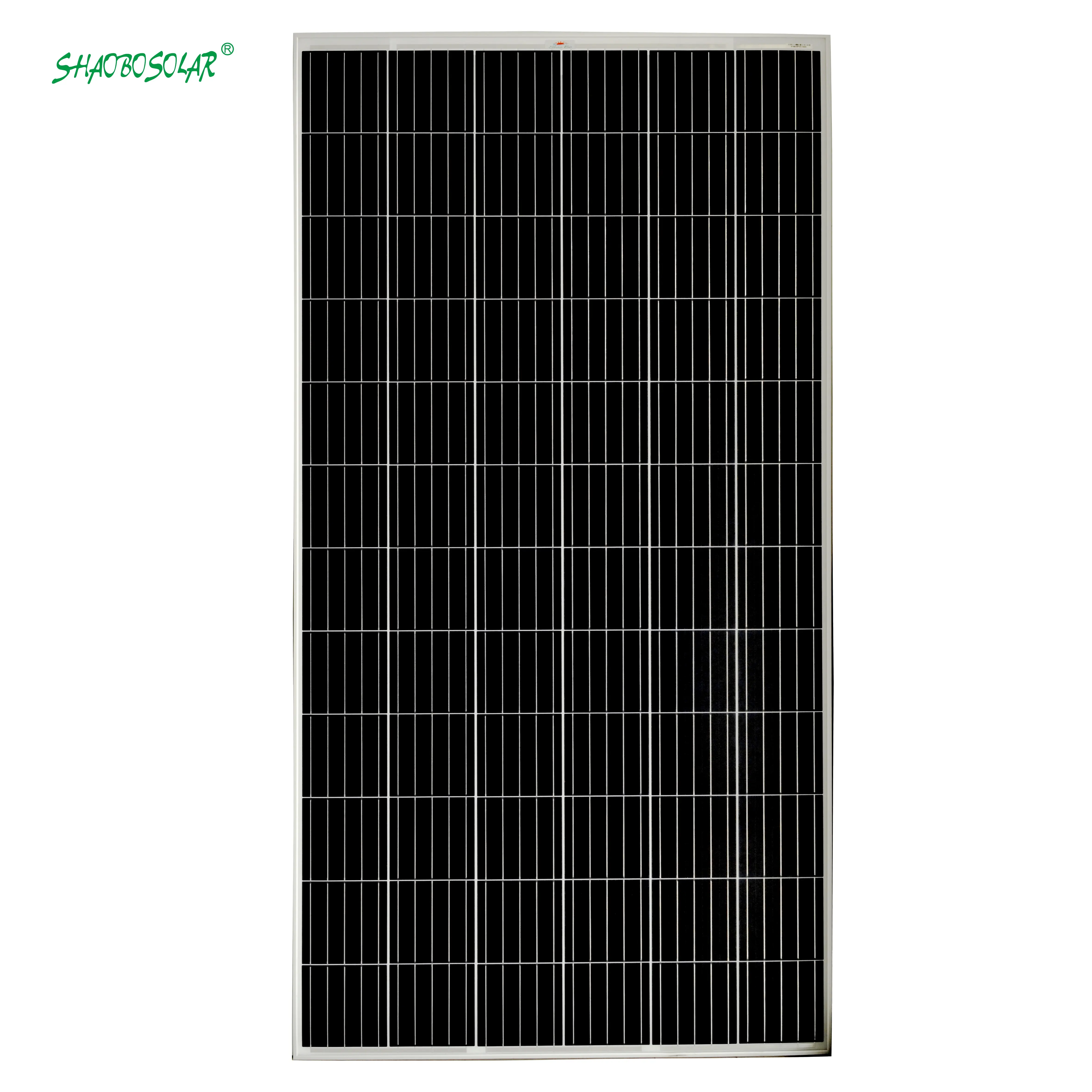
Advanced monocrystalline solar panels Solutions for Israel

Advanced monocrystalline solar panels Solutions for Israel

Advanced monocrystalline solar panels Solutions for Israel

Maximizing energy yield in the Levant with high-efficiency photovoltaic technology tailored for the Israeli climate.

Advanced monocrystalline solar panels Solutions for Israel

Providing high-performance solar energy components designed to withstand high thermal stress and maximize irradiance capture across Israel's diverse geography.

Solar Energy Landscape in Israel

Analyzing the integration of photovoltaic systems within the Mediterranean and desert climates.

Israel possesses one of the highest solar irradiance levels globally, particularly in the Negev desert. However, the proliferation of solar panels faces unique challenges, including extreme heat degradation and dust accumulation (soiling), which can significantly reduce efficiency if not managed by advanced module engineering.

The Israeli market has transitioned from small-scale government projects to widespread private adoption. There is a surging demand for a robust house solar power system as electricity costs rise and the national grid seeks to integrate more renewable sources to reduce dependency on imported fuels.

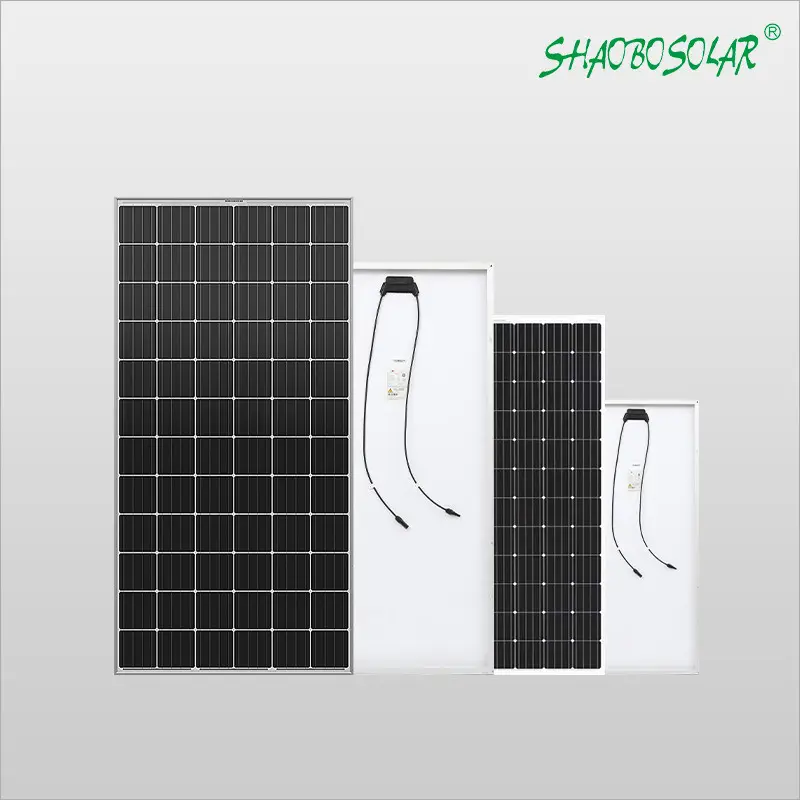
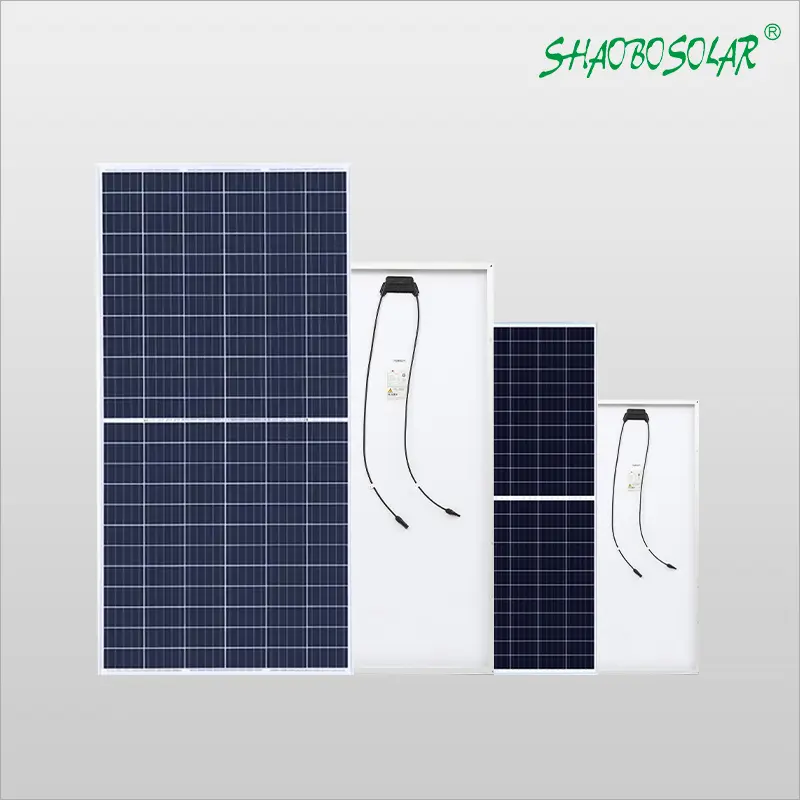
Current trends show a clear preference for high-efficiency cells. While polycrystalline solar panel options were common in early utility-scale farms due to lower costs, the market is now shifting toward premium technologies that offer better temperature coefficients to handle the intense Middle Eastern summer.
Evolution and Trajectory of PV Technology

From basic silicon wafers to high-density mono-PERC and TopCon technologies.

Market Development History

Between 2000 and 2010, the Israeli solar sector relied heavily on basic polycrystalline cells, which served early experimental farms but struggled with efficiency in high-temperature environments.

From 2011 to 2020, the industry saw a massive shift toward the mono solar panel. The introduction of PERC (Passivated Emitter and Rear Cell) technology allowed for significantly higher energy conversion rates in limited roof spaces.

Since 2021, the focus has moved toward N-type cells and Bifacial modules, allowing energy capture from both sides, which is particularly effective in the sandy terrains of the south.

Future Development Trends

Integration of AI-Driven Tracking

Moving toward smart trackers that adjust panel angles in real-time to optimize the angle of incidence, reducing the impact of heat islands.

HJT and TopCon Dominance

The transition to Heterojunction (HJT) technology to achieve efficiency ratings above 24%, minimizing energy loss during peak summer hours.

BIPV Integration

Integrating solar cells directly into building materials for urban areas like Tel Aviv, where traditional roof space is scarce.

Future Trends and Strategic Outlook

Predicting the next 5 years of photovoltaic innovation in the Israeli market.

High-Temperature Resilience
Developing cells with lower temperature coefficients to maintain peak power during 40°C+ Israeli summers.
Smart Storage Integration
Combining PV arrays with lithium-iron-phosphate (LFP) batteries for complete energy independence in residential areas.
Anti-Soiling Coatings
Implementation of hydrophobic nanocoatings to reduce water consumption for panel cleaning in arid regions.
Grid-Interactive VPPs
Developing Virtual Power Plants where decentralized residential systems stabilize the national grid.

Industry Outlook

Based on current search trends, there is a significant spike in interest for integrated home energy management. The synergy between high-efficiency modules and smart inverters will drive the next wave of adoption.

We anticipate that within 3-5 years, the standard for new Israeli constructions will shift toward mandatory solar readiness, favoring N-type mono-crystalline technologies due to their superior lifespan and efficiency.

Localized Solar Applications in Israel

Real-world implementation strategies for diverse Israeli environments.

1. Residential Rooftops in Tel Aviv

Utilizing high-density mono-crystalline cells to maximize energy harvest from limited urban roof footprints, integrating with smart meters for net-metering.

2. Agricultural Irrigation in the Negev

Deploying large-scale arrays to power water desalination and drip irrigation systems, leveraging bifacial technology to capture light reflected from sandy soil.

3. Off-Grid Kibbutz Installations

Implementing a full house solar power system with large-scale battery storage to ensure energy security for remote community facilities.

4. Industrial Warehouses in Haifa

Installation of durable, weather-resistant modules on flat industrial roofs to reduce operational costs and meet corporate ESG targets.

5. Remote Monitoring Stations in the Dead Sea

Using specialized, corrosion-resistant photovoltaic components to withstand the extreme salinity and heat of the lowest point on Earth.

Brand Story

Global Development Journey of Hebei Shaobo Photovoltaic Technology Co., Ltd.

Founding Vision

Established with the mission to democratize high-efficiency energy, focusing on solving the degradation issues of early-stage silicon cells.

Technical Breakthrough

Perfected the manufacturing process for mono-PERC cells, significantly increasing the conversion efficiency for residential applications.

Global Expansion

Expanded operations to the Middle East and Asia, tailoring product specifications to withstand extreme heat and arid conditions.

Sustainability Leadership

Implemented a closed-loop manufacturing system to reduce the carbon footprint of each solar module produced.

Future Horizon

Investing in TopCon and Perovskite research to lead the next generation of ultra-high-efficiency photovoltaic energy.

Israel Solar Energy FAQ

Expert answers to the most common questions regarding solar installation in Israel.

Which are the best monocrystalline solar panels for hot climates?

Panels with a low temperature coefficient are best. Our N-type mono-crystalline modules are engineered to minimize power loss as temperatures rise, making them ideal for the Israeli summer.

How does a house solar power system handle dust in the Negev?

Dust accumulation can reduce output by 20%. We recommend using anti-soiling coated panels and implementing a regular dry-cleaning schedule to maintain peak efficiency.

Is a polycrystalline solar panel still viable for Israeli utility farms?

While cost-effective, poly panels have lower efficiency and higher heat sensitivity. Most new projects have transitioned to mono-crystalline for better ROI over 25 years.

What is the average lifespan of a mono solar panel in the Mediterranean?

Our premium mono-crystalline modules are rated for 25-30 years, with a guaranteed linear power output of 80% or more at the end of the warranty period.

Can I integrate battery storage with my existing solar panels?

Yes, by adding a hybrid inverter and a compatible battery bank, you can store excess daytime energy for use at night, increasing your self-sufficiency.

What permits are required for residential solar in Israel?

Requirements vary by municipality. Generally, you need structural approval for the roof and an interconnection agreement with the local electric company.

Ready to Transition to Clean Energy?

Our engineers are ready to design the perfect photovoltaic solution for your project in Israel. Contact us for a technical consultation.

Contact Us Now

If you are interested in our products, you can choose to leave your information here, and we will be in touch with you shortly.