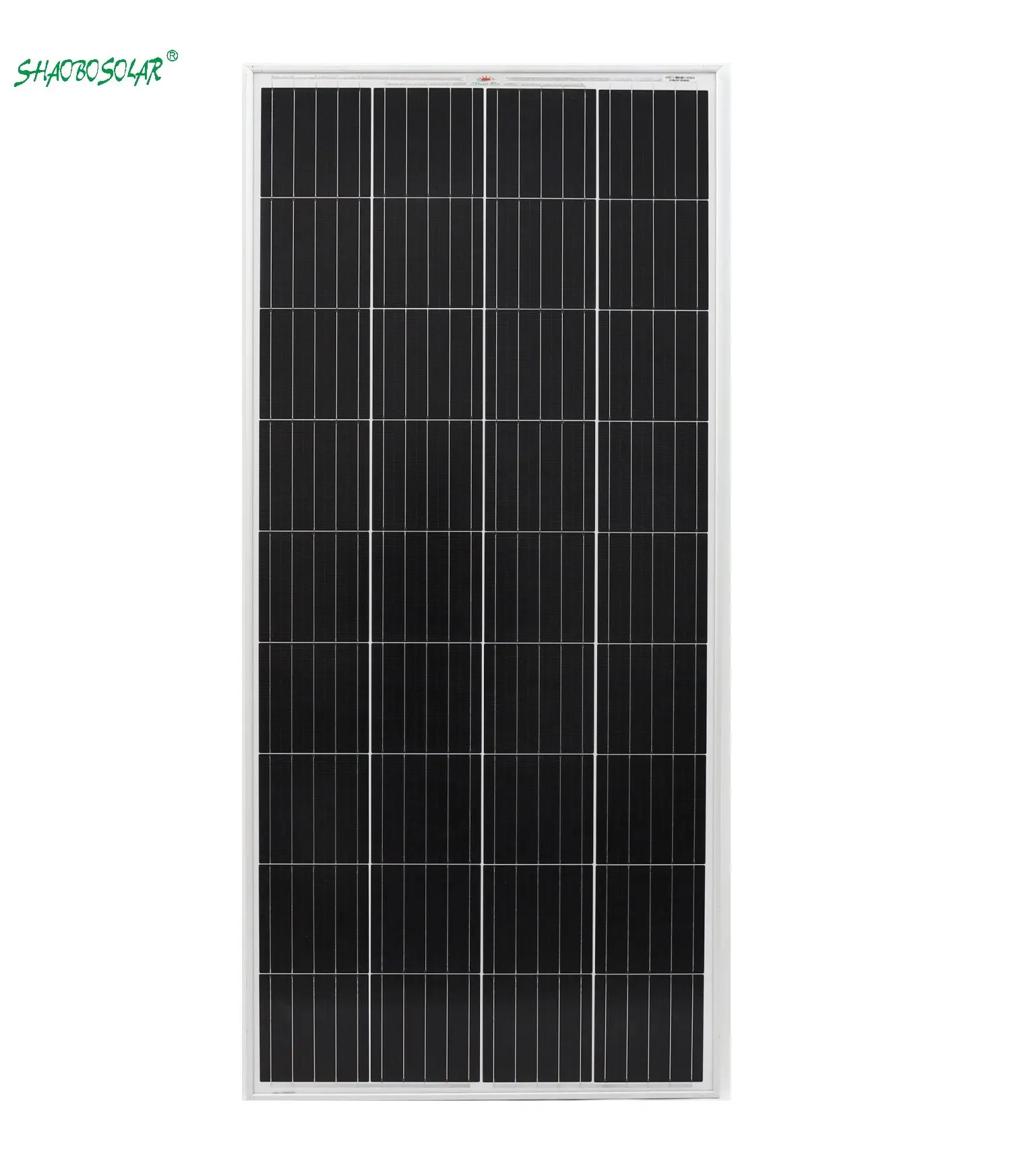
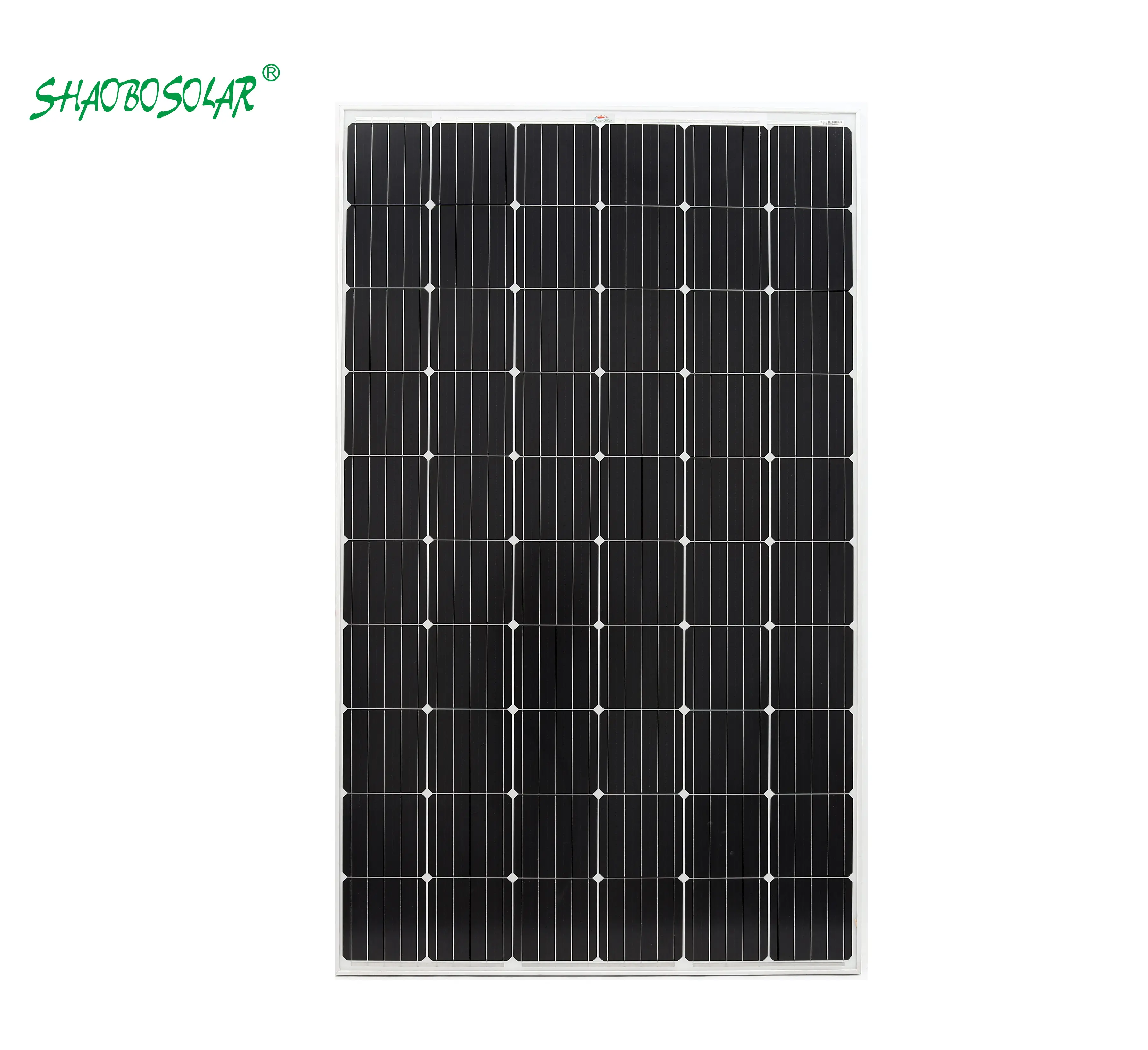
Israel possesses one of the highest solar irradiance levels globally, particularly in the Negev desert. However, the proliferation of solar panels faces unique challenges, including extreme heat degradation and dust accumulation (soiling), which can significantly reduce efficiency if not managed by advanced module engineering.
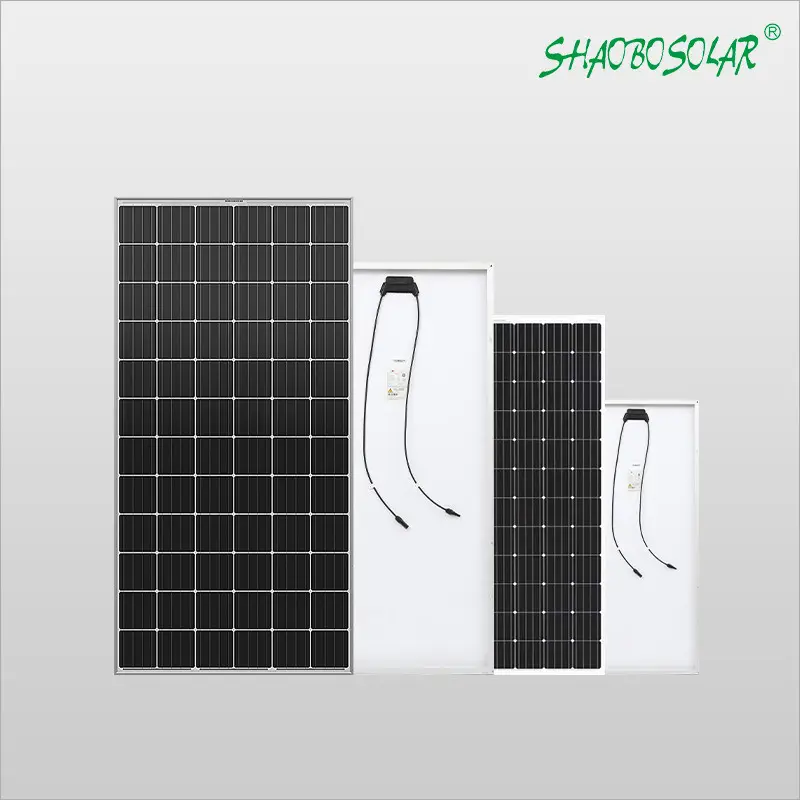
The Israeli market has transitioned from small-scale government projects to widespread private adoption. There is a surging demand for a robust house solar power system as electricity costs rise and the national grid seeks to integrate more renewable sources to reduce dependency on imported fuels.
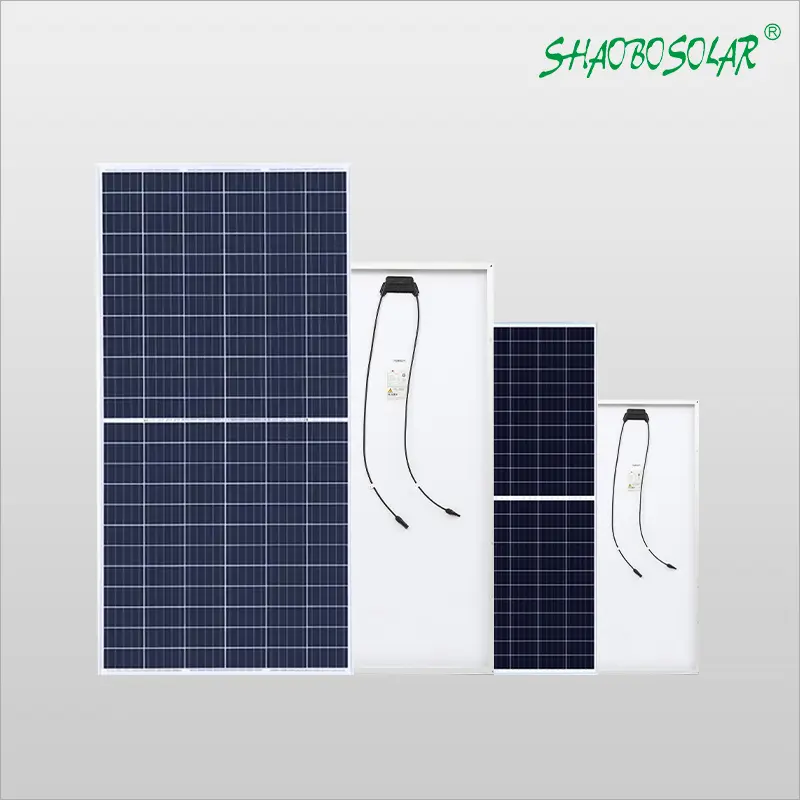
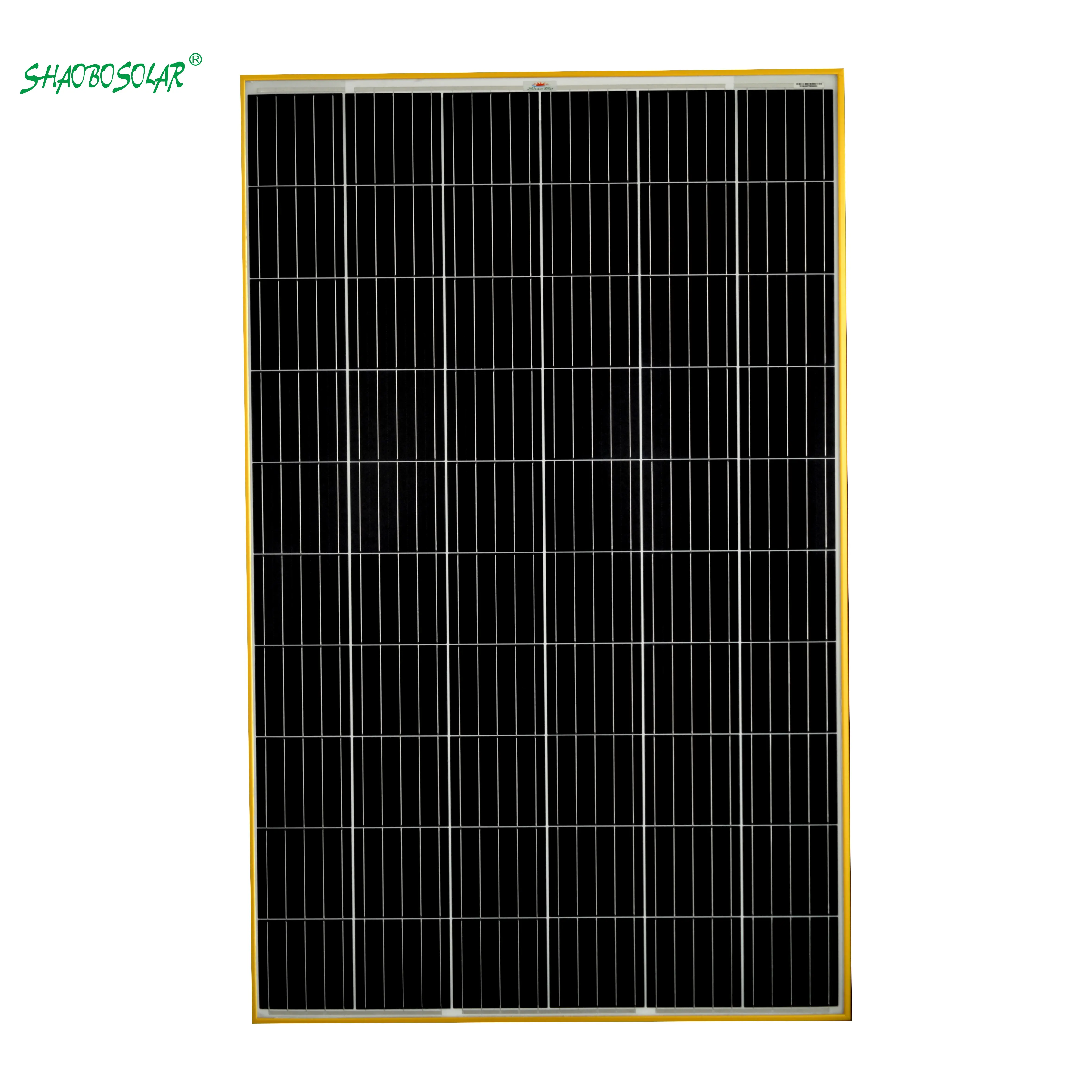
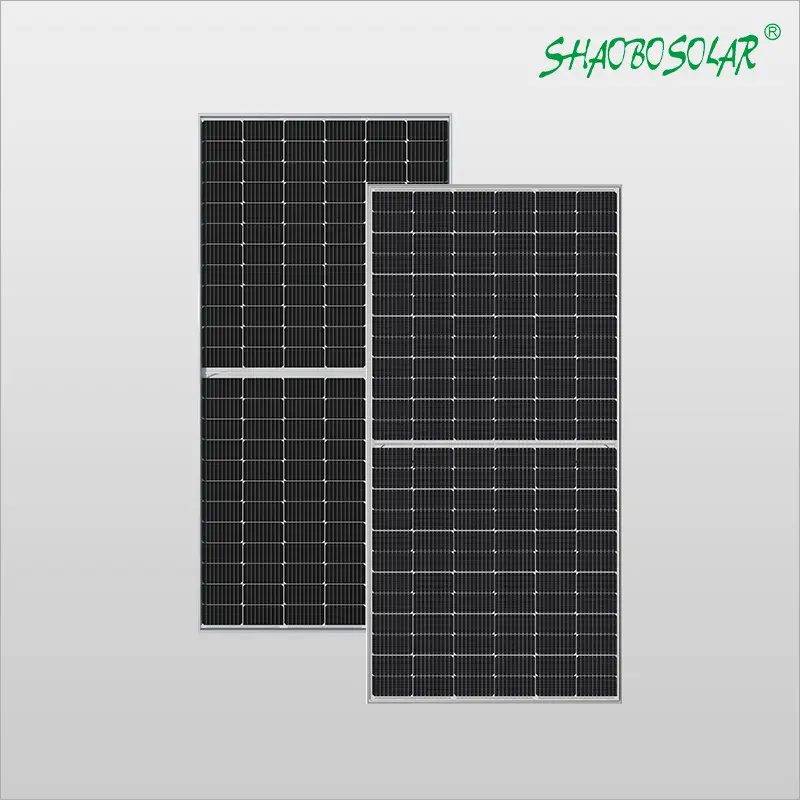
Current trends show a clear preference for high-efficiency cells. While polycrystalline solar panel options were common in early utility-scale farms due to lower costs, the market is now shifting toward premium technologies that offer better temperature coefficients to handle the intense Middle Eastern summer.