31 March 2026
Looking for a reliable and efficient power source for your next outdoor adventure, RV trip, or off-grid project? An 18V solar panel could be the perfect solution. These panels offer a balance of portability, power output, and affordability, making them a popular choice for a wide range of applications. This article dives deep into the world of 18V solar panels, covering their uses, benefits, what to look for when purchasing, and how they compare to other options. We’ll equip you with the knowledge to make the best choice for your power needs.
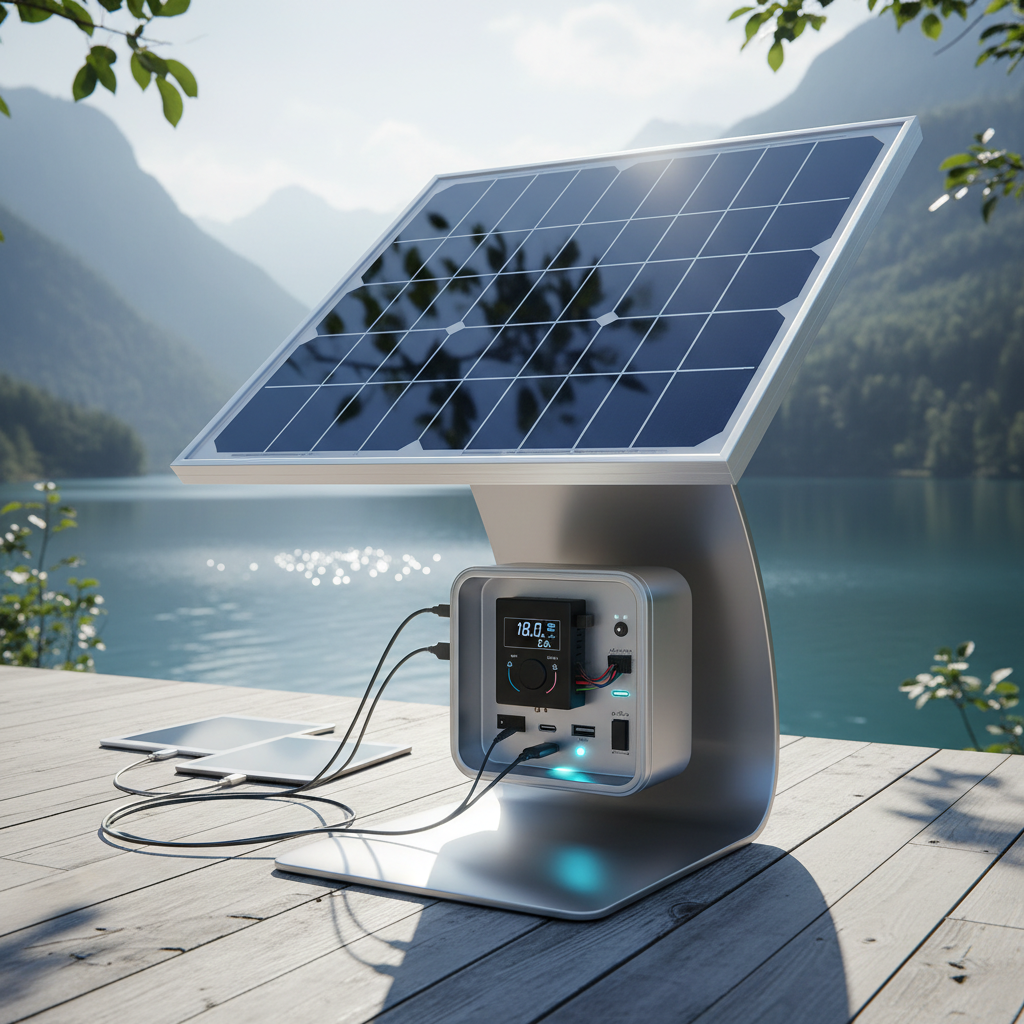
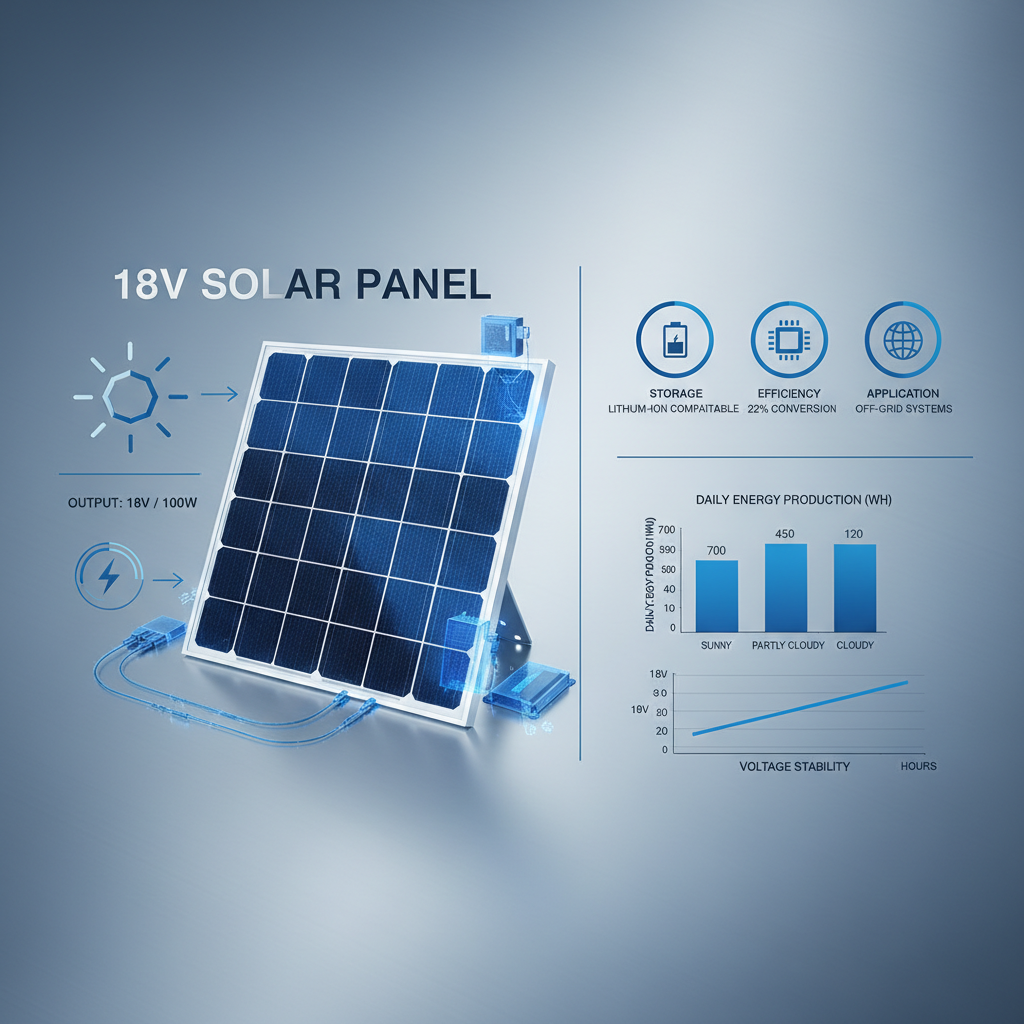
An 18V solar panel is a photovoltaic (PV) module designed to output approximately 18 volts. This voltage is commonly used for charging 12V batteries, as the 18V output allows for efficient charging while accounting for voltage drops and the battery's charging requirements. These panels are versatile and can power a surprising number of devices, including smartphones, tablets, laptops, camping lights, small fans, and even portable refrigerators. They are frequently used in RVs, boats, and for backup power during emergencies. Shaobo Solar offers a diverse range of 18V solar panels to suit various applications and budgets.
Key Highlights: 18V solar panels efficiently charge 12V batteries, making them ideal for off-grid power solutions. They are lightweight, portable, and suitable for a wide range of applications.
Selecting the best 18V solar panel for your needs requires considering several factors. Wattage is a crucial aspect, determining the panel's power output under ideal conditions. Higher wattage means faster charging and the ability to power more devices. Panel type (monocrystalline, polycrystalline, or amorphous) impacts efficiency and cost. Monocrystalline panels are the most efficient but also the most expensive. Portability – consider the panel’s size, weight, and whether it’s foldable for easy transport. Finally, look for features like built-in charge controllers, USB ports, and durable construction for long-lasting performance.
Key Selection Criteria:
• Wattage: Determine your power needs.
• Panel Type: Balance efficiency and cost.
• Portability: Consider size, weight, and foldability.
• Durability: Look for robust construction and weather resistance.
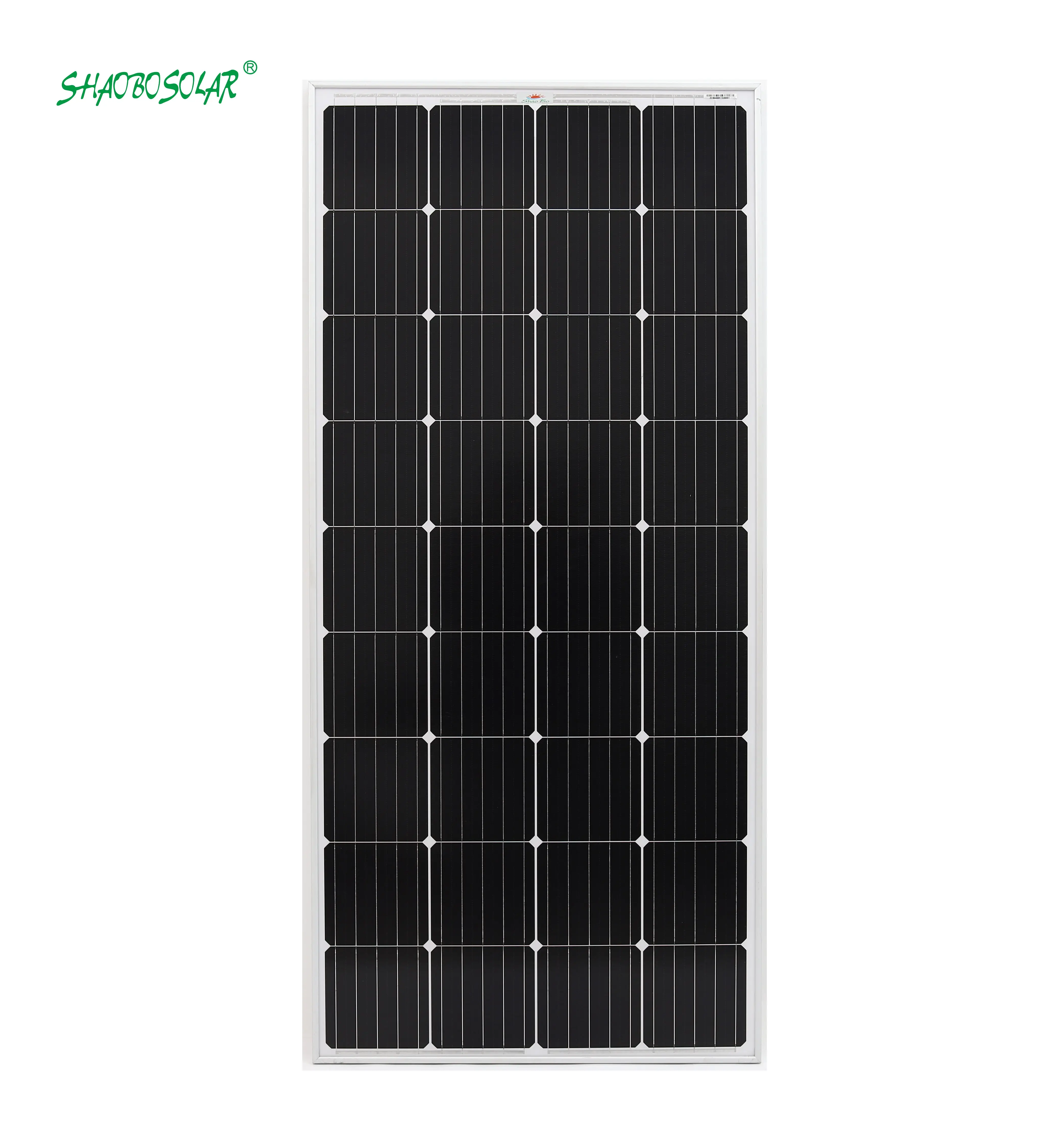
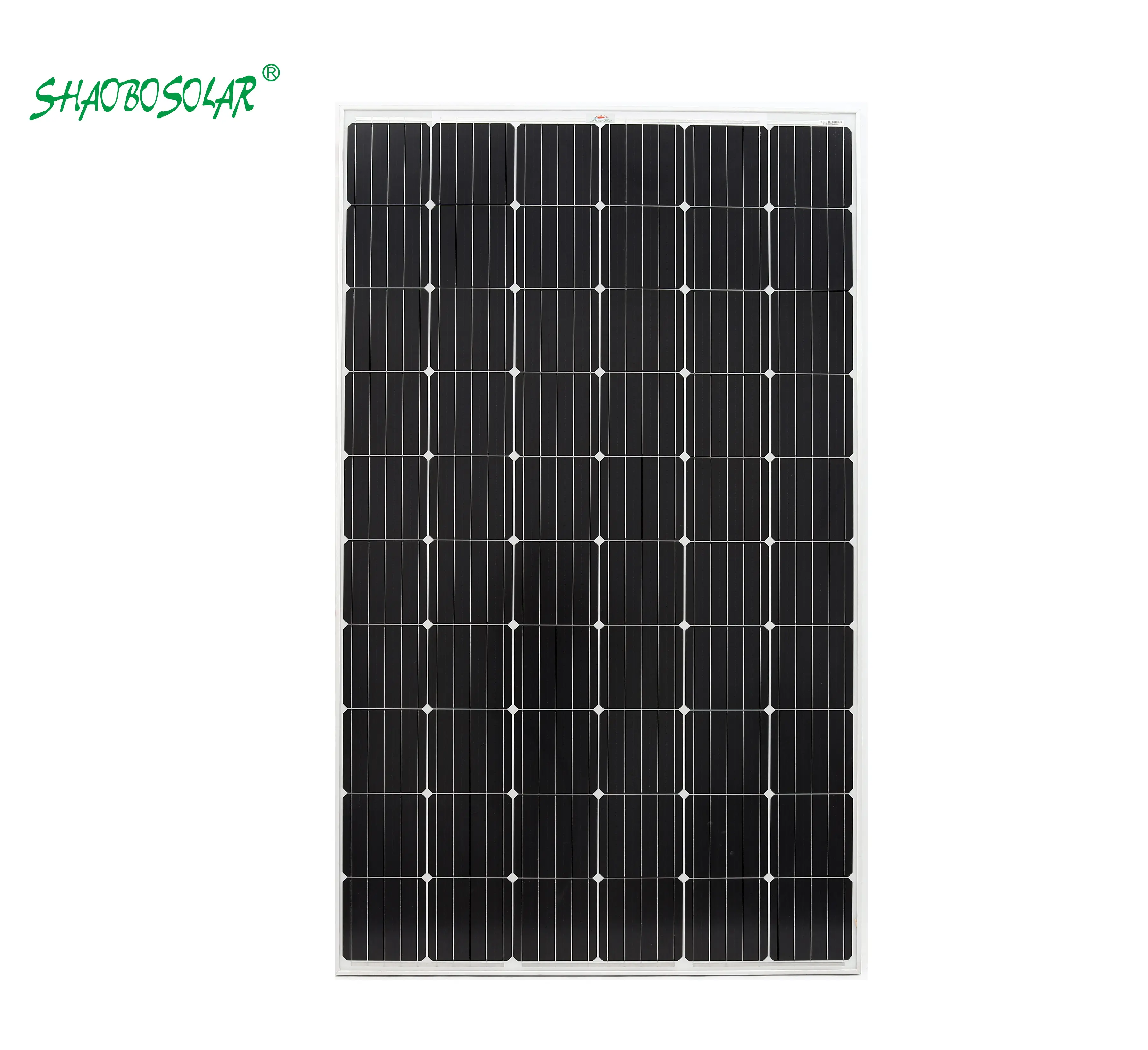
The two most common types of 18V solar panels are monocrystalline and polycrystalline. Monocrystalline panels are made from a single silicon crystal, resulting in higher efficiency (typically 17-22%) and a sleek, uniform appearance. Polycrystalline panels are made from multiple silicon fragments, making them less efficient (around 15-17%) but also more affordable. The best choice depends on your budget and space constraints. If you need maximum power in a limited area, monocrystalline is the way to go. If cost is a primary concern, polycrystalline offers a good balance of performance and price.
While commonly used for charging batteries, 18V solar panels have expanded applications. They're ideal for powering remote sensors, security cameras, and even small water pumps. Many individuals use them for creating independent power systems for sheds, cabins, or tiny homes. The portability makes them incredibly useful for disaster preparedness, providing a backup power source during outages. Shaobo Solar offers solutions tailored to these diverse applications.
To ensure your 18V solar panel delivers consistent performance, regular maintenance is key. Keep the panel surface clean from dust, dirt, and debris, as these obstructions can significantly reduce efficiency. Use a soft cloth and mild soap and water. Periodically check the wiring for any damage or corrosion. Store the panel in a dry, protected area when not in use. Following these simple steps will maximize the lifespan and efficiency of your investment.
Investing in an 18V solar panel is a step towards sustainable and independent power. With careful consideration of your needs and a little maintenance, you can enjoy reliable and environmentally friendly energy for years to come. Explore the diverse range of options available at Shaobo Solar to find the perfect solution for your power requirements.
The power output of an 18V solar panel varies based on its wattage. Common wattages range from 50W to 100W. A 100W panel, under ideal sunlight conditions (around 1000W/m² irradiance), will produce approximately 5-6 amps at 18V. Actual output will be lower due to factors such as shading, temperature, and panel angle. It's crucial to factor in these real-world conditions when estimating your power needs.
Yes, you can connect multiple 18V solar panels, but it's important to do so correctly. You can connect them in parallel to increase the amperage while maintaining the 18V output. Connecting in series will increase the voltage, but may require a different charging setup. Always ensure that the charge controller is rated for the combined voltage and amperage of all connected panels. Improper wiring can damage the panels or the charging system.
Yes, a charge controller is highly recommended, especially when charging batteries. A charge controller regulates the voltage and current flowing from the solar panel to the battery, preventing overcharging and extending the battery's lifespan. There are different types of charge controllers (PWM and MPPT), with MPPT controllers being more efficient, especially in cooler temperatures. Shaobo Solar offers a range of compatible charge controllers.
Most 18V solar panels are designed to last for 25-30 years, though their power output will gradually decrease over time. A typical performance warranty guarantees at least 80% of the original power output after 25 years. Proper maintenance, including regular cleaning and protection from extreme weather, can help extend the panel's lifespan and maintain its efficiency.


Hit enter to search or ESC to close