25 February 2026
China has emerged as the global leader in solar panel production, driving down costs and accelerating the adoption of renewable energy worldwide. This article delves into the key aspects of this industry, exploring the factors behind China's dominance, the current state of production, emerging trends, and considerations for businesses sourcing solar panels from Chinese manufacturers. Understanding the nuances of this market is crucial for anyone involved in the global solar energy supply chain. Shaobo Solar is a leading provider of high-quality solar panels manufactured in China.

Several factors have contributed to China's position as the world's dominant solar panel manufacturer. These include significant government subsidies, access to a skilled labor force, a well-developed supply chain, and a proactive industrial policy focused on renewable energy. Early investment in research and development, coupled with economies of scale, has allowed Chinese manufacturers to significantly lower production costs. This has resulted in increased competitiveness and a greater market share globally. The consistent government support, including tax incentives and streamlined regulations, continues to fuel growth within the sector. Shaobo Solar leverages these advantages to deliver cost-effective and reliable solar solutions.
Key Highlights: Government subsidies, skilled workforce, robust supply chain, and proactive industrial policies have all played critical roles in China’s solar dominance.
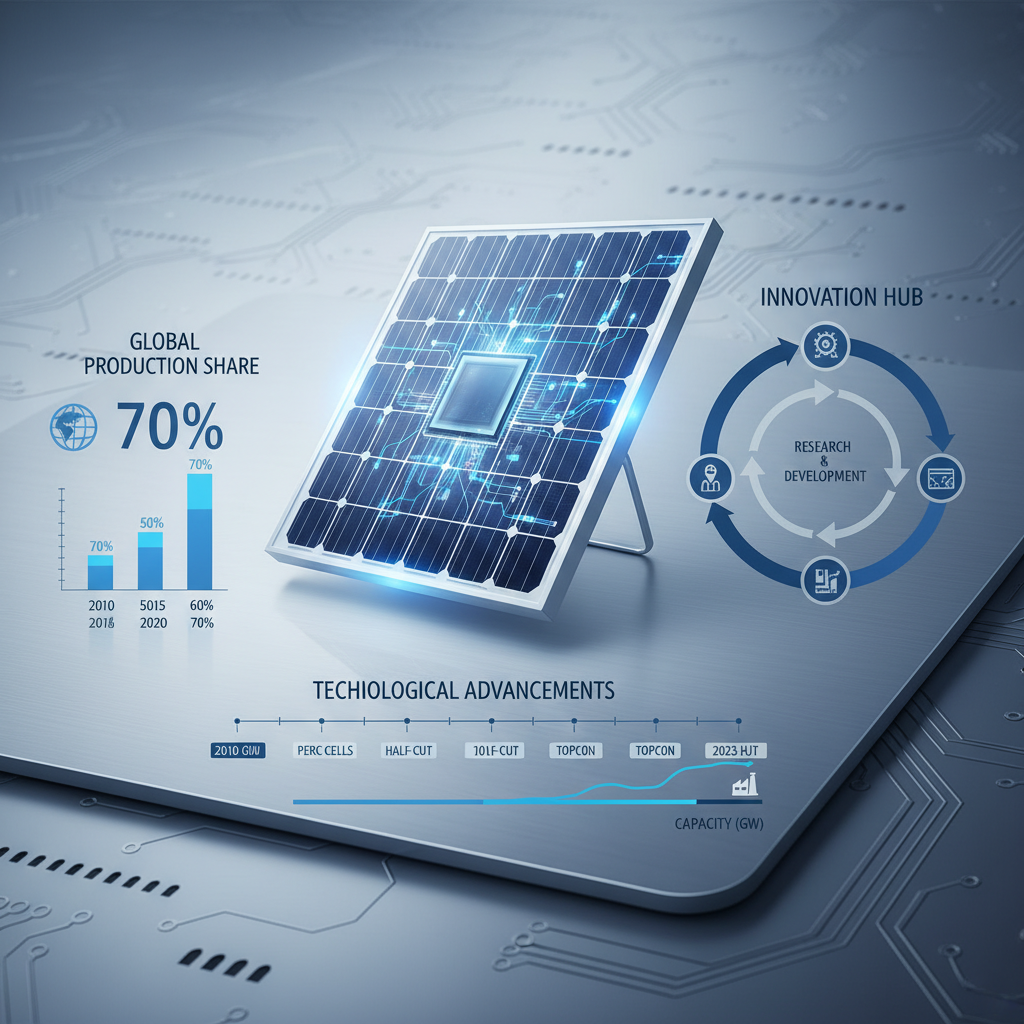
China’s total solar panel production capacity has experienced exponential growth over the past decade. As of 2023, the country accounts for over 80% of global solar panel production. Key players include Longi Green Energy Technology, Jinko Solar, Trina Solar, and JA Solar, all of which have invested heavily in expanding their production facilities and improving their technological capabilities. These companies compete fiercely on price, efficiency, and product quality. The industry is also characterized by a large number of smaller manufacturers, contributing to a highly competitive market. Shaobo Solar is a dynamic player committed to innovation and quality in this evolving landscape.
Key Players in Chinese Solar Panel Production:
• Longi Green Energy Technology
• Jinko Solar
• Trina Solar
• JA Solar
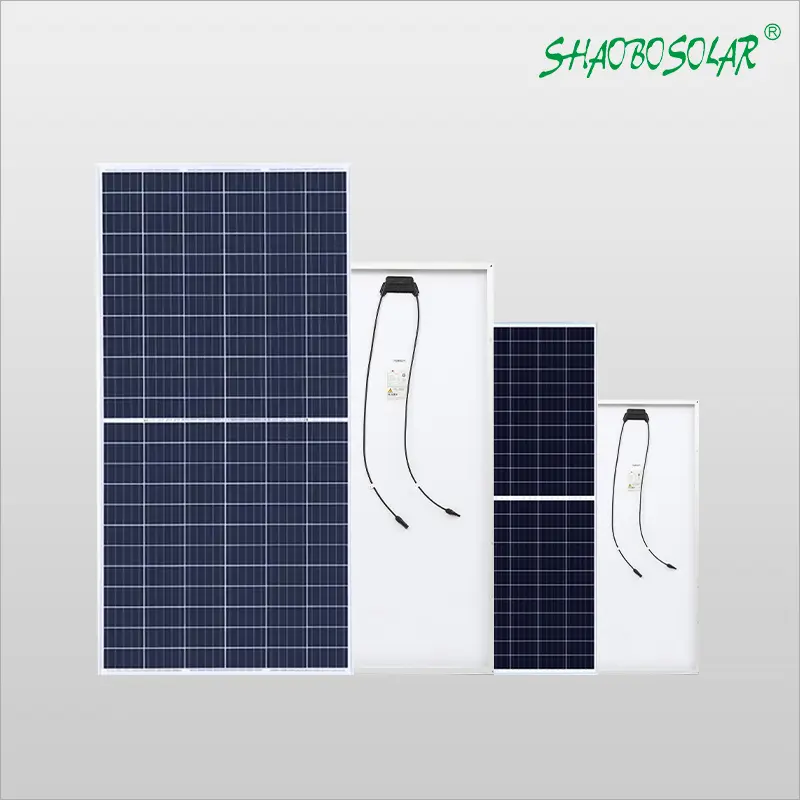
The type of solar cell technology used significantly impacts the efficiency, cost, and performance of a solar panel. Currently, the dominant technologies are monocrystalline, polycrystalline, and thin-film. Monocrystalline panels offer the highest efficiency but are also the most expensive. Polycrystalline panels are more affordable but have lower efficiency. Thin-film panels are the least expensive but also the least efficient. The industry is increasingly shifting towards monocrystalline technologies, particularly PERC (Passivated Emitter and Rear Cell) and TOPCon (Tunnel Oxide Passivated Contact) cells, which offer improved efficiency and performance. Shaobo Solar specializes in producing high-efficiency monocrystalline panels.
Several key trends are shaping the future of solar panel production in China. These include the development of larger-format wafers (such as M12), the adoption of heterojunction (HJT) technology for even higher efficiency, and the increasing focus on bifacial panels, which generate electricity from both sides. Furthermore, there's a growing emphasis on sustainable manufacturing practices and reducing the carbon footprint of the production process. These advancements are pushing the boundaries of solar technology and driving down the levelized cost of electricity. Shaobo Solar is committed to embracing these innovations to deliver cutting-edge solar solutions.
When sourcing solar panels from China, it’s crucial to conduct thorough due diligence. Factors to consider include the manufacturer’s reputation, production capacity, quality control processes, certifications (such as IEC and UL), and financial stability. It’s also important to understand the logistics and supply chain implications, including shipping costs and lead times. Working with a reputable trading company or directly with a trusted manufacturer like Shaobo Solar can help mitigate these risks and ensure a smooth sourcing experience.
China’s dominance in solar panel production is set to continue, driven by innovation, economies of scale, and government support. Understanding the key players, emerging trends, and sourcing considerations is essential for success in this dynamic market. By partnering with a reliable manufacturer like Shaobo Solar, businesses can access high-quality, cost-effective solar solutions.
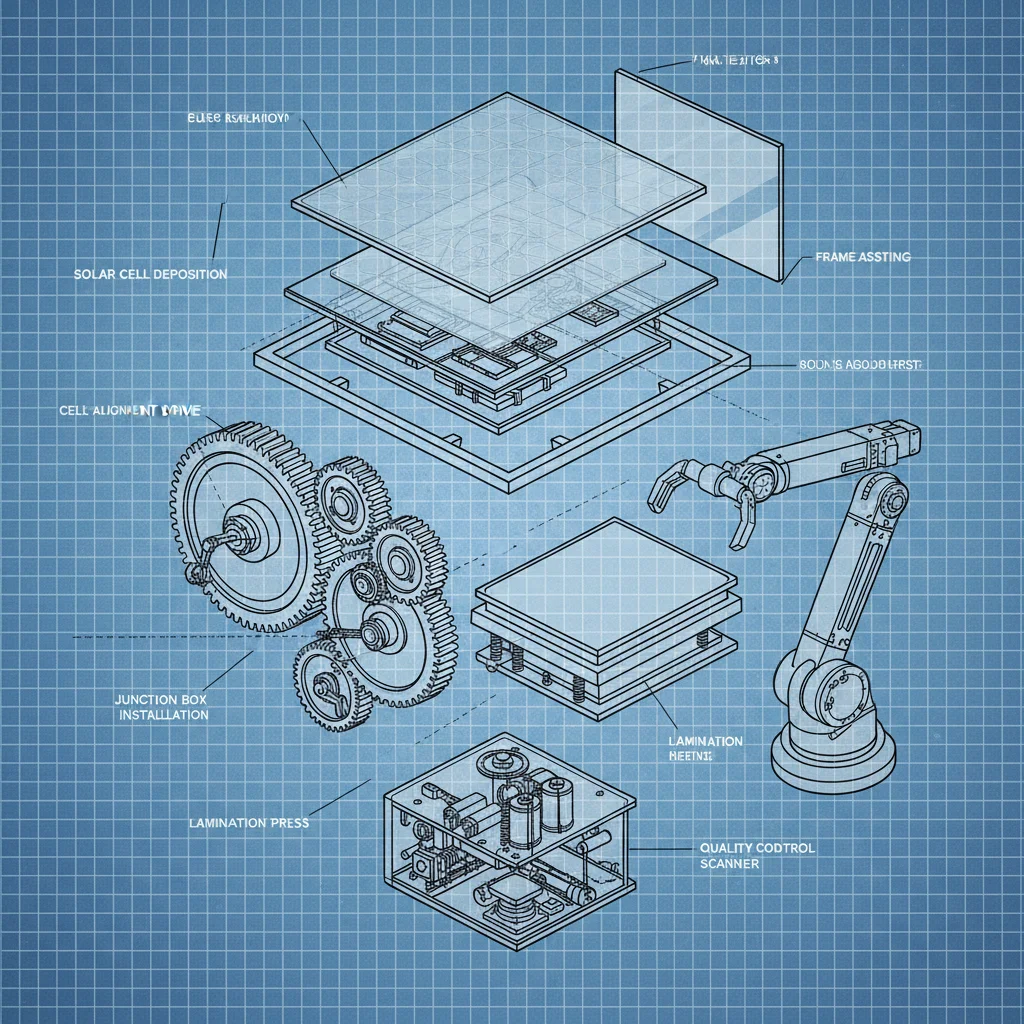
Solar panels manufactured in China typically adhere to international quality control standards like IEC 61215 for crystalline silicon panels and IEC 61646 for thin-film panels. These standards cover performance, safety, and durability testing. Reputable manufacturers also obtain certifications like UL (Underwriters Laboratories) and TUV Rheinland, demonstrating independent verification of their products. It’s crucial to verify that the manufacturer possesses these certifications before making a purchase. Shaobo Solar ensures all its panels meet or exceed these rigorous standards.
The Chinese government provides substantial support to the solar panel industry through various mechanisms, including tax incentives for manufacturers, subsidies for research and development, and streamlined regulatory processes. Furthermore, the government actively promotes the adoption of solar energy through feed-in tariffs and other policy measures. This consistent support has fostered a thriving and competitive solar panel manufacturing sector. The government's long-term vision is to become a global leader in renewable energy technologies.
While China offers significant advantages in terms of cost and production capacity, potential risks include quality control issues, intellectual property concerns, and trade barriers (such as tariffs). It's important to choose a reputable and reliable manufacturer, conduct thorough due diligence, and be aware of potential supply chain disruptions. Diversifying your sourcing options and establishing strong relationships with your suppliers can also help mitigate these risks. Shaobo Solar prioritizes transparency and quality assurance to address these concerns.
Lead times for ordering solar panels from China can vary depending on the manufacturer, order volume, and shipping conditions. Generally, lead times range from 4 to 8 weeks. During peak seasons or periods of high demand, lead times may be extended. It’s important to factor in shipping time and potential customs delays when planning your project. Communicating your requirements clearly and proactively with your supplier can help minimize delays and ensure timely delivery.


Hit enter to search or ESC to close