Wholesale solar panels are becoming increasingly vital in addressing global energy demands and transitioning towards sustainable power sources. The affordability and scalability offered by wholesale purchasing are crucial for large-scale solar energy adoption, impacting everything from residential projects to utility-scale power plants. Understanding the nuances of wholesale solar panel sourcing, quality control, and logistical considerations is paramount for both businesses and governments seeking to invest in a cleaner energy future.
The global solar energy market is experiencing exponential growth, driven by decreasing costs, technological advancements, and rising environmental concerns. This growth is heavily reliant on efficient wholesale solar panel distribution networks that can meet the demands of a rapidly expanding industry. Suppliers offering competitive pricing and reliable service play a key role in accelerating the global transition away from fossil fuels. wholesale solar panels are thus a critical component of this shift.
This detailed exploration of wholesale solar panels will cover definitions, key factors, real-world applications, advantages, future trends, challenges, and frequently asked questions, providing a comprehensive overview for anyone involved in the solar energy supply chain or considering investment in this rapidly evolving sector.
Introduction to Wholesale Solar Panels
The term “wholesale solar panels” refers to the bulk purchasing of solar photovoltaic (PV) modules directly from manufacturers or authorized distributors. This method allows businesses, installers, and large-scale project developers to acquire panels at reduced per-unit costs compared to retail pricing. This is essential for projects ranging from residential rooftop installations to vast solar farms.
The increasing demand for renewable energy, coupled with advancements in solar technology, has made wholesale solar panels a cornerstone of sustainable energy initiatives worldwide. Effective sourcing and distribution are pivotal in reducing the levelized cost of electricity (LCOE) from solar power, making it increasingly competitive with traditional energy sources.
Defining Wholesale Solar Panels
Wholesale solar panels differ from retail purchases in terms of volume, pricing, and the level of support provided. Wholesale transactions typically involve larger quantities, requiring logistical planning for shipping, handling, and storage. Pricing is generally based on tiered structures, with lower per-panel costs for larger orders. wholesale solar panels represent a cost-effective solution for projects demanding significant panel quantities.
The concept is vital to modern industry, enabling the rapid deployment of solar energy solutions and contributing to a decentralized, resilient energy grid. It also addresses humanitarian needs by providing affordable power to off-grid communities and disaster relief zones. The availability of high-quality, affordable wholesale panels significantly reduces barriers to entry for sustainable energy development.
Furthermore, wholesale relationships often involve direct collaboration with manufacturers, allowing for customization options and access to the latest technological advancements in solar panel design and performance.
Key Factors in Wholesale Solar Panel Selection
Selecting the right wholesale solar panels requires careful consideration of several key factors. Efficiency refers to the panel's ability to convert sunlight into electricity; higher efficiency panels generate more power per square foot. Durability, encompassing factors like weather resistance, hail impact, and salt mist corrosion resistance, is critical for long-term performance, particularly in harsh environments.
Warranty is a crucial indicator of manufacturer confidence and provides financial protection against defects or performance degradation. A robust warranty, covering both product defects and power output, is essential. Cost-Effectiveness needs to be assessed holistically, considering not just the initial purchase price but also long-term energy production and maintenance costs. wholesale solar panels providers offer varying levels of service.
Certifications, such as IEC 61215 and IEC 61730, ensure that panels meet international safety and performance standards. Brand Reputation also plays a role; established manufacturers with a proven track record are generally more reliable. Finally, Supply Chain Reliability is a critical consideration, ensuring a consistent and timely supply of panels for ongoing projects.
Global Applications of Wholesale Solar Panels
Wholesale solar panels are deployed globally in a vast range of applications. Large-scale solar farms, utilizing tens of thousands of panels, rely heavily on wholesale sourcing to achieve cost-effectiveness. These farms contribute significantly to grid stabilization and reduce reliance on fossil fuel-based power plants. In post-disaster relief operations, rapidly deployable solar systems provide essential electricity to affected communities.
In remote industrial zones, where grid connectivity is limited or unreliable, wholesale solar panels enable businesses to operate independently and sustainably. Agricultural applications, such as powering irrigation systems and greenhouses, benefit from the reduced energy costs offered by wholesale panels. Developing nations leverage wholesale purchasing to expand access to electricity in rural areas, promoting economic development and improving quality of life.
Wholesale Solar Panel Efficiency Comparison
Advantages and Long-Term Value
The advantages of utilizing wholesale solar panels extend beyond immediate cost savings. The reduced LCOE makes solar energy more accessible, fostering economic growth and energy independence. The environmental benefits are substantial, reducing carbon emissions and mitigating climate change. Investing in solar infrastructure generates long-term value by decreasing reliance on volatile fossil fuel markets.
From a social impact perspective, wholesale solar panels empower communities by providing reliable and affordable electricity, improving health, education, and overall quality of life. The inherent reliability of solar technology ensures a stable and predictable energy supply, enhancing energy security. Ultimately, the transition to wholesale solar panels represents an investment in a sustainable and equitable future.
Future Trends in Wholesale Solar Panel Technology
The future of wholesale solar panel technology is marked by continuous innovation. Perovskite solar cells, offering potentially higher efficiencies and lower manufacturing costs, are gaining traction. Bifacial solar panels, which generate electricity from both sides, are becoming increasingly popular for large-scale installations. Advancements in energy storage solutions, such as lithium-ion batteries and flow batteries, are enhancing the reliability and dispatchability of solar power. wholesale solar panels are benefitting from these advancements.
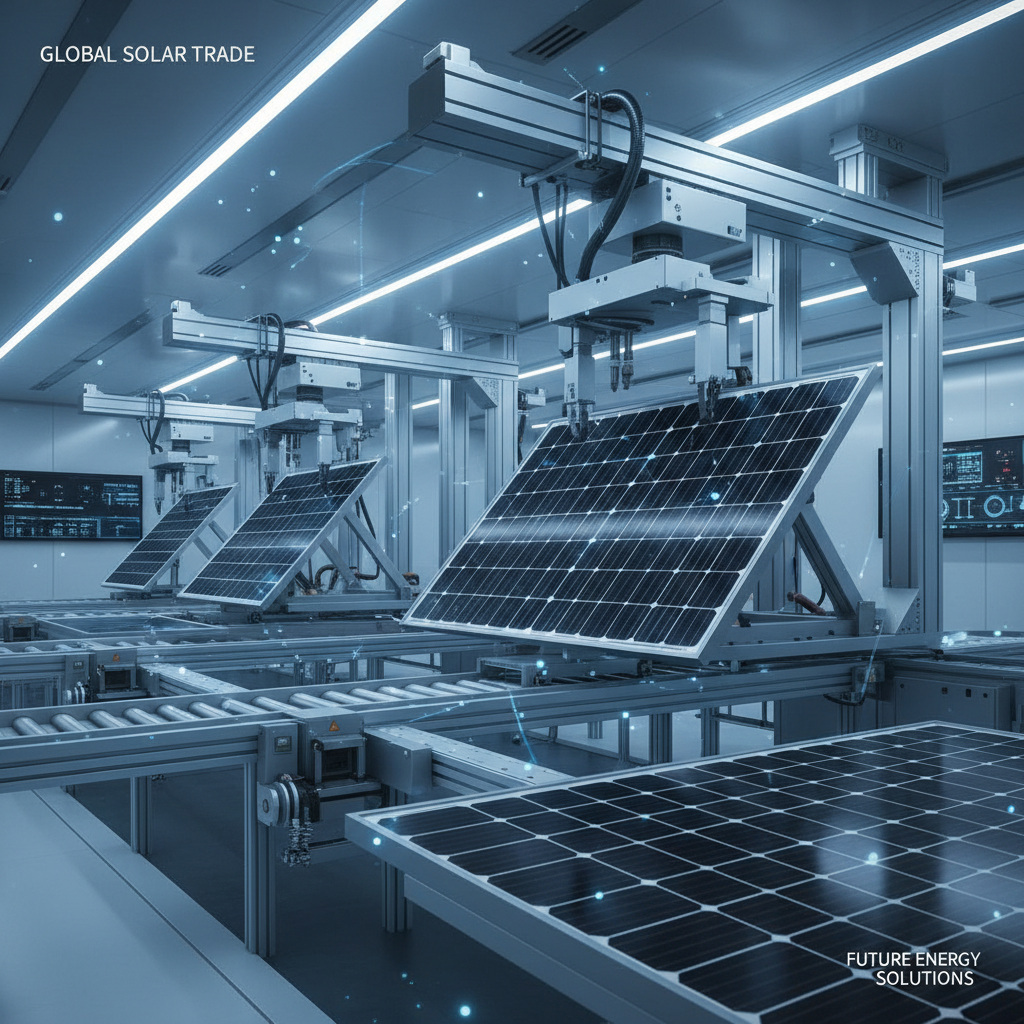
Digital transformation, incorporating IoT sensors and data analytics, is optimizing solar farm performance and enabling predictive maintenance. Automation in manufacturing processes is further reducing production costs and increasing scalability. Government policies promoting renewable energy adoption, such as tax incentives and feed-in tariffs, are driving demand for wholesale solar panels.
Challenges and Solutions in Wholesale Solar Panel Distribution
Despite the numerous advantages, the wholesale solar panel industry faces challenges. Supply chain disruptions, caused by geopolitical events or material shortages, can impact pricing and availability. Maintaining consistent quality control across diverse manufacturers is crucial. Logistical complexities, including shipping, handling, and warehousing, require careful planning.
Solutions include diversifying sourcing strategies, investing in robust quality assurance protocols, and leveraging advanced logistics management systems. Developing strategic partnerships with reliable suppliers and distributors is essential. Embracing blockchain technology can enhance transparency and traceability within the supply chain. Addressing these challenges will ensure the continued growth and sustainability of the wholesale solar panel market.
Summary of Challenges and Solutions for Wholesale Solar Panel Distribution
| Challenge Area |
Impact on Wholesale Solar Panels |
Proposed Solution |
Implementation Priority (1-5, 5=Highest) |
| Supply Chain Disruptions |
Price Volatility, Delays |
Diversify Sourcing, Local Partnerships |
5 |
| Quality Control |
Performance Issues, Warranty Claims |
Rigorous Testing, Certified Suppliers |
4 |
| Logistics & Shipping |
Damage, High Costs, Delays |
Optimized Routing, Secure Packaging |
3 |
| Information Transparency |
Difficulty verifying origin, quality |
Implement Blockchain tracking |
2 |
| Regulatory Compliance |
Import/Export Restrictions, Standards |
Expert Legal Counsel, Updated Documentation |
4 |
| Market Volatility |
Price fluctuations, Demand shifts |
Long-term contracts, Risk Management |
3 |
FAQS
The primary differences lie in pricing, quantity, and support. Wholesale purchases involve larger volumes, resulting in lower per-unit costs. Retail purchases are for smaller quantities and often include installation and customer service. Wholesale buyers typically handle logistics and installation themselves. Furthermore, wholesale buyers usually have direct relationships with manufacturers, enabling potential customization, whereas retail buyers primarily interact with distributors.
A reputable wholesale supplier should provide panels with internationally recognized certifications (IEC 61215, IEC 61730) ensuring safety and performance standards. Look for suppliers offering detailed product specifications, independent testing reports, and robust warranties covering both product defects and power output degradation. Inquire about their quality control processes throughout the manufacturing and shipping phases.
Lead times can vary significantly based on order size, manufacturer availability, and shipping distances. Generally, expect a lead time of 4-12 weeks for a large wholesale order. It’s crucial to communicate your project timeline with the supplier during the quoting process and confirm current lead times before placing an order. Factors like customs clearance can also impact delivery schedules.
Shipping wholesale solar panels requires specialized handling due to their fragility. Most suppliers offer freight forwarding services, arranging transportation via sea, air, or land. It’s essential to secure adequate insurance coverage during transit and ensure proper packaging to prevent damage. You might consider partnering with a logistics provider experienced in handling oversized and delicate cargo.
Typical payment terms for wholesale solar panel purchases include a percentage upfront (e.g., 30-50%) as a deposit, with the remaining balance due upon shipment or delivery. Letter of credit (LC) is a common payment method for international transactions, providing security for both the buyer and seller. Negotiating payment terms upfront is crucial to establish a mutually beneficial agreement.
Yes, import duties, taxes (such as VAT), and customs clearance fees apply when importing wholesale solar panels from international suppliers. These costs vary depending on your country's import regulations and trade agreements. It is essential to factor these costs into your total project budget and consult with a customs broker to ensure compliance with all applicable regulations.
Conclusion
Wholesale solar panels are fundamental to accelerating the global transition towards sustainable energy. Their cost-effectiveness, scalability, and increasingly efficient technologies make them an attractive solution for a wide range of applications, from large-scale power generation to off-grid electrification. Addressing challenges related to supply chain resilience and quality control will be critical to unlocking the full potential of this vital industry.
Investing in wholesale solar panel technology is not only economically sound but also socially responsible. By embracing innovation and fostering collaboration, we can create a more sustainable and equitable energy future for generations to come. For high-quality, reliable wholesale solar panels, visit our website today.