Honestly, things are moving fast in this industry. Everyone's talking about lightweight, modular designs, prefabrication... you know, getting things done quicker, cheaper. But a lot of these "innovations" just shift the problems elsewhere. I've seen so many designs that look great on paper, but fall apart the second you try to actually build them on a muddy construction site. It’s always something – a bolt hole that’s too close to the edge, a weld that won't hold, or, strangely enough, the designer completely forgetting about access for maintenance.
The biggest thing I’m seeing now is everyone wanting to ditch steel for composites. They talk about the weight savings, the corrosion resistance…which is all good, don’t get me wrong. But have you felt some of this stuff? It’s almost…too smooth. Workers are used to the grip of steel, the way it feels solid. This new stuff, it’s slippery, and you need special gloves and tools to handle it properly. I encountered this at a factory in Ningbo last time, they were switching to a carbon fiber reinforced polymer and the guys were complaining non-stop about dropping things.
And the smell...don’t even get me started on the smell! Some of these resins, they just reek. It lingers on your clothes for days. But you get used to it, I guess. It's just…part of the job.
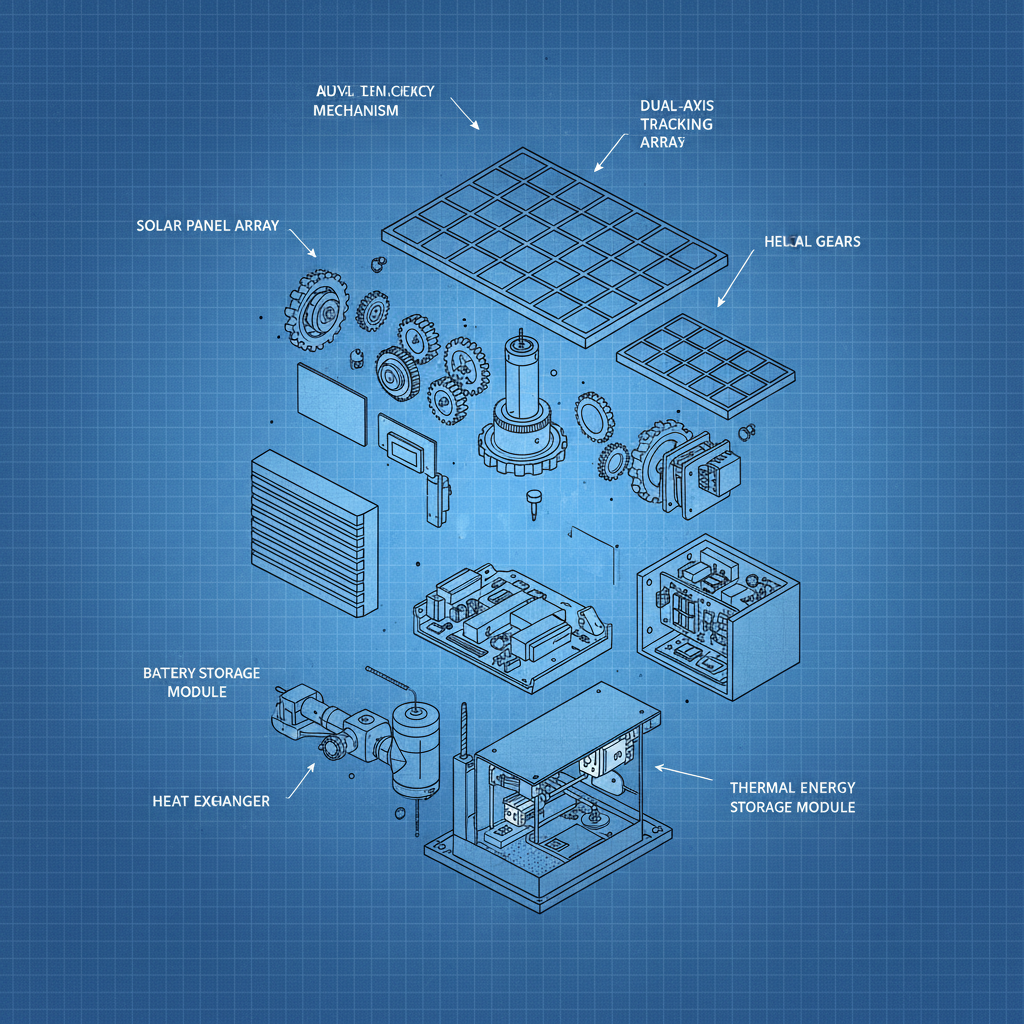
The Current Landscape of solar equipment supplier
I’m telling you, the demand for reliable solar equipment is going through the roof. It’s not just about residential installs anymore; it’s huge commercial projects, microgrids, off-grid solutions… everyone wants in. But a lot of these suppliers, they’re popping up overnight, promising the world but delivering…well, let’s just say it’s not always pretty. You see a lot of corners cut, cheap components, and a general lack of understanding of what it takes to actually make something last in the field.
Anyway, I think the biggest driver is obviously the cost of energy. It’s only going up, and people are realizing that solar is a viable, and increasingly, the only long-term solution. That said, price isn’t everything. I’ve seen too many projects fail because they went with the cheapest option upfront, and then ended up spending twice as much on repairs and replacements down the line.
Design Pitfalls and Material Choices in solar equipment supplier
To be honest, a lot of designers have never spent a day on a construction site. They design these beautiful things that look fantastic in a CAD program, but completely ignore the realities of installation and maintenance. They’ll specify a panel mounting system that requires a crane to install, or a cable conduit that’s impossible to route without cutting through structural supports. It’s frustrating, to say the least.
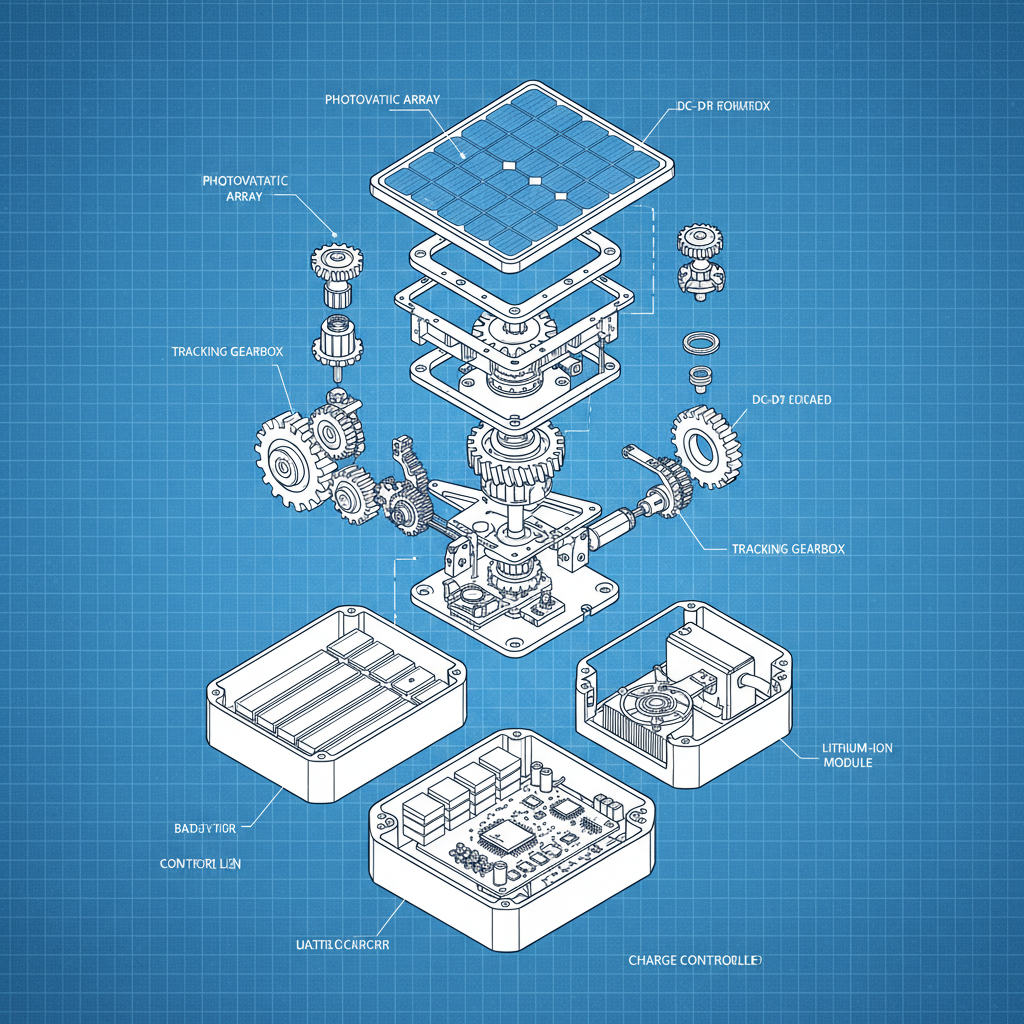
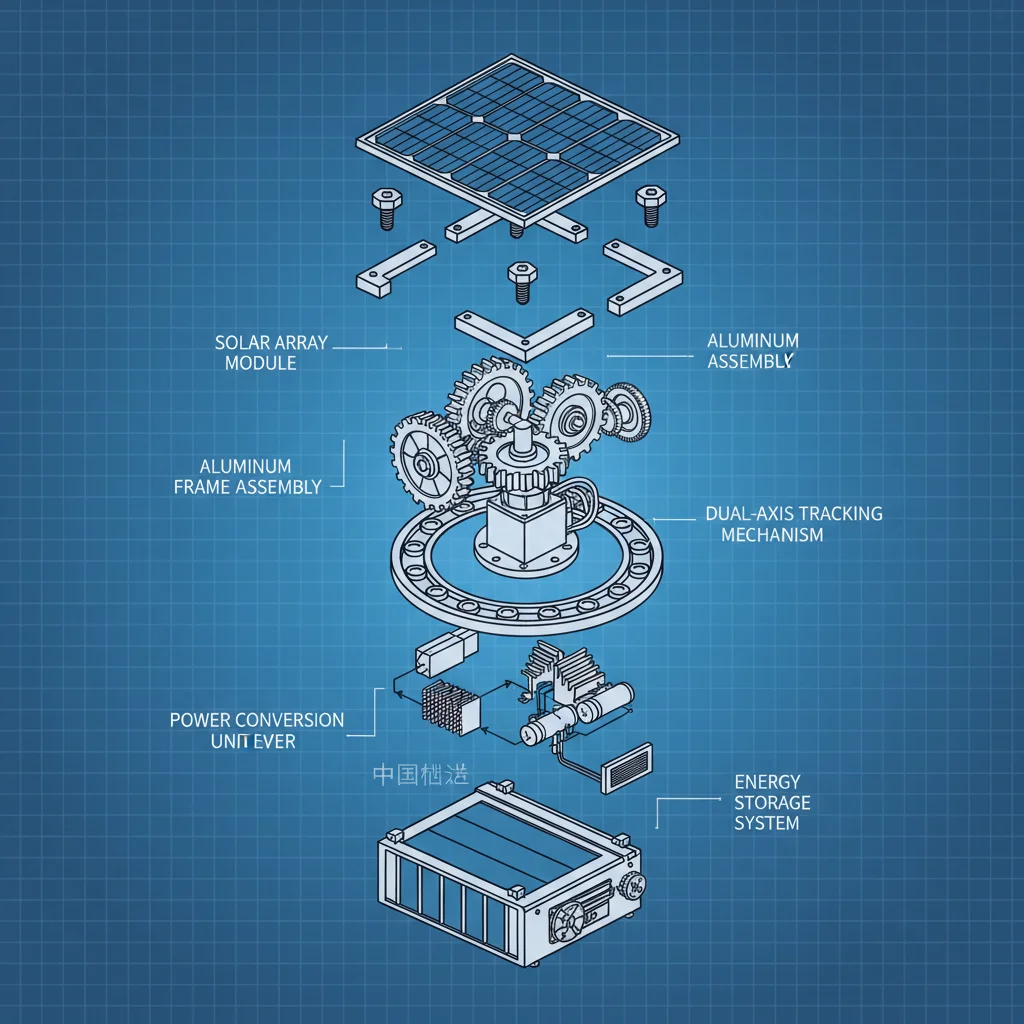
Material-wise, aluminum is still king for frames – lightweight, corrosion-resistant, easy to work with. But it's getting expensive, so everyone’s looking for alternatives. I've seen a lot of experimentation with different alloys and even plastics, but none of them have quite matched aluminum's overall performance and durability yet. And the connectors… that’s a whole other can of worms. You need something that can withstand years of exposure to the elements, constant thermal cycling, and the occasional accidental impact.
One thing I’ve noticed is a trend towards smaller, more complex components. More parts mean more potential failure points, and more time spent troubleshooting. Sometimes, simpler is just better.
Material Handling and Testing of solar equipment supplier
The way materials are handled on site makes a huge difference. You wouldn't believe how many panels get damaged just by being carelessly stacked or dragged across the ground. We always insist on proper storage and handling procedures, but you still get guys who think they know better. It's a constant battle.
Testing… now, that's where things get interesting. Lab tests are fine, but they don't tell the whole story. I prefer to see things tested in real-world conditions – exposed to extreme temperatures, high winds, heavy snow, and constant UV radiation. We set up a small test site at a local farm, and just leave the equipment out there for a year, monitoring its performance. It's a lot more informative than any lab report.
One thing we always do is a salt spray test. Just to see how well the coatings hold up in a marine environment. It’s brutal, but it gives you a good idea of how long things will last near the coast. Later…forget it, I won't mention the time we found a shipment of panels that had already started to corrode in the container…
Real-World Applications and User Behavior with solar equipment supplier
You'd think people would use this stuff as intended, right? Not always. I’ve seen everything from panels being used as makeshift roofs for sheds to inverters being repurposed as…well, I’m not even sure what they were trying to do. It's always surprising.
But seriously, the applications are incredibly diverse. From remote off-grid cabins to large-scale solar farms, there's a solution for almost any need. We’re seeing a lot of interest in solar-powered water pumps for agricultural use, which is a game-changer for farmers in developing countries. And the emergency power systems… those are lifesavers during natural disasters.
Solar Equipment Supplier Performance Metrics
Advantages, Disadvantages, and Customization of solar equipment supplier
The advantages are pretty obvious: clean energy, reduced electricity bills, increased energy independence… But there are downsides too. Initial cost can be high, weather dependency is a factor, and there's the whole issue of energy storage. And don't even get me started on the permitting process. It's a bureaucratic nightmare.
But for the right application, the benefits far outweigh the drawbacks. The beauty is that you can customize pretty much everything. Last month, that small boss in Shenzhen who makes smart home devices insisted on changing the interface to on all the panels. I told him it was a waste of money, completely unnecessary, but he was adamant. Said it was “more modern.” Ended up adding a whole layer of complexity to the system, and cost him a fortune in redesigns.
A Customer Story: The Interface Debacle with solar equipment supplier
Seriously, that thing…it was a mess. He wanted to standardize all his connections, and in his mind, was the future. He didn't care that it wasn't a standard for solar panels, or that it added extra points of failure. He just wanted it.
We tried to explain the risks, the added cost, the potential for compatibility issues… but he wouldn’t listen. He was convinced it would give him a competitive edge. In the end, he had to redesign the entire power distribution system to accommodate the new connectors, and it ended up costing him twice as much as he’d budgeted. It just goes to show, sometimes the best solution is the simplest one.
And the worst part? He still hasn't sold a single unit with the interface.
Performance Metrics and Real-World Assessment of solar equipment supplier
There’s a lot of talk about efficiency ratings and power output, but those numbers don’t always translate to real-world performance. What really matters is long-term reliability and durability. Can this thing withstand years of harsh weather conditions? Will it still be producing power after 10, 15, 20 years? That's what I focus on.
We track a bunch of metrics, of course – voltage, current, power output, temperature, humidity. But we also pay attention to things like corrosion rates, connection failures, and overall system uptime. We log everything, and we use that data to improve our designs and recommend the best products to our customers.
We also run regular thermal imaging scans to identify hotspots and potential failure points. It's a simple but effective way to catch problems before they become major issues.
Key Performance Indicators for Solar Equipment Supplier
| Component |
Metric |
Testing Method |
Acceptable Range |
| Solar Panels |
Power Output Degradation |
Long-Term Outdoor Exposure |
Less than 0.5% per year |
| Inverters |
Efficiency |
Standard Efficiency Testing |
Greater than 96% |
| Mounting Systems |
Wind Load Resistance |
Wind Tunnel Testing |
Withstand up to 150 mph |
| Cables & Connectors |
Insulation Resistance |
High-Voltage Insulation Testing |
Greater than 100 Megaohms |
| Batteries |
Depth of Discharge |
Cyclic Discharge Testing |
80% Remaining Capacity After 1000 Cycles |
| Monitoring Systems |
Data Accuracy |
Calibration Against Standard Meters |
Within +/- 2% |
FAQS
Honestly? Going with the cheapest option. You get what you pay for. A reliable solar system is an investment, not a commodity. Look for suppliers with a proven track record, good customer support, and a commitment to quality. Don't be afraid to ask for references and visit their facilities. A little due diligence upfront can save you a lot of headaches down the road. They often cut corners on components or offer poor warranties. It's a gamble that rarely pays off.
Crucially important! If you're in a coastal area, you need equipment that's corrosion-resistant. If you're in a snowy region, you need panels that can withstand heavy snow loads. If you're in a hot climate, you need inverters that can handle high temperatures. And so on. A supplier that understands your local climate and can recommend the appropriate equipment is invaluable. You need to think about hail, extreme temperature swings, humidity – all of it.
Most reputable manufacturers offer a 25-year performance warranty, guaranteeing that the panel will still produce at least 80% of its original output after 25 years. But realistically, a well-maintained panel can easily last 30 years or more. The key is to choose a high-quality panel from a reputable manufacturer and to properly install and maintain it. Regular inspections and cleaning can significantly extend its lifespan.
Absolutely. Permitting fees, inspection costs, wiring upgrades, roof repairs… they can all add up. It's important to get a detailed quote from your installer that includes all potential costs. And don't forget about the ongoing maintenance costs – cleaning, repairs, and potential component replacements. Sometimes the initial price is attractive, but the total cost of ownership can be much higher.
It depends on your location. In some areas, there’s a shortage of qualified installers. Look for installers who are NABCEP certified (North American Board of Certified Energy Practitioners) and have a good reputation in the community. Check online reviews and ask for references. Don’t be afraid to get multiple quotes and compare their qualifications and experience.
Make sure the warranty covers both parts and labor. Pay attention to the fine print – what's covered, what's not, and how long the warranty lasts. A good warranty should cover defects in materials and workmanship for at least 10 years, and preferably longer. Also, check if the warranty is transferable to a new homeowner if you sell your property.
Conclusion
Ultimately, choosing the right solar equipment supplier is about more than just price or specifications. It's about finding a partner you can trust, someone who understands your needs, and someone who's committed to delivering a reliable, long-lasting solution. The market's flooded with options, but true value comes from quality, experience, and a deep understanding of the field.
And remember, whether this thing works or not, the worker will know the moment he tightens the screw. It all comes down to real-world performance and the folks on the ground getting the job done. If you want to know if it's good equipment? Send me out there, and I’ll tell you. Visit our website at www.shaobosolar.com to learn more.