The global demand for sustainable energy solutions is rapidly increasing, and a reliable solar system supplier is becoming crucial for both developed and developing nations. Solar energy offers a pathway towards energy independence, reduced carbon emissions, and cost-effective power generation. This growing reliance on solar power is driving innovation in solar technology and creating a dynamic market for components and system integration. Understanding the nuances of selecting a suitable solar system supplier is paramount for successful project implementation.
As climate change concerns escalate and traditional energy sources face limitations, solar energy emerges as a viable and increasingly attractive alternative. Countries worldwide are implementing policies and incentives to promote solar energy adoption, further fueling the demand for high-quality solar systems. Choosing the right solar system supplier isn’t just about acquiring equipment; it's about establishing a long-term partnership based on trust, expertise, and a commitment to sustainability.
This increasing trend presents significant opportunities for businesses and communities alike, paving the way for a cleaner, more sustainable future powered by the sun. The role of the solar system supplier in this transition is pivotal, dictating the efficiency, reliability, and longevity of solar installations globally.

Defining the Role of a Solar System Supplier
A solar system supplier encompasses more than just the provision of solar panels. They are comprehensive solution providers offering a full spectrum of services, from initial consultation and system design to component sourcing, installation support, and ongoing maintenance. Their expertise extends to understanding client needs, assessing site suitability, and selecting the most appropriate technologies.
Effective solar system suppliers act as crucial intermediaries between manufacturers and end-users, ensuring seamless integration and optimal system performance. They play a vital role in promoting the adoption of renewable energy and contributing to a sustainable future.
The Global Landscape of Solar System Suppliers
The global market for solar system suppliers is incredibly diverse, ranging from large multinational corporations to smaller, specialized regional companies. Major players are concentrated in countries like China, Germany, and the United States, leveraging economies of scale and technological innovation. However, a growing number of suppliers are emerging in developing nations, catering to local demand and offering competitive pricing.
According to the International Renewable Energy Agency (IRENA), global solar PV capacity reached over 843 GW in 2021, demonstrating the substantial growth within the sector. This growth has simultaneously increased the demand for dependable solar system suppliers capable of meeting the escalating needs of the industry.
Geopolitical factors, trade policies, and fluctuating material costs all influence the dynamics of this market. Selecting a supplier with a robust supply chain and a global presence can mitigate these risks and ensure project continuity.
Core Components of Effective Solar System Supply
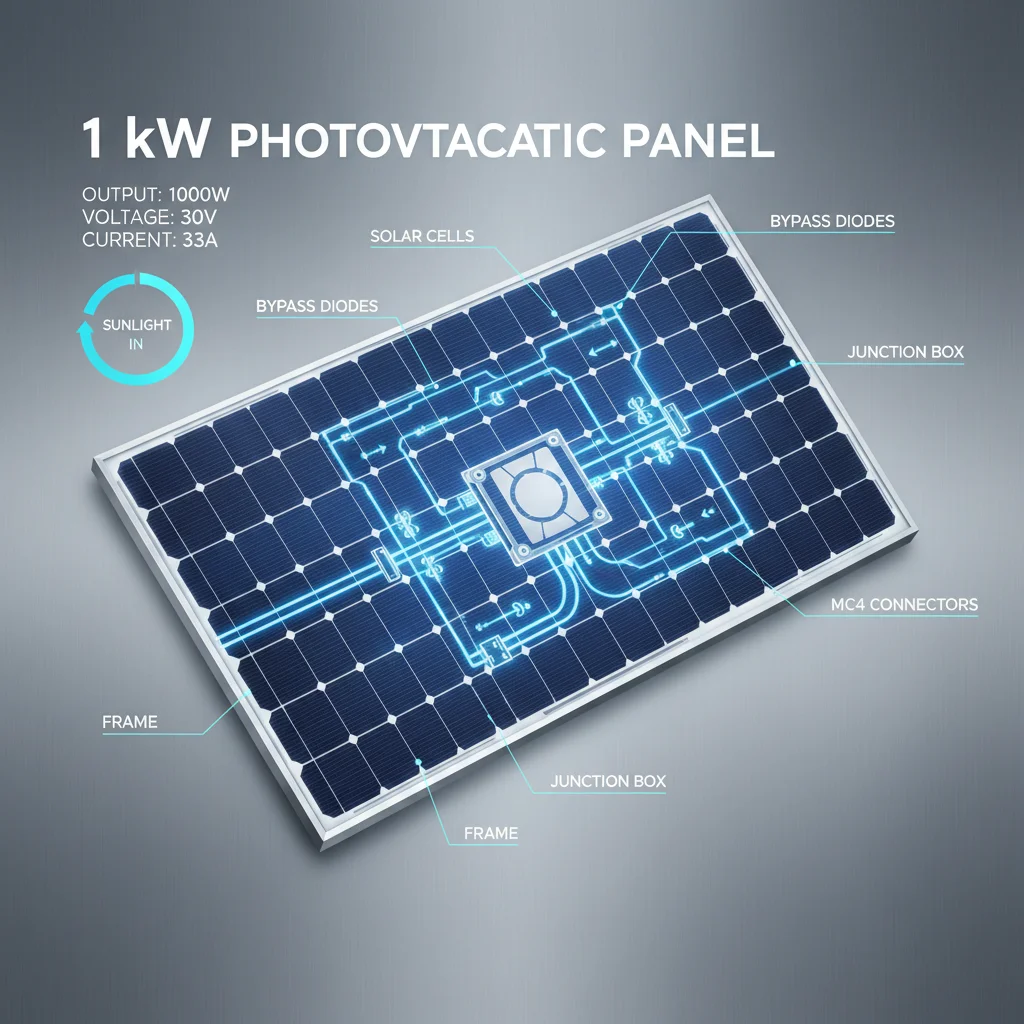
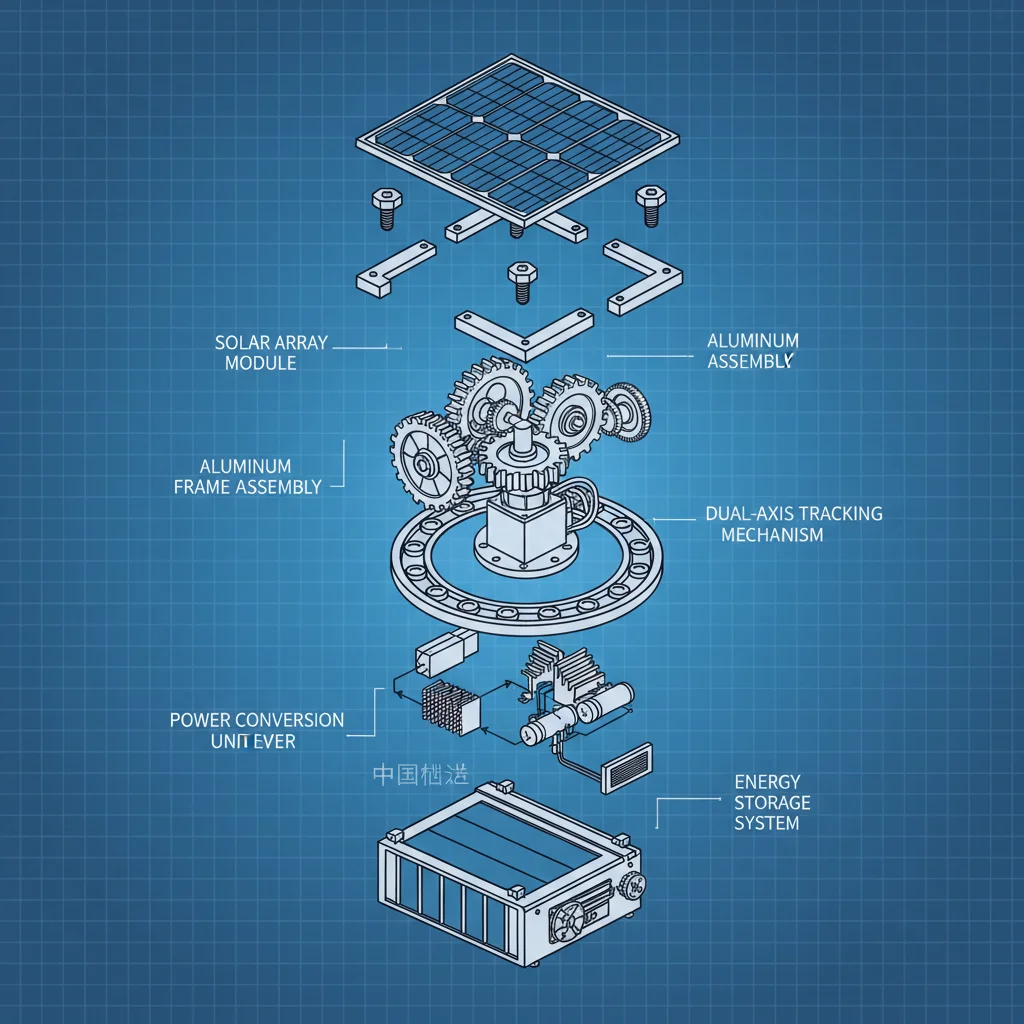
Several key factors define an effective solar system supplier. These include a broad product portfolio encompassing various solar panel technologies (monocrystalline, polycrystalline, thin-film), inverters, mounting structures, and energy storage solutions.
Another critical component is technical expertise – the ability to provide accurate system sizing, performance modeling, and troubleshooting support. A commitment to quality, backed by industry certifications (e.g., ISO 9001, IEC standards), is also essential. Furthermore, responsive customer service and efficient logistics are vital for ensuring timely project delivery and customer satisfaction.
Finally, a strong focus on sustainability and ethical sourcing is increasingly important. Solar system suppliers should prioritize environmentally responsible manufacturing processes and fair labor practices throughout their supply chain.
Real-World Applications of Solar System Suppliers
Solar system suppliers play a vital role in diverse applications across the globe. They provide solutions for residential rooftop installations, commercial and industrial power generation, large-scale solar farms, and off-grid systems in remote areas.
In post-disaster relief operations, solar system suppliers often provide rapid-deployable solar power units to provide emergency electricity to affected communities. In remote industrial zones, solar power systems supplied by specialist companies ensure uninterrupted operations where grid connectivity is limited or unreliable. Furthermore, agricultural applications, like solar-powered irrigation systems, are becoming increasingly common.
Solar System Supplier Performance Metrics
Advantages and Long-Term Value
Investing in quality solar systems from a reputable solar system supplier offers numerous advantages. These include significant cost savings on electricity bills, a reduced carbon footprint, and increased energy independence. Long-term value extends beyond financial benefits.
Solar energy contributes to a more sustainable future, promoting environmental stewardship and mitigating the impacts of climate change. It also enhances energy security and resilience, protecting against price volatility and grid disruptions. The reliability and longevity of well-maintained solar systems provide peace of mind and a lasting return on investment.
Future Trends in Solar System Supply
The future of solar system suppliers will be shaped by several key trends. Advancements in solar panel technology, such as perovskite solar cells and bifacial modules, will drive higher efficiencies and lower costs. Integration with smart grid technologies and energy storage solutions will become increasingly prevalent, enabling greater grid stability and flexibility.
Digitalization and automation will streamline supply chain processes, improve logistics, and enhance customer service. Predictive maintenance using AI and machine learning will optimize system performance and minimize downtime. Moreover, a growing emphasis on circular economy principles will lead to increased recycling and reuse of solar components.
We can anticipate greater adoption of integrated solutions – combining solar power generation with energy management systems and electric vehicle charging infrastructure – further solidifying the role of the solar system supplier as a central player in the clean energy transition.
Challenges and Mitigation Strategies for Solar System Suppliers
Despite the immense growth potential, solar system suppliers face several challenges. These include fluctuating raw material prices, supply chain disruptions, and increasing competition. Ensuring product quality and maintaining consistent performance are also ongoing concerns.
Mitigation strategies involve diversifying supply sources, building strong relationships with manufacturers, and investing in robust quality control processes. Embracing digital technologies, such as blockchain for supply chain traceability, can enhance transparency and accountability. Providing comprehensive training and support to installation partners is crucial for ensuring optimal system performance and customer satisfaction.
Finally, proactive engagement with policymakers to advocate for supportive regulations and incentives can foster a more favorable business environment for solar system suppliers and accelerate the adoption of solar energy.
Key Performance Indicators for Evaluating Solar System Suppliers
| Supplier Reputation | Product Quality & Certification | Logistics & Delivery Performance | Post-Sale Support & Warranty |
|---|
| Years in Business | IEC Certifications | On-Time Delivery Rate | Warranty Period (Years) |
| Customer Reviews & Ratings | ISO 9001 Certification | Lead Time (Days) | Response Time (Hours) |
| Industry Recognition & Awards | Product Performance Data | Shipping Costs | Availability of Spare Parts |
| Financial Stability | Material Traceability | Packaging Quality | Technical Support Availability |
| Ethical Sourcing Practices | Independent Testing Reports | Customization Options | Training Programs for Installers |
| Partnerships & Alliances | Compliance with Environmental Standards | Return Policy | Remote Monitoring Capabilities |
FAQS
When choosing a solar system supplier, prioritize their experience, product quality, certifications, customer support, and financial stability. Look for suppliers offering a comprehensive range of services, from system design and installation support to ongoing maintenance and monitoring. Consider their ability to meet your specific project requirements and their commitment to sustainability. Checking customer reviews and industry ratings can provide valuable insights.
Verify that the solar panels are certified by reputable organizations like IEC and UL. Request performance data and independent testing reports. Inquire about the supplier's quality control procedures and warranty policies. A strong warranty and transparent performance guarantees are indicators of a supplier's confidence in their products.
A reliable solar system supplier should offer comprehensive technical support, including system design assistance, installation guidance, troubleshooting, and ongoing monitoring. They should have a team of qualified engineers and technicians available to address your queries and provide timely solutions.
Lead times can vary depending on the size and complexity of the system, as well as the supplier's inventory levels. Generally, smaller residential systems may have shorter lead times (a few weeks), while larger commercial or utility-scale projects can take several months. Confirm lead times with the supplier before placing your order.
Warranties are crucial for protecting your investment. Look for suppliers offering comprehensive warranties on both the solar panels and inverters. Pay attention to the warranty duration, coverage terms, and claims process. A longer warranty period and a hassle-free claims process indicate the supplier’s commitment to quality and customer satisfaction.
A responsible solar system supplier should prioritize ethical sourcing of materials, environmentally friendly manufacturing processes, and responsible end-of-life management of solar panels. Inquire about their commitment to reducing their carbon footprint and promoting a circular economy within the solar industry.
Conclusion
In conclusion, selecting the right solar system supplier is paramount for a successful and sustainable transition to solar energy. A reputable supplier offers not only high-quality components but also expertise, reliability, and long-term support. The benefits extend beyond cost savings to encompass environmental responsibility, energy independence, and a more secure future.
As the solar industry continues to evolve, proactive engagement with qualified suppliers, careful evaluation of their capabilities, and a commitment to sustainability will be essential. For further information and to explore tailored solar solutions, visit our website: www.shaobosolar.com.