Understanding the 1kw solar panel price in china is essential for global buyers seeking a balance between upfront capital expenditure and long-term energy yield. As the primary hub for photovoltaic manufacturing, China offers a diverse spectrum of module technologies that directly influence the final cost per watt, making it the focal point for residential and commercial procurement.
The primary challenge for procurement managers and homeowners is distinguishing between nominal pricing and true value. While initial quotes may seem low, the total cost of ownership is determined by conversion efficiency, degradation rates, and mechanical durability, which can vary significantly across different manufacturer tiers.
This analysis provides a detailed breakdown of the cost drivers for 1kW systems, evaluates the technical trade-offs between monocrystalline and polycrystalline options, and establishes a professional framework for selecting high-reliability modules from the Chinese market.

Deconstructing the 1kW System Cost Structure

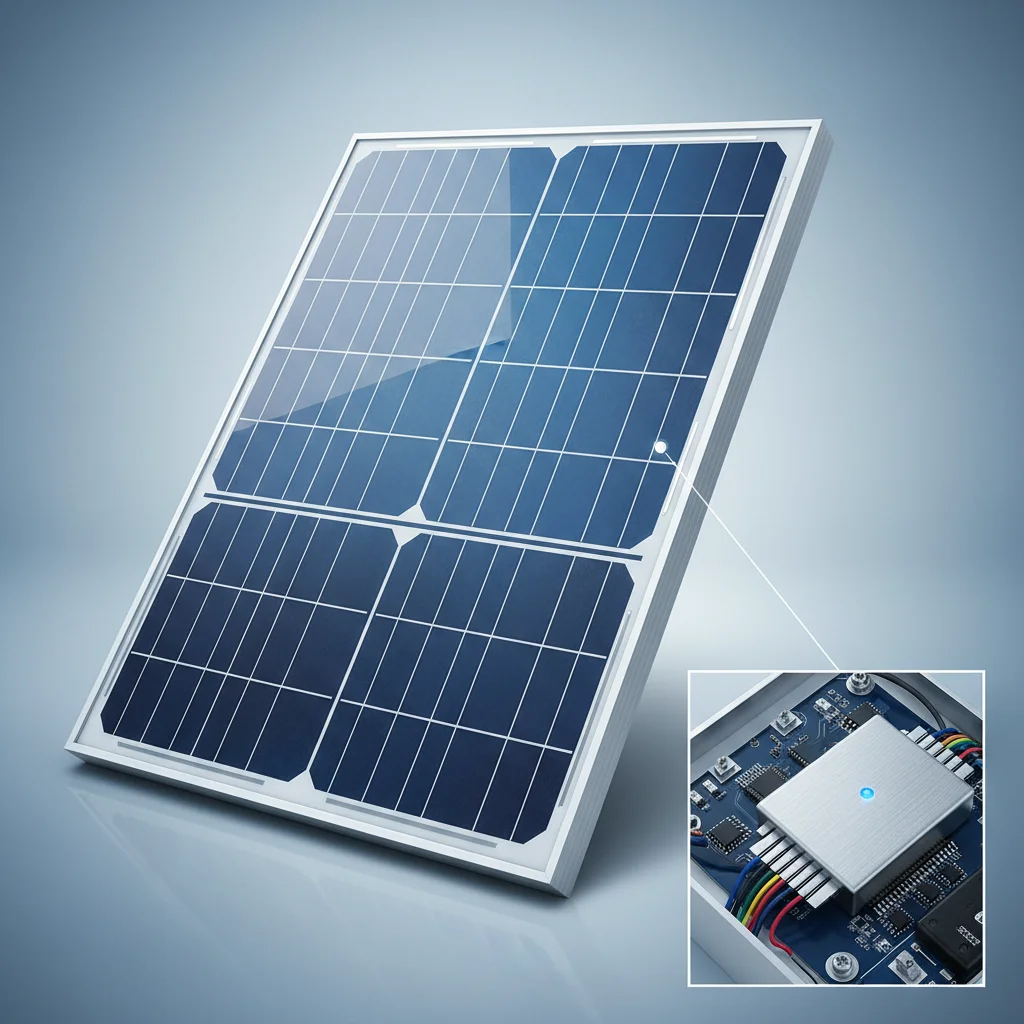
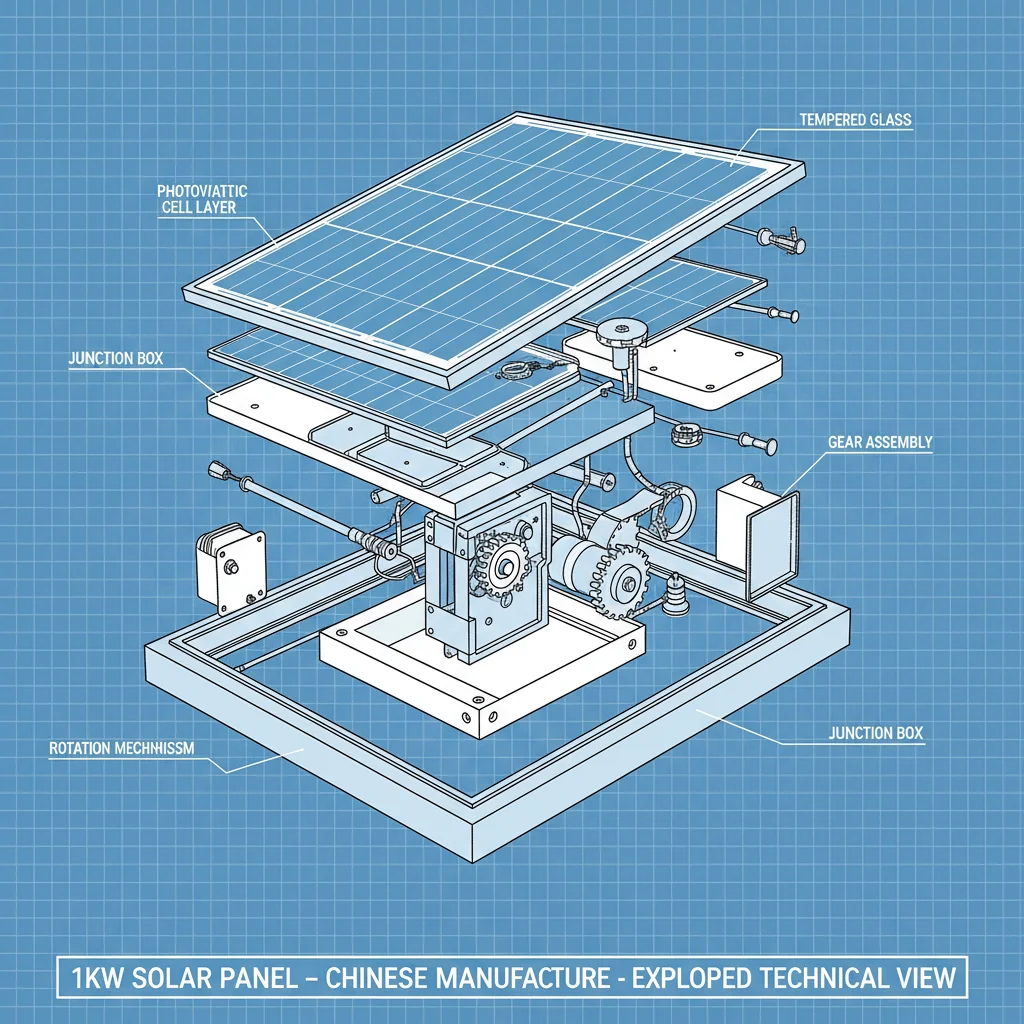
The 1kw solar panel price in china is not a static figure but a composite of several manufacturing and logistics variables. For a 1kW installation, the primary cost is the photovoltaic modules themselves, but the total expenditure includes the balance of system (BOS) components, such as aluminum frames and junction boxes. High-efficiency modules often command a premium due to the use of higher-purity silicon and advanced cell architectures.
From a manufacturing perspective, the integration of premium materials, such as low-iron tempered glass and anodized aluminium alloy frames, adds to the initial cost but significantly reduces the risk of structural failure. For instance, modules engineered to withstand mechanical loads up to 5400pa offer higher long-term value by minimizing replacement costs in extreme weather environments.
Key Technical Variables Affecting Unit Pricing
Pricing variability is largely driven by the cell efficiency and the grade of certification. Modules utilizing 36 high-efficiency cells in series, specifically designed to maximize energy harvest in low-light conditions, typically cost more than standard-grade panels. The inclusion of three bypass diodes is another cost-influencing factor, as these components prevent "hot-spotting" and maintain power output when partial shading occurs.
Certification also plays a critical role in pricing. SGS certified modules undergo rigorous third-party testing for electrical safety and performance. While non-certified panels may offer lower initial pricing, the lack of independent verification increases the operational risk, potentially leading to lower energy yields and shorter system lifespans.
Comparing Monocrystalline vs Polycrystalline Value
When analyzing the 1kw solar panel price in china, the choice between Monocrystalline and Polycrystalline technologies is the most significant decision for the buyer. Monocrystalline panels, created from a single silicon crystal, offer higher energy conversion rates and better performance in restricted spaces. This efficiency allows for a smaller physical footprint to achieve the same 1kW output, though the manufacturing process is more resource-intensive.
Polycrystalline panels are generally more affordable due to a simpler casting process. However, they exhibit lower efficiency and a higher temperature coefficient, meaning their performance drops more sharply as the panel heats up. For users with ample installation space and a strict budget, Polycrystalline is viable, but for maximizing ROI per square meter, Monocrystalline is the professional standard.
Relative Investment Return Framework
The financial viability of a 1kW system is best measured through a normalized ROI index rather than initial price alone. This illustrative framework compares the relative efficiency and lifespan of standard panels against high-performance mono-crystalline modules, highlighting the disparity in energy payback periods.
The data indicates that while high-efficiency panels have a higher initial cost, their extended operational lifespan (often exceeding 20 years) and superior conversion rates lead to a significantly shorter energy payback time. This makes the higher initial investment a more rational choice for long-term energy independence.
Evaluating Manufacturer Quality Standards
Selecting a supplier from the Chinese market requires a deep dive into their production capabilities. Professional manufacturers, such as those with large-scale facilities exceeding 20,000 square meters and multiple production lines, generally offer better consistency in cell quality and batch traceability. This industrial scale allows for stricter quality control and more competitive pricing through economies of scale.
Buyers should verify the manufacturer's adherence to international standards. The presence of specialized quality tracking and digital traceability for certifications ensures that the module delivered matches the technical data sheet. Avoid suppliers who cannot provide detailed parameters for Vmp (Max Power Voltage) and Imp (Max Power Current) across their product range.
Common Procurement Risks in China
The most common risk in sourcing 1kW systems is the "price-performance gap," where low-cost panels fail to meet their rated peak power (Pmax) in real-world conditions. This is often due to poor cell sorting or the use of inferior silicon. To mitigate this, buyers should request panels with a positive power tolerance (e.g., 0 to +5W), ensuring the module produces at least its rated capacity.
Another critical risk is mechanical fragility during shipping. High-precision solar components are susceptible to micro-cracks. Professional suppliers mitigate this through optimized logistics and the use of high-strength anodized aluminium frames that protect the cells from structural stress during transit and installation.
Optimal Selection Matrix for 1kW Arrays
To finalize the procurement of a 1kW system, buyers should use a weighted matrix that balances cost, efficiency, and durability. The following table compares typical industry approaches to 1kW system configurations to help users determine the best fit for their specific application, whether it be an off-grid RV system or a residential backup.
| Config Type | Efficiency | Durability | Best Use Case |
|---|---|---|---|
| Budget Poly | Moderate | Standard | Large Open Space |
| High-Eff Mono | High | Enhanced | Limited Roof Space |
| Off-Grid Kit | Variable | High | RVs and Cabins |
| Industrial Mono | Very High | Maximum | Commercial Sites |
| Standard Mono | High | Standard | Residential Home |
| Hybrid Array | Mixed | Variable | Custom Requirements |
Ultimately, the most cost-effective 1kW system is not the one with the lowest initial price, but the one that provides the highest energy yield per dollar over its entire operational life. This necessitates a focus on SGS certified quality and high mechanical load capacity.
Frequently Asked Questions
The primary drivers are the cell technology (Monocrystalline vs Polycrystalline), the conversion efficiency, and the quality of materials used, such as the grade of tempered glass and the strength of the aluminium frame.
Yes, although they have a higher initial cost, their superior efficiency and better performance in low-light conditions typically result in a higher total energy harvest and a better long-term ROI.
SGS certification guarantees that the modules have been tested by an independent third party and meet international safety and electrical performance standards, reducing the risk of premature failure.
High-quality modules are engineered to withstand mechanical loads up to 5400pa and are tested against hail impacts (e.g., 25mm diameter at 23m/s) to ensure long-term structural integrity.
Bypass diodes prevent power loss and protect the cells from overheating (hot-spotting) when a portion of the panel is shaded, maintaining the overall efficiency of the system.
Absolutely. Panels in the 150W to 190W range are ideal for building 1kW off-grid systems for RVs, boats, and remote cabins due to their versatility and efficiency.
Conclusion
The 1kw solar panel price in china reflects a complex intersection of material science, manufacturing scale, and certification standards. While lower-priced options exist, the most sustainable investment is found in high-efficiency Monocrystalline modules that offer SGS certified quality and robust mechanical resilience. By prioritizing conversion efficiency and long-term durability over minimal upfront costs, buyers can significantly maximize their return on investment and ensure a stable power supply.
For professionals and homeowners evaluating specific system configurations and technical parameters, detailed product specifications and procurement options are available at www.shaobosolar.com.