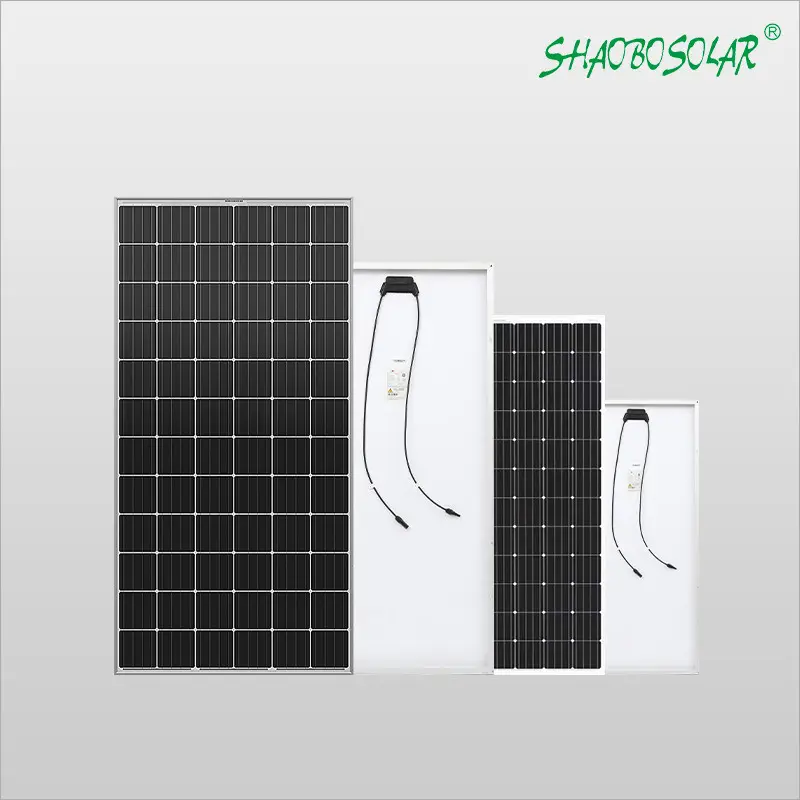
Selecting high-performance photovoltaic components requires a balance between conversion efficiency and long-term environmental resilience. Our Half Cell Poly Solar PV Modules are engineered to address these precise needs, offering a stabilized power output of 330W through an advanced SB 5BB design. By reducing cell series resistance and interconnect stress, these modules maximize energy harvest for both residential and commercial installations.
For procurement managers and engineers, the priority is often the return on investment (ROI), which is directly linked to the module's ability to perform under suboptimal conditions. With TUV Rheinland certified efficiency and integrated shading protection, these polycrystalline panels ensure that power generation remains consistent even when faced with partial obstruction or low-light irradiance, making them a strategic choice for diverse geographic climates.

The core of the 330W Poly Solar PV Module lies in its half-cell technology, which fundamentally alters the electrical flow compared to traditional full-cell panels. By splitting each cell in half, the current flowing through each busbar is reduced, which significantly lowers internal resistive losses and heat buildup. This thermal management is critical for maintaining efficiency over the module's lifespan.
Our SB 5BB (5 Busbar) design further optimizes the path for electrons, reducing the distance they must travel to reach the interconnectors. This results in a verified module efficiency of 17.5%, as confirmed by TUV Rheinland. The use of high-grade polycrystalline silicon (156.75x78.375mm) ensures a cost-effective yet powerful energy solution that does not compromise on stability.

Outdoor solar installations are constantly subjected to environmental degradation, from dust accumulation to extreme weather loads. To combat this, our modules feature a specialized anti-reflective and anti-soiling surface treatment. This coating prevents particulate matter from adhering to the glass, ensuring that maximum photons reach the silicon cells and reducing the operational cost associated with manual cleaning.
Structural integrity is equally prioritized. The modules are designed to withstand significant mechanical stress, with a certified wind load capacity of 2400Pa and a snow load capacity of 5400Pa. This ensures that the panels remain operational in harsh climates, from coastal regions with high winds to mountainous areas with heavy snowfall.
Furthermore, the integration of bypass diodes provides a critical safety layer. When partial shading occurs—such as from a nearby tree or building—the diodes allow current to bypass the shaded cells, preventing the "bottleneck" effect that often leads to cell overheating and permanent power degradation in lower-quality panels.
Implementing these modules into a larger PV system offers several operational advantages. The positive power tolerance of 0+3% guarantees that the actual output will always be at least 330W, providing engineers with a reliable baseline for system sizing and energy yield predictions. This predictability is essential for commercial projects where power purchase agreements (PPAs) depend on strict generation targets.
Low-light performance is another key differentiator. While many polycrystalline modules struggle during overcast days, our cells are engineered for high harvesting capabilities even in low-light irradiance. This expands the viable installation window throughout the year, increasing the total daily yield for the end-user.
To ensure zero-defect delivery, every module undergoes a 100% Double Electroluminescence (EL) inspection. This process acts as an X-ray, detecting micro-cracks and soldering defects that are invisible to the human eye, ensuring that only modules with perfect structural integrity leave the factory.
| Performance Metric | Standard Poly Panel | Our Half Cell Module | Operational Impact |
|---|---|---|---|
| Module Efficiency | 14% - 16% | Up to 17.5% | Higher Energy Density |
| Shading Response | High Power Drop | Minimized Loss | Stable Yield in Shade |
| Quality Assurance | Visual Check | 100% Double EL | Reduced Failure Rate |
| Degradation Resistance | Standard | PID Resistant | Long-term Durability |
| Low-Light Yield | Average | Excellent | Increased Daily Output |
For those sourcing from solar kit suppliers, the ability to customize and scale is paramount. HeBei ShaoBo Photovoltaic Technology operates a 30,000 square meter facility with five dedicated production lines, enabling a stable annual output of 800-1000MW. This capacity ensures that bulk orders for large-scale commercial projects are met without compromising on delivery timelines.
Customization options extend beyond the cells. We provide tailored frame colors—including Silver, Black, and Golden—along with various backsheet options to meet specific architectural requirements or aesthetic preferences of residential clients. This flexibility allows the modules to integrate seamlessly into a variety of building designs.
Our supply chain optimization includes rigorous binning by current, which improves electrical matching across the entire array. This precision reduces mismatch losses and enhances the overall system performance, ensuring that the inverter operates at its peak efficiency point more consistently.
As the global energy transition accelerates, the focus is shifting from mere installation to optimized lifetime value. The adoption of PID (Potential Induced Degradation) resistant materials in our modules is a proactive step toward this goal. By preventing the leakage current that typically degrades cells over time, we extend the operational life of the investment.
Integrating these modules with advanced PV monitoring platforms allows operators to track real-time energy generation and identify maintenance needs instantly. The compatibility with modern smart-grid technologies ensures that these polycrystalline panels remain relevant as energy management systems become more autonomous.
Ultimately, the transition to high-efficiency half-cell technology represents a move toward more sustainable and reliable clean energy. By combining industrial-grade durability with laboratory-verified efficiency, we provide a solution that meets the rigorous demands of the modern renewable energy market.
Half cell technology reduces current flow and internal resistance, which lowers heat buildup and improves efficiency. It also allows the panel to continue producing power even when partially shaded.
The anti-soiling coating prevents dust and dirt from adhering to the glass surface. This ensures that maximum sunlight reaches the cells, reducing the frequency of cleaning and preventing power loss.
Yes, these modules are certified to withstand heavy mechanical loads, including wind loads up to 2400Pa and snow loads up to 5400Pa, ensuring structural integrity in harsh climates.
Electroluminescence (EL) inspection acts like an X-ray for solar cells, identifying micro-cracks or defects invisible to the naked eye. Double inspection ensures 100% defect-free delivery.
Absolutely. These modules are specifically engineered for outstanding performance in low-light irradiance environments, making them ideal for regions with frequent cloud cover.
A positive power tolerance of 0+3% means the actual power output of the module will be equal to or greater than the rated 330W, but never less, guaranteeing the specified performance.
Ready to optimize your energy yield with high-efficiency solar modules? Contact our engineering team today for a detailed technical consultation and customized project configuration.


Hit enter to search or ESC to close