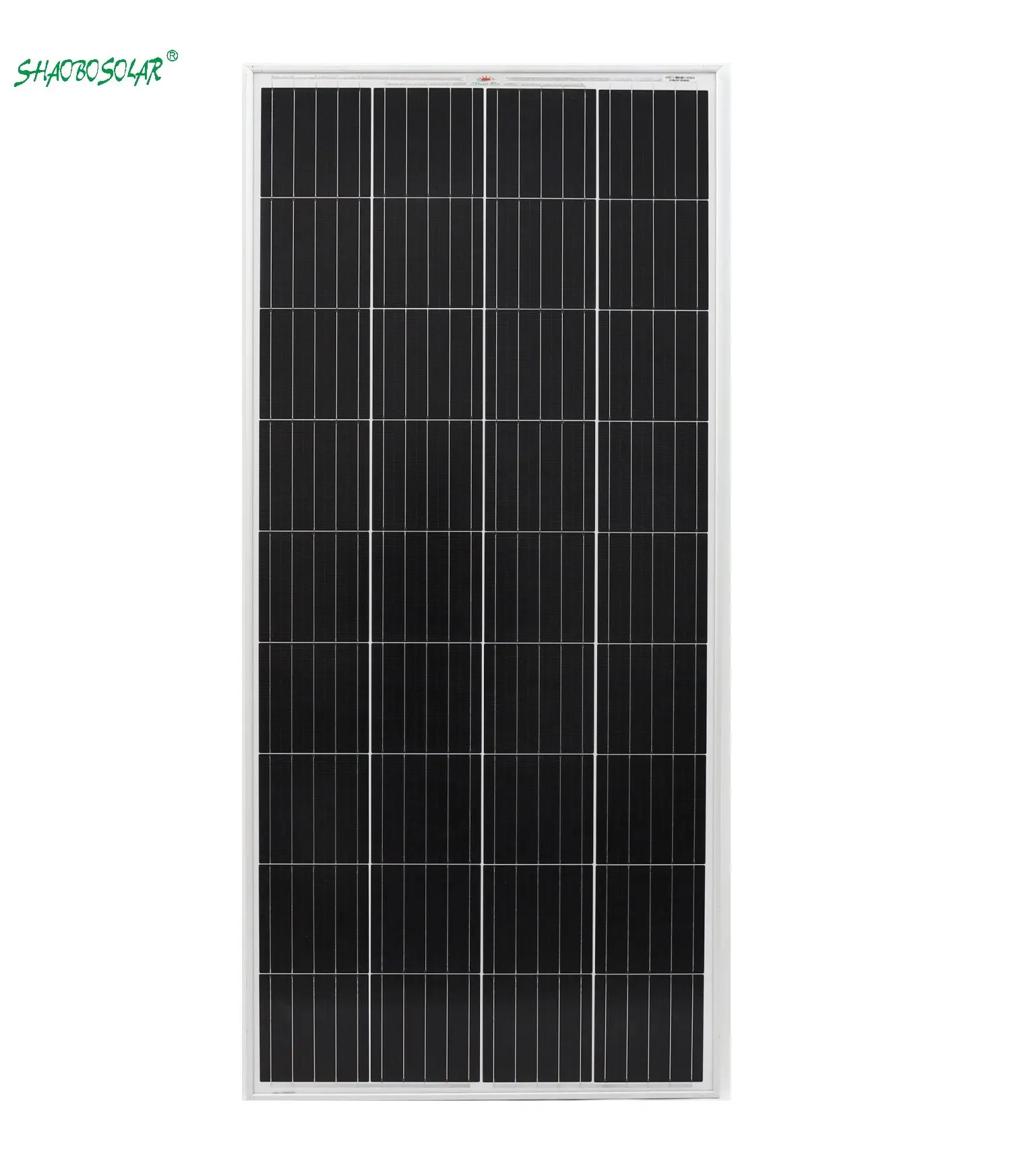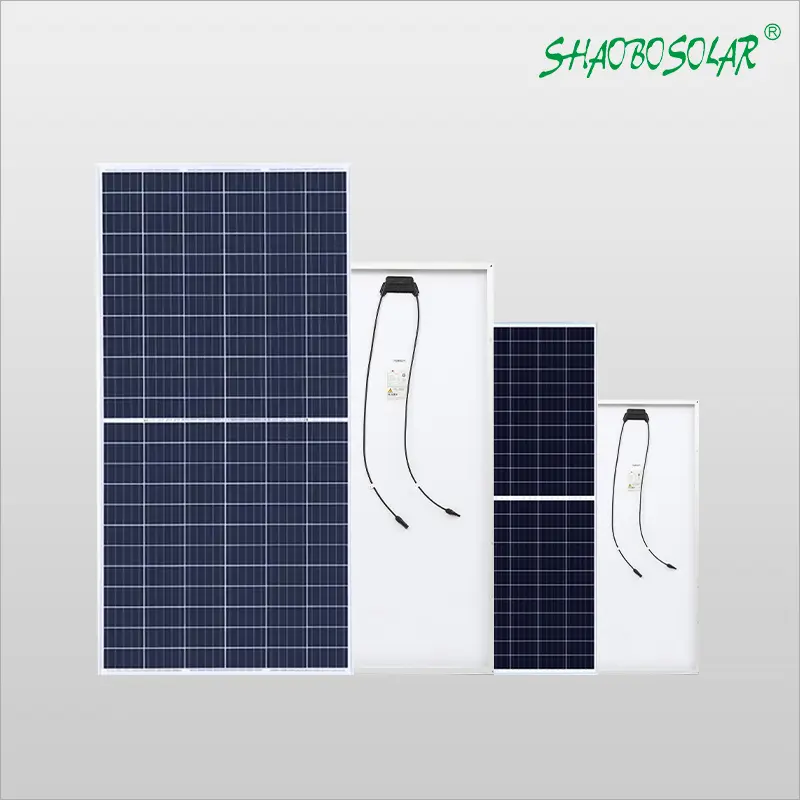
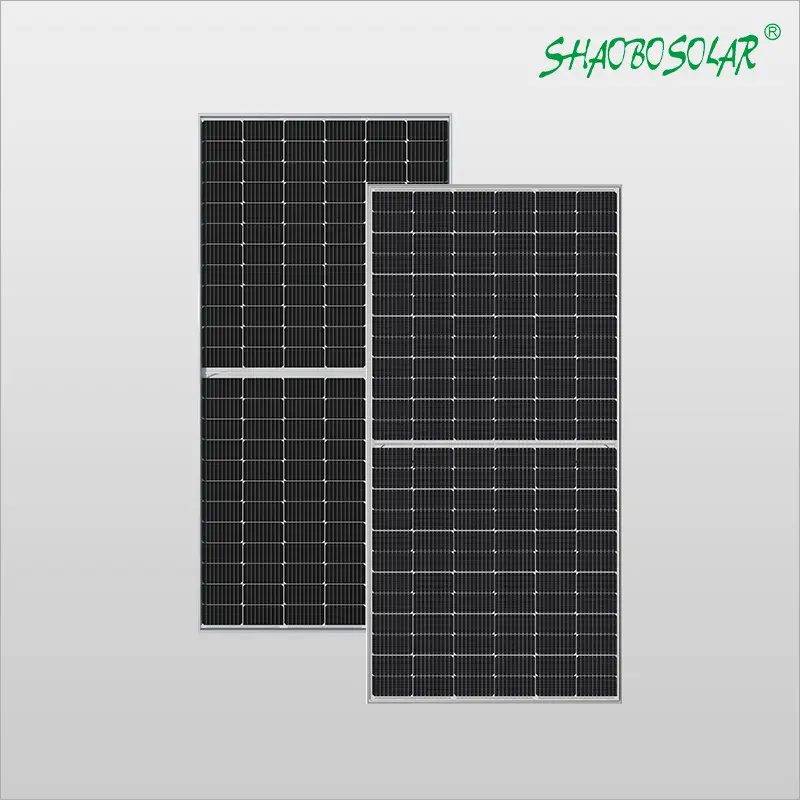
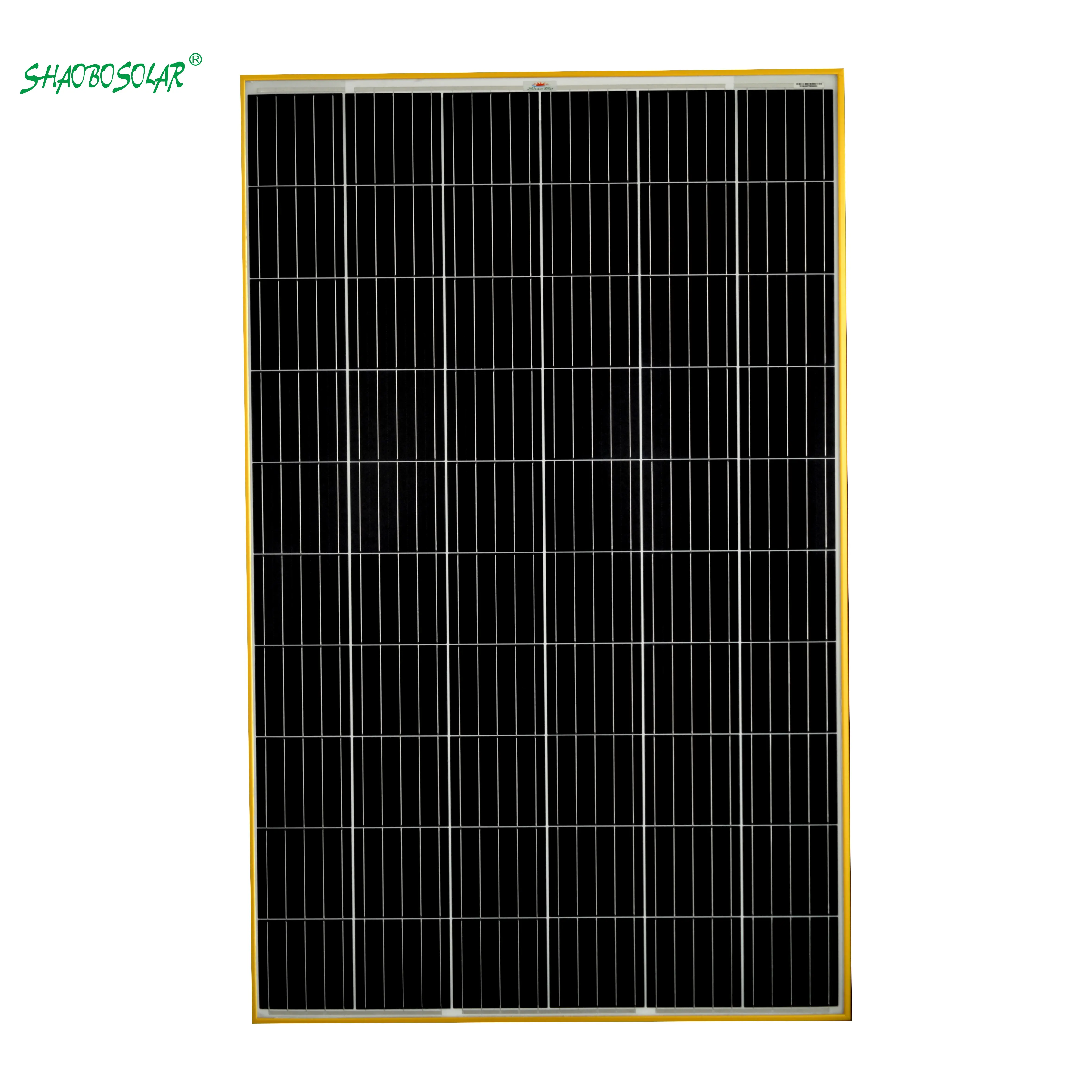
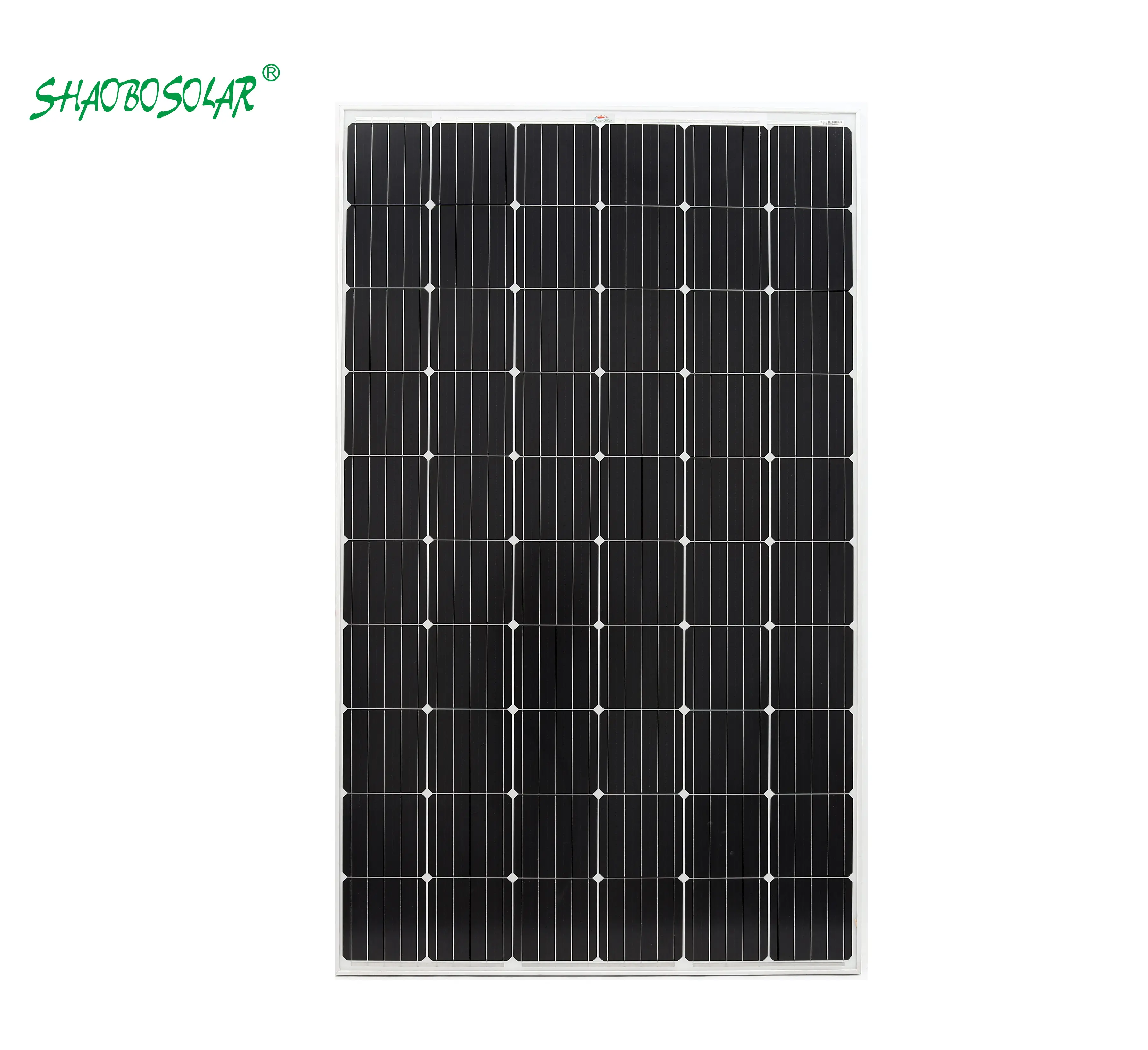
HighEfficiency monocrystalline solar panels Solutions for Peru

HighEfficiency monocrystalline solar panels Solutions for Peru

High-Efficiency monocrystalline solar panels Solutions for Peru

Empowering Peruvian industries and households with cutting-edge photovoltaic technology designed for high-altitude and coastal climates.

High-Efficiency monocrystalline solar panels Solutions for Peru

Providing sustainable energy infrastructure through advanced solar cell manufacturing, optimizing energy yield across the diverse Peruvian topography.

Solar Energy Landscape in Peru

Analyzing the adoption of PV technology in the South American market

Peru possesses some of the highest solar irradiation levels in South America, particularly in the southern coastal and Andean regions. The current market is seeing a rapid shift toward solar panels as the government pushes for rural electrification and the reduction of carbon emissions in the mining sector.

Despite the potential, the geographical diversity—from the humid Amazon to the arid coast—requires specialized equipment. There is a growing demand for mono solar panel technology due to its superior efficiency in limited space, making it ideal for urban residential areas in Lima.

Economic drivers, including rising electricity costs and corporate sustainability mandates, have accelerated the transition toward a comprehensive house solar power system, enabling energy independence for millions of Peruvian citizens.
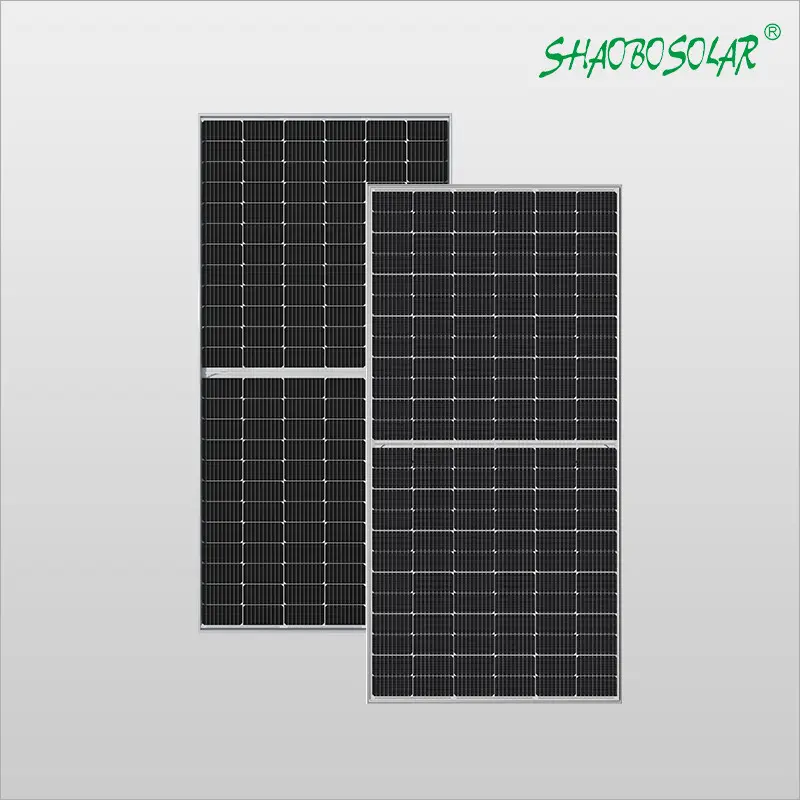
Evolution of PV Technology in Peru

From basic electrification to intelligent energy management

Market Development History

In the early 2010s, the Peruvian market was dominated by basic polycrystalline solar panel installations. These were primarily used for small-scale remote lighting projects in the Andes due to their lower initial cost and robustness.

Between 2015 and 2020, a technical pivot occurred. The industry shifted toward PERC (Passivated Emitter and Rear Cell) technology, significantly increasing the conversion rates and making utility-scale solar farms viable in the Arequipa region.

From 2021 to the present, the market has entered the "Efficiency Era." High-density monocrystalline cells have become the gold standard, integrating with smart inverters to create a stable energy grid for both industrial and residential users.

Future Development Trends

Bifacial Module Integration

Predicting a surge in bifacial panels that capture sunlight from both sides, especially in the sandy coastal regions of Peru to maximize albedo energy gain.

TOPCon and HJT Transition

Transitioning from traditional P-type to N-type cells (TOPCon) to reduce LID (Light Induced Degradation) and increase longevity in high-UV environments.

Smart Storage Synergy

The integration of AI-driven battery storage with solar arrays to solve the intermittency problem for Peruvian mining operations.

Industry Trends and Future Outlook

Projecting the trajectory of solar energy in Peru for the next 5 years

Decentralized Micro-grids
Expansion of off-grid systems in the Amazonian rainforest to provide basic healthcare and education power.
Agrivoltaics Adoption
Combining crop production with solar panels to optimize land use in Peru's fertile valleys.
Net Metering Policy
Regulatory shifts allowing Peruvian homeowners to sell excess energy back to the national grid.
Hydrogen Integration
Using solar power to produce green hydrogen for the heavy transport industry in Peruvian mining hubs.

Industry Outlook

Based on Google search trends in the region, there is a marked increase in queries regarding "energy independence" and "solar installation costs in Peru." This indicates a shift from government-led projects to consumer-driven demand.

Over the next 3-5 years, we expect a 40% increase in the installation of hybrid systems that combine high-efficiency monocrystalline solar panels with lithium-iron-phosphate (LiFePO4) batteries.

Localized Solar Applications in Peru

Tailored photovoltaic solutions for Peru's unique environmental challenges

01. High-Altitude Mining Camps

Implementing reinforced solar arrays that can withstand extreme UV exposure and temperature fluctuations in the Andes to power remote mineral extraction sites.

02. Coastal Urban Residences

Deployment of a compact house solar power system in Lima, utilizing rooftop space to reduce dependence on the municipal grid during peak hours.

03. Amazonian Community Centers

Installing ruggedized, waterproof solar kits to provide reliable electricity for refrigeration of medicines and satellite communication in deep jungle regions.

04. Agricultural Irrigation Systems

Using solar-powered water pumps in the Ica region to enable sustainable farming while reducing the operational cost of diesel generators.

05. Industrial Warehousing

Covering large logistics centers with utility-scale monocrystalline arrays to achieve carbon neutrality and lower overhead costs for Peruvian exporters.

Brand Story

Global Development Journey of Hebei Shaobo Solar Technology Co., Ltd.

Foundational Excellence

Established with a mission to democratize high-efficiency energy, focusing on the R&D of high-purity silicon cells to solve the problem of low energy yield in cloudy climates.

Technological Breakthrough

Perfecting the mass production of monocrystalline technology, reducing manufacturing waste by 20% and increasing module durability for harsh environments.

Global Market Expansion

Entering the South American market, tailoring product specifications to meet the high-altitude requirements of the Andean region.

Sustainability Leadership

Implementing a closed-loop recycling system for silicon wafers, ensuring that our growth does not come at the expense of the planet.

The Future Vision

Striving to become the world's most trusted provider of integrated solar solutions, bridging the energy gap for the last mile of humanity.

Frequently Asked Questions in Peru

Expert answers to common solar energy queries in the Peruvian market

Which is better for Peru's coast, monocrystalline or polycrystalline solar panels?

For coastal cities like Lima where space is limited and humidity is high, monocrystalline panels are superior due to their higher efficiency and better performance in low-light conditions compared to polycrystalline options.

How do I choose the right house solar power system for an Andean home?

You should prioritize systems with high-capacity battery storage and panels rated for high-altitude UV exposure to ensure a stable power supply during the Andean winter.

What is the average lifespan of a mono solar panel in Peru?

Most high-quality mono solar panels are warranted for 25 years, though they can often function for 30+ years with minimal efficiency loss if maintained properly.

Can solar panels operate effectively during the "Garúa" mist in Lima?

Yes, while mist reduces peak output, modern monocrystalline cells are designed to capture diffuse light, ensuring that your system still generates electricity even on overcast days.

Are polycrystalline solar panels still viable for rural Peruvian projects?

Yes, for very large-scale rural installations where space is not a constraint and budget is the primary driver, polycrystalline panels remain a cost-effective solution.

How do I maintain my solar installation in dusty Peruvian mining areas?

Regular dry-brushing or automated water-cleaning systems are recommended to remove dust and particulate matter, which can otherwise create "hot spots" and reduce efficiency.

Ready to Transition to Solar?

Contact our technical engineering team today for a customized energy audit and installation plan tailored for Peru.

Contact Us Now

If you are interested in our products, you can choose to leave your information here, and we will be in touch with you shortly.