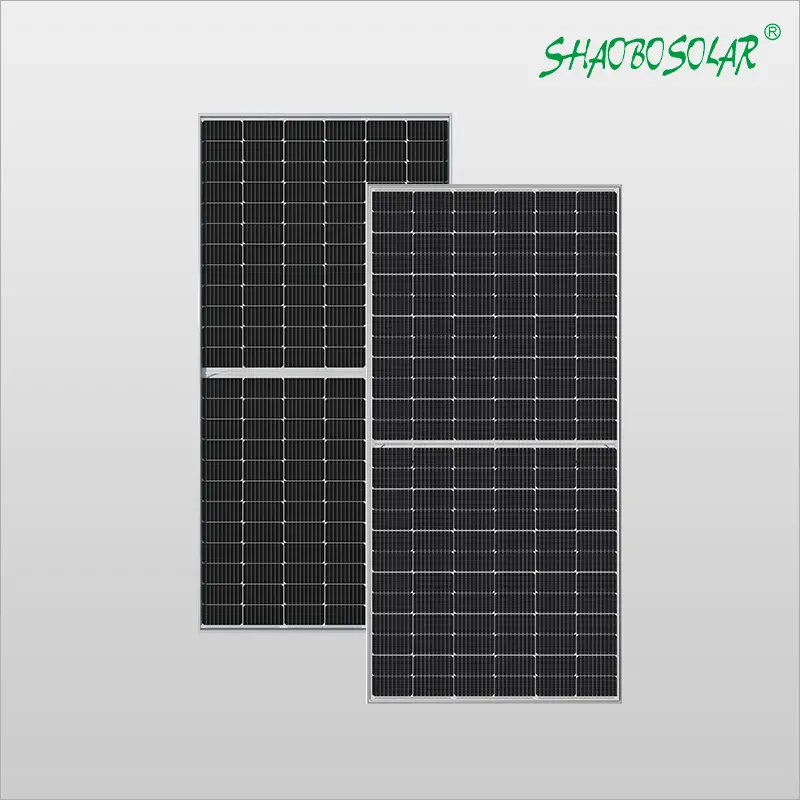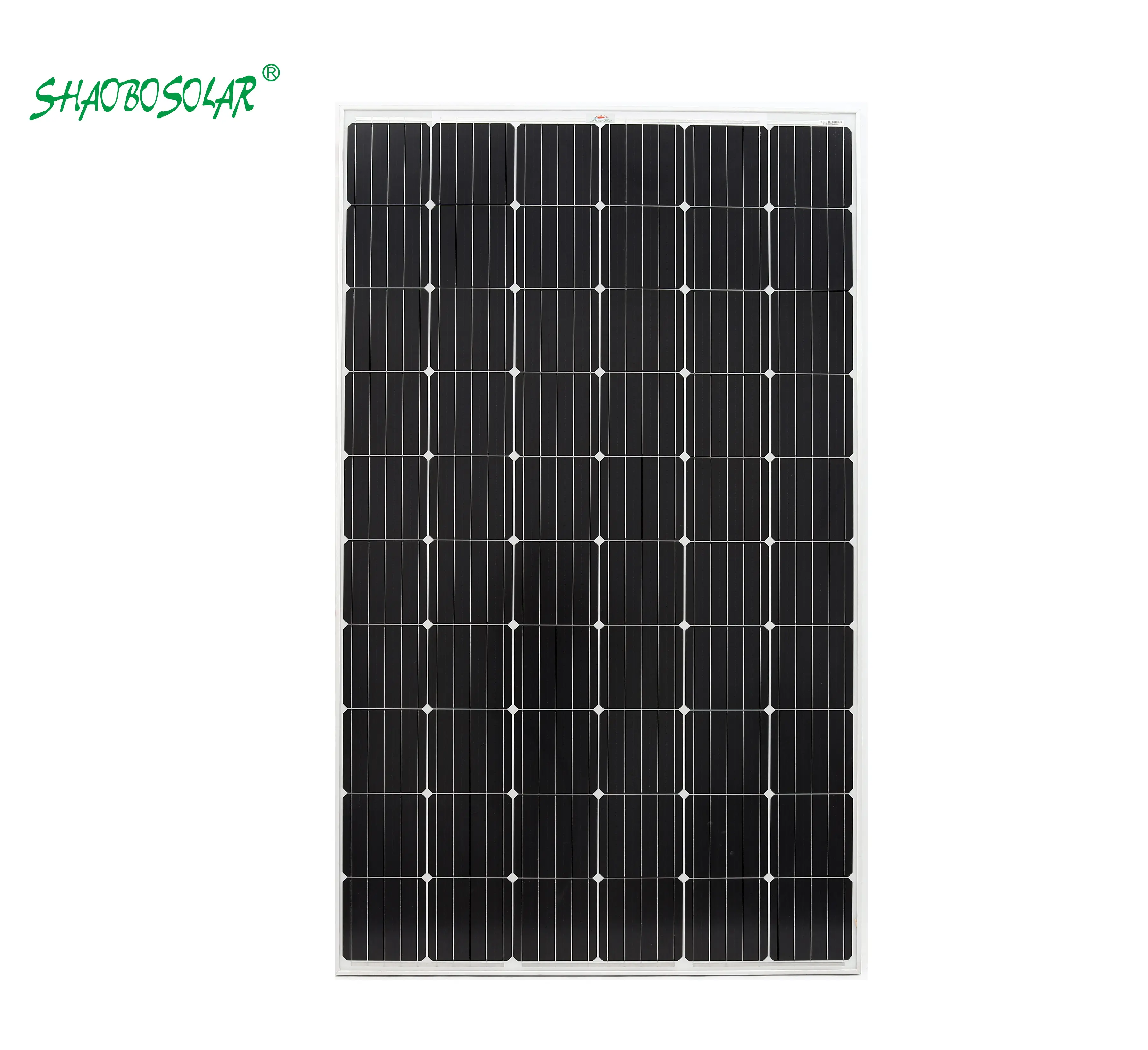
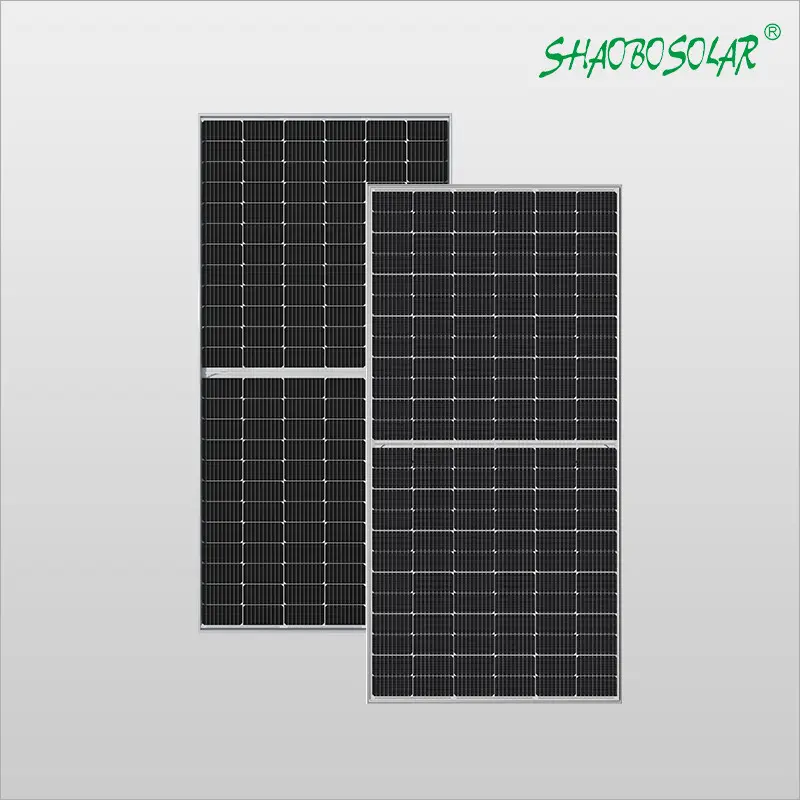
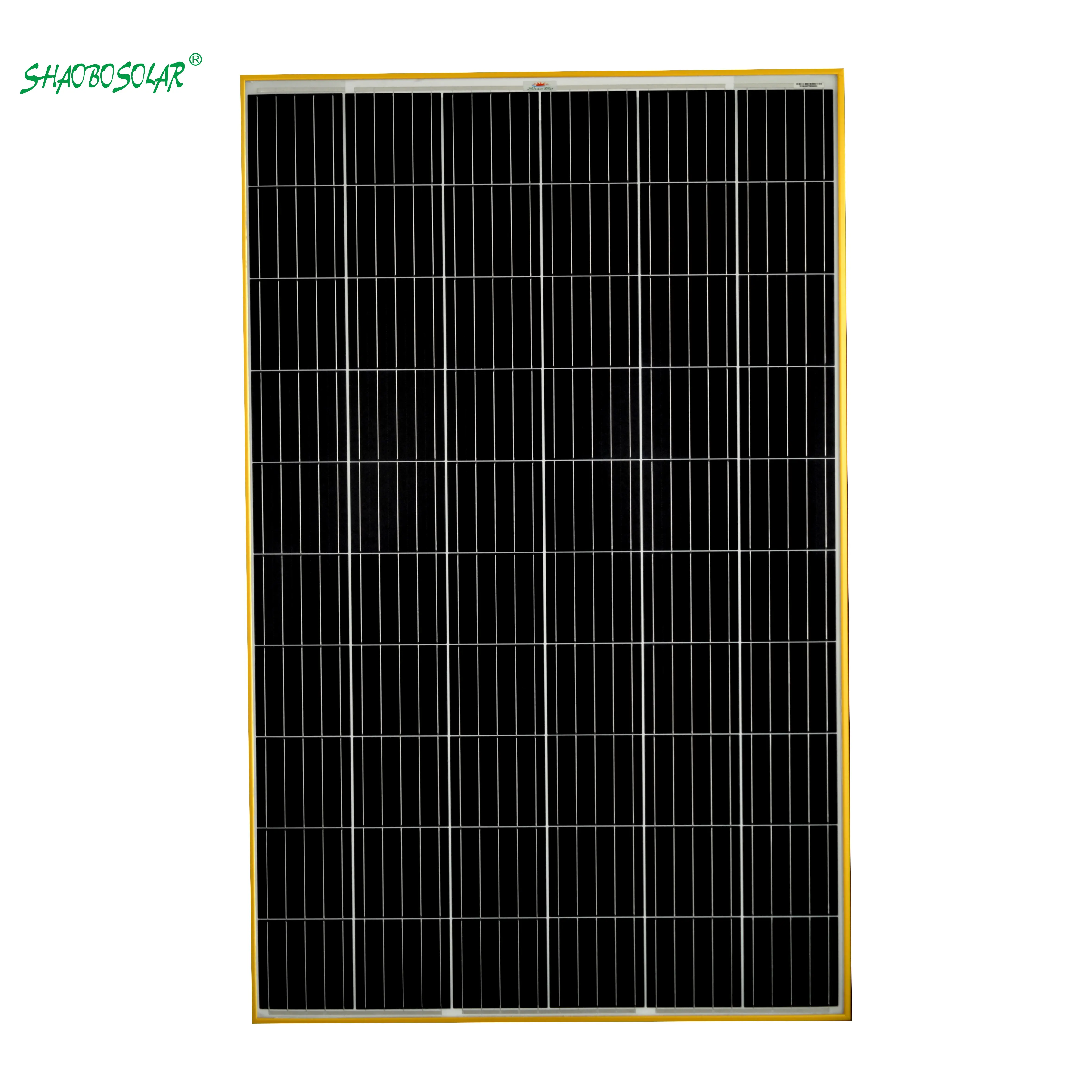
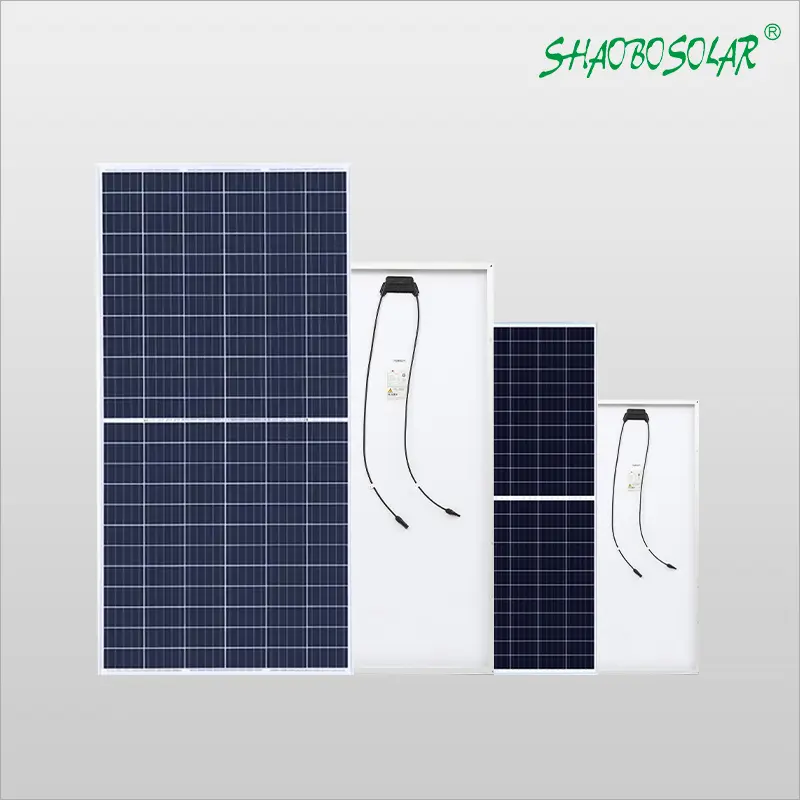
Sweden presents a unique challenge for solar panels due to its extreme seasonal variance in daylight hours. While summer offers nearly 24-hour sunlight, winter requires panels with superior low-light performance and high efficiency to capture limited photons.
The Swedish market has seen a massive shift toward the house solar power system model, driven by government incentives and a deep-rooted cultural commitment to sustainability. Residents are increasingly opting for integrated storage solutions to bridge the gap between summer surplus and winter deficit.
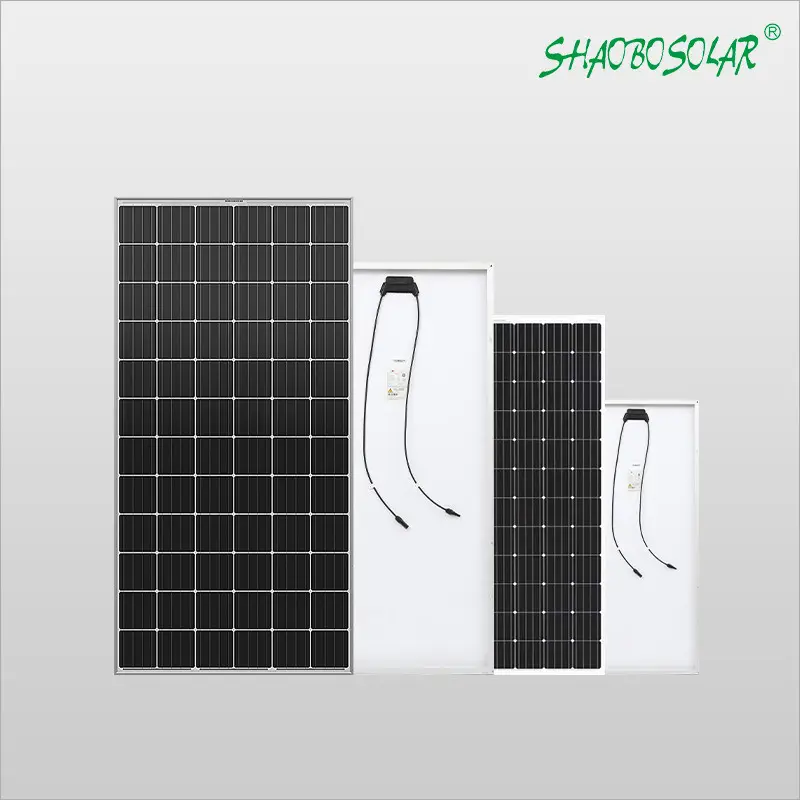
Technically, the cold climate actually benefits the conductivity of silicon cells, meaning that high-quality mono solar panel installations often exceed performance expectations during the bright, crisp spring months when thermal degradation is minimized.