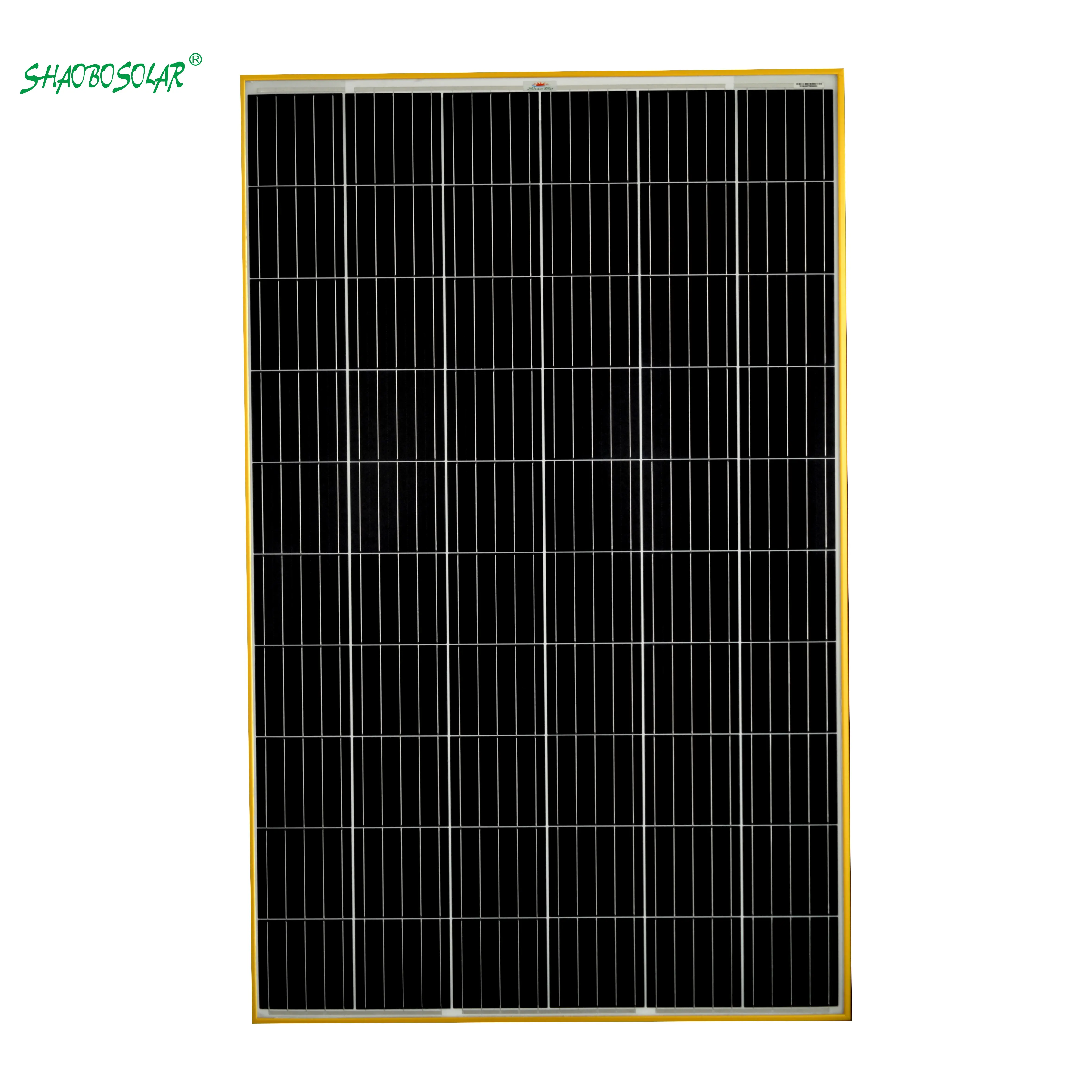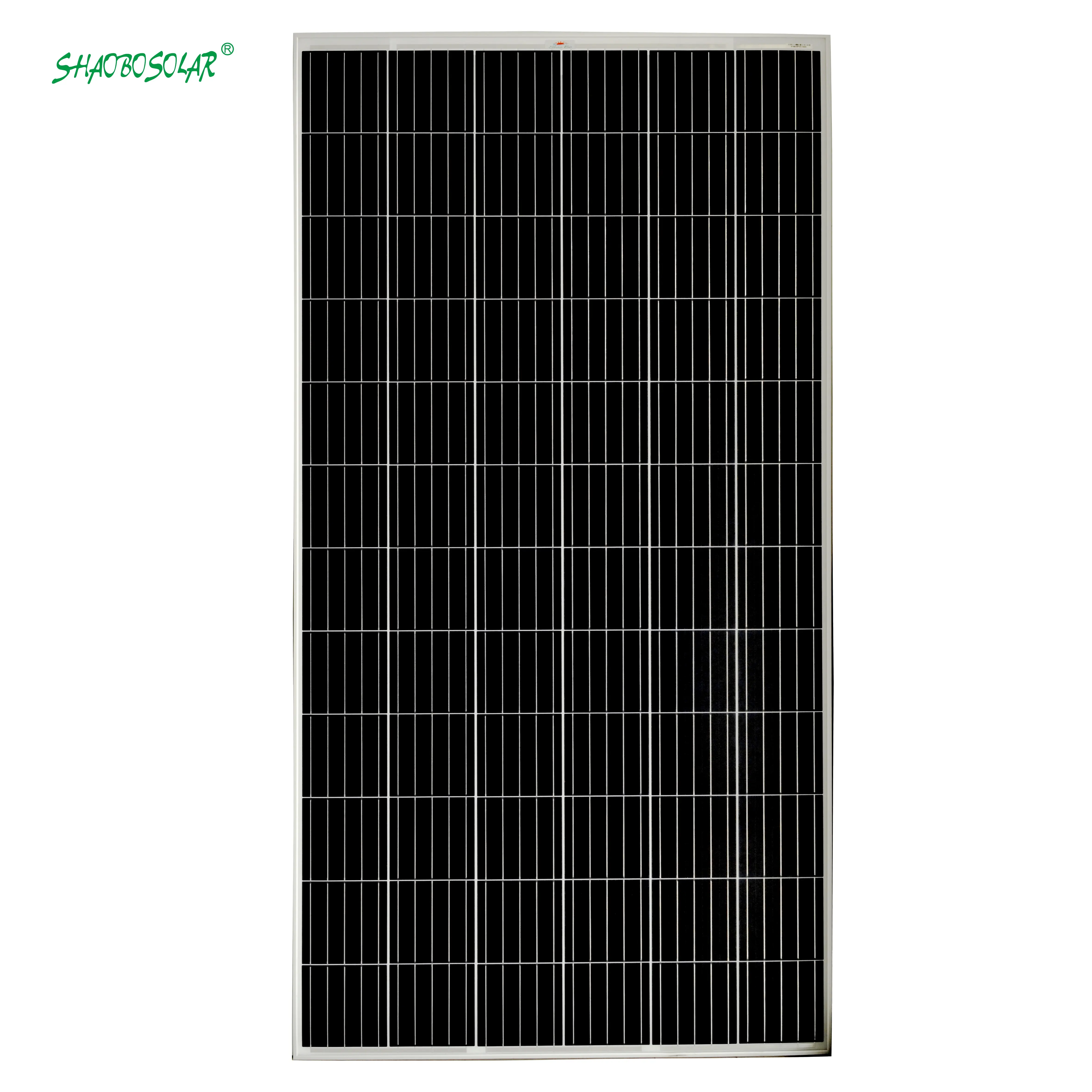
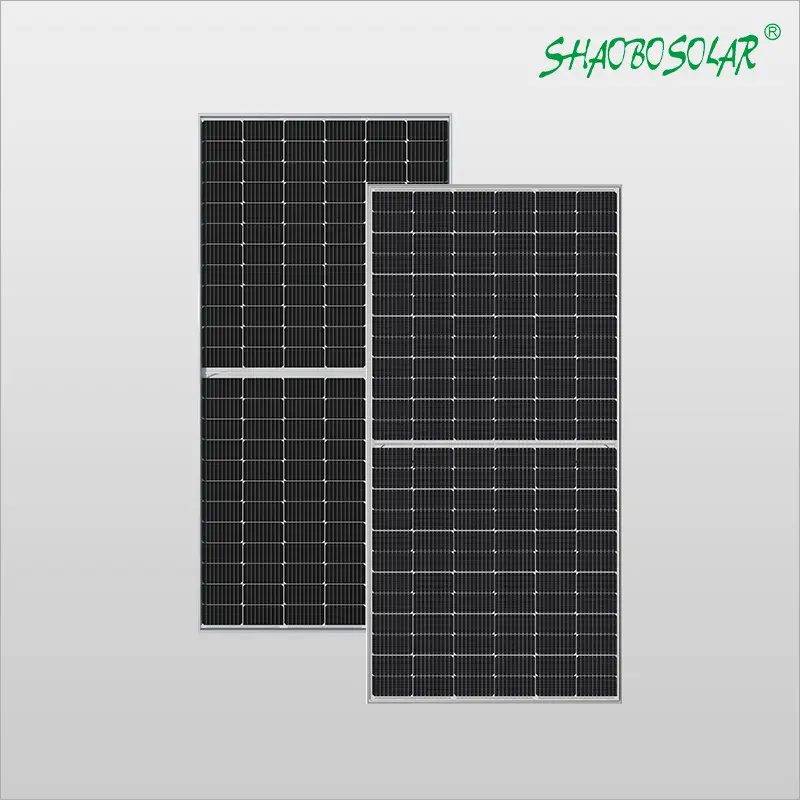
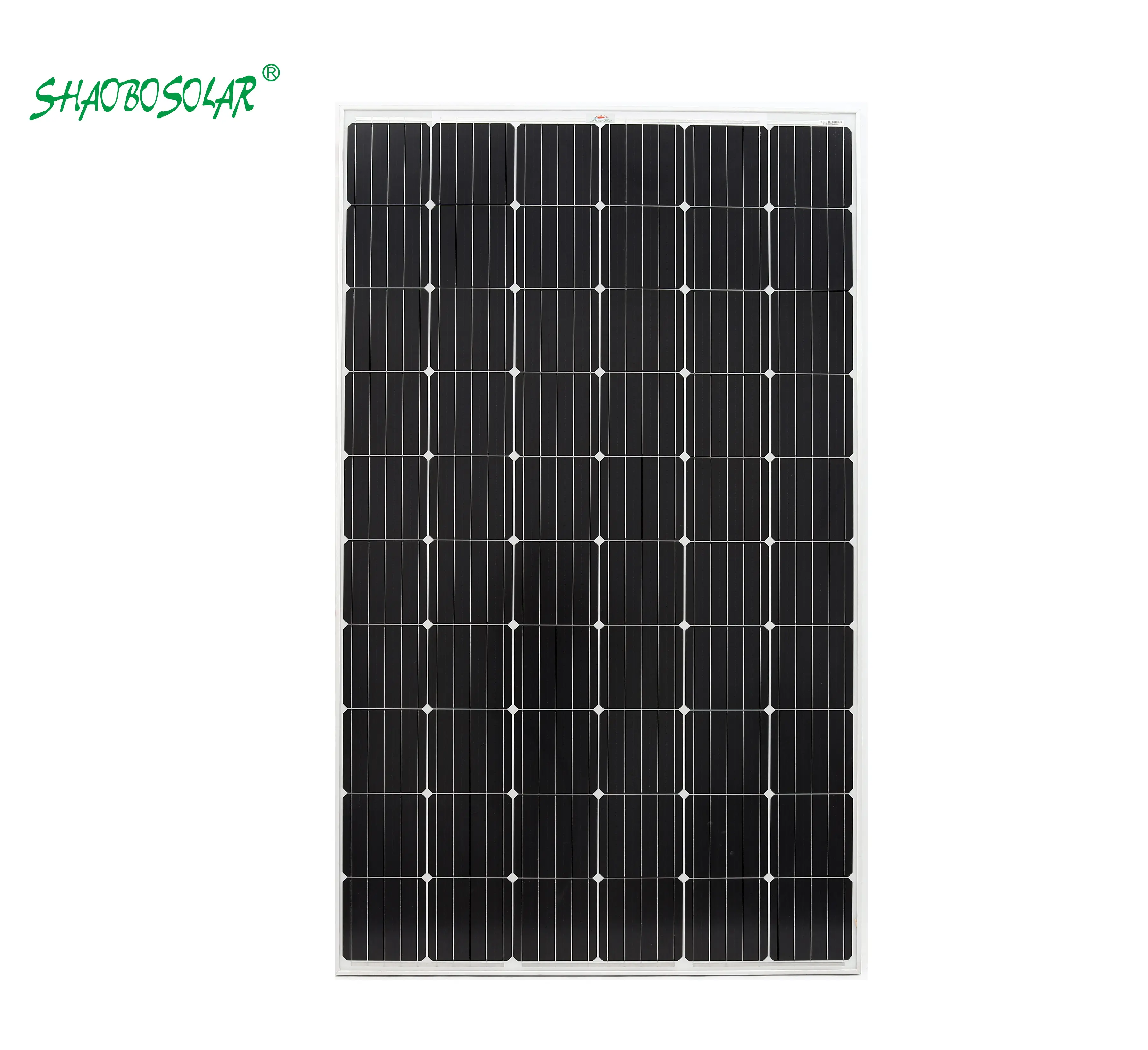
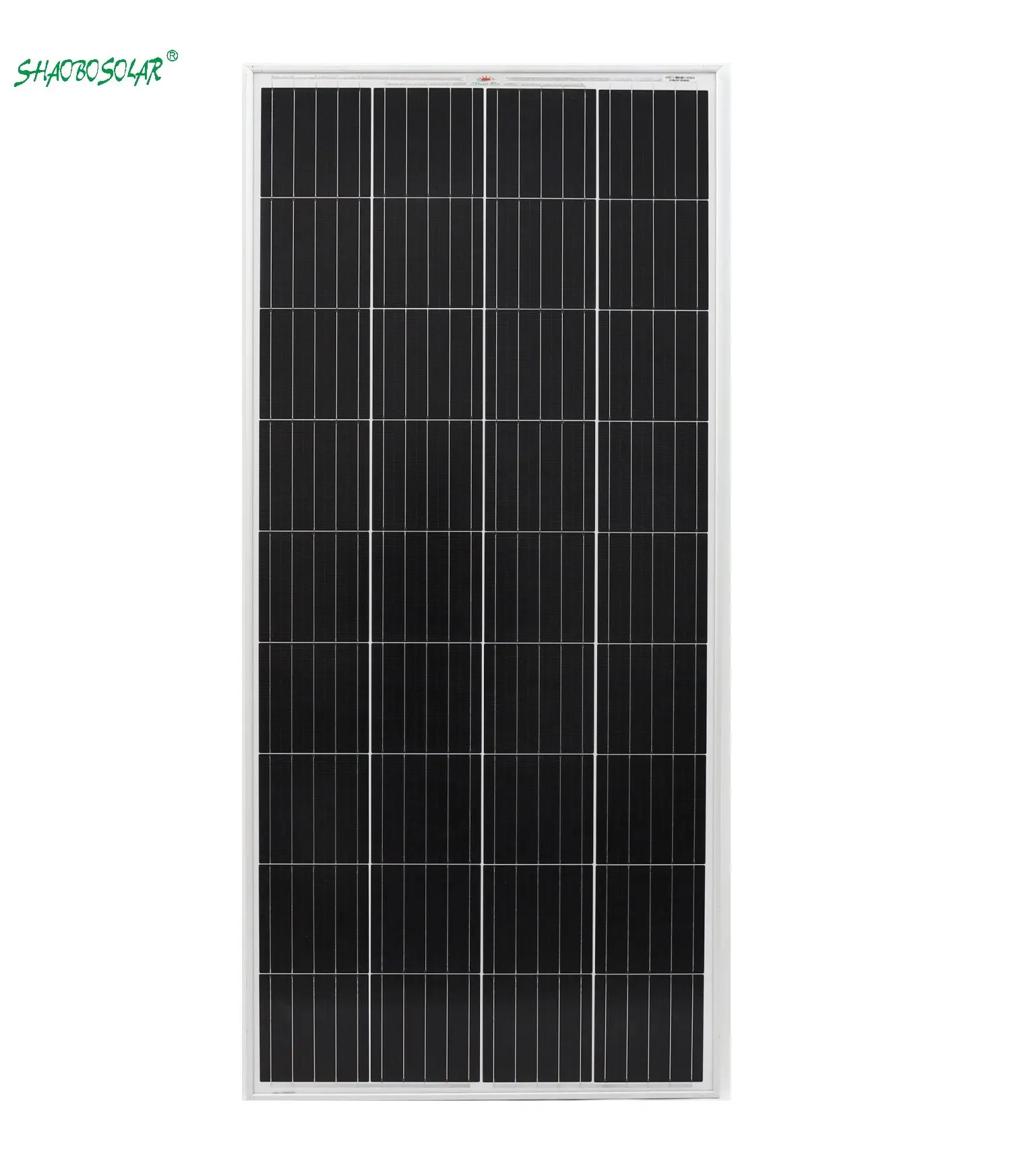
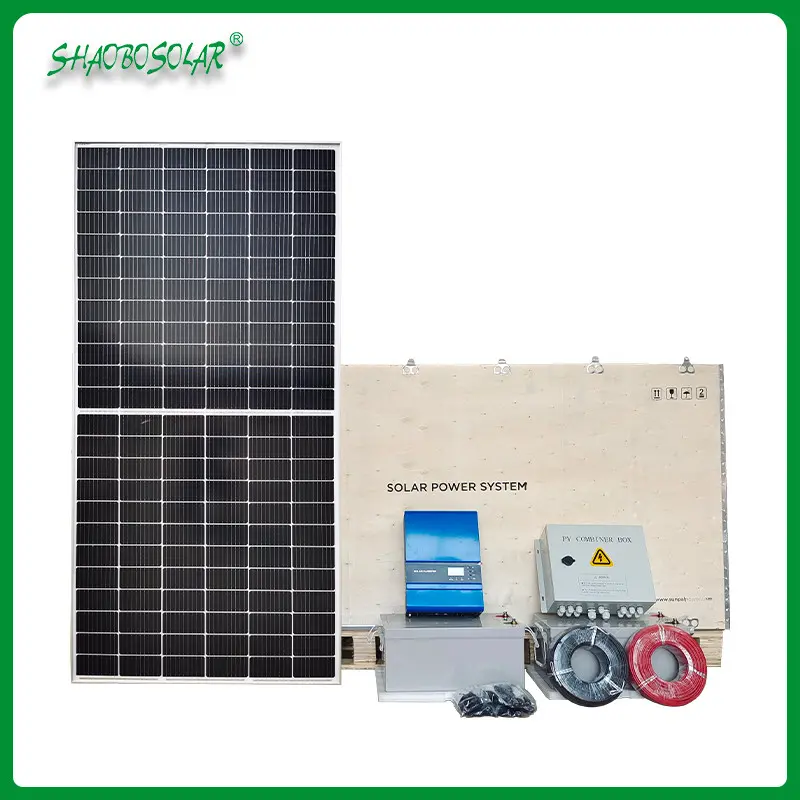
HighEfficiency monocrystalline solar panels for India’s Energy Future

HighEfficiency monocrystalline solar panels for India’s Energy Future

High-Efficiency monocrystalline solar panels for India's Energy Future

Empowering Indian households and industries with sustainable, high-yield photovoltaic solutions designed for tropical climates.

High-Efficiency monocrystalline solar panels for India's Energy Future

Providing cutting-edge solar technology to combat energy instability and reduce electricity costs across India's diverse geographical landscape.

The Solar Energy Landscape in India

Analyzing the adoption of photovoltaic technology in South Asia's fastest-growing energy market.

India possesses one of the highest solar irradiance levels globally, making the deployment of solar panels a strategic necessity. From the Thar Desert to the humid coasts, the demand for reliable energy has surged due to frequent grid instability and a strong government push via the National Solar Mission.

The market is currently transitioning from large-scale utility farms to decentralized energy. A growing number of urban residents are investing in a house solar power system to achieve energy independence and benefit from net-metering policies implemented by state electricity boards.

Despite the growth, the Indian market faces challenges with high ambient temperatures. This has led to a shift in preference toward high-temperature coefficient modules, where the efficiency of mono solar panel technology is outperforming traditional alternatives in limited roof spaces.
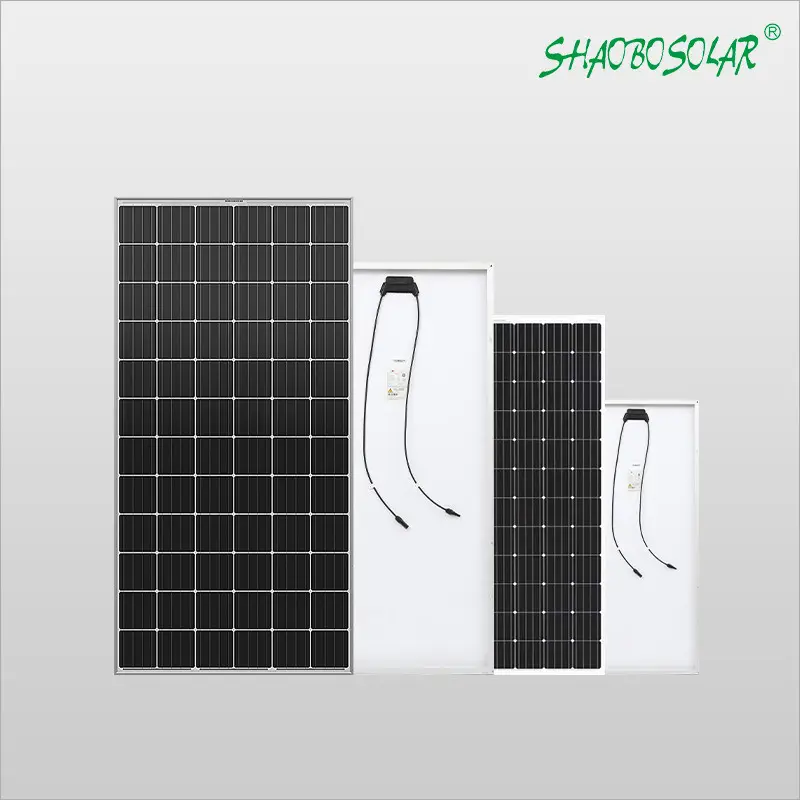
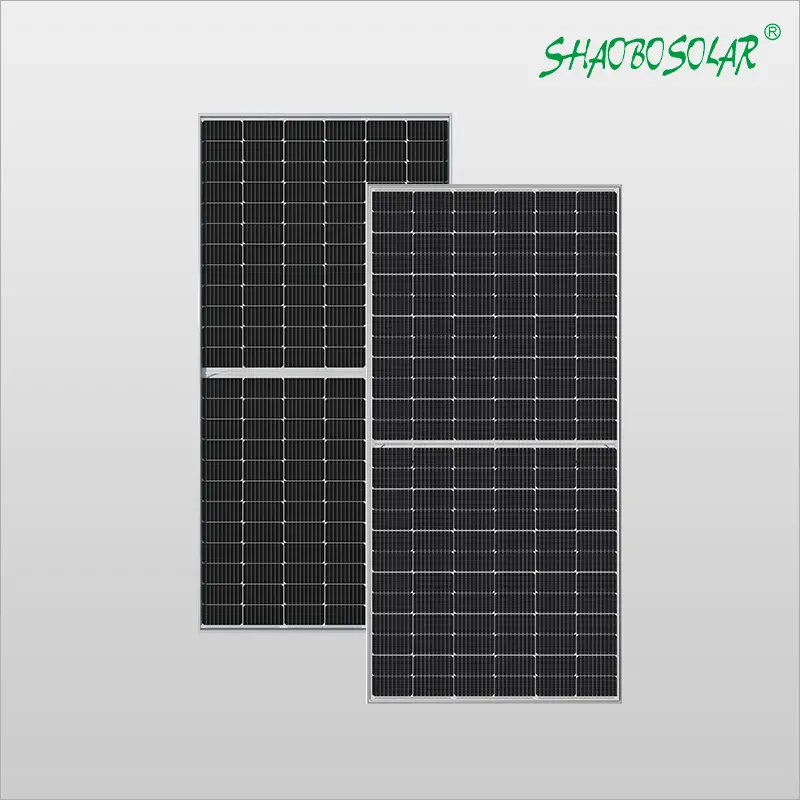
Evolution of Solar Technology in India

From early polycrystalline adoption to the era of high-efficiency N-type cells.

Market Development History

Between 2010 and 2015, the Indian market was dominated by polycrystalline solar panel installations. These were favored for their lower production costs, making solar energy accessible for large-scale agricultural irrigation projects in rural regions.

From 2016 to 2020, a significant technological pivot occurred. As the cost of silicon wafers dropped, the industry shifted toward PERC (Passivated Emitter and Rear Cell) technology, greatly increasing the energy density per square meter and improving low-light performance.

Since 2021, the focus has moved toward TOPCon and HJT technologies. This era is defined by the mass adoption of high-efficiency modules that can withstand India's extreme heat while maintaining a higher degradation rate over 25 years.

Future Development Trends

Integration of Bifacial Modules

Expect a surge in bifacial technology that captures sunlight from both sides, maximizing yield in sandy or reflective terrains common in Western India.

Smart Energy Storage Synergy

The fusion of PV modules with advanced LiFePO4 battery systems to create fully autonomous off-grid power solutions for remote villages.

AI-Driven Efficiency Optimization

Integration of IoT and AI for real-time monitoring and automated cleaning systems to prevent "soiling loss" caused by Indian dust storms.

Industry Trends and Future Outlook

Strategic forecasting for the next 3-5 years of the Indian photovoltaic sector.

N-Type Cell Dominance
Shift towards N-type TOPCon cells to eliminate LID (Light Induced Degradation) and boost efficiency to over 22%.
Residential Micro-Grids
Rapid expansion of localized energy storage systems coupled with rooftop PV to stabilize voltage in tier-2 cities.
Agri-PV Integration
Development of semi-transparent panels that allow specific light spectrums for crop growth while generating power.
Policy-Driven Scaling
Alignment with the 'PM-KUSUM' scheme to replace diesel pumps with solar-powered alternatives nationwide.

Industry Outlook

The Indian solar market is projected to maintain a CAGR of over 15% as the country aims for 500GW of non-fossil fuel capacity by 2030. This growth will be driven by a shift from CAPEX-heavy models to OPEX-based solar leasing for SMEs.

Technologically, the focus will shift towards "Extreme Environment" certifications. Panels that can maintain high efficiency at 70°C and resist high salinity in coastal regions like Gujarat and Tamil Nadu will dominate the premium segment.

Localized Solar Applications in India

Practical deployment scenarios tailored to India's unique environmental and economic conditions.

01. Urban Rooftop Residential Power

Implementing a house solar power system in cities like Bangalore and Delhi to reduce dependence on expensive grid electricity and mitigate the impact of power cuts.

02. Agricultural Solar Water Pumping

Utilizing high-durability modules to power irrigation pumps in Rajasthan, replacing diesel engines with clean energy to lower farming operational costs.

03. Industrial Warehouse Energy Roofs

Large-scale installation of Mono-PERC modules on factory roofs in Maharashtra's industrial belts to meet corporate ESG goals and reduce peak-load charges.

04. Off-Grid Rural Electrification

Providing standalone solar kits to remote villages in the Northeast, ensuring basic lighting and mobile connectivity without the need for extensive cabling.

05. Solar-Powered Cold Storage

Deploying specialized PV arrays to power refrigeration units for farmers in Punjab, preventing post-harvest losses through sustainable cooling.

Brand Story

Global Development Journey of Hebei Shaobo Photovoltaic Technology Co., Ltd.

Founding Vision

Established with a mission to democratize clean energy by solving the efficiency-cost paradox in solar cell manufacturing.

Technical Breakthrough

Developed proprietary passivation techniques that significantly reduced electron recombination, enhancing the yield of monocrystalline cells.

Global Expansion

Expanded operations into the South Asian market, tailoring module designs to withstand extreme thermal cycling and high humidity.

Quality Standardization

Achieved international certifications (IEC/UL), ensuring that every panel meeting the strictest global safety and performance standards.

Sustainable Future

Now focusing on circular economy practices, including the development of recyclable solar modules to minimize electronic waste.

Common Solar Queries in India

Expert answers to the most frequent technical and commercial questions from our Indian clients.

Which is better for Indian homes, monocrystalline or polycrystalline solar panels?

For most Indian homes with limited roof space, monocrystalline solar panels are superior due to their higher efficiency and better performance in high-temperature environments compared to polycrystalline options.

How does dust affect the efficiency of a mono solar panel in India?

Dust accumulation (soiling) can reduce the output of a mono solar panel by 10-25%. We recommend a bi-weekly cleaning schedule, especially during the pre-monsoon dry season.

What is the average payback period for a house solar power system in India?

Depending on the state subsidy and electricity tariff, most residential users see a return on investment (ROI) within 3 to 5 years.

Are polycrystalline solar panel installations still viable for large farms?

Yes, polycrystalline solar panel systems remain a cost-effective choice for large-scale agricultural projects where land area is abundant and initial CAPEX is a primary concern.

Do solar panels work during the monsoon season in South India?

Yes, though production drops during heavy rain and cloud cover, modern high-efficiency modules can still generate power from diffuse light.

What warranty should I expect for professional grade solar panels?

Standard professional modules typically offer a 12-year product warranty and a 25-year linear power output warranty.

Ready to Power Your Future?

Consult with our technical experts to design the perfect solar array for your specific needs in India.

Contact Us Now

If you are interested in our products, you can choose to leave your information here, and we will be in touch with you shortly.