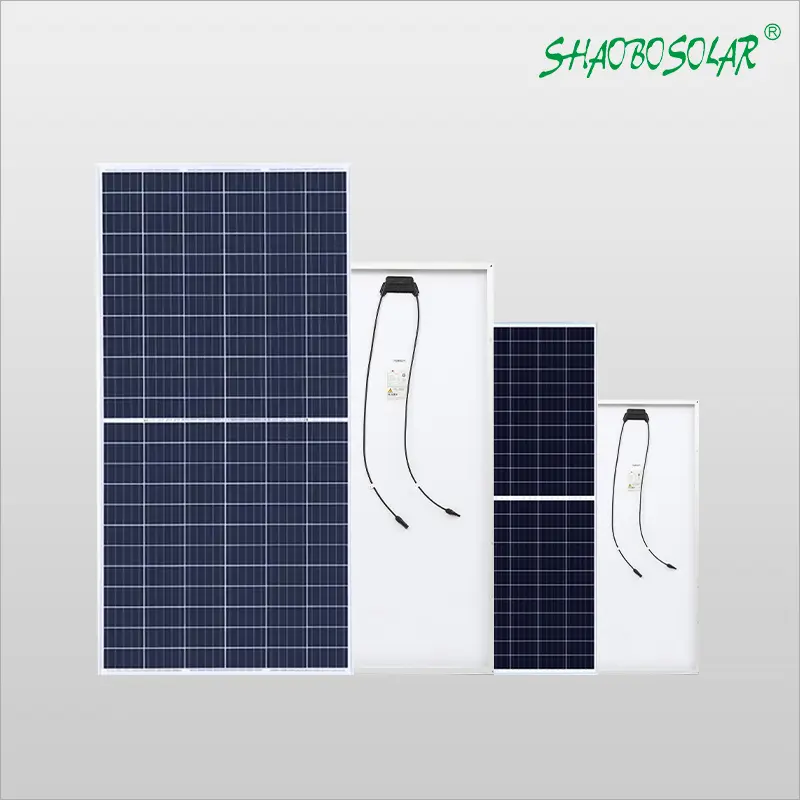
HighEfficiency monocrystalline solar panels for Australia’s Energy Future

HighEfficiency monocrystalline solar panels for Australia’s Energy Future

  • Home
  • Global Service
  • HighEfficiency monocrystalline solar panels for Australia’s Energy Future

High-Efficiency monocrystalline solar panels for Australia's Energy Future

Empowering Australian homes and businesses with cutting-edge photovoltaic technology designed for the Oceania climate.

High-Efficiency monocrystalline solar panels for Australia's Energy Future

Our advanced solar solutions are engineered to withstand Australia's intense UV radiation while delivering maximum energy yields for residential and commercial sectors.

The State of Photovoltaic Adoption in Australia

Analyzing the intersection of geography and energy transition in the Oceania region.

Australia possesses one of the highest solar resources per square meter globally. This geographic advantage has led to a massive surge in the installation of solar panels, particularly in the "Sun Belt" regions of Queensland and New South Wales, where residential rooftop adoption leads the world.

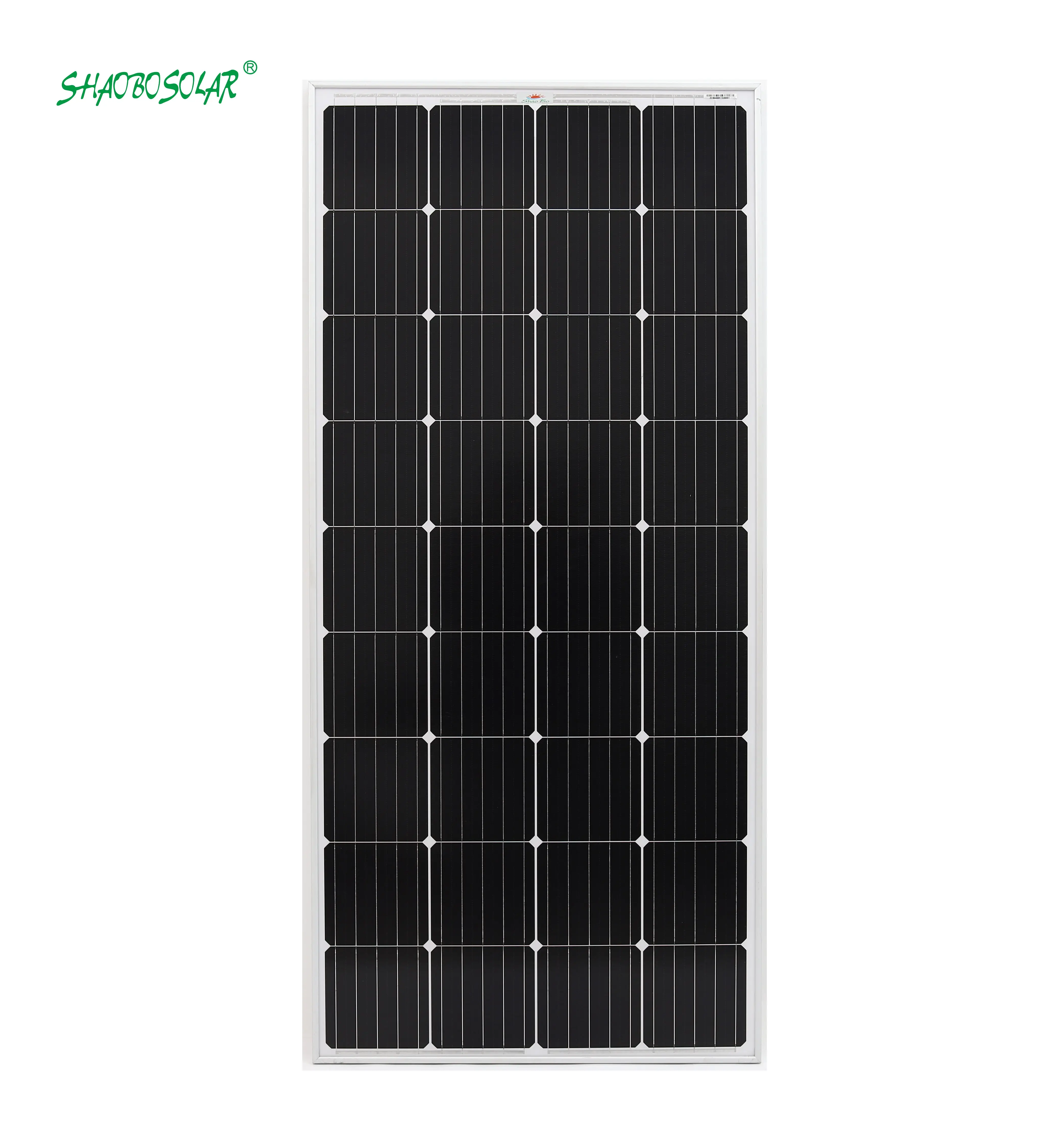
However, the Australian market faces unique challenges, including extreme heatwaves and saltwater corrosion in coastal areas. This has shifted demand toward high-durability mono solar panel technology, which offers better performance under high-temperature conditions compared to older alternatives.

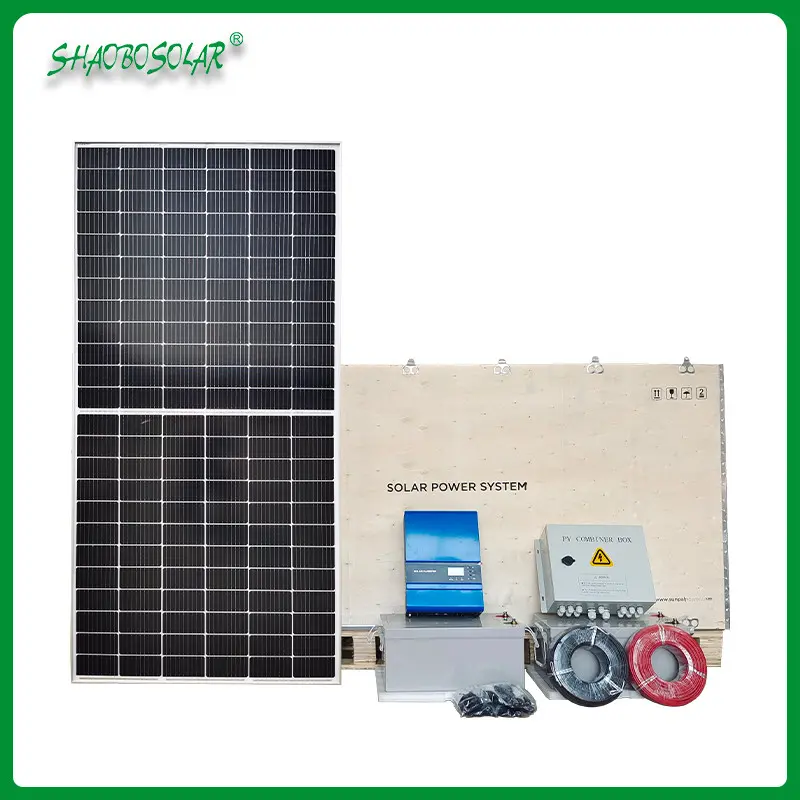
Current economic drivers, such as rising electricity costs and federal incentives, have transitioned the focus from simple installation to integrated house solar power system solutions that incorporate smart monitoring and battery storage to manage peak loads.
Technological Evolution of Solar Energy in Australia

From basic silicon cells to high-efficiency N-type modules.

Market Development History

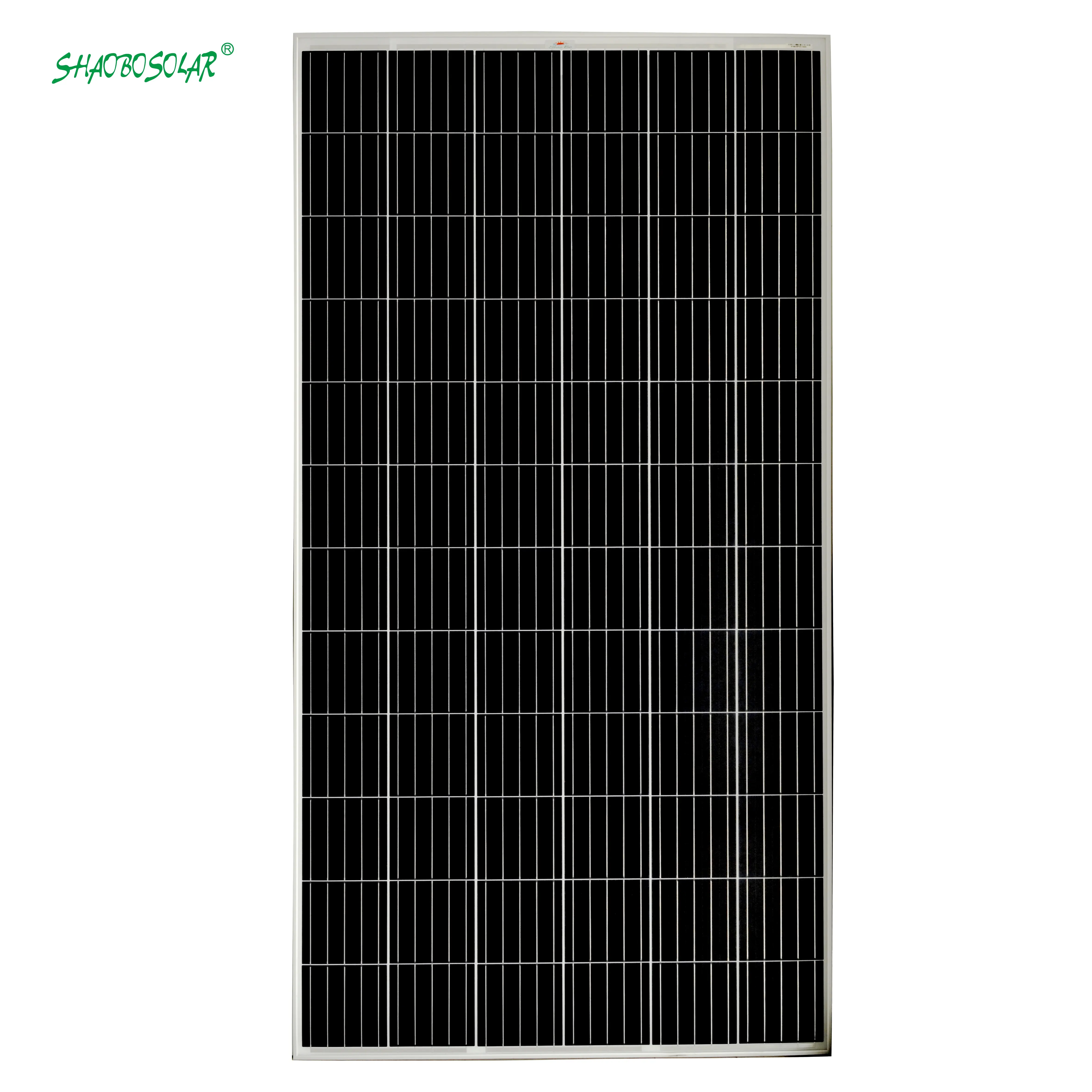
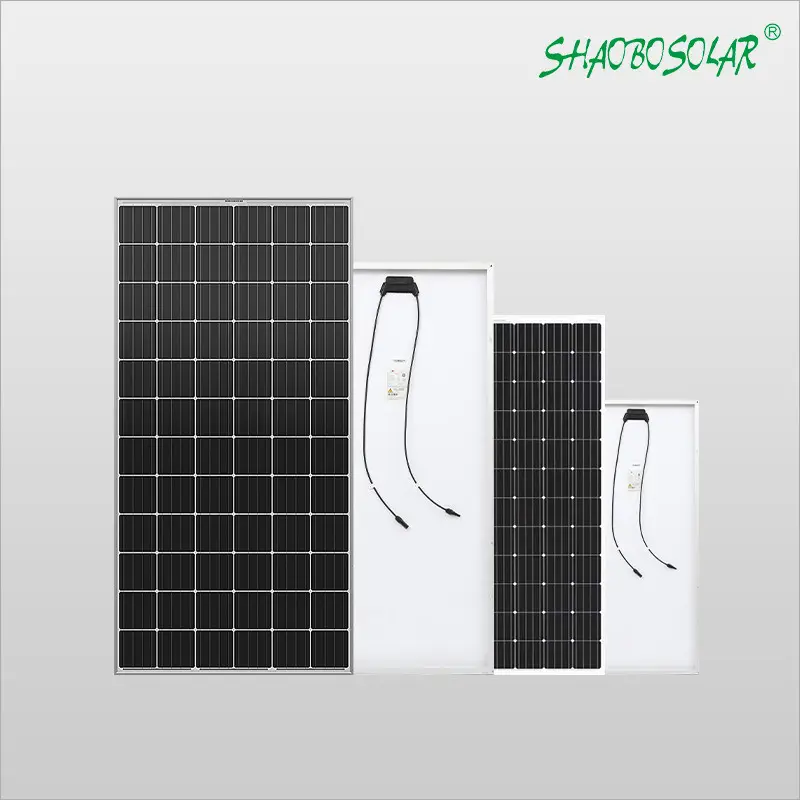
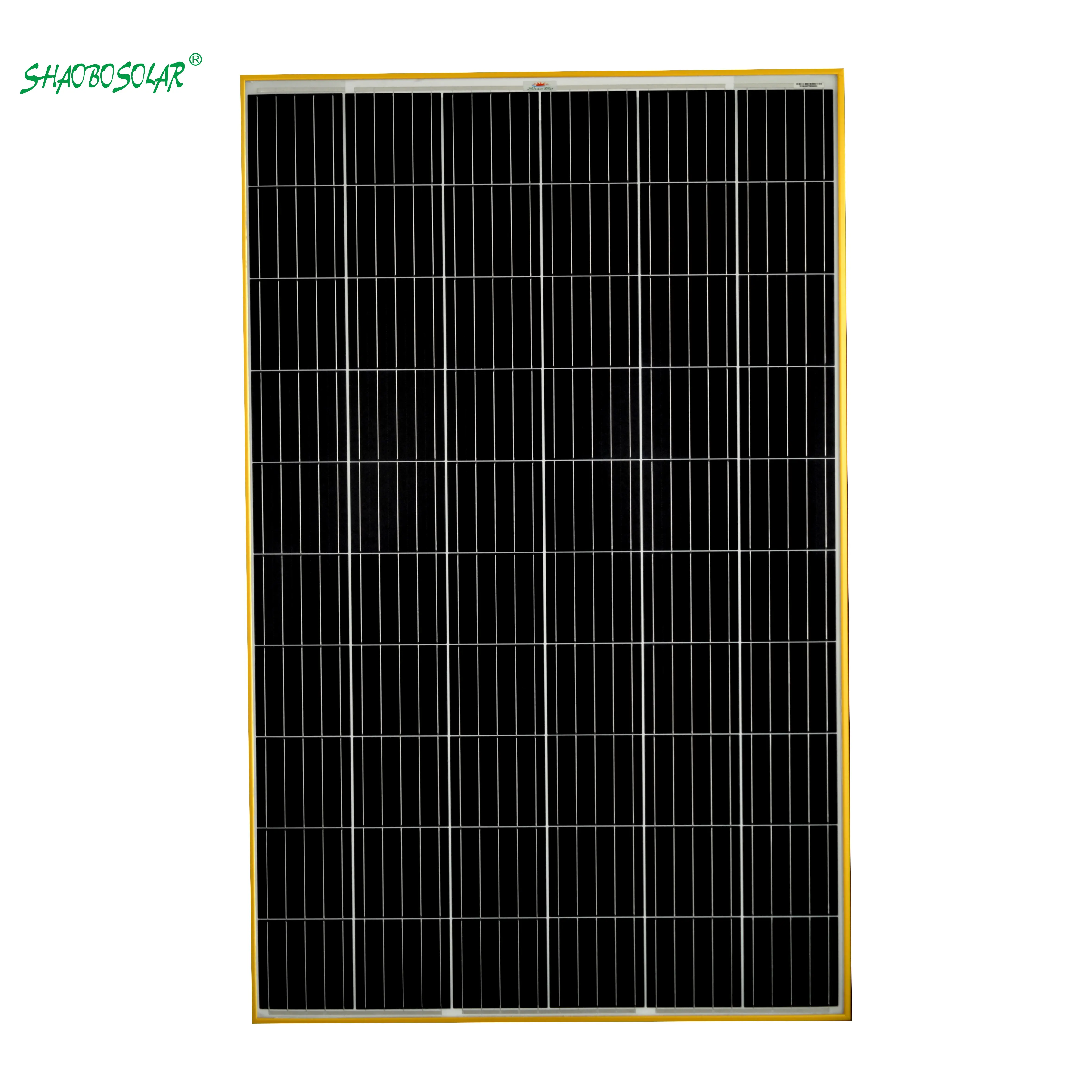
In the early 2000s, the Australian market was dominated by polycrystalline solar panel options. These were cost-effective but suffered from lower efficiency and a distinct blue hue, making them less ideal for limited roof spaces.

Around 2012-2018, a significant pivot occurred as manufacturing costs for monocrystalline silicon dropped. The market transitioned toward P-type PERC technology, which drastically increased the conversion efficiency of the average residential array.

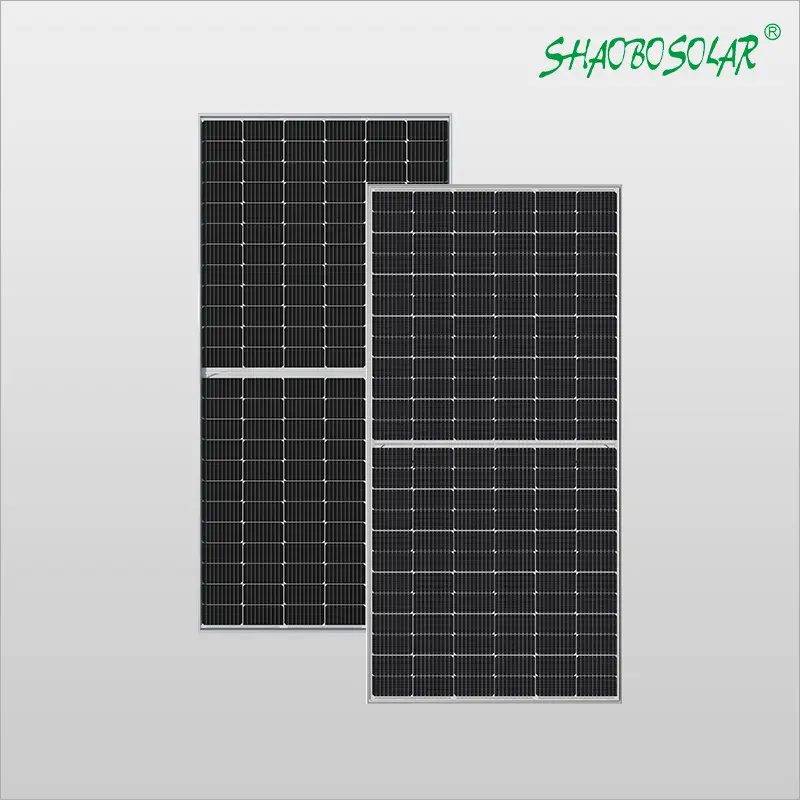
By 2020, the focus shifted to "Half-Cut" and "Multi-Busbar" designs. This iteration reduced internal resistance and improved shading tolerance, ensuring that Australian homes could maintain output even during partial obstruction.

Future Development Trends

TOPCon and HJT Integration

The next 3 years will see a transition toward Tunnel Oxide Passivated Contact (TOPCon) cells, pushing efficiency boundaries beyond 22% for standard residential modules.

Bifacial Module Proliferation

Increasing search trends for ground-mounted systems indicate a move toward bifacial panels that capture reflected light from the sandy Australian soil.

AI-Driven Energy Management

Integration of AI with home systems will allow for real-time energy trading within local virtual power plants (VPPs) across the Oceania region.

Industry Trends and Future Outlook

Strategic foresight into the next generation of solar manufacturing.

N-Type Efficiency Jump
Transitioning from P-type to N-type cells to eliminate LID (Light Induced Degradation) for long-term stability.
Storage-Centric Systems
Integration of LFP batteries to ensure 24/7 energy independence for remote Australian properties.
Extreme Climate Durability
Enhanced PID resistance and anti-corrosive frames for coastal Australian environments.
Smart Grid Synergy
Developing bidirectional metering and grid-interactive inverters for sustainable urban living.

Industry Outlook

Based on Google search trends in the Oceania region, there is a significant uptick in "energy independence" and "solar battery cost" queries. This indicates that the market is moving from passive generation to active energy management.

Over the next 5 years, the Australian manufacturing and import landscape will prioritize "Circular Economy" principles, focusing on the recyclability of solar modules and the reduction of silicon waste during the fabrication process.

Localized Solar Applications in Australia

Tailored photovoltaic solutions for diverse Australian environments.

01. Residential Rooftop Arrays in Sydney

Utilizing high-efficiency monocrystalline solar panels to maximize energy production on medium-sized suburban rooftops with varied orientations.

02. Off-Grid Pastoral Farms in Outback QLD

Implementing large-scale house solar power system configurations with massive battery banks to power remote livestock operations without grid access.

03. Coastal Commercial Warehouses in Perth

Deploying salt-mist resistant modules that prevent frame corrosion while providing high-wattage energy for refrigeration and logistics hubs.

04. Urban Community Micro-grids in Melbourne

Shared solar infrastructure using a mix of mono and polycrystalline solar panel arrays to balance cost and efficiency for social housing projects.

05. Agrivoltaics in South Australian Vineyards

Installing elevated solar structures that allow crops to grow beneath the panels, reducing water evaporation while generating clean electricity.

Brand Story

Global Development Journey of Hebei Shaobo Photovoltaic Technology Co., Ltd.

Founding Vision

Established with a mission to solve the efficiency bottlenecks of early-stage silicon cells, focusing on industrial-grade durability.

Technical Breakthrough

Perfected the mass production of high-purity monocrystalline wafers, reducing the cost per watt for the global market.

Oceania Expansion

Launched specialized product lines tailored for the Australian climate, emphasizing heat tolerance and UV stability.

Quality Certification

Achieved top-tier international certifications (TUV, CE) to ensure seamless integration into the Australian electrical grid.

Sustainable Future

Committing to a zero-carbon manufacturing process to align with the global net-zero targets by 2050.

Comprehensive Solar Product Portfolio for Australia

From residential rooftops to industrial solar farms, we provide the complete hardware stack.

Frequently Asked Questions in Australia

Expert answers to common queries regarding solar installation in the Oceania region.

Which are the best monocrystalline solar panels for high-temperature areas in Australia?

For high-temperature regions like Western Australia, N-type monocrystalline panels are superior due to their lower temperature coefficient, meaning they lose less efficiency as the heat increases.

How does a house solar power system handle cloudy days in Southern Australia?

Modern systems use MPPT (Maximum Power Point Tracking) inverters to extract the maximum available energy even in diffused light conditions, and battery storage covers the gap.

What is the price difference between mono solar panel and polycrystalline options?

While polycrystalline panels were historically cheaper, the price gap has narrowed. Mono panels now offer a much higher ROI due to their significantly better energy density.

Are solar panels durable enough for Australian cyclone-prone coastal regions?

Yes, provided they are installed with certified heavy-duty mounting rails and high-wind load rated frames designed specifically for Australian standards.

How long is the typical lifespan of solar panels in the Oceania climate?

Most Tier-1 panels come with a 25-year linear performance warranty, though they can often continue producing electricity for 30+ years with proper maintenance.

Can I upgrade my existing polycrystalline solar panel system to monocrystalline?

Yes, you can replace individual modules or the entire array. However, we recommend matching the voltage and current specs or using optimizers to avoid mismatch losses.

Ready to Transition to Clean Energy?

Our engineering team is ready to provide a customized solar audit for your project in Australia.

Contact Us Now

If you are interested in our products, you can choose to leave your information here, and we will be in touch with you shortly.