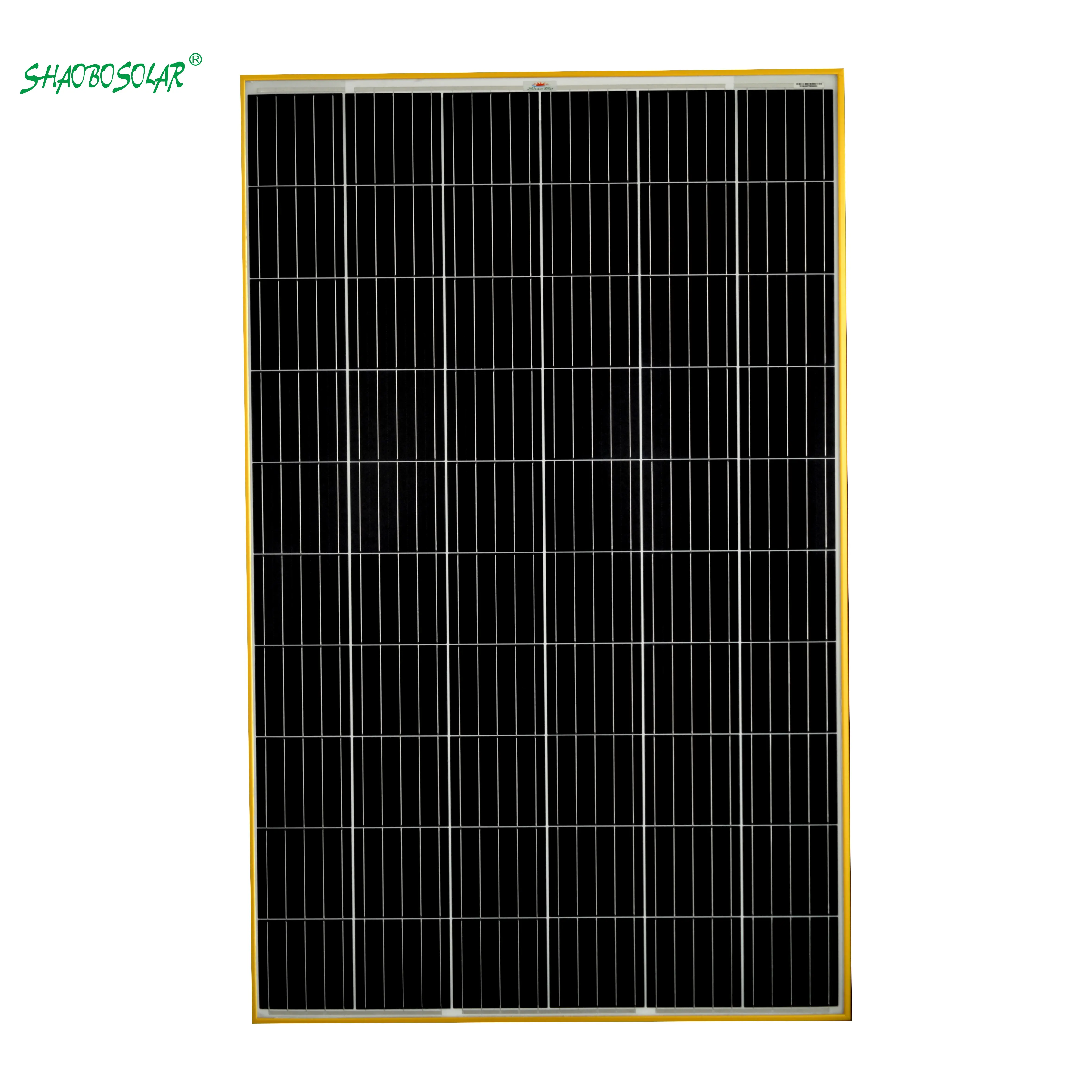
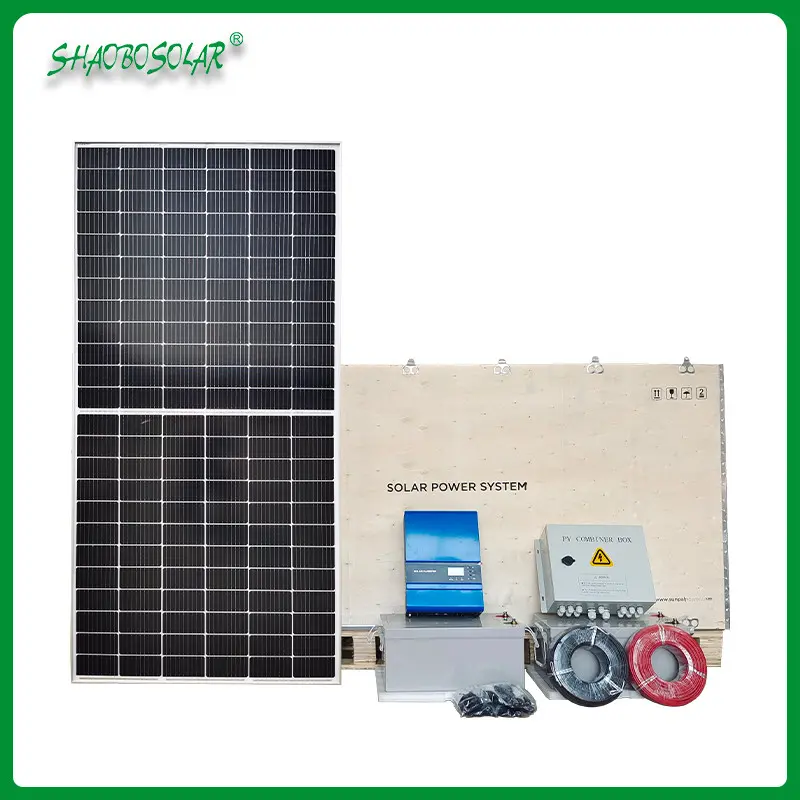
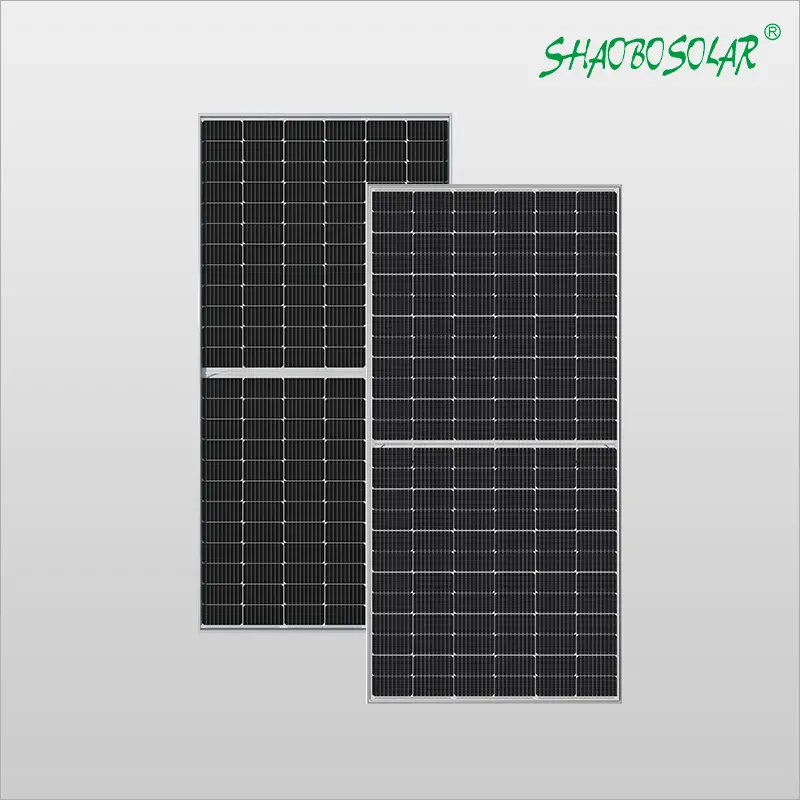
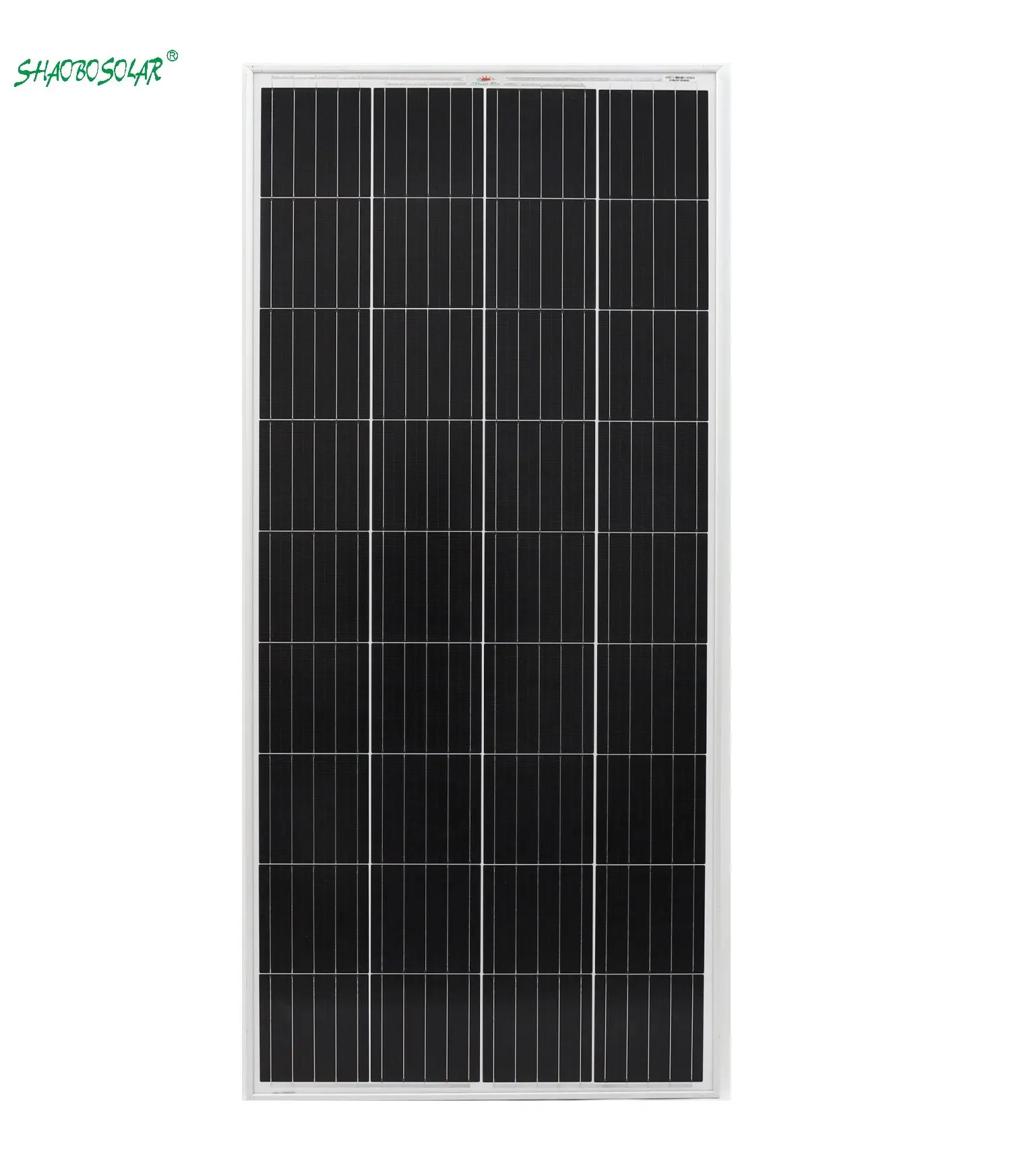
HighEfficiency mono solar panel Solutions for Tanzania

HighEfficiency mono solar panel Solutions for Tanzania

High-Efficiency mono solar panel Solutions for Tanzania

Empowering Tanzanian industries and homes with Tier-1 solar technology designed for the East African climate.

High-Efficiency mono solar panel Solutions for Tanzania

We provide cutting-edge photovoltaic technology tailored to the unique irradiance levels of Tanzania, ensuring maximum energy yield for commercial and residential sectors.

The Current State of Solar Energy in Tanzania

Analyzing the adoption and operational challenges of photovoltaic systems in the Tanzanian landscape.

Tanzania possesses immense solar potential due to its proximity to the equator, yet energy access remains a critical challenge in rural areas. The current market is shifting rapidly from small-scale lighting to integrated house solar power system installations to combat grid instability.

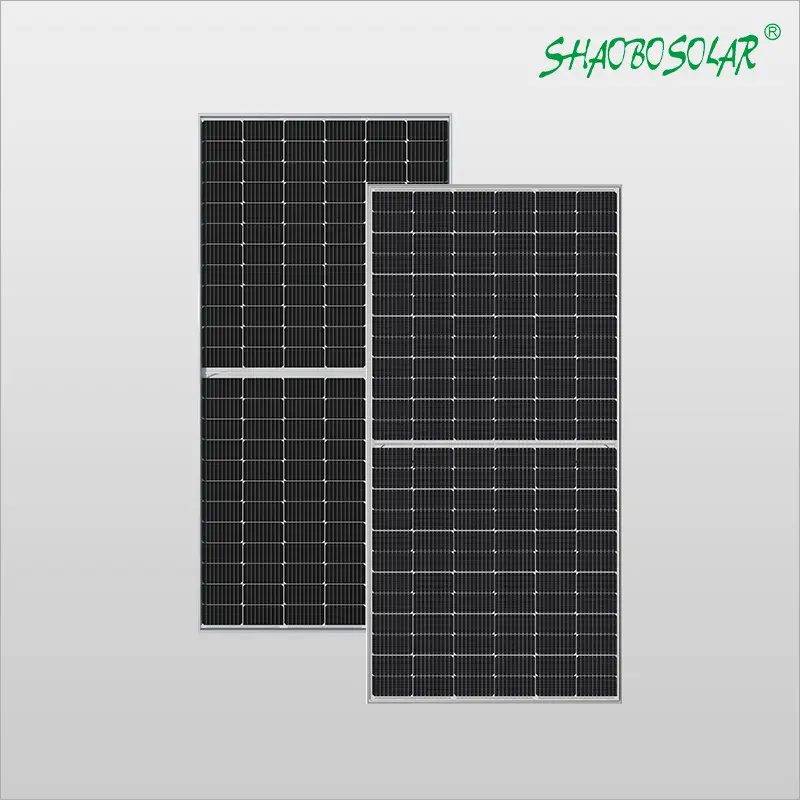
Due to high ambient temperatures in regions like Dodoma and Dar es Salaam, there is a growing demand for monocrystalline solar panels because of their superior efficiency and better performance in limited space compared to older technologies.

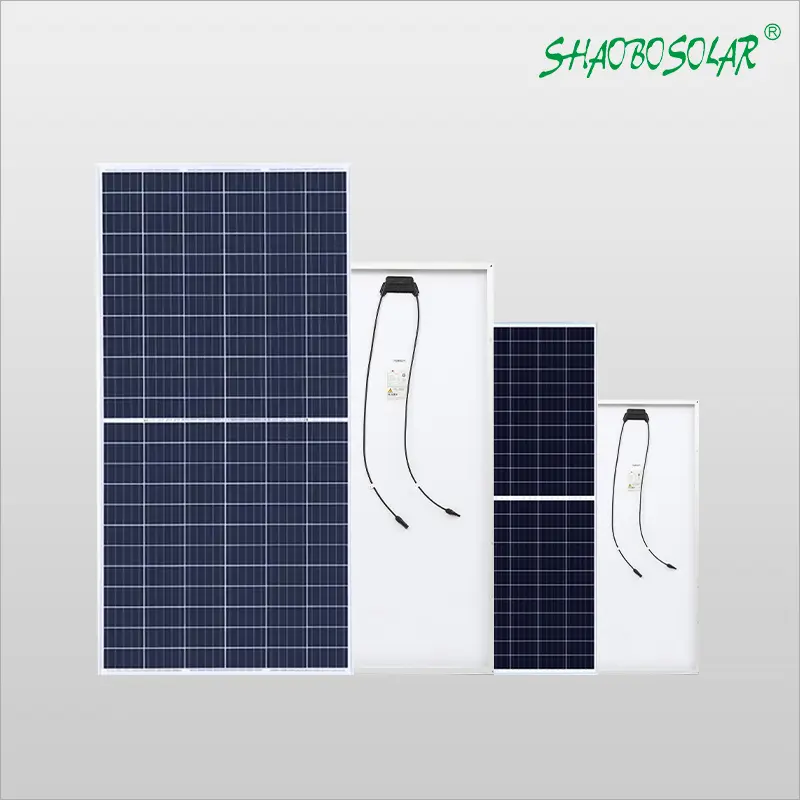
While polycrystalline solar panel options were historically popular due to lower costs, the market is now prioritizing Long-term LCOE (Levelized Cost of Energy), pushing the industry toward high-performance modules.
Technological Evolution of Solar Power in Tanzania

From basic lighting to smart grid-tied industrial energy systems.

Market Development History

Between 2010 and 2015, the Tanzanian market was dominated by low-wattage solar panels primarily used for basic LED lighting and mobile charging in off-grid villages.

From 2016 to 2020, the introduction of affordable lithium batteries and more efficient polycrystalline solar panel technology enabled the growth of "Solar Home Systems" (SHS), allowing for basic refrigeration and television use.

Since 2021, the trend has shifted toward PERC and TOPCon technologies. The adoption of the mono solar panel has become the standard for commercial projects requiring high energy density and durability against tropical humidity.

Future Development Trends

Bifacial Module Adoption

We expect a surge in bifacial modules that capture reflected light from sandy Tanzanian soils, increasing total yield by 10-20%.

Hybrid Storage Integration

The integration of AI-driven energy management systems within a house solar power system will optimize energy usage during peak tariff hours.

N-Type Cell Dominance

Transitioning from P-type to N-type cells will reduce LID (Light Induced Degradation), essential for the intense UV exposure found in East Africa.

Industry Trends and Future Outlook

Strategic foresight into the photovoltaic landscape of the East African region.

Increased Efficiency Rates
Shift towards 22%+ conversion efficiency using monocrystalline solar panels for industrial use.
Decentralized Mini-Grids
Transition from single home units to community-based mini-grids for rural electrification.
Agrivoltaic Integration
Combining solar farming with crop production to optimize land use in agricultural zones.
Smart Monitoring
IoT-enabled systems allowing real-time performance tracking via mobile apps.

Industry Outlook

Over the next 3-5 years, the Tanzanian solar market is expected to grow at a CAGR of 12%, driven by government incentives for renewable energy and the decreasing cost of high-efficiency solar panels.

Search trends indicate a significant spike in "hybrid inverter" and "lithium storage" queries, suggesting that the market is moving toward total energy independence from the national grid.

Localized Solar Applications in Tanzania

Real-world implementation of photovoltaic technology across various Tanzanian sectors.

01. Rural Off-Grid Residential

Implementing a complete house solar power system to provide electricity to remote villages in the Manyara region, enabling education and healthcare.

02. Agricultural Irrigation Systems

Utilizing mono solar panel arrays to power solar-water pumps, reducing reliance on diesel and lowering costs for farmers.

03. Urban Commercial Rooftops

Installing high-density monocrystalline solar panels on warehouse roofs in Dar es Salaam to lower operational costs.

04. Telecommunication Tower Power

Deploying durable solar panels to ensure 24/7 uptime for mobile network towers in remote wilderness areas.

05. Small Business Micro-Power

Equipping small shops with polycrystalline solar panel setups for basic lighting and refrigeration for perishables.

Brand Story

Global Development History of Hebei Shaobo Photovoltaic Technology Co., Ltd.

Foundation and Vision

Established with a mission to democratize clean energy, we began by focusing on R&D for high-efficiency cell manufacturing.

Technical Breakthroughs

Pioneered the integration of advanced PERC technology to solve the issue of efficiency loss in high-temperature environments.

Global Expansion

Expanded our footprint to East Africa, adapting our product lines to meet the rugged demands of the Tanzanian climate.

Quality Certification

Achieved international TUV and CE certifications, ensuring every module meets global reliability standards.

Sustainable Future

Currently leading the transition toward N-type TOPCon technology to maximize energy yield for global clients.

Comprehensive Solar Portfolio for Tanzania

A full range of photovoltaic equipment designed for the Tanzanian market.

Solar Energy FAQs for Tanzania

Expert answers to common questions regarding solar installations in Tanzania.

Which is better for Tanzania, monocrystalline or polycrystalline solar panels?

Monocrystalline panels are generally better for Tanzania due to their higher efficiency and better performance in the high temperatures common in the region.

How much does a complete house solar power system cost in Tanzania?

Costs vary based on load requirements, but a standard home system typically includes panels, a hybrid inverter, and lithium storage for reliability.

Can mono solar panel systems withstand the dust in Dodoma?

Yes, our panels feature tempered glass and anti-PID coatings that resist dust accumulation and environmental degradation.

What is the average lifespan of solar panels in East Africa?

High-quality Tier-1 panels usually have a performance warranty of 25 years, maintaining over 80% efficiency over that period.

Do I need a battery for my solar system in Dar es Salaam?

Yes, to ensure power during nighttime or grid outages, a battery storage system is essential for any reliable installation.

How often should I clean my photovoltaic modules in Tanzania?

Depending on the dust level, we recommend cleaning your panels every 2-4 weeks to maintain maximum energy absorption.

Ready to Power Your Future?

Contact our specialists today for a customized solar energy audit for your business or home in Tanzania.

Contact Us Now

If you are interested in our products, you can choose to leave your information here, and we will be in touch with you shortly.