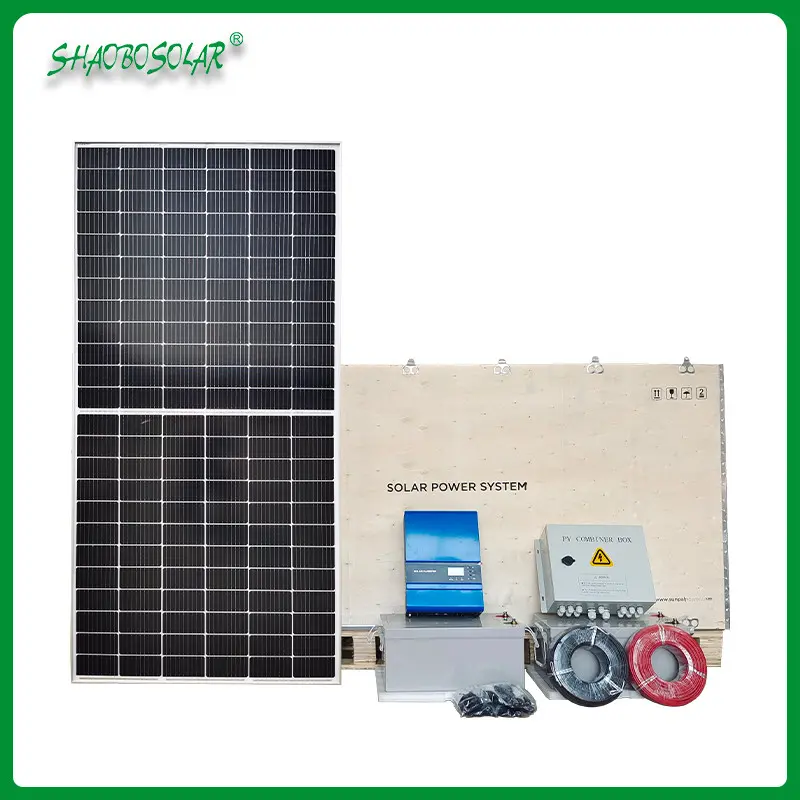
HighEfficiency House Solar Power System Solutions for Palestine

HighEfficiency House Solar Power System Solutions for Palestine

High-Efficiency House Solar Power System Solutions for Palestine

Empowering Palestinian homes and businesses with sustainable, high-performance energy independence through cutting-edge photovoltaic technology.

High-Efficiency House Solar Power System Solutions for Palestine

Providing robust and scalable energy solutions tailored to the unique climatic and structural needs of Palestine, ensuring uninterrupted power supply.

Energy Landscape in Palestine

Analyzing the current state of solar adoption in the region.

Palestine possesses immense solar potential due to its high annual irradiation. However, the reliance on unstable external power grids has made solar panels a strategic necessity rather than a luxury for many households and commercial entities.

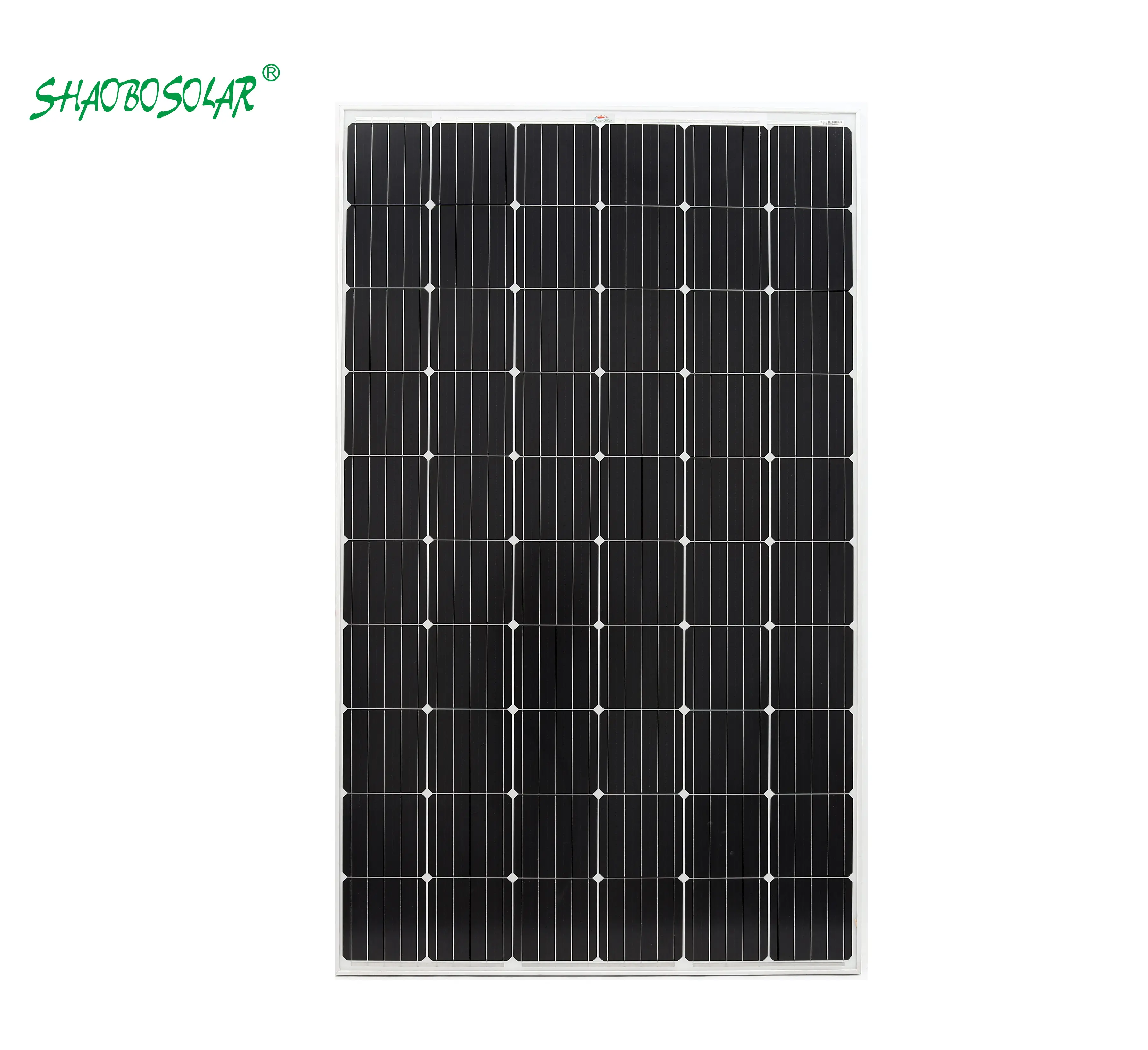
The current market is seeing a rapid shift toward decentralized energy. Due to the arid climate and frequent dust storms, there is a growing demand for high-durability monocrystalline solar panels that maintain efficiency under high thermal stress.

Economically, the transition is driven by the high cost of imported fuels. By integrating a complete mono solar panel array with battery storage, local users are achieving unprecedented levels of energy autonomy.
Evolution of Photovoltaic Technology in Palestine

From early adoption to high-efficiency energy ecosystems.

Market Development History

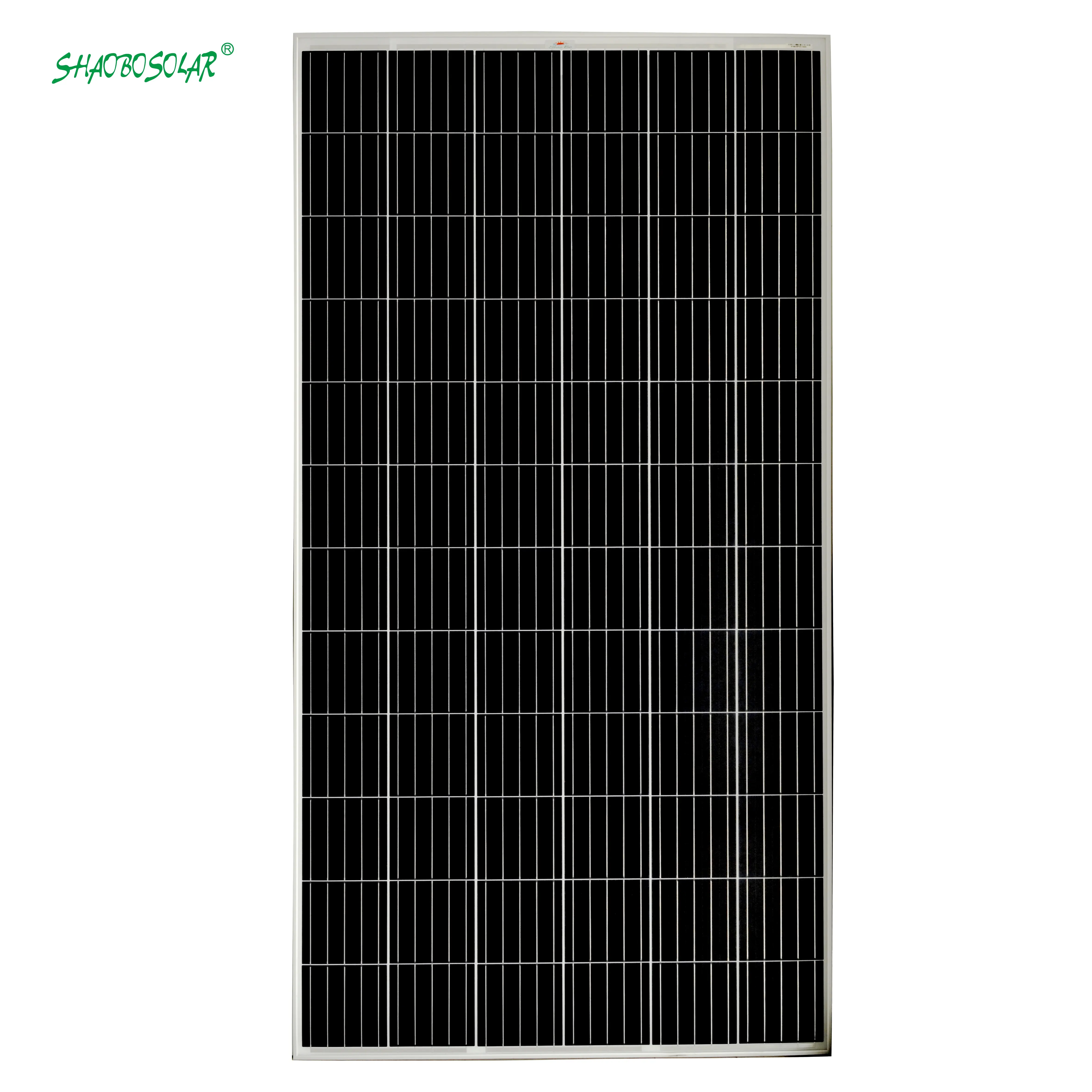
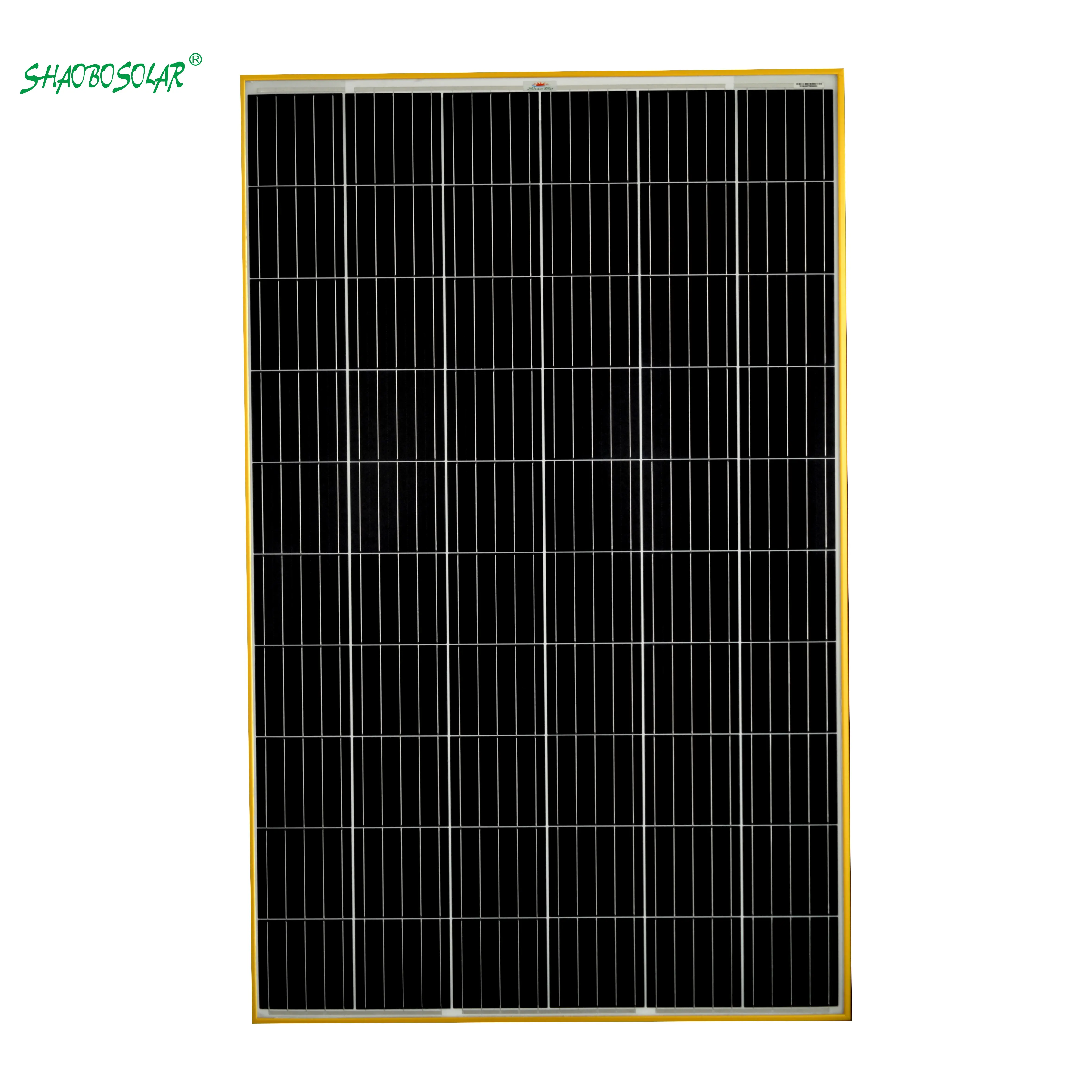
Between 2010 and 2015, the market was dominated by basic polycrystalline solar panel installations, which offered an affordable entry point but lower efficiency in limited roof spaces.

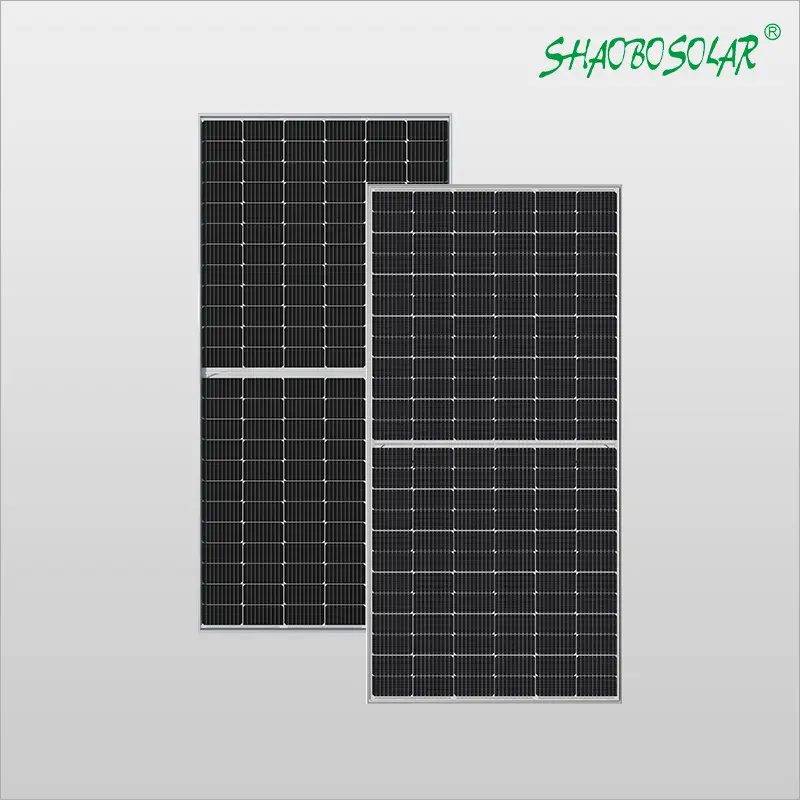
From 2016 to 2020, a technological pivot occurred. The industry moved toward PERC technology, significantly increasing the energy harvest per square meter and making residential systems more viable.

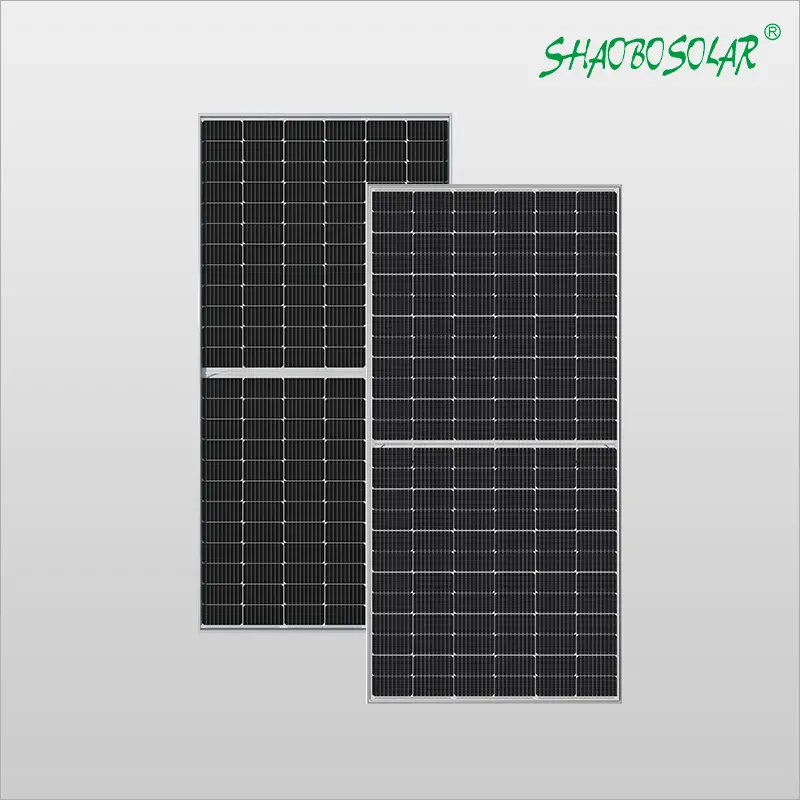
Since 2021, the focus has shifted toward N-type cells and Bifacial modules, allowing Palestinian installers to maximize yield from sandy reflective surfaces typical of the region's terrain.

Future Development Trends

Smart Grid Integration

The next 3 years will see the integration of AI-driven energy management systems to optimize the distribution of power within local micro-grids.

High-Temperature Resilience

Development of cells with lower temperature coefficients to prevent power drops during the extreme summer heat of the Levant.

Hybrid Storage Evolution

A shift toward Lithium-Iron-Phosphate (LiFePO4) storage to complement solar arrays, replacing older lead-acid technologies for longer lifecycles.

Industry Trends and Future Outlook

Strategic forecasts for the Palestinian solar sector.

Bifacial Gain Adoption
Increasing use of double-sided panels to capture albedo light from pale limestone and sandy soils.
Agricultural Solar Integration
Combining crop production with solar shading (Agrivoltaics) to save water and generate power.
Efficiency Optimization
Transitioning from p-type to n-type TOPCon cells to reduce degradation and increase efficiency.
Remote Monitoring
Widespread adoption of IoT monitoring to manage system health across fragmented geographical areas.

Industry Outlook

Based on regional search trends, there is a surging interest in "off-grid" autonomy. The future of the industry in Palestine lies in the democratization of energy, where every building becomes a power plant.

We expect a compound annual growth rate in solar installations as financing models become more accessible and the technical reliability of high-efficiency modules improves.

Localized Solar Application Scenarios

Real-world deployments across various Palestinian sectors.

1. Residential Energy Independence

Installation of complete systems using monocrystalline solar panels on urban rooftops in Ramallah to eliminate dependency on erratic municipal grids.

2. Agricultural Irrigation Systems

Deployment of large-scale arrays to power water pumps in the Jordan Valley, utilizing durable frames that withstand harsh desert winds.

3. Commercial Hub Powering

Integrating high-wattage modules into shopping complexes and offices to reduce operational costs and meet green building standards.

4. Remote Village Electrification

Providing essential lighting and refrigeration to isolated communities through scalable modular solar kits and deep-cycle batteries.

5. Industrial Facility Optimization

Utilizing vast warehouse roof spaces to install industrial-grade arrays, significantly lowering the overhead for local manufacturing plants.

Brand Story

Global Development Journey of Hebei Shaobo Solar Technology Co., Ltd.

Foundation & Vision

Established with a mission to democratize clean energy, focusing on bridging the gap between laboratory efficiency and field performance.

Technical Breakthroughs

Invested heavily in R&D to develop modules that maintain high stability in extreme temperatures, solving a core pain point for desert markets.

Global Market Expansion

Expanded footprint across Asia and the Middle East, tailoring product specifications to meet diverse regional electrical standards.

Quality Standardization

Achieved top-tier international certifications, ensuring every module delivered to the field meets rigorous durability and safety benchmarks.

Sustainable Future

Now focusing on the full lifecycle of solar products, implementing recycling initiatives and next-generation cell efficiency projects.

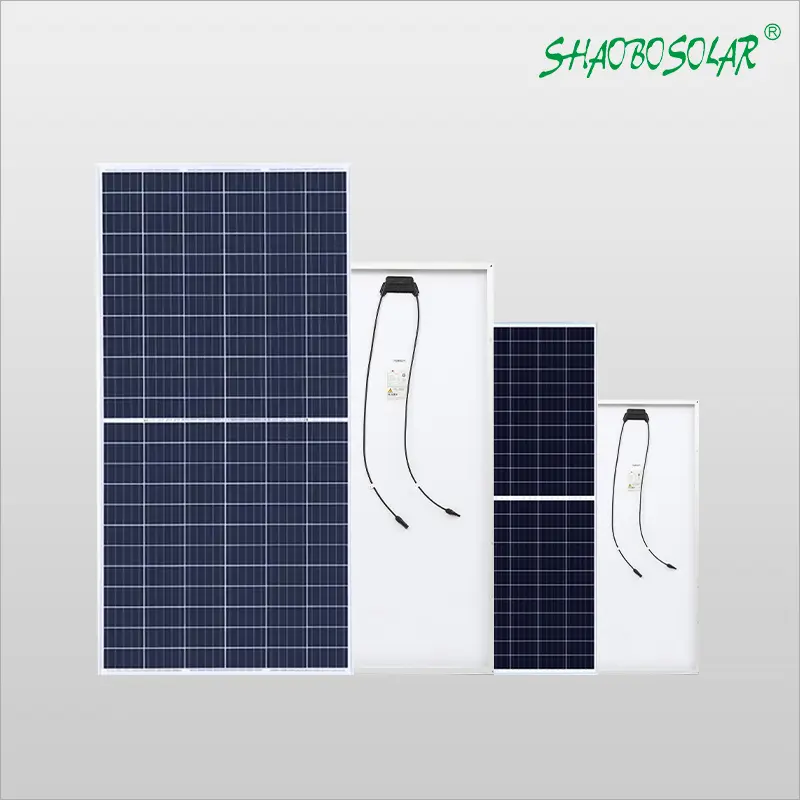
Complete Product Portfolio for Palestine

Our curated selection of high-performance modules and systems for the region.

Palestine Solar FAQ

Addressing the most common technical and commercial queries.

Which is better for Palestine: monocrystalline or polycrystalline solar panels?

For the Palestinian climate, monocrystalline panels are generally superior due to their higher efficiency and better performance in high-heat environments compared to polycrystalline options.

How do I choose the right capacity for a house solar power system?

Capacity depends on your monthly kWh consumption. We recommend analyzing your peak load (AC, water heating) and adding a 20% buffer to ensure reliability during winter months.

How does dust affect mono solar panel efficiency in the region?

Dust accumulation can reduce efficiency by 10-30%. Regular cleaning and the use of anti-soiling coatings are highly recommended for installations in arid areas.

Are solar panels durable enough for the wind conditions in the Jordan Valley?

Yes, our industrial-grade modules feature reinforced frames and tempered glass designed to withstand high wind loads and mechanical stress.

What is the typical ROI for solar installations in Palestine?

Depending on energy usage and local subsidies, most residential and commercial systems achieve full payback within 4 to 6 years.

Can I expand my existing solar array in the future?

Yes, by using modular inverters and scalable wiring, you can easily add more panels to your system as your energy needs grow.

Ready to Transition to Clean Energy?

Contact our experts today for a customized solar energy audit and technical consultation for your project in Palestine.

Contact Us Now

If you are interested in our products, you can choose to leave your information here, and we will be in touch with you shortly.