
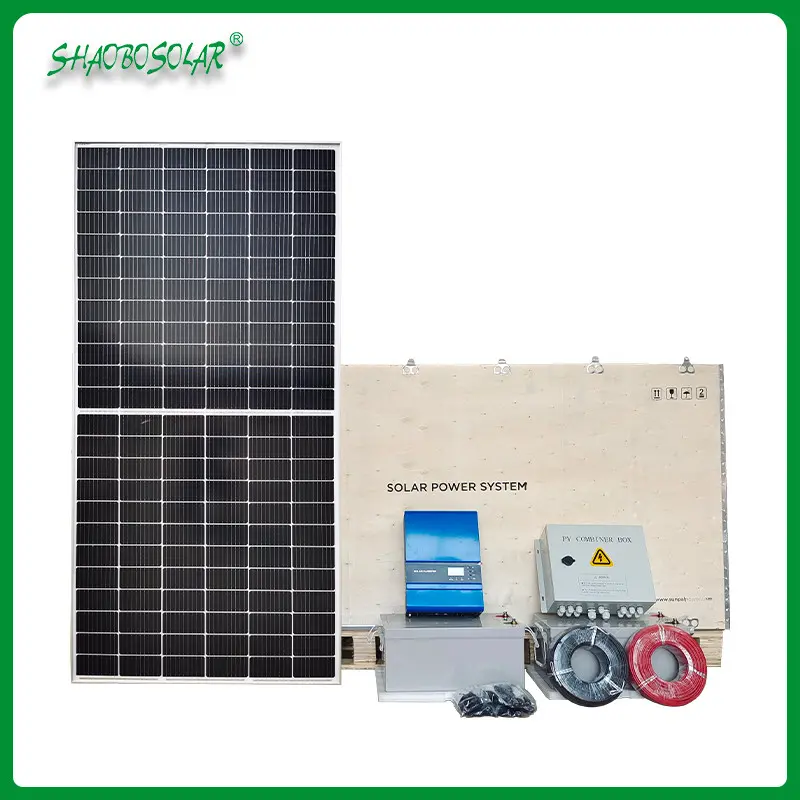
HighEfficiency house solar power system Solutions for Colombia

HighEfficiency house solar power system Solutions for Colombia

High-Efficiency house solar power system Solutions for Colombia

Empowering Colombian homes and businesses with sustainable energy through cutting-edge photovoltaic technology tailored for the Andean and Caribbean climates.

High-Efficiency house solar power system Solutions for Colombia

We provide comprehensive solar energy integration for the Colombian market, focusing on maximizing energy yield in diverse geographical terrains from Bogotá to Medellín.

The Current State of Solar Energy in Colombia

Analyzing the adoption of photovoltaic systems across the Colombian landscape.

Colombia possesses a unique geographical advantage with high solar irradiation levels, especially in the Caribbean coast and the Guajira peninsula. The demand for solar panels has surged as the government introduces incentives to diversify the energy matrix and reduce dependence on hydroelectric power, which is often vulnerable to El Niño weather patterns.

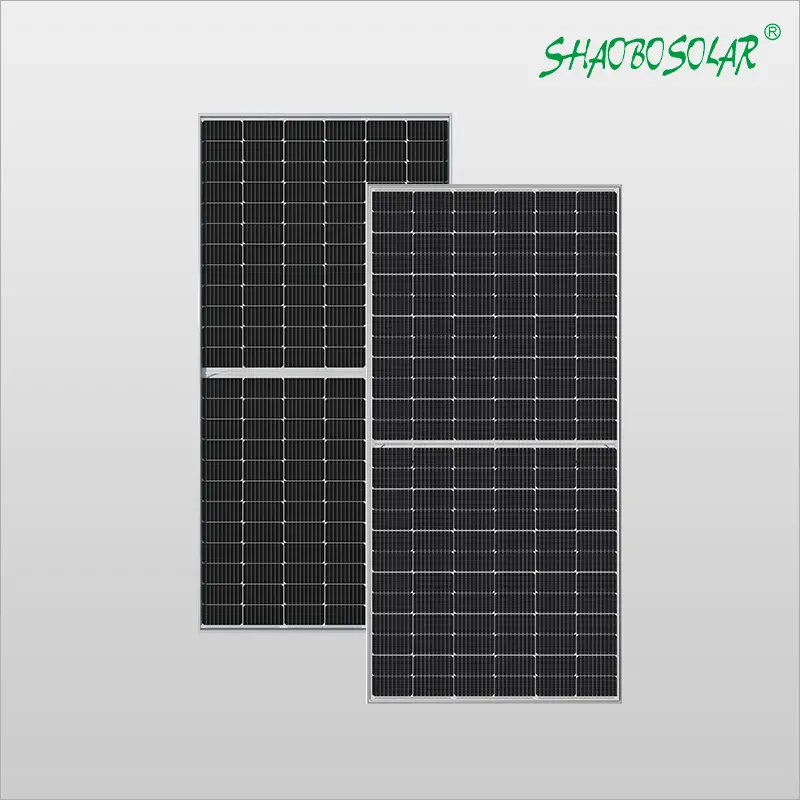
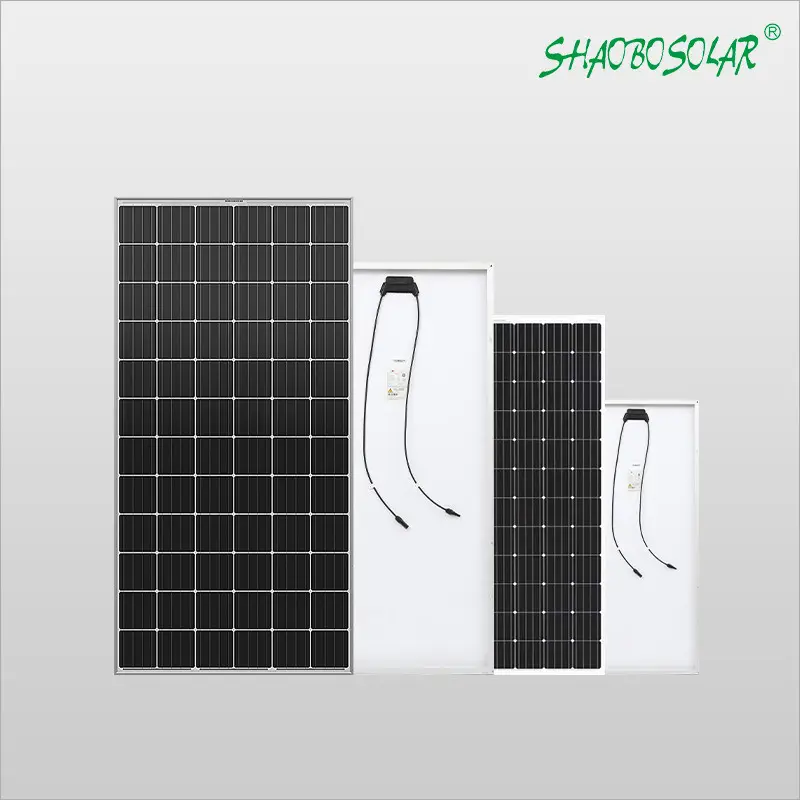
In urban centers like Bogotá and Medellín, there is a growing trend toward decentralized energy. Residential users are increasingly installing monocrystalline solar panels due to their higher efficiency in limited roof spaces, allowing homeowners to significantly lower their monthly utility bills while contributing to national carbon neutrality goals.

Despite the growth, the market faces challenges regarding the initial cost of high-tier equipment and the need for specialized technical installation. However, the shift toward mono solar panel technology is bridging the gap by offering better performance-to-cost ratios than previous generations of equipment.
Evolution and Trajectory of Colombian Solar Tech

From early adoption to the era of high-efficiency energy harvesting.

Market Development History

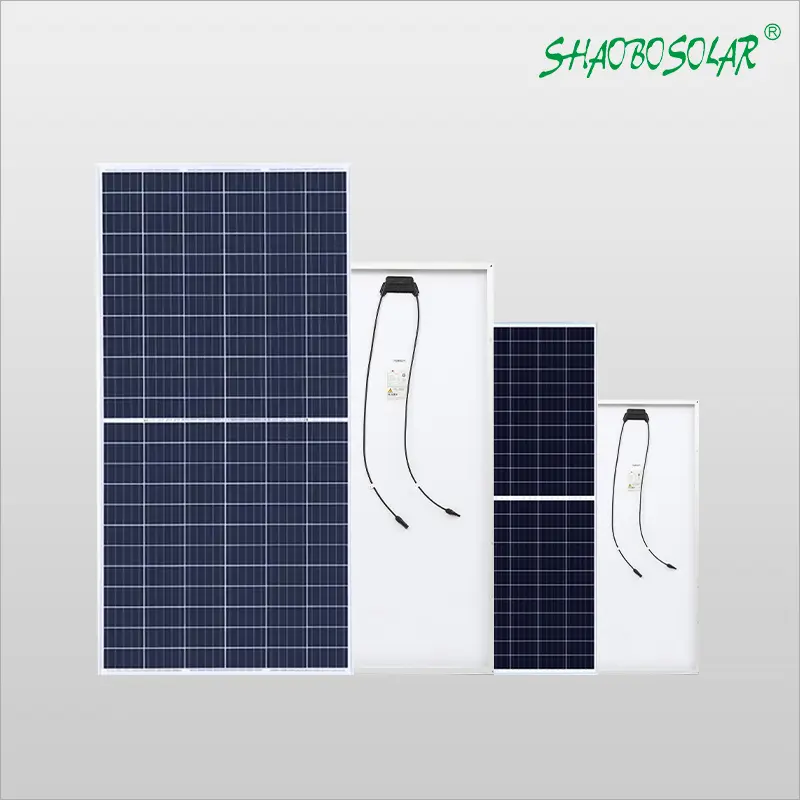
Between 2010 and 2015, the Colombian market was dominated by basic polycrystalline solar panel installations, primarily used for remote rural electrification where cost was the primary driver over efficiency.

From 2016 to 2020, the introduction of Law 1715 accelerated the transition. We saw a massive shift toward PERC technology, where the efficiency of standard modules increased, making solar a viable commercial investment for Colombian agro-industries.

Since 2021, the market has pivoted toward N-type and TOPCon technologies. The preference for monocrystalline solar panels has become absolute for residential projects due to their superior performance in diffuse light conditions common in the Andean highlands.

Future Development Trends

Bifacial Module Integration

We predict a surge in bifacial modules that capture light from both sides, ideal for Colombia's sandy coastal regions to maximize kWh per square meter.

Smart Grid Synchronization

Integration with AI-driven smart grids will allow Colombian homes to sell excess energy back to the national grid more efficiently.

Storage-Centric Systems

The focus will shift from simple generation to integrated storage, ensuring energy security during peak demand or grid instability.

Industry Trends and Future Outlook

Strategic foresight for the photovoltaic sector in South America.

N-Type Cell Dominance
Transitioning from P-type to N-type cells to reduce degradation and increase long-term energy yield.
Hybrid Storage Systems
Integrating Lithium-Iron-Phosphate (LiFePO4) batteries with solar arrays for 24/7 power stability.
Agrivoltaic Innovation
Combining solar power with coffee and flower plantations, a key economic sector in Colombia.
IoT Energy Monitoring
Real-time cloud monitoring of system health and performance to optimize maintenance cycles.

Industry Outlook

Google search trends indicate a significant rise in queries related to "sustainable housing" and "energy independence" within Colombia. This signals a shift in consumer psychology from seeing solar as a luxury to viewing it as a necessary utility for economic resilience.

Over the next 3-5 years, we expect the market to mature, with standardized installation protocols and a proliferation of micro-grids in the Amazonian regions, further reducing the carbon footprint of Colombian industry.

Localized Solar Applications in Colombia

Tailored energy solutions for the diverse Colombian geography.

1. Residential Rooftops in Bogotá

Utilizing high-efficiency modules to capture maximum energy despite the frequent cloud cover in the high-altitude capital city.

2. Off-grid Farms in the Coffee Axis

Implementing autonomous systems for coffee processing plants to ensure uninterrupted power for drying and sorting machinery.

3. Coastal Tourism Resorts in Cartagena

Large-scale arrays designed to withstand saline corrosion and high humidity while powering air conditioning systems.

4. Rural Electrification in La Guajira

Deploying robust systems in desert environments where solar irradiation is the highest in the country.

5. Industrial Warehouses in Medellín

Integrating solar canopies in logistics hubs to reduce operational costs and meet corporate ESG requirements.

Brand Story

Global Development Journey of Hebei Shaobo Photovoltaic Technology Co., Ltd.

Founding Vision

Established with the mission to solve the efficiency gap in mass-market solar production, focusing on industrial-grade durability.

R&D Breakthrough

Perfecting the monocrystalline cell architecture to ensure stable energy output under extreme temperature fluctuations.

Global Expansion

Expanding our footprint into South America, bringing high-tier manufacturing standards to emerging markets.

Sustainability Milestone

Achieving carbon-neutral production processes, ensuring that the tools we sell are made with the environment in mind.

Future Commitment

Dedicated to providing the most reliable solar components to ensure energy sovereignty for every household worldwide.

Common Questions about Solar Energy in Colombia

Expert answers to help you navigate your solar transition.

Which are the best monocrystalline solar panels for the Colombian climate?

For Colombia, we recommend N-type monocrystalline panels with anti-PID technology, as they perform better in high-humidity coastal areas and provide higher efficiency in the Andean regions.

How long does a typical house solar power system last in Colombia?

Most of our high-quality systems are warrantied for 25 years, with a linear power degradation rate of less than 0.5% per year, ensuring long-term ROI.

Is a polycrystalline solar panel still a viable option for rural farms?

Yes, they remain a cost-effective choice for large-scale rural installations where space is abundant and the primary goal is budget-friendly electrification.

What is the difference between a mono solar panel and other types?

Mono panels are made from a single silicon crystal, offering higher purity and efficiency, making them ideal for urban rooftops with limited space compared to poly panels.

Can I get government incentives for installing solar panels in Colombia?

Yes, Law 1715 provides significant tax deductions and VAT exemptions for renewable energy equipment, significantly reducing the initial investment cost.

How do I maintain my solar system in high-dust areas of Colombia?

We recommend a bi-annual cleaning with distilled water and a soft brush to remove dust and pollen, ensuring the glass surface maintains maximum transparency.

Ready to Transition to Clean Energy?

Our expert engineers are ready to design the perfect photovoltaic system for your specific needs in Colombia.

Contact Us Now

If you are interested in our products, you can choose to leave your information here, and we will be in touch with you shortly.