
HighEfficiency house solar power system for Russia’s Harsh Climates

HighEfficiency house solar power system for Russia’s Harsh Climates

High-Efficiency house solar power system for Russia's Harsh Climates

Engineering resilient energy solutions designed to withstand extreme temperature fluctuations and low-light conditions across the Russian Federation.

High-Efficiency house solar power system for Russia's Harsh Climates

Comprehensive solar integration for Russian residential and industrial sectors, focusing on high-yield energy capture during winter months and structural durability against snow loads.

The Current State of Solar Energy in Russia

Analyzing the adoption of photovoltaic technology in a region characterized by extreme latitude and diverse climatic zones.

The Russian market is currently transitioning from traditional centralized energy to decentralized solar panels. Due to the vast geography, regions like the Far East and Siberia are seeing a surge in off-grid installations to replace expensive diesel generators in remote settlements.

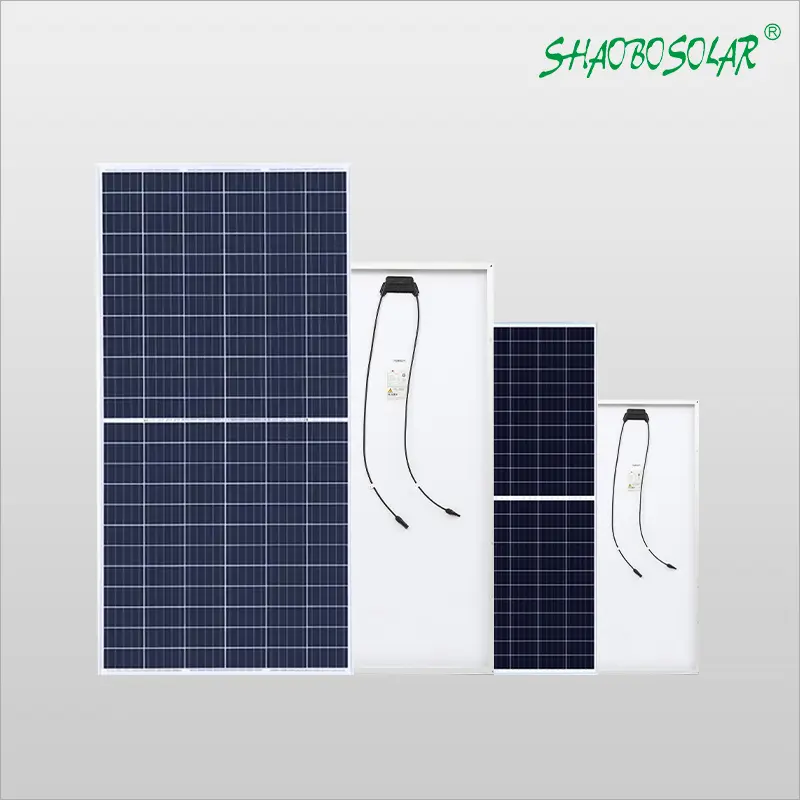
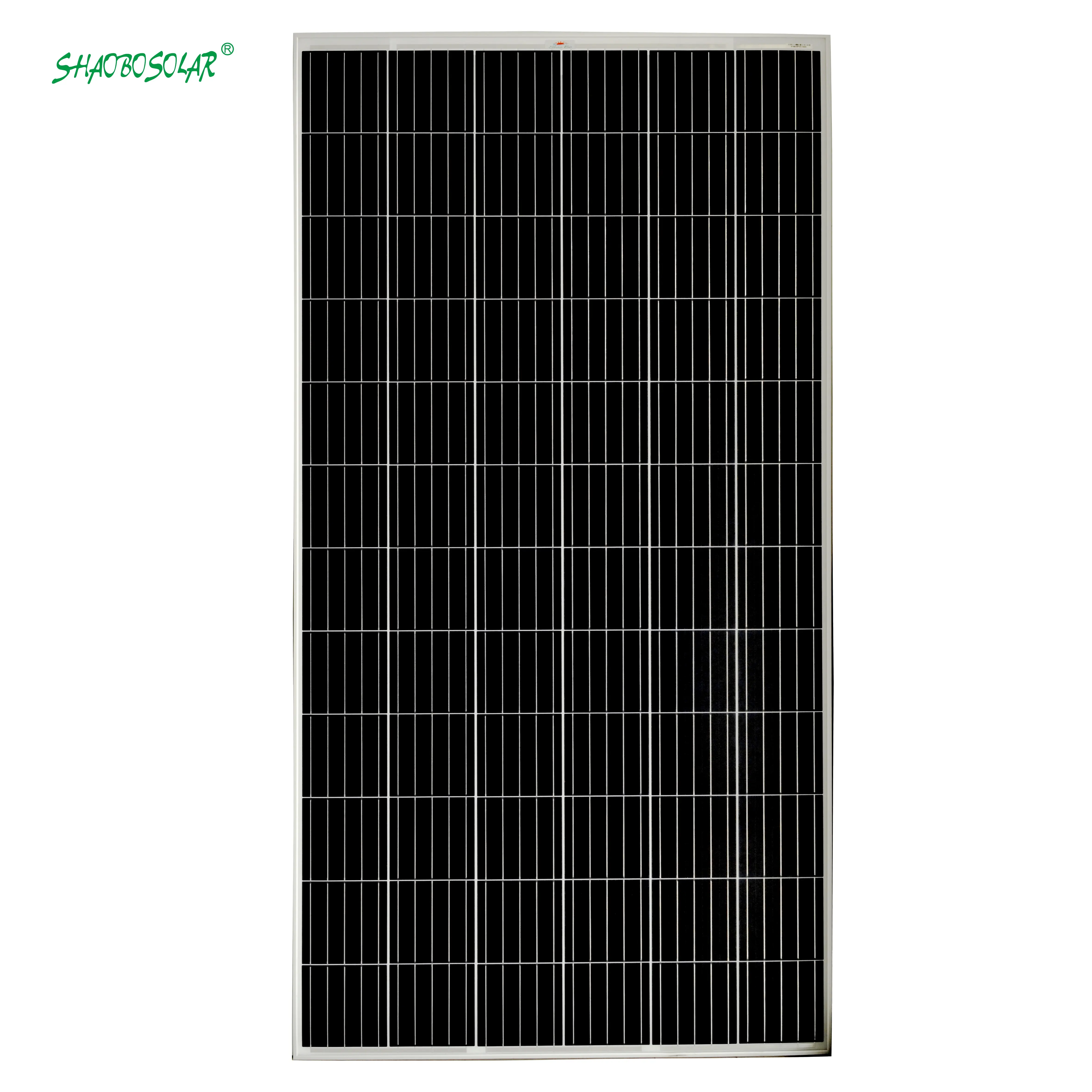
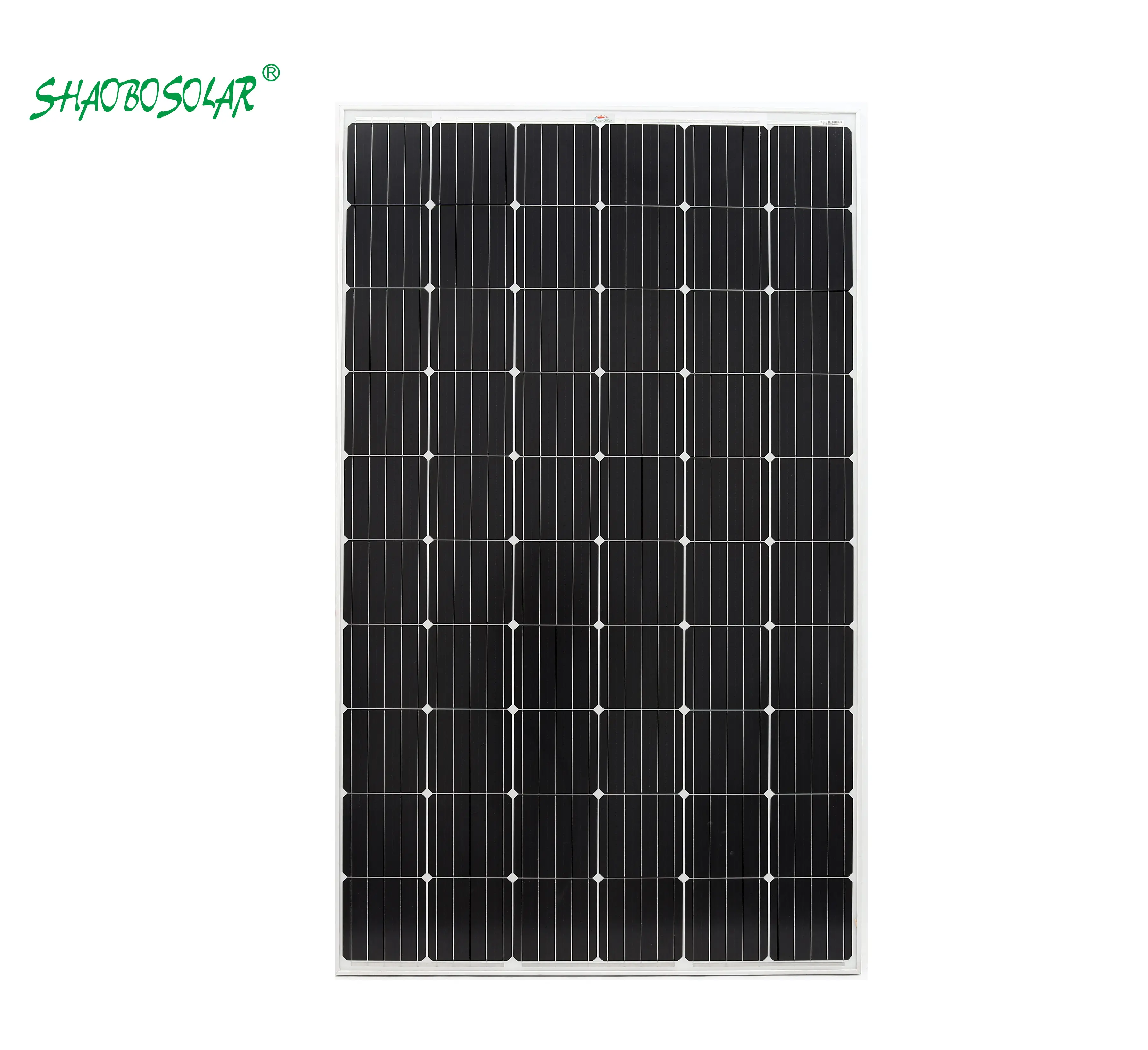
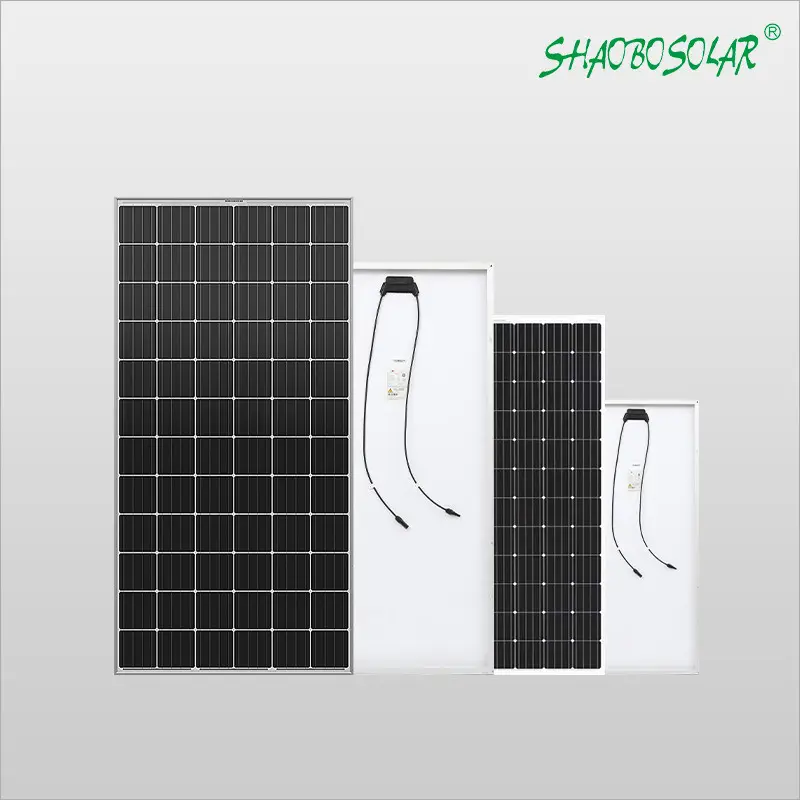
A critical challenge in this region is the "winter gap," where short daylight hours require extremely efficient cells. This has led to a dominant demand for monocrystalline solar panels, which offer superior performance in low-light conditions compared to older technologies.

Furthermore, the economic landscape is shifting toward energy independence. Russian homeowners are increasingly investing in comprehensive systems to hedge against rising utility costs, prioritizing hardware that can withstand heavy snow loads and sub-zero temperatures.
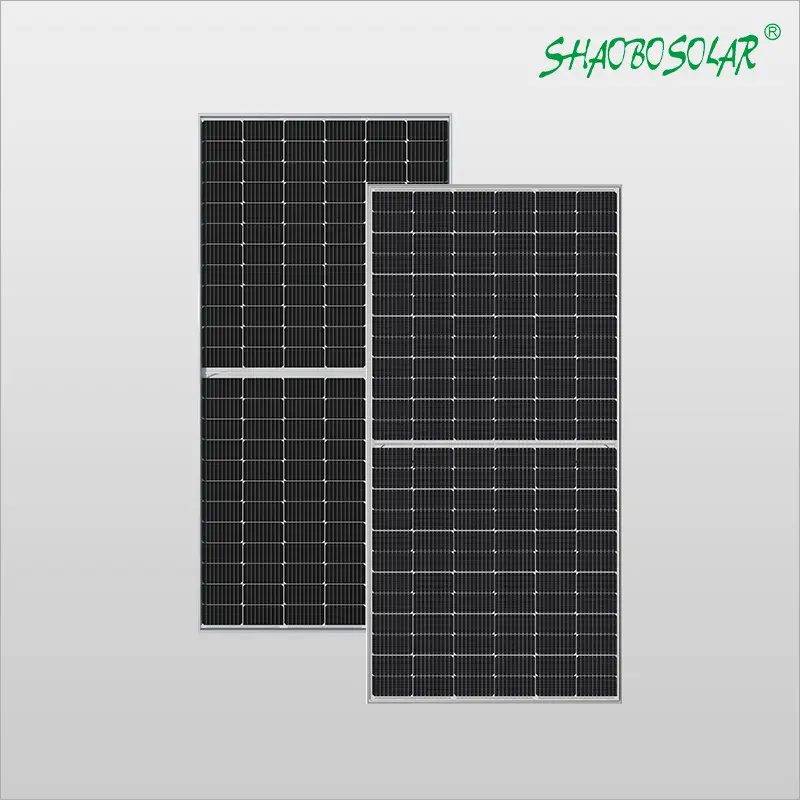
Technological Evolution of PV Systems in Europe-Russia

From early experimental arrays to the current era of high-density energy harvesting.

Market Development History

In the early 2010s, the market was dominated by polycrystalline solar panel options due to their lower manufacturing costs. However, their inefficiency in the diffused light typical of Northern Europe and Russia limited their widespread residential adoption.

Between 2015 and 2020, the industry witnessed a pivot toward the mono solar panel. The introduction of PERC (Passivated Emitter and Rear Cell) technology allowed for significantly higher conversion rates, making solar viable even in the cloudier regions of the Baltic and Ural areas.

By 2023, the focus shifted toward system integration. The trend evolved from simply installing panels to creating intelligent energy ecosystems that combine high-efficiency modules with advanced lithium-iron-phosphate (LiFePO4) storage capable of operating in cold climates.

Future Development Trends

N-Type TOPCon Dominance

We predict a total shift toward N-type cells which offer lower degradation rates and better temperature coefficients, essential for the extreme thermal swings found in Russia.

Bifacial Module Integration

Utilizing the albedo effect from snow-covered ground, bifacial modules will become the standard to increase winter energy yield by up to 25%.

AI-Driven Energy Management

Integration of predictive AI that analyzes Russian meteorological data to optimize battery discharge and charging cycles during peak winter months.

Strategic Trends and Future Outlook

Forecasting the trajectory of the solar manufacturing and installation sector in Eastern Europe.

Arctic-Grade Resilience
Development of specialized frames and tempered glass that prevent cracking under extreme frost and heavy snowfall.
Hybrid Energy Storage
Combining PV with hydrogen fuel cells or thermal storage to ensure 24/7 power during the dark winter months.
Micro-Grid Expansion
The rise of community-owned micro-grids in rural Russia to decrease reliance on unstable regional power lines.
Smart-Glass Integration
BIPV (Building Integrated Photovoltaics) becoming standard in new Moscow and St. Petersburg architectural projects.

Industry Outlook

Google search trends indicate a significant increase in queries for "energy autonomy" and "cold-climate solar" within the Russian Federation. This suggests that consumers are moving beyond basic panel purchases toward integrated energy ecosystems.

Over the next 3-5 years, we expect the Russian market to prioritize LCOE (Levelized Cost of Energy) optimization, where high-efficiency modules and long-cycle batteries reduce the payback period for residential installations.

Localized Application Scenarios in Russia

Real-world implementations of solar technology tailored to the unique Russian environment.

1. Remote Siberian Off-Grid Cabins

Deploying robust systems featuring high-capacity batteries and mono panels to provide year-round electricity for heating and communication in areas where the grid is non-existent.

2. Urban Rooftops in St. Petersburg

Installation of low-light optimized arrays that maximize energy capture during the overcast "white nights" and grey winter periods typical of Northern cities.

3. Agricultural Farms in Southern Russia

Utilizing large-scale arrays to power irrigation systems and livestock climate control, reducing operational costs for regional agribusinesses.

4. Industrial Warehouses in the Urals

Integrating solar arrays on massive flat-roof surfaces to offset peak daytime electricity tariffs for manufacturing plants.

5. Arctic Research Stations

Specialized, tilt-adjustable mounting systems that allow panels to capture low-angle sunlight during the spring and autumn transitions in the High North.

Brand Story

Global Development Journey of Hebei Shaobo Solar Technology Co., Ltd.

Foundational Innovation

Established with a mission to democratize clean energy, we focused on solving the efficiency gap in silicon cell manufacturing.

Expanding Global Reach

We scaled our production lines to meet international standards, entering the European and Russian markets with certified high-durability modules.

Climate-Specific R&D

Developing the "Cold-Resist" series, specifically engineered to prevent micro-cracks during extreme freeze-thaw cycles.

System Integration Milestone

Transitioned from a component supplier to a full-solution provider, offering turnkey energy systems for complex industrial environments.

Vision for 2030

Aiming to lead the transition toward carbon neutrality in Eurasia through next-generation perovskite-silicon tandem cells.

Common Questions About Solar in Russia

Expert answers to the most frequent technical and economic concerns of local users.

Do monocrystalline solar panels work in Russian winters?

Yes, they do. In fact, solar cells are more efficient at lower temperatures. The primary challenge is the reduced daylight hours, which we solve by using high-efficiency mono cells and optimal tilt angles to capture low-altitude sun.

How does snow affect a house solar power system?

Snow can block sunlight, but most of our panels are designed with a hydrophobic coating and steep installation angles to allow snow to slide off naturally. Periodic clearing ensures maximum winter yield.

Is a polycrystalline solar panel still a viable option for budget projects?

While they are more affordable, they require more roof space to produce the same energy as mono panels. For the Russian market, we generally recommend mono-PERC technology due to its superior low-light performance.

What is the typical ROI for a residential solar system in Russia?

Depending on the region and local electricity tariffs, most homeowners see a return on investment within 5 to 8 years, especially when combining panels with energy storage to avoid peak-time grid costs.

How do I choose between a mono solar panel and other types?

If you have limited space or live in a high-latitude region with frequent cloud cover, the mono solar panel is the clear winner due to its higher efficiency and better performance in diffused light.

Can solar panels be integrated with existing diesel generators?

Absolutely. Hybrid systems are very popular in rural Russia. The solar array handles the primary load during the day, while the generator acts as a backup for extreme winter peaks.

Ready to Power Your Future?

Get a professional energy consultation tailored for your project in Russia. Our engineers are ready to help you design the perfect sustainable system.

Contact Us Now

If you are interested in our products, you can choose to leave your information here, and we will be in touch with you shortly.