
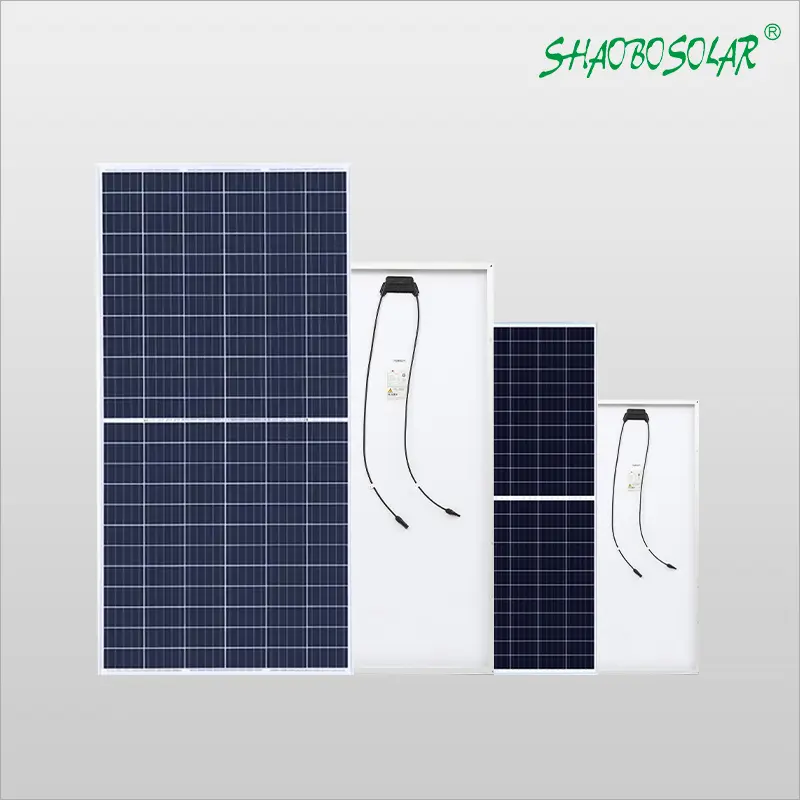
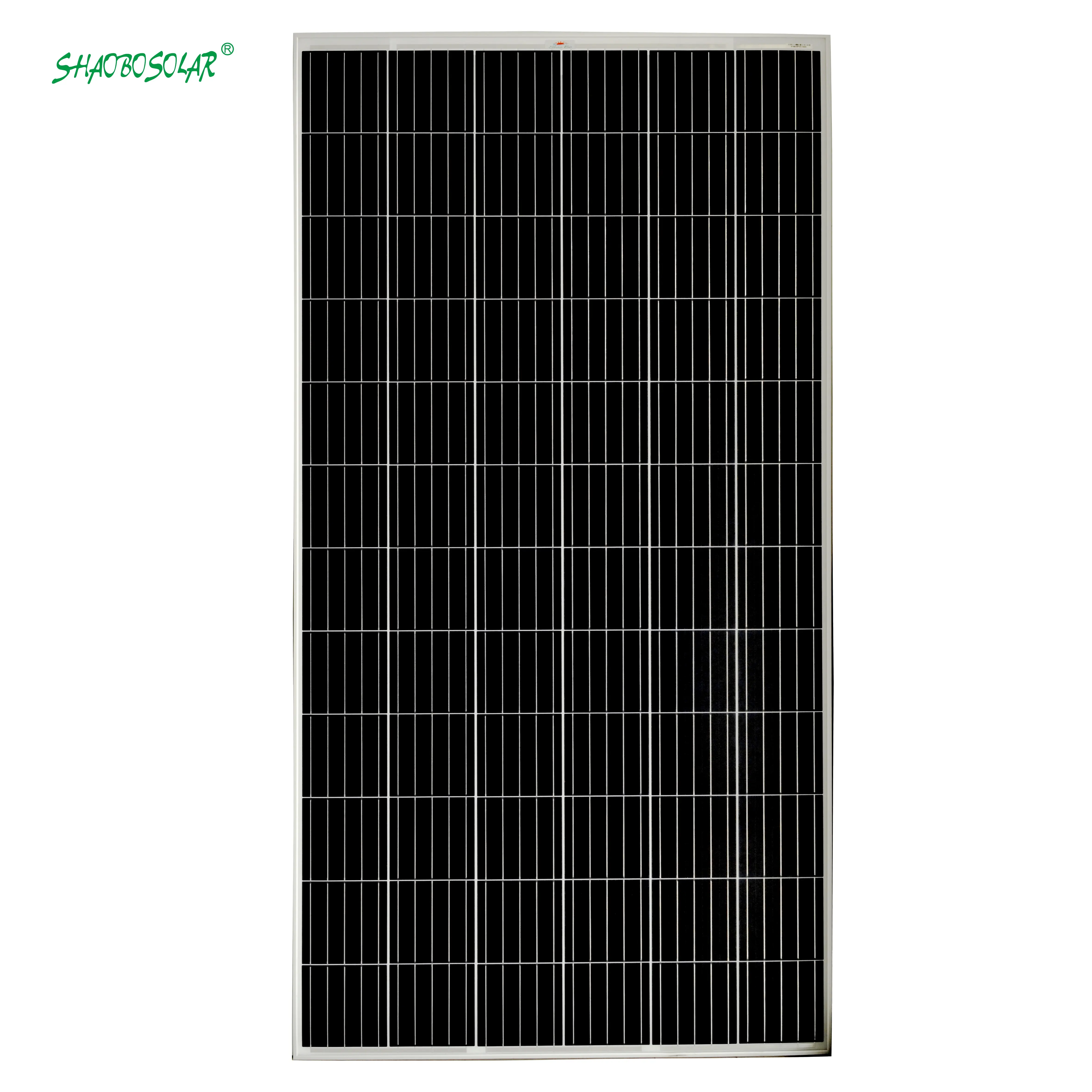
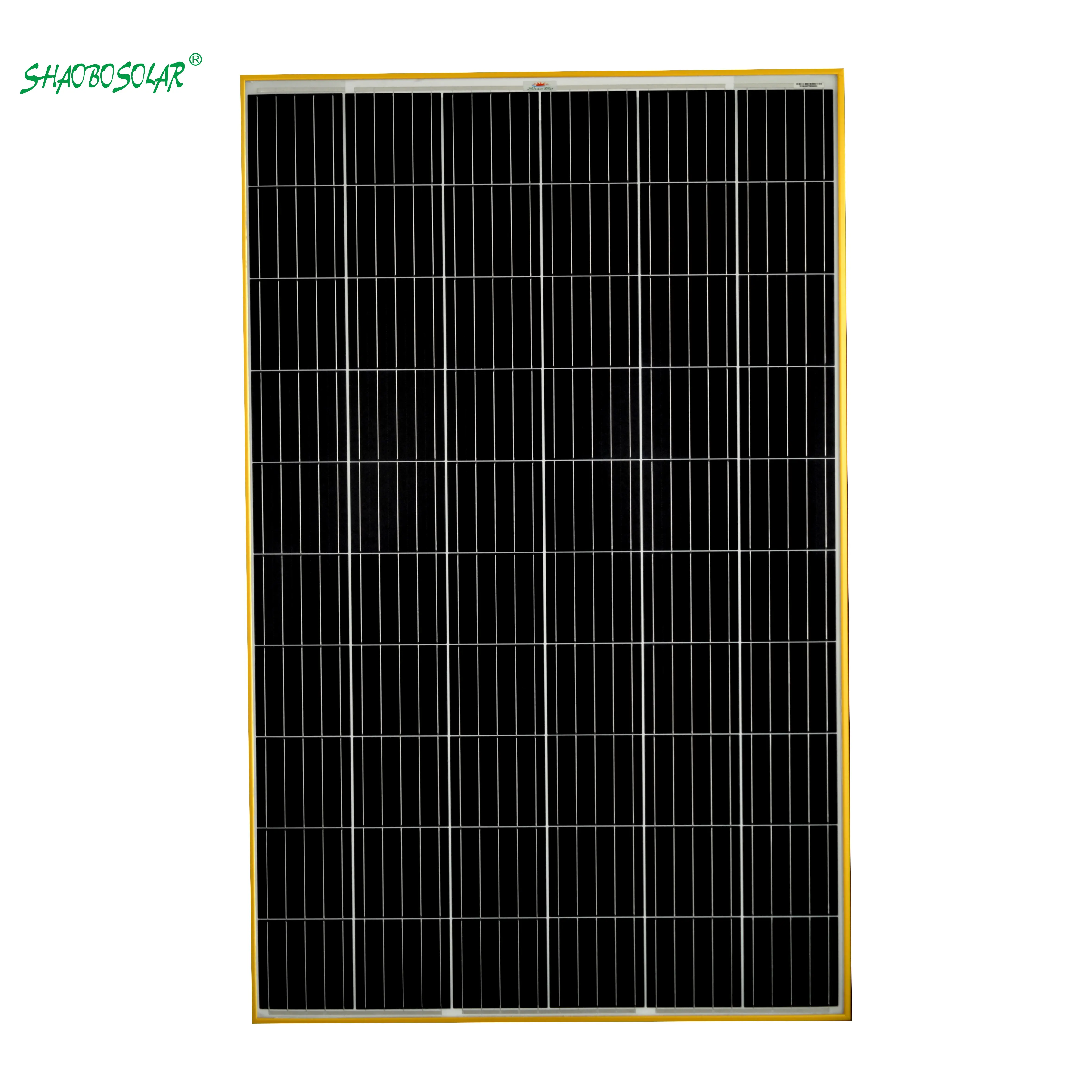
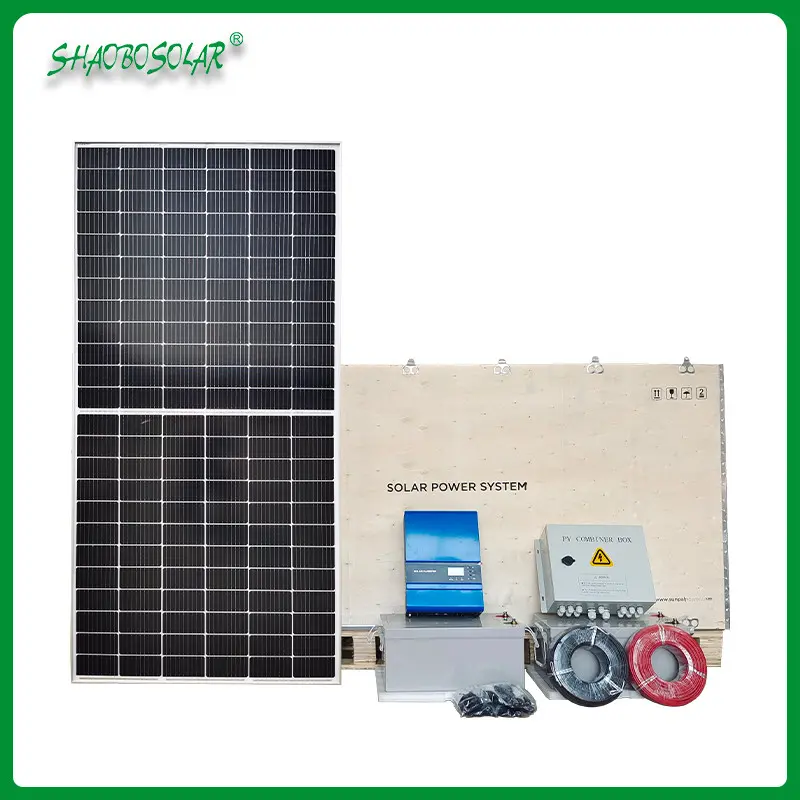
Advanced house solar power system Solutions for Mali

Advanced house solar power system Solutions for Mali

Advanced house solar power system Solutions for Mali

Empowering Mali's residential and industrial sectors with high-efficiency energy harvesting technology tailored for the Sahelian climate.

Advanced house solar power system Solutions for Mali

We provide integrated photovoltaic solutions designed to withstand high temperatures and dust, ensuring a stable power supply for homes and businesses across Mali.

The Solar Energy Landscape in Mali

Analyzing the adoption of photovoltaic technology in the heart of West Africa.

Mali possesses one of the highest solar irradiation levels globally, making solar panels the most viable alternative to an unstable national grid. In urban centers like Bamako, there is a surging demand for reliable energy to support digital transformation and small-scale manufacturing.

However, the environment presents unique challenges; extreme heat and Saharan dust accumulation often degrade the efficiency of standard polycrystalline solar panel installations. This has led to a shift toward industrial-grade components that offer better thermal coefficients.

Currently, the market is transitioning from simple lighting kits to complex systems. The integration of high-capacity storage and advanced mono solar panel technology is becoming essential for agricultural irrigation and healthcare facilities in rural regions.
Evolution of Photovoltaic Technology in Mali

From basic energy access to high-performance energy independence.

Market Development History

Between 2005 and 2015, the Malian market was dominated by small-scale polycrystalline solar panel systems, primarily used for basic LED lighting and mobile charging in off-grid villages.

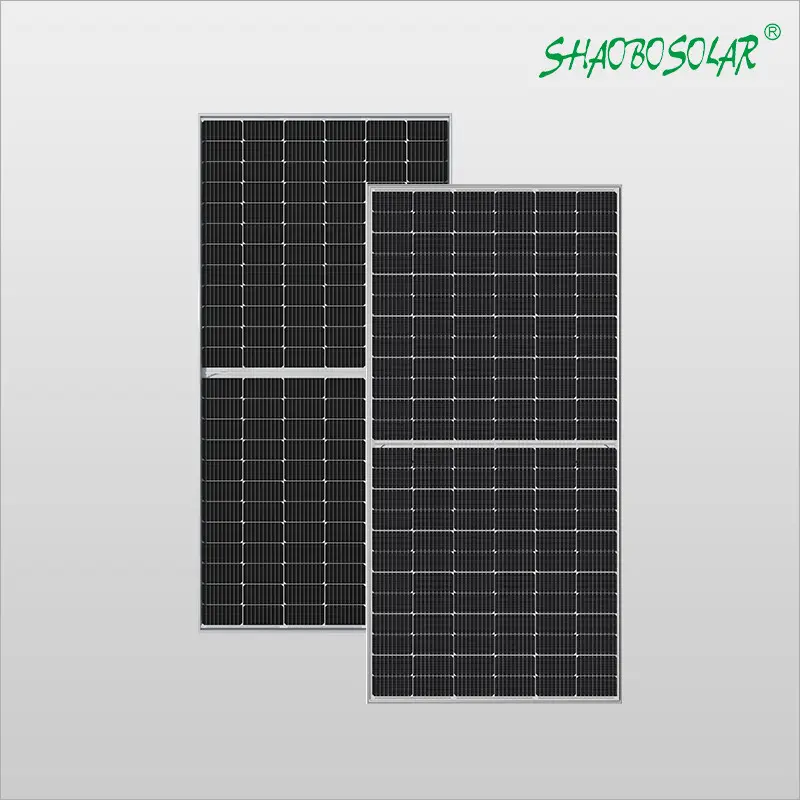
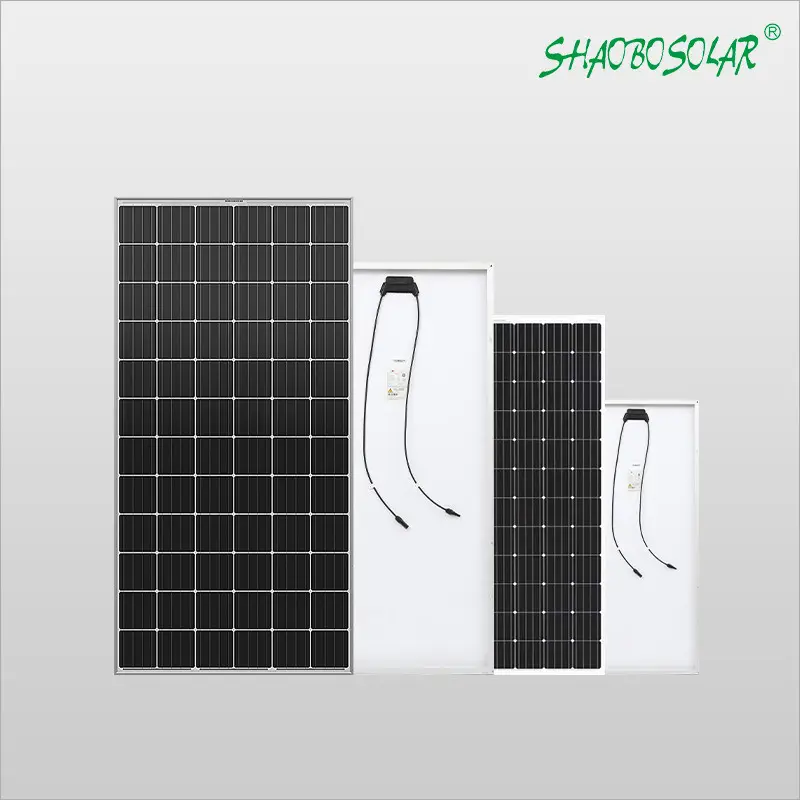
From 2016 to 2021, a technological pivot occurred. As efficiency became a priority, monocrystalline solar panels began to replace older tech, providing higher wattage in smaller footprints, which is critical for limited roof spaces in densely populated areas.

By 2022, the focus shifted toward systemization. The market moved away from selling individual components toward comprehensive house solar power system packages that include smart inverters and lithium-iron-phosphate batteries.

Future Development Trends

Bifacial Module Adoption

We expect a rise in bifacial solar panels that capture reflected light from Mali's sandy terrain, increasing total energy yield by 10-20%.

Smart Grid Integration

Transitioning from isolated systems to micro-grids, allowing communities to share excess power generated by mono solar panel arrays.

Advanced Dust-Repellent Coatings

Implementation of hydrophobic and anti-static glass to reduce maintenance frequency in the dust-prone Sahel region.

Industry Trends and Future Outlook

Strategic directions for solar energy deployment in West Africa.

Efficiency Optimization
Increasing the conversion rate of monocrystalline solar panels to maximize output during short winter days.
Storage Evolution
Integrating LiFePO4 batteries with house solar power system for longer cycle life in heat.
Modular Scalability
Designing systems that allow easy addition of more solar panels as energy needs grow.
IoT Monitoring
Remote monitoring of mono solar panel performance via mobile apps.

Industry Outlook

Based on Google search trends in the Sahel region, there is a growing interest in "hybrid solar systems." This indicates a shift toward combining solar energy with existing generators to ensure 100% uptime for critical infrastructure.

Over the next 3-5 years, we predict a massive expansion of solar-powered agriculture in Mali, where high-efficiency monocrystalline solar panels will power large-scale water pumping systems, reducing reliance on expensive diesel fuels.

Localized Solar Applications in Mali

Real-world implementation of PV technology across different Malian sectors.

01. Residential Energy Independence

Installing a complete house solar power system in Bamako suburbs to eliminate power outages and reduce monthly utility costs.

02. Solar-Powered Irrigation

Deploying robust solar panels to drive submersible pumps for cotton and rice farming in the Niger River basin.

03. Rural Health Clinic Electrification

Using high-efficiency mono solar panel arrays to power vaccine refrigerators and emergency lighting in remote villages.

04. Off-Grid Commercial Hubs

Equipping small marketplaces with polycrystalline solar panel setups for lighting and refrigeration of perishable goods.

05. Educational Facility Power

Integrating solar energy into rural schools to enable computer labs and digital learning tools via reliable PV systems.

Brand Story

Global Development History of Hebei Shaobo Photovoltaic Technology Co., Ltd.

Foundational Engineering

Started with a mission to solve the inefficiency of early-stage PV cells, focusing on high-purity silicon crystallization.

Technical Breakthroughs

Developed advanced PERC technology to enhance the performance of monocrystalline solar panels in extreme climates.

Global Expansion

Expanded operations to West Africa, tailoring products specifically for the heat and dust challenges of regions like Mali.

System Integration

Moved beyond components to offer full house solar power system engineering for residential users.

Sustainable Future

Committing to zero-carbon manufacturing while providing affordable energy solutions to the most underserved regions globally.

Common Questions About Solar Energy in Mali

Expert answers to the most frequent technical and commercial inquiries.

Which is better for Mali, monocrystalline or polycrystalline solar panels?

While monocrystalline solar panels are more efficient and perform better in limited spaces, polycrystalline solar panel options are more cost-effective for large-scale rural installations where space is abundant.

How do I maintain a house solar power system in dusty environments?

Regular cleaning of the solar panels with dry cloths or soft brushes is recommended every two weeks during the Harmattan season to prevent dust buildup from reducing efficiency.

Can a mono solar panel withstand extreme heat in Bamako?

Yes, high-quality mono solar panel modules are designed with specific temperature coefficients to ensure they continue operating effectively even when surface temperatures exceed 60°C.

What is the average lifespan of solar panels in West Africa?

Most professional-grade solar panels come with a 25-year linear power warranty, though efficiency may slightly decline over time depending on maintenance.

How many panels are needed for a standard house solar power system?

The number of solar panels depends on your daily kWh consumption. A typical small home in Mali usually requires 4 to 8 high-efficiency panels coupled with a suitable inverter and battery bank.

Are polycrystalline solar panels suitable for agricultural pumps?

Absolutely. Due to their lower cost per watt, polycrystalline solar panel arrays are often the preferred choice for large agricultural water pumping projects in Mali.

Ready to Power Your Future?

Contact our engineering team today for a customized photovoltaic consultation in Mali.

Contact Us Now

If you are interested in our products, you can choose to leave your information here, and we will be in touch with you shortly.