
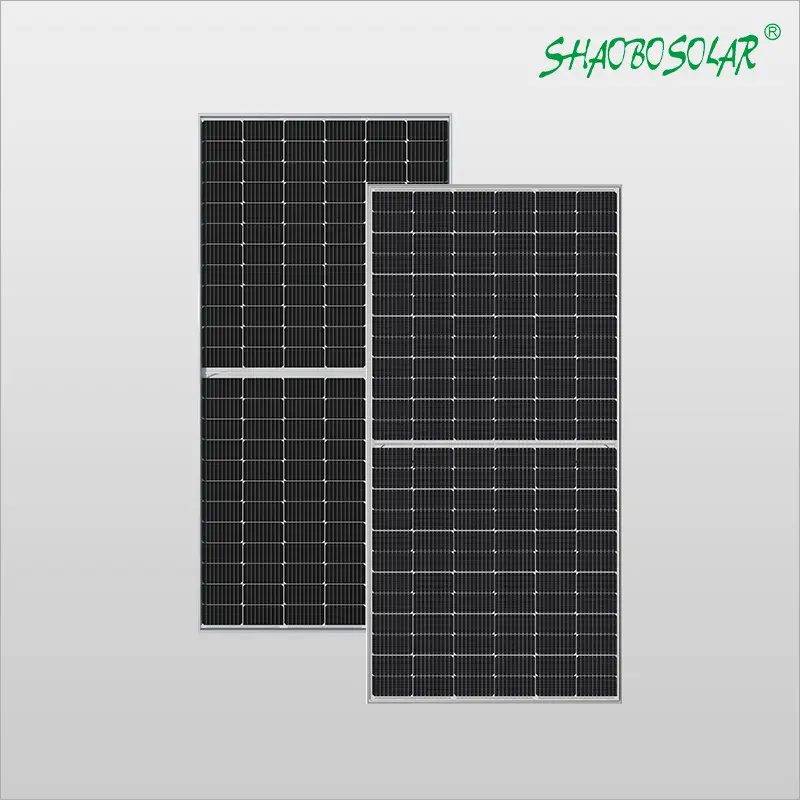
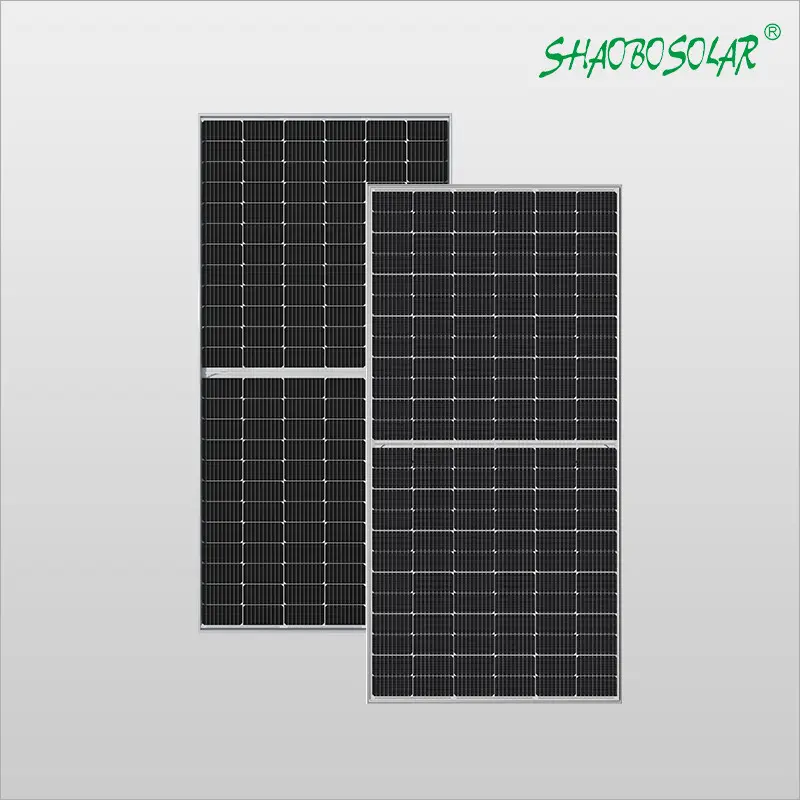
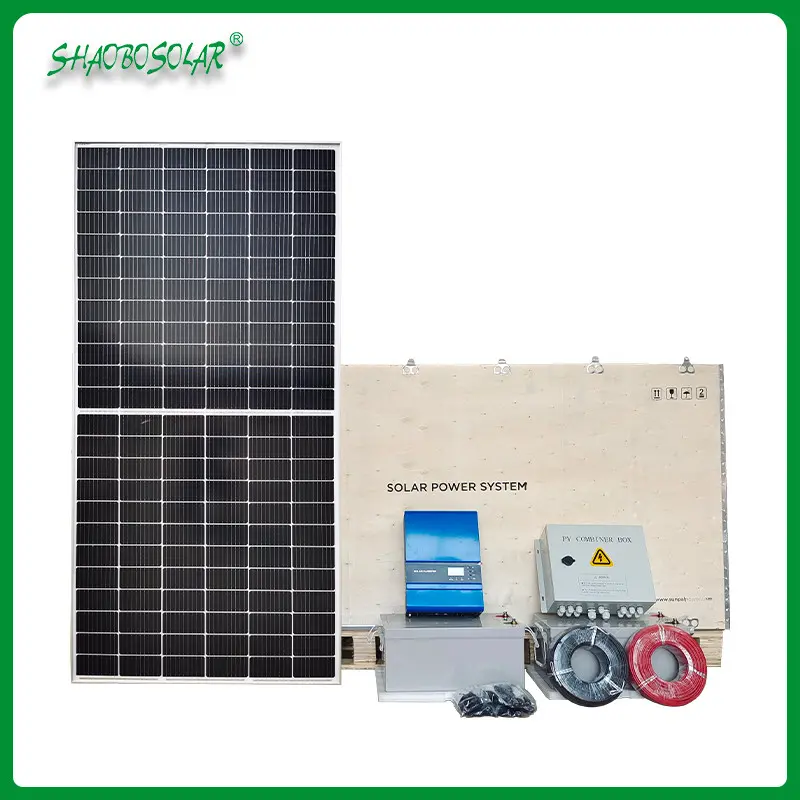
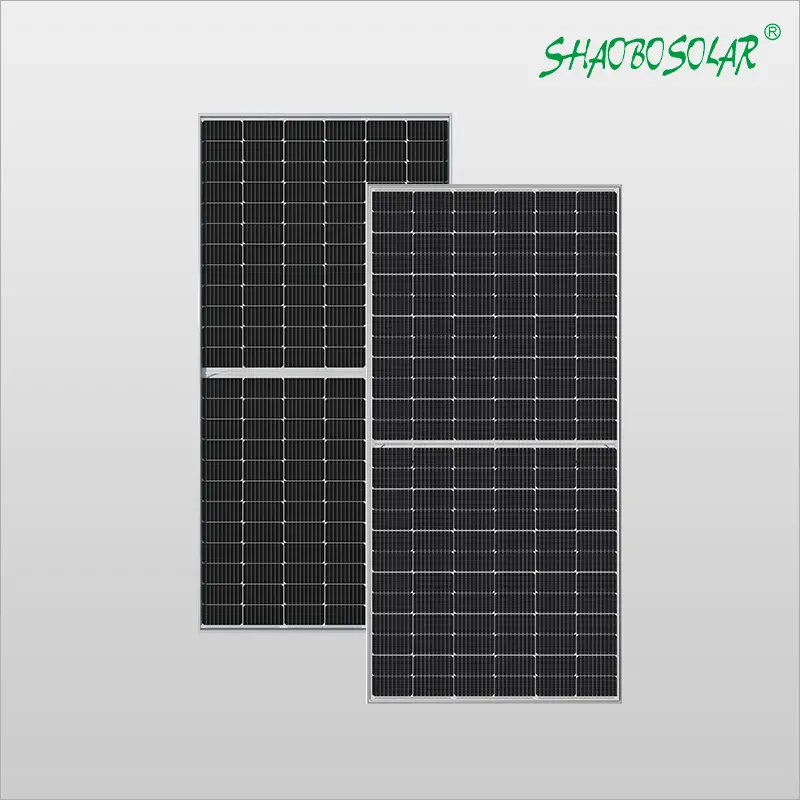
Advanced House Solar Power System Solutions for Malaysia

Advanced House Solar Power System Solutions for Malaysia

Advanced House Solar Power System Solutions for Malaysia

Empowering Malaysian homes and industries with high-efficiency photovoltaic technology tailored for tropical climates.

Advanced House Solar Power System Solutions for Malaysia

We provide integrated solar energy systems designed to optimize energy capture in Southeast Asia, reducing electricity costs for residential and commercial users through premium solar panels.

Current Landscape of Solar Energy in Malaysia

Analyzing the adoption of PV technology in the heart of Asia - Malaysia.

Malaysia's geographical position near the equator provides an abundance of solar irradiance, making it a prime market for monocrystalline solar panels. The government's Net Energy Metering (NEM) scheme has significantly accelerated the transition towards green energy for homeowners.

Despite the potential, the high humidity and frequent heavy rainfall in the region require specific hardware durability. This has led to a shift from basic installations to sophisticated mono solar panel configurations that maintain efficiency during overcast conditions.

Economically, the rising cost of conventional electricity in urban centers like Kuala Lumpur and Penang is driving the mass adoption of sustainable energy, creating a surge in demand for reliable, long-term solar infrastructure.
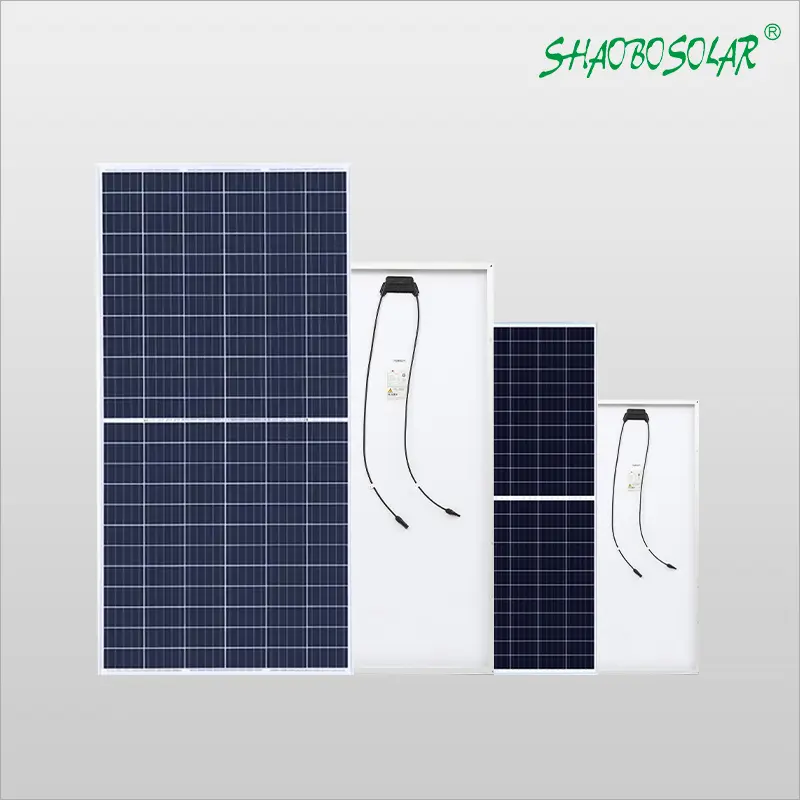
Evolution and Trajectory of Photovoltaic Technology

From early adopters to high-efficiency modern energy grids.

Market Development History

In the early 2010s, the Malaysian market was dominated by polycrystalline solar panel technology due to its lower manufacturing costs, although it offered lower efficiency in high-heat environments.

Between 2015 and 2020, a technical pivot occurred as PERC (Passivated Emitter and Rear Cell) technology became mainstream, allowing monocrystalline solar panels to outperform older models in limited roof spaces.

Currently, the industry has entered the N-type and TOPCon era, where energy conversion rates are maximized to combat the "heat coefficient" loss common in tropical Asia.

Future Development Trends

Integration of Smart Energy Storage

The trend is moving toward hybrid systems that combine panels with lithium-ion storage to ensure 24/7 power stability during monsoon seasons.

Bifacial Module Adoption

Increasing use of double-sided panels to capture reflected light from rooftops, further increasing the yield per square meter.

AI-Driven Energy Management

Implementation of AI software to predict weather patterns in Malaysia and optimize battery charging cycles automatically.

Industry Trends and Future Outlook

Strategic forecasting for the next 3-5 years of solar manufacturing.

Efficiency Breakthroughs
Transitioning to HJT (Heterojunction) technology to achieve conversion rates exceeding 25% in tropical heat.
Digitalized Grid Management
Integration of IoT for real-time monitoring of energy production and consumption across Malaysia's residential sectors.
Circular Manufacturing
Focusing on the recyclability of silicon wafers and aluminum frames to meet ESG standards.
BIPV Integration
Building-Integrated Photovoltaics becoming standard in new Malaysian urban architectural designs.

Industry Outlook

Based on Google search trends, there is a significant increase in queries regarding "energy independence" and "solar battery cost" in Malaysia. This indicates a shift from simple grid-tied systems to autonomous power solutions.

We expect the market to move towards a decentralized energy model where neighborhoods share power, supported by the high reliability of modern N-type cells.

Localized Application Scenarios in Malaysia

Tailored solar implementations for various Malaysian environments.

1. Urban Residential Terraces

Utilizing space-efficient mono solar panel arrays on narrow rooftops in Kuala Lumpur to maximize kWh output per square foot.

2. Industrial Warehouses in Selangor

Large-scale deployment of high-durability panels to power heavy machinery and cold storage, significantly reducing operational overhead.

3. Remote Eco-Resorts in Sabah/Sarawak

Implementing standalone power systems with high-capacity batteries to provide sustainable electricity in areas without grid access.

4. Agricultural Solar Farms (Agrivoltaics)

Installing elevated panels over crops to provide shade and generate power, optimizing land use in rural Malaysian farming zones.

5. Commercial Shopping Malls

Integrating aesthetic BIPV solutions into parking structures to power EV charging stations for the growing number of electric vehicles.

Brand Story

Global Development Journey of Hebei Shaobo Photovoltaic Technology Co., Ltd.

Foundation and Vision

Started with a mission to democratize high-efficiency energy, focusing on overcoming the degradation issues of solar cells in extreme climates.

R&D Breakthroughs

Invested heavily in monocrystalline silicon purity, achieving a benchmark in low-light performance for tropical regions.

Global Expansion

Entered the Southeast Asian market, establishing strong logistics and support networks to serve the unique needs of Malaysia.

Sustainability Milestone

Achieved carbon-neutral manufacturing processes, ensuring that our panels are green from production to installation.

Future Innovation

Currently developing perovskite-silicon tandem cells to push the boundaries of photovoltaic efficiency globally.

Common Questions for Solar Adoption in Malaysia

Everything you need to know about transitioning to solar energy.

Which is better for Malaysian weather: monocrystalline or polycrystalline solar panels?

Monocrystalline panels are generally better for Malaysia as they offer higher efficiency and perform better in the high temperatures and limited space common in urban areas.

How long does a typical house solar power system take to pay for itself in Malaysia?

Depending on the NEM scheme and energy consumption, most residential systems achieve ROI within 4 to 7 years.

Can a mono solar panel generate electricity during the rainy season in Malaysia?

Yes, though efficiency drops, modern mono panels are designed to capture diffuse sunlight, ensuring power generation even on cloudy days.

What maintenance is required for solar panels installed in tropical climates?

Regular cleaning to remove dust and organic debris (like fallen leaves) is recommended every 3-6 months to maintain maximum efficiency.

Are polycrystalline solar panels still viable for large scale projects in Malaysia?

They remain a cost-effective option for massive open-field installations where space is not a constraint, though they are being phased out by higher-efficiency options.

How do I choose the right capacity for my house solar power system?

We recommend analyzing your monthly TNB bills and calculating your average daily kWh usage to determine the optimal panel count and inverter size.

Start Your Green Transition Today

Contact our engineering experts to design a customized solar solution for your property in Malaysia.

Contact Us Now

If you are interested in our products, you can choose to leave your information here, and we will be in touch with you shortly.