21 April 2026
Considering investing in solar energy? Understanding the 1kW solar panel price in China is a crucial first step. China has become a global hub for solar panel manufacturing, offering competitive pricing and a wide range of options. This article will delve into the factors influencing costs, typical price ranges, popular panel choices, and what to consider when purchasing from Chinese suppliers. We'll help you navigate the market and make an informed decision for your solar energy needs.
Several key factors influence the final price of a 1kW solar panel system sourced from China. These include the panel type (monocrystalline, polycrystalline, or thin-film), the panel's wattage and efficiency, the quality of the components (inverter, mounting structure, cables), shipping costs, import duties, and the supplier’s profit margin. Higher efficiency panels typically command a higher price, but they generate more power per square meter. The brand reputation of the manufacturer also plays a role, with established brands often charging a premium. Shaobo Solar offers competitive pricing without compromising on quality.
Key Considerations: Panel type, efficiency, component quality, shipping, duties, and supplier reputation significantly impact the overall cost.
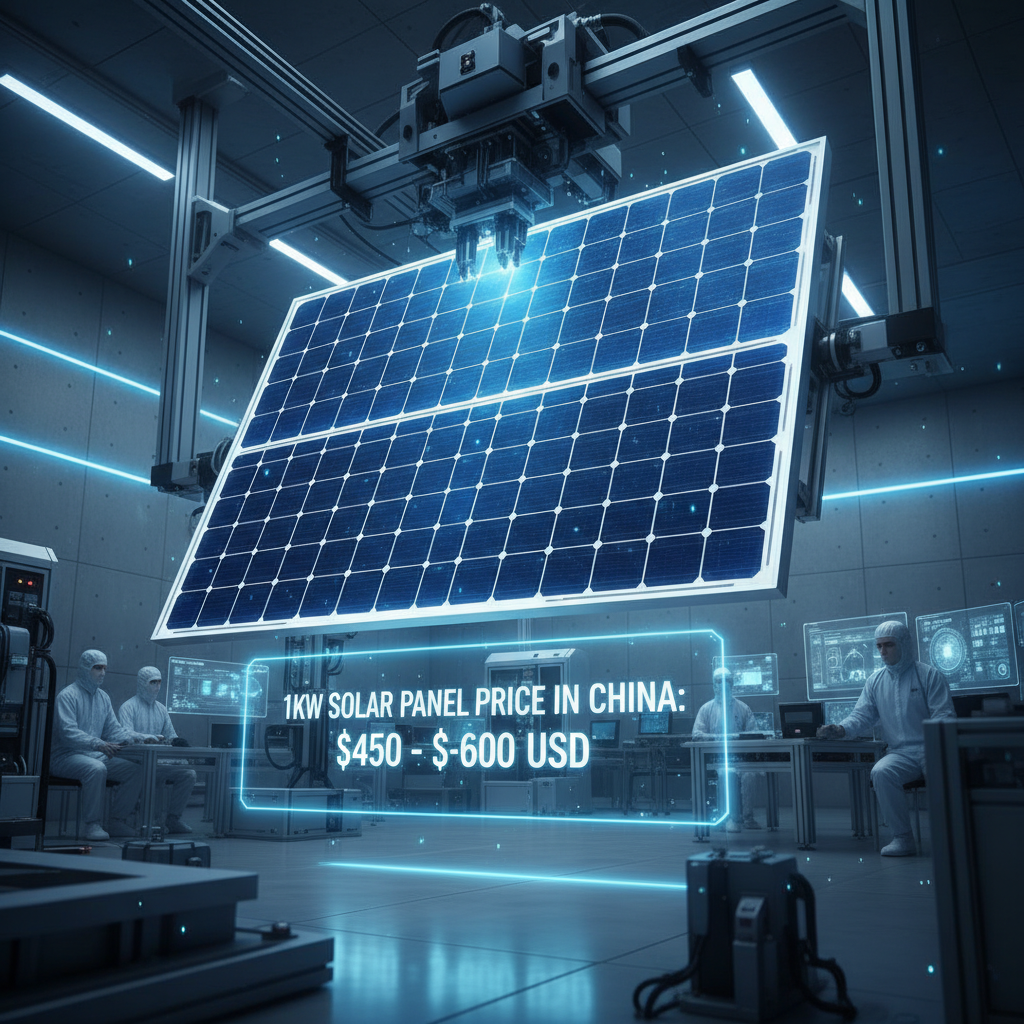
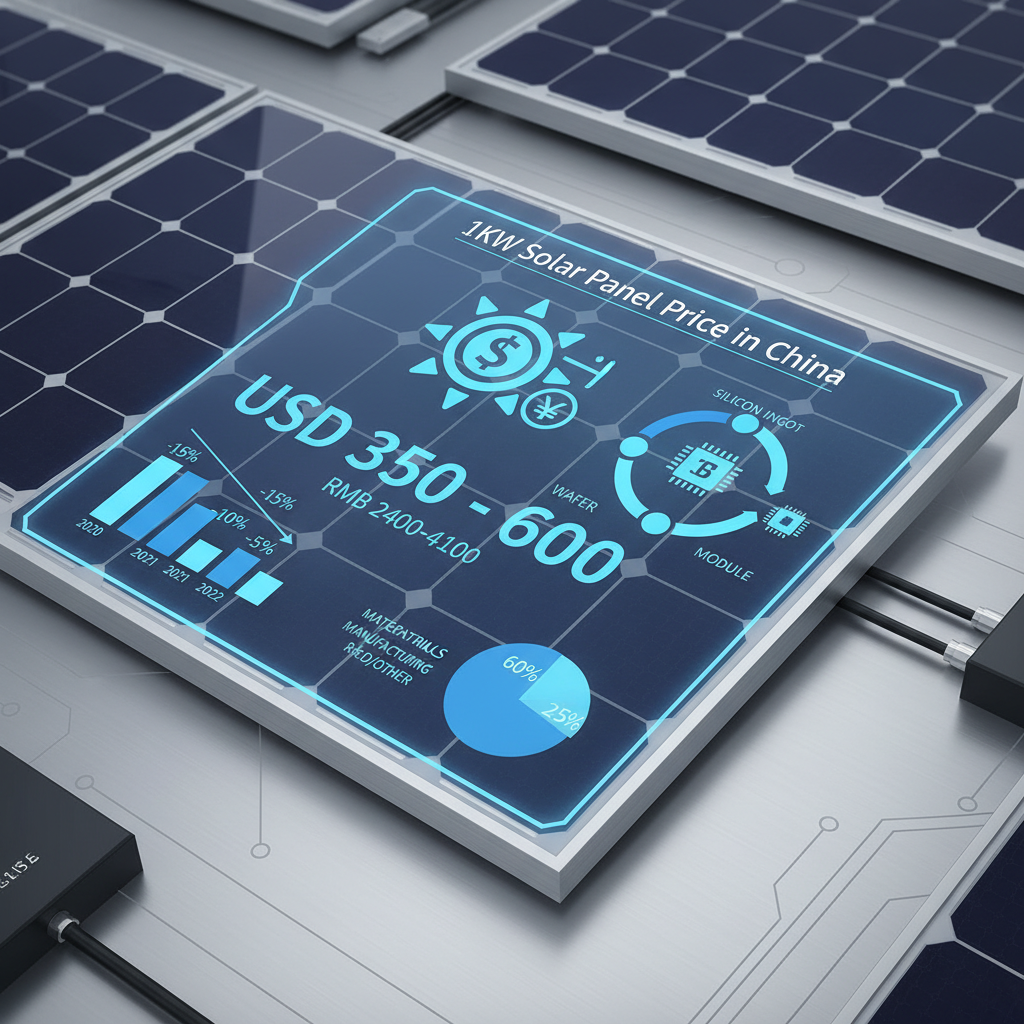
As of late 2023/early 2024, a typical 1kW solar panel system sourced from China can range from $300 to $600 USD, excluding shipping and import duties. Polycrystalline panels are usually at the lower end of this range, while monocrystalline panels, particularly those with higher efficiency, fall towards the higher end. Thin-film panels are less common for small-scale systems like 1kW. The inverter, which converts DC power to AC power, can add another $100 - $200 to the cost. Remember these are estimates, and prices fluctuate based on market conditions and supplier agreements.
Price Breakdown (Estimates):
• Polycrystalline Panels: $300 - $400
• Monocrystalline Panels: $400 - $600
• Inverter: $100 - $200
• Mounting Structure & Cables: $50 - $100
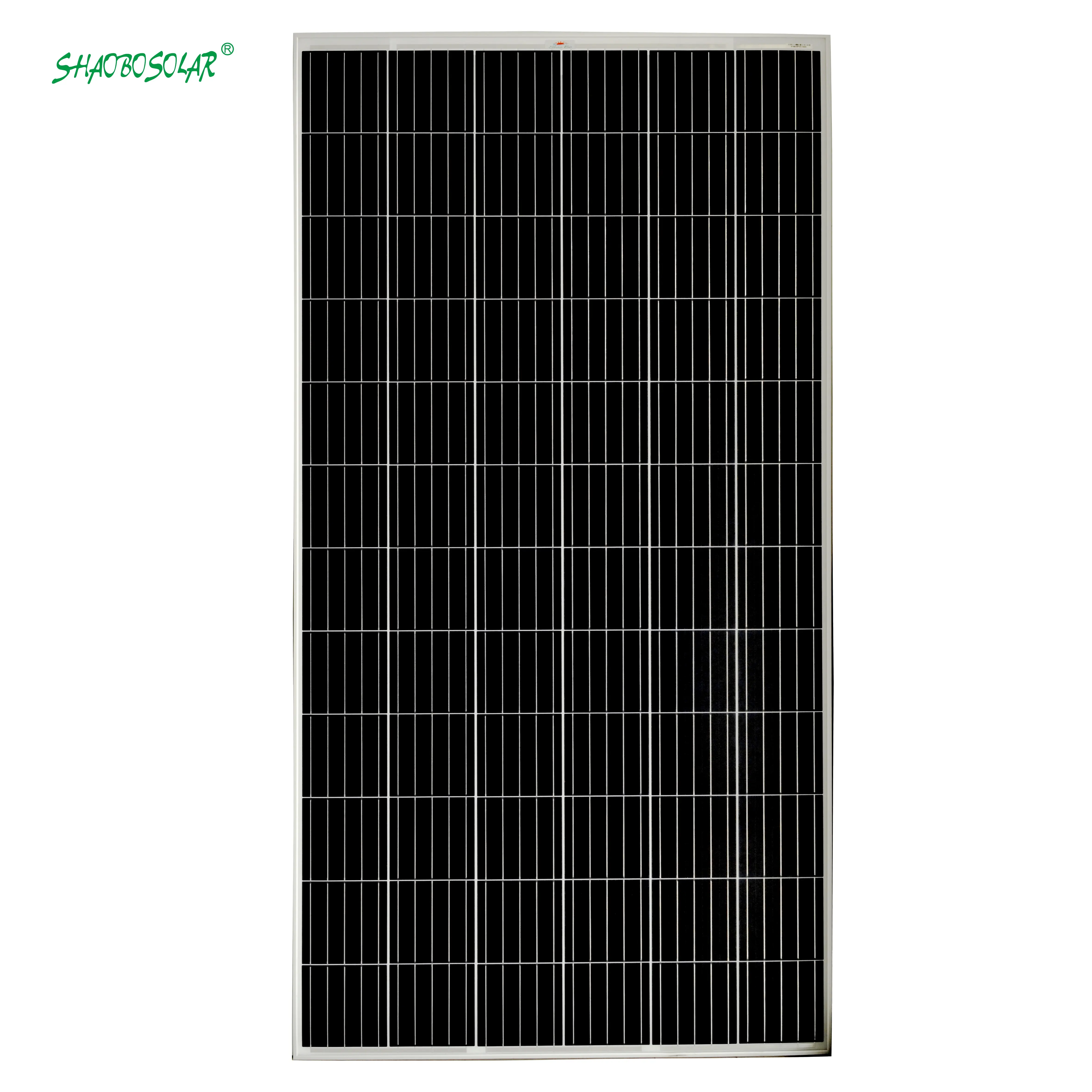
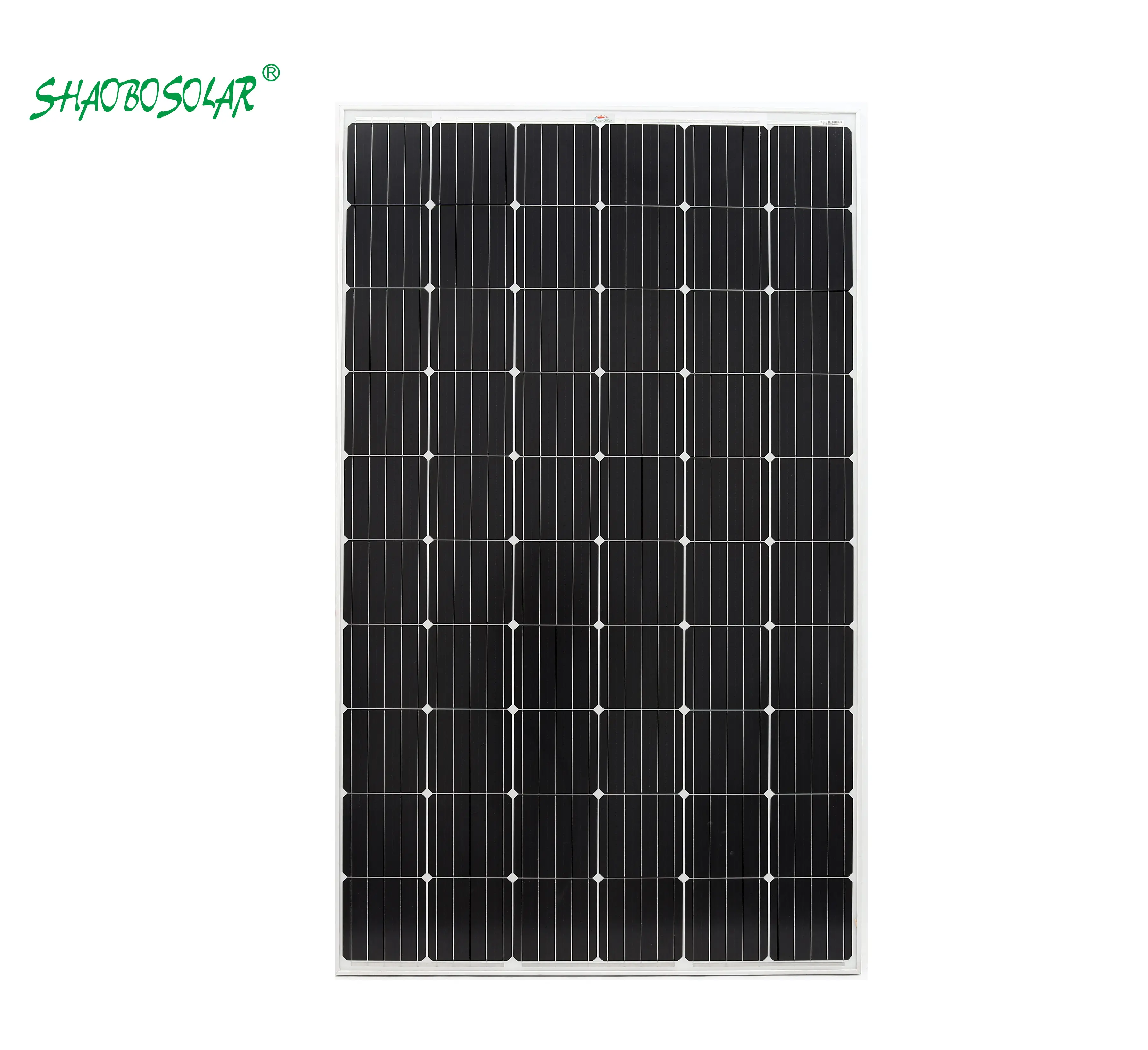
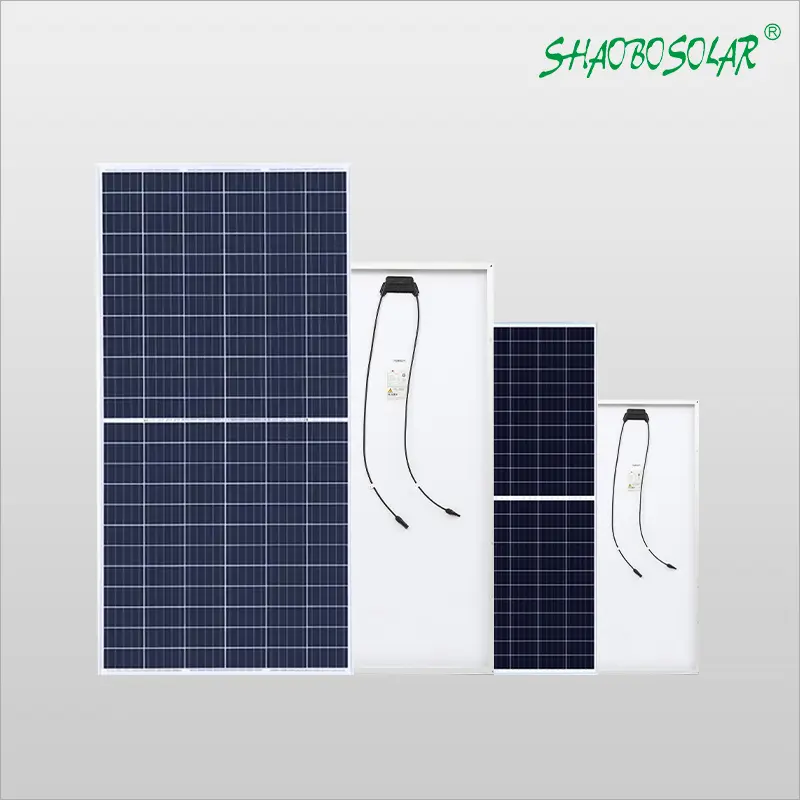
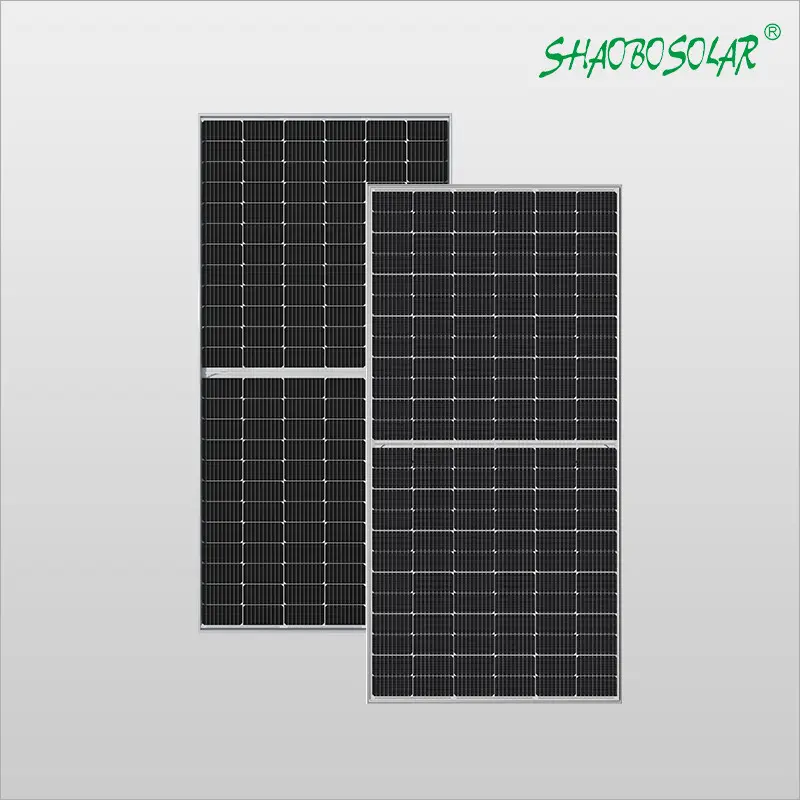
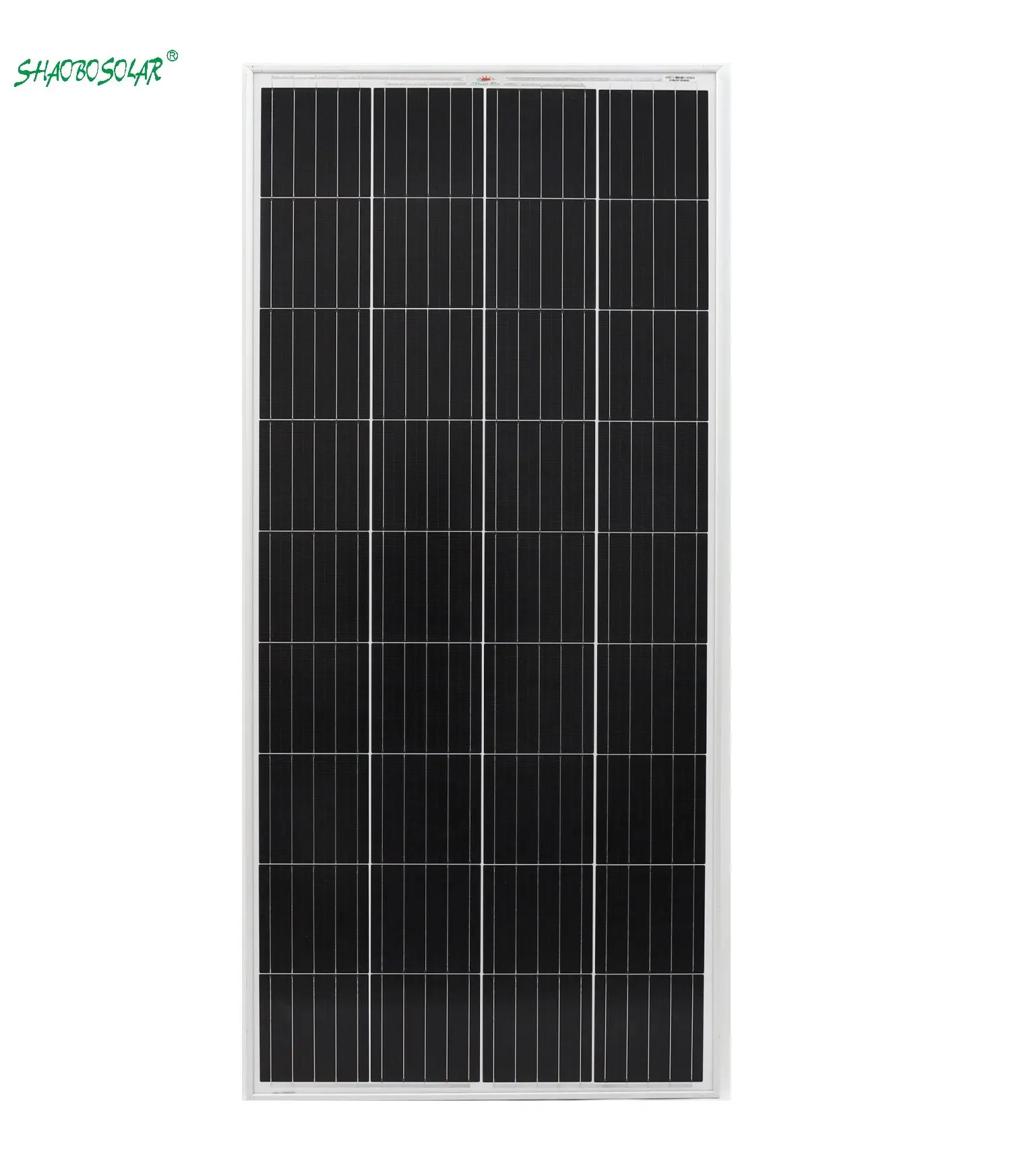
Choosing between monocrystalline and polycrystalline panels is a key decision. Monocrystalline panels are made from a single silicon crystal, resulting in higher efficiency (typically 17-22%) and a sleeker, black appearance. Polycrystalline panels are made from multiple silicon fragments, resulting in lower efficiency (typically 15-17%) and a blue, speckled appearance. While monocrystalline panels are more expensive upfront, their higher efficiency means you’ll need fewer panels to achieve the same power output, which can save space and installation costs. Shaobo Solar offers both types to suit different budgets and space constraints.
Purchasing directly from Chinese suppliers can offer significant cost savings, but it also presents challenges. Thorough due diligence is essential. Verify the supplier’s certifications (e.g., ISO 9001, IEC), check their trade references, and request samples before placing a large order. Pay close attention to shipping costs, import duties, and potential taxes. Ensure clear communication and establish a detailed contract outlining quality control procedures, warranty terms, and dispute resolution mechanisms. Shaobo Solar simplifies this process by providing quality assurance, international shipping support, and clear documentation.
At Shaobo Solar, we specialize in providing high-quality solar panels and complete solar energy systems at competitive prices. We have a strong reputation for reliability, excellent customer service, and streamlined logistics. We offer a wide selection of monocrystalline and polycrystalline panels, inverters, and mounting structures to meet your specific needs. Contact us today for a personalized quote and expert advice on your solar energy project.
Choosing the right solar panels and supplier is crucial for a successful solar energy investment. Shaobo Solar provides a reliable, cost-effective, and customer-focused solution for your 1kW solar panel needs. We empower you to harness the power of the sun and reduce your carbon footprint.
Most reputable Chinese solar panel suppliers, including Shaobo Solar, offer a 25-year performance warranty, guaranteeing that the panels will maintain at least 80% of their original power output after 25 years. They also typically offer a 5-10 year product warranty covering defects in materials and workmanship. It’s crucial to carefully review the warranty terms and conditions before purchasing to understand the coverage and claim process. Look for suppliers with a strong track record of honoring their warranties.
Shipping costs vary depending on the destination country, the weight and volume of the shipment, and the chosen shipping method (sea freight or air freight). Typically, shipping can add 10-20% to the total cost. Import duties and taxes also vary by country and are usually calculated as a percentage of the declared value of the goods. These can range from 5-25%. It’s important to factor these additional costs into your budget when comparing prices from different suppliers.
Key certifications to look for include IEC 61215 (for solar panel performance and safety), IEC 61730 (for solar panel durability), ISO 9001 (for quality management systems), and CE marking (for European compliance). These certifications demonstrate that the panels have been tested and meet international standards. Ensure the supplier can provide valid documentation for these certifications.


Hit enter to search or ESC to close