
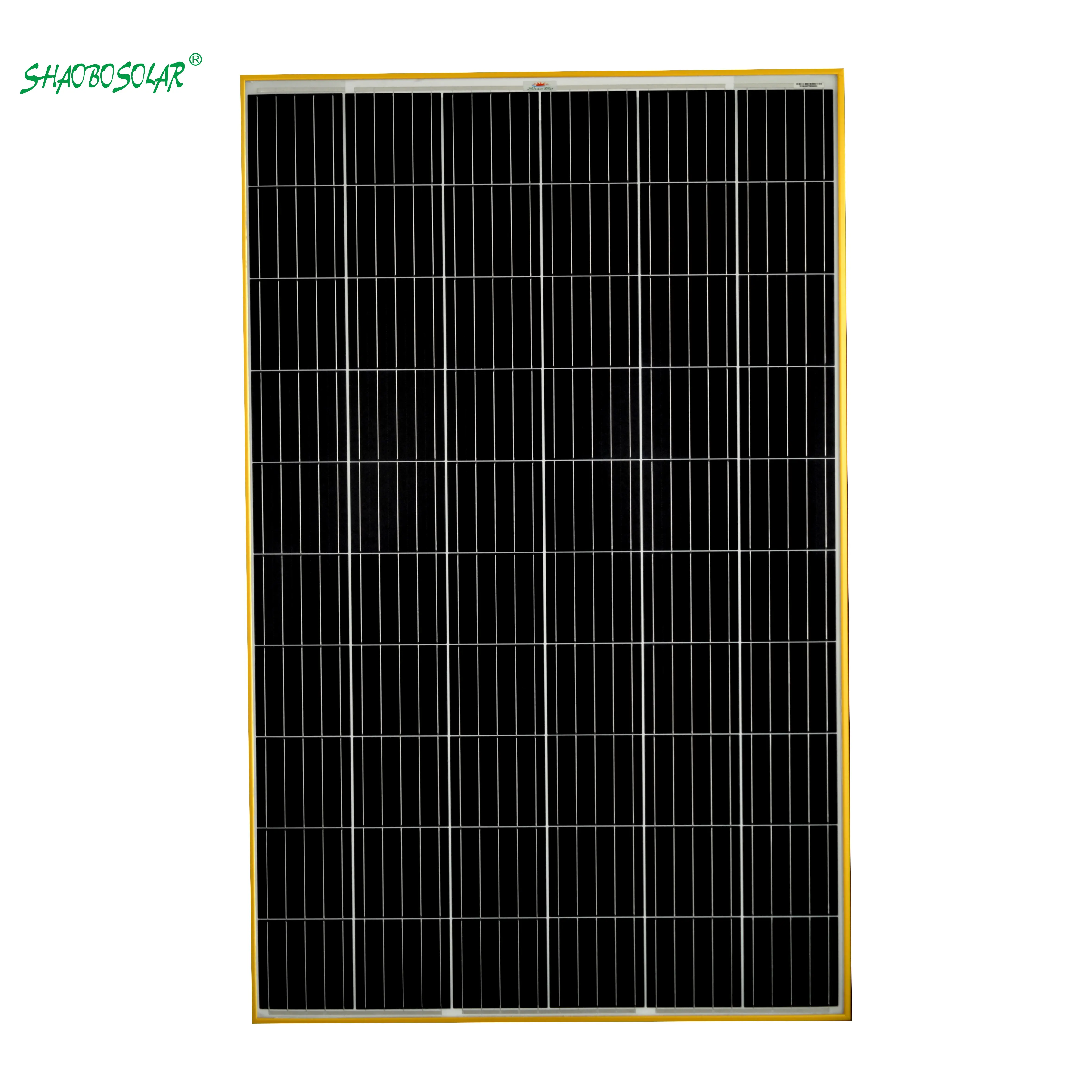
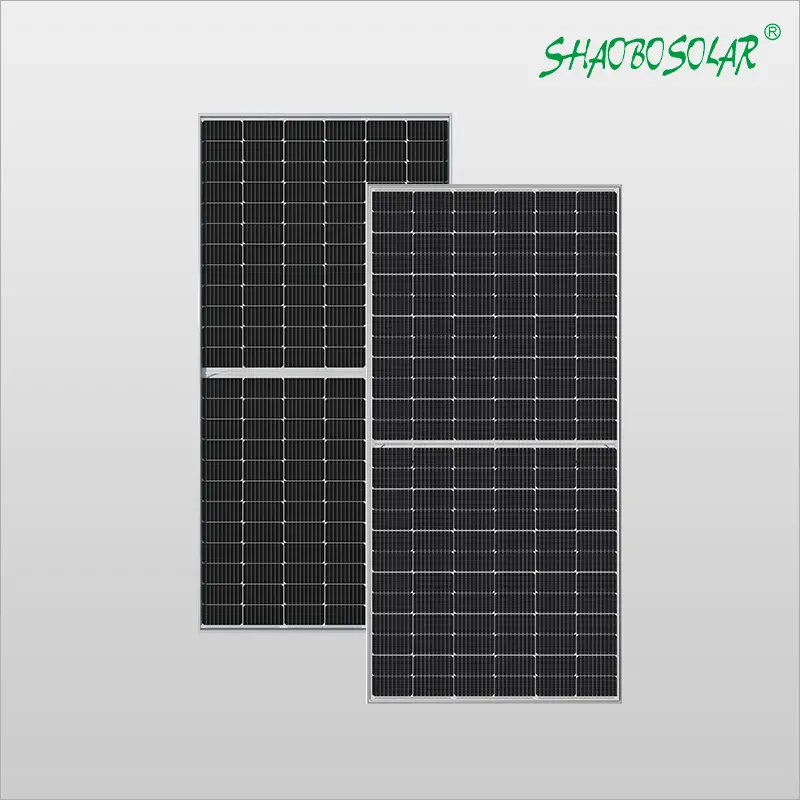
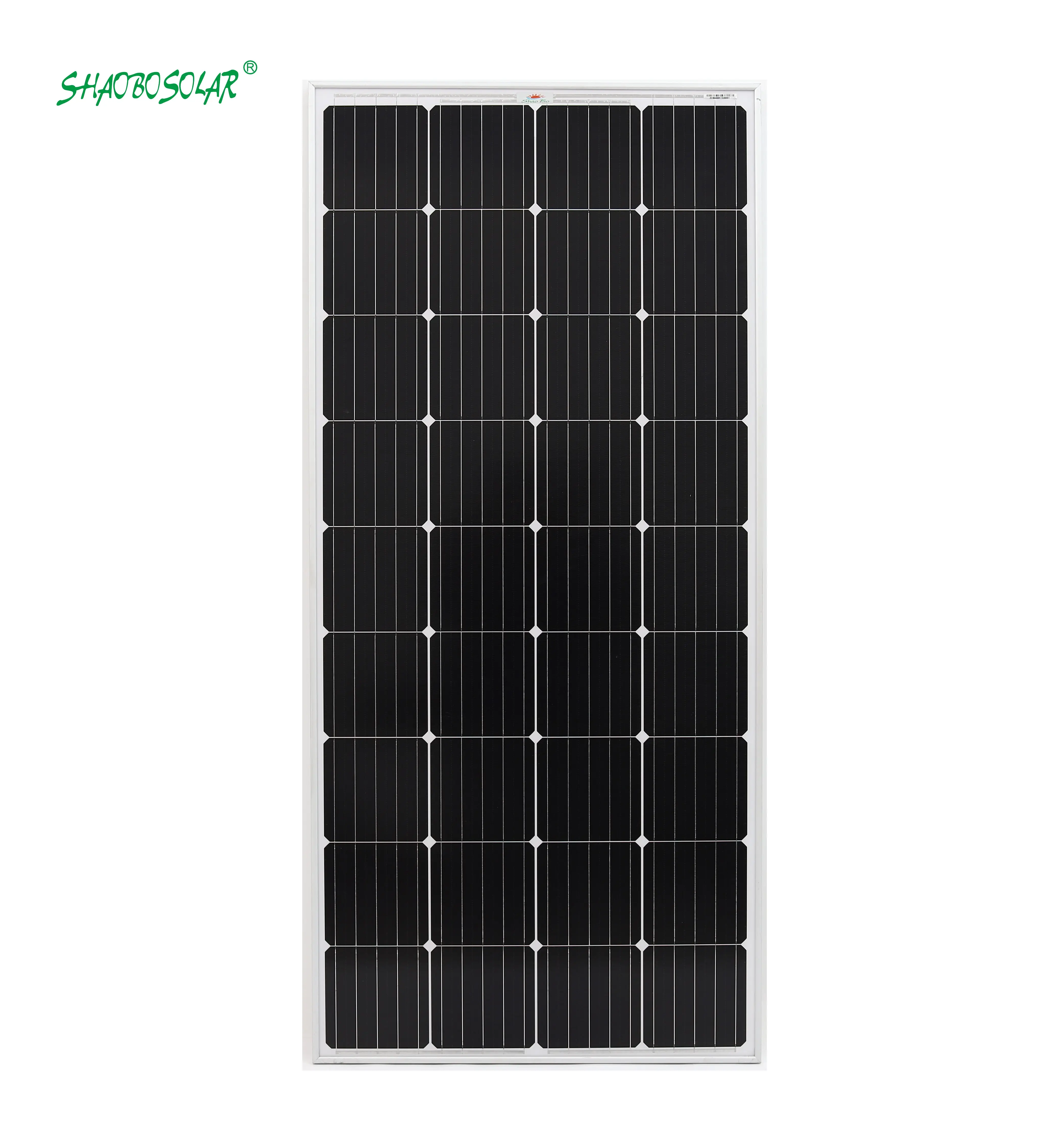
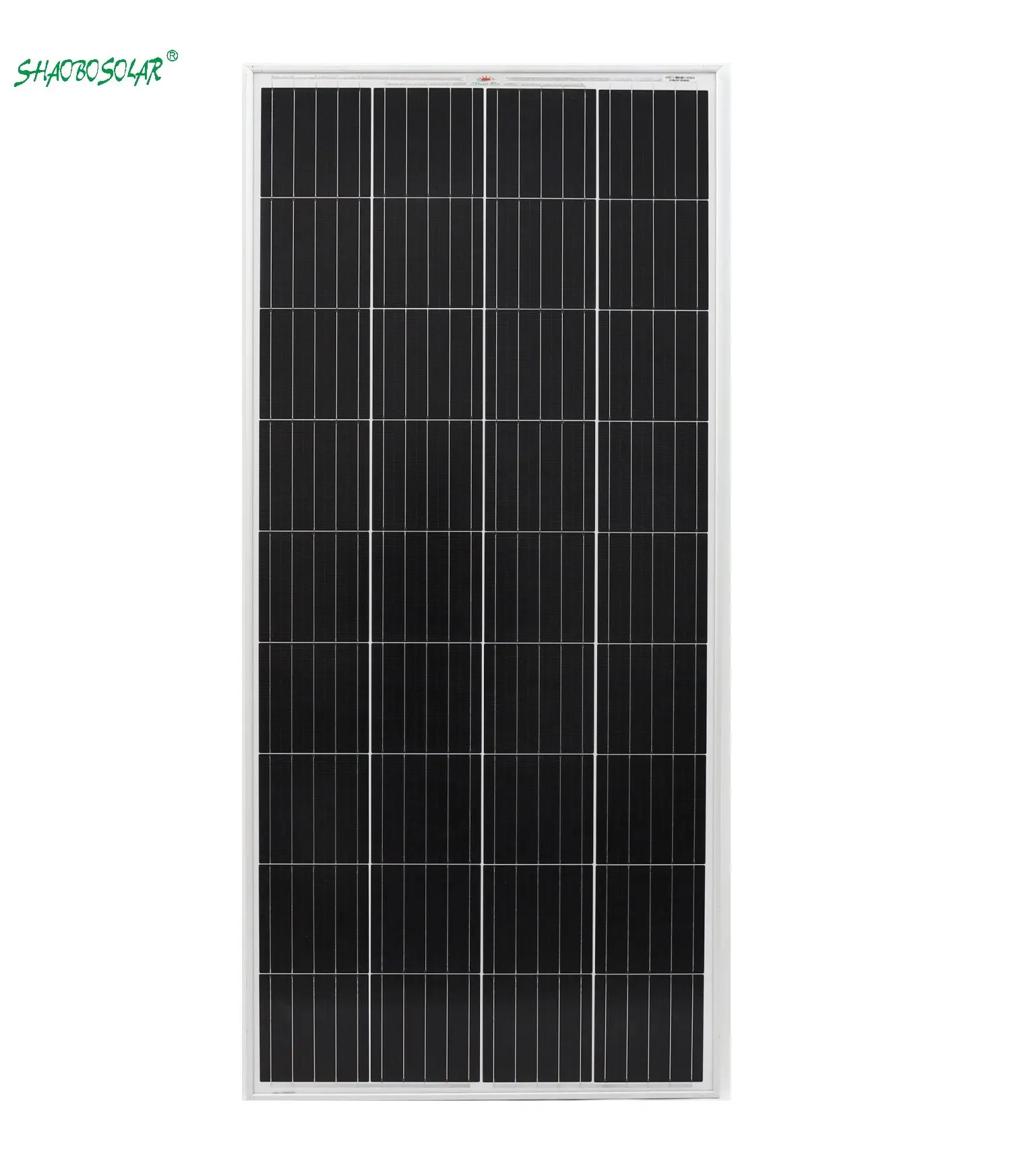
HighEfficiency house solar power system for Papua New Guinea

HighEfficiency house solar power system for Papua New Guinea

High-Efficiency house solar power system for Papua New Guinea

Empowering PNG's remote landscapes with cutting-edge photovoltaic technology tailored for tropical climates.

High-Efficiency house solar power system for Papua New Guinea

Providing scalable and durable energy solutions to bridge the electricity gap across the rugged terrains of Papua New Guinea using premium solar components.

Solar Energy Landscape in Papua New Guinea

Analyzing the transition toward sustainable energy in the Pacific region.

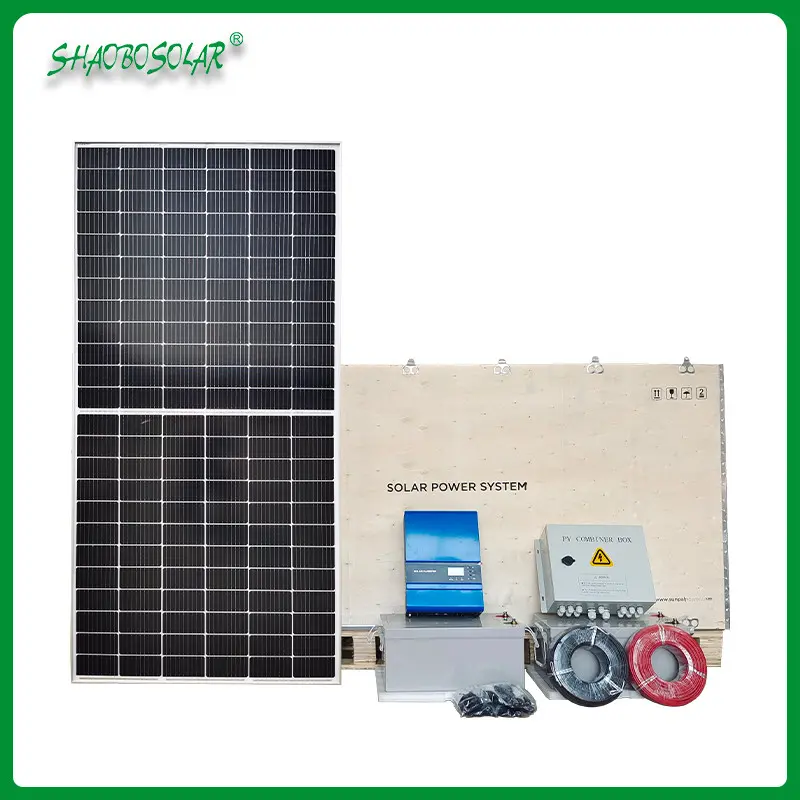
Papua New Guinea faces unique geographical challenges, with dense rainforests and mountainous terrain making traditional grid extension nearly impossible. Consequently, the demand for solar panels has surged as the primary method for rural electrification, providing an autonomous power source for isolated villages.

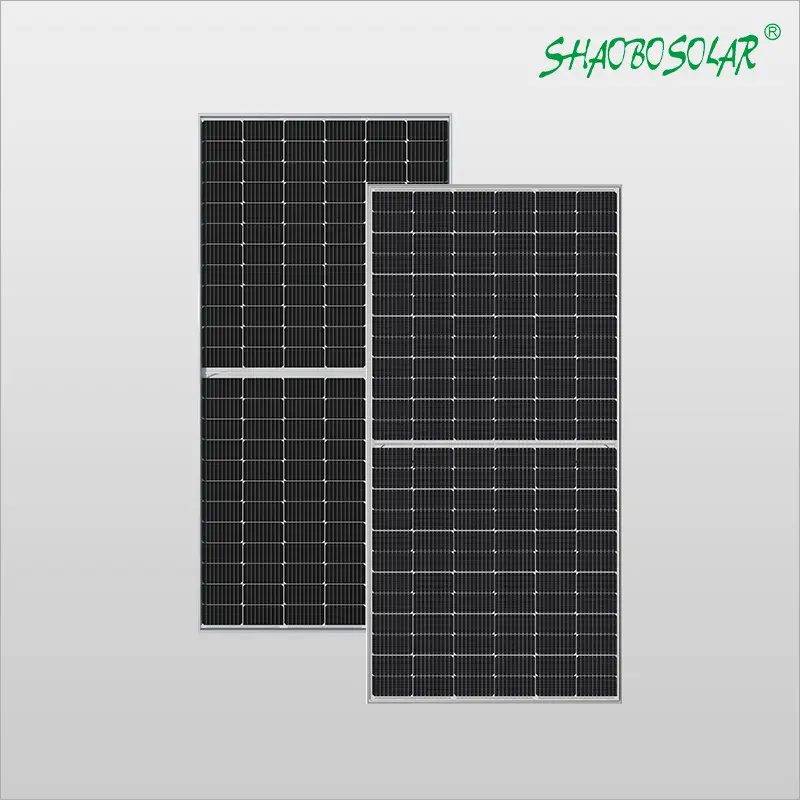
The tropical climate, characterized by high humidity and intense solar radiation, requires specialized equipment. Standard installations are being replaced by high-durability monocrystalline solar panels, which offer better efficiency in limited spaces and superior performance under the specific spectral conditions of the Oceania region.

Economic shifts are driving a move from small-scale lighting kits to comprehensive mono solar panel arrays that can power refrigeration and medical equipment, fundamentally changing the socioeconomic infrastructure of the PNG Highlands and coastal areas.
Evolution of PV Technology in PNG

From basic lighting to industrial-grade energy independence.

Market Development History

From 2000 to 2010, the market was dominated by early-stage polycrystalline solar panel technology. These were widely deployed due to lower costs, providing basic LED lighting for remote households, though they struggled with the extreme heat and humidity of the PNG coast.

Between 2011 and 2020, a technical pivot occurred. The introduction of PERC technology and the shift toward monocrystalline cells allowed for higher wattage in smaller footprints. This era saw the rise of the integrated house solar power system, moving beyond simple lights to powering appliances.

Since 2021, the focus has shifted toward "Smart Solar." The integration of Lithium-ion storage and MPPT controllers has maximized the energy harvest during the shorter rainy seasons, ensuring a stable power supply year-round.

Future Development Trends

Bifacial Module Adoption

Expect a surge in bifacial modules that capture reflected light from sandy coastal soils, increasing yield by 10-20% compared to traditional panels.

Micro-Grid Integration

The trend is moving from single-home systems to community-based micro-grids, allowing shared energy resources across village clusters.

AI-Driven Energy Management

Integration of IoT for remote monitoring will allow technicians in Port Moresby to diagnose system failures in remote provinces via satellite links.

Industry Trends & Future Outlook

Strategic forecasting for the solar manufacturing sector in Oceania.

Efficiency Optimization
Transitioning to N-type TOPCon cells to minimize degradation in high-temperature environments.
Climate Resilience
Developing salt-mist corrosion resistant frames for coastal PNG installations.
Hybrid Storage
Combining solar with small-scale wind or hydro to stabilize the power grid in highlands.
Scalable Modularization
Implementing plug-and-play systems to reduce the need for highly skilled onsite engineers.

Industry Outlook

The trajectory for solar energy in Papua New Guinea is steeply upward. Search trends indicate a growing interest in energy independence and sustainable farming, suggesting that PV applications will expand from residential use to large-scale agricultural irrigation and cold-chain logistics.

Over the next 3-5 years, the industry will transition from simply providing "light" to providing "power." This shift will be supported by governmental initiatives to reduce reliance on diesel generators, making high-efficiency monocrystalline cells the standard for all new national projects.

Localized Application Scenarios in PNG

Practical implementations of solar technology across various PNG environments.

01. Remote Village Electrification

Utilizing modular arrays of solar panels to create community hubs that provide lighting and mobile charging stations for isolated tribes in the Sepik region.

02. Off-Grid Medical Clinics

Deployment of a robust house solar power system adapted for clinics to power essential vaccine refrigerators and emergency lighting in rural provinces.

03. Coastal Fishery Cold Storage

Using high-efficiency monocrystalline solar panels to power ice-making machines, reducing post-harvest loss for coastal fishing communities.

04. Highlands Agriculture Irrigation

Installation of mono solar panel driven water pumps to automate coffee and cocoa plantation irrigation, increasing crop yields.

05. Eco-Tourism Lodges

Implementing silent, emission-free energy systems using a mix of polycrystalline solar panel assets for low-power amenities in rainforest lodges.

Brand Story

Global Development History of Hebei Shaobo Photovoltaic Technology Co., Ltd.

Foundational Innovation

Established with a mission to democratize energy, we focused on solving the instability of power conversion in emerging markets.

Technological Breakthrough

Perfected the high-temperature resilience of our cells, enabling them to thrive in tropical zones like Oceania.

Global Market Expansion

Expanded our footprint into the Pacific, tailoring product specifications to meet the rugged demands of Papua New Guinea.

Sustainability Commitment

Implemented a closed-loop manufacturing process to ensure that our solar components leave a minimal carbon footprint.

Future Vision

Striving to be the leading provider of off-grid energy solutions, ensuring no village is left in the dark.

Complete Solar Portfolio for Papua New Guinea

A comprehensive range of PV products designed for maximum durability and efficiency in the Pacific.

Common Questions in Papua New Guinea

Expert answers to the most frequent technical inquiries from our PNG clients.

Which monocrystalline solar panels are best for high humidity?

Our panels feature an enhanced EVA encapsulation layer and anodized aluminum frames specifically designed to prevent moisture ingress and corrosion in tropical humid environments.

How to maintain a house solar power system in remote areas?

Regular cleaning of dust and organic debris from the panel surface and checking battery terminals for oxidation are the most critical maintenance steps in rural PNG.

What is the difference between mono solar panel and polycrystalline?

Mono panels are made from a single crystal, offering higher efficiency and better performance in low-light conditions, whereas polycrystalline panels are more affordable but less efficient per square meter.

Can these solar panels withstand heavy tropical rainfall?

Yes, our modules are IP68 rated for water resistance, ensuring that the internal circuitry remains sealed even during intense monsoon rains.

How long is the lifespan of a typical solar installation in PNG?

With proper installation and maintenance, our panels are guaranteed for 25 years, though battery systems may need replacing every 5-10 years depending on the chemistry used.

What size system is recommended for a standard PNG rural home?

For basic lighting and communication, a 1kW to 3kW system is usually sufficient, but for refrigeration, we recommend a 5kW+ system with adequate battery storage.

Get Your Custom Solar Quote

Ready to transition to clean energy? Our engineers are available to design the perfect system for your specific needs in Papua New Guinea.

Contact Us Now

If you are interested in our products, you can choose to leave your information here, and we will be in touch with you shortly.