
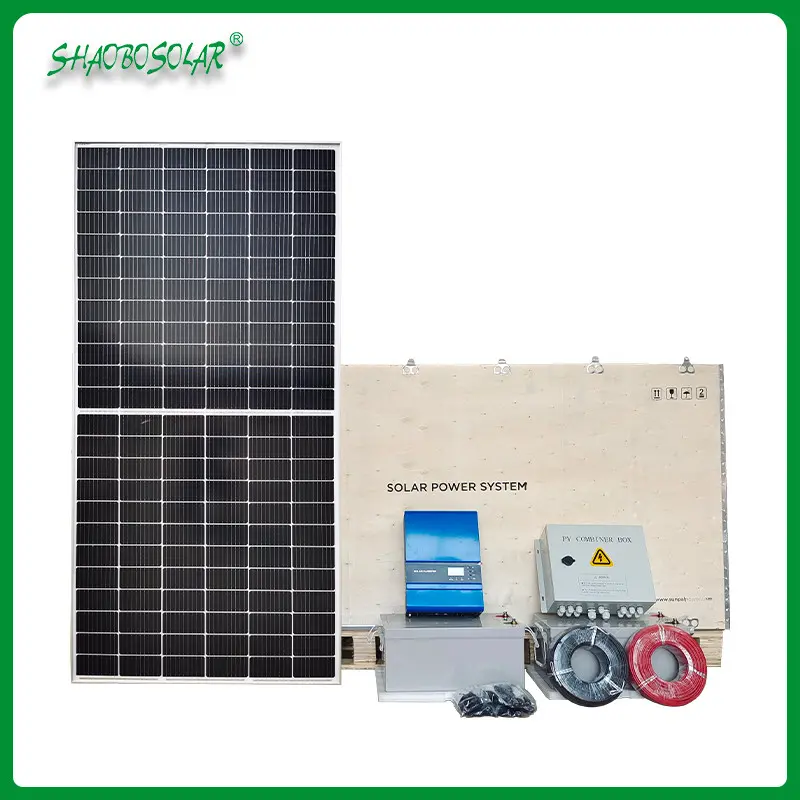
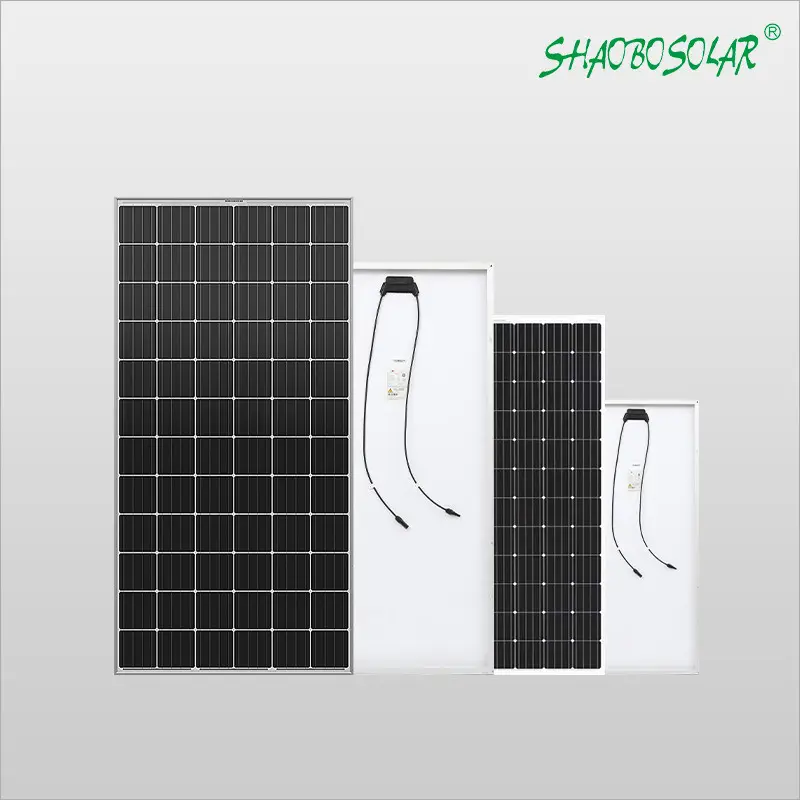
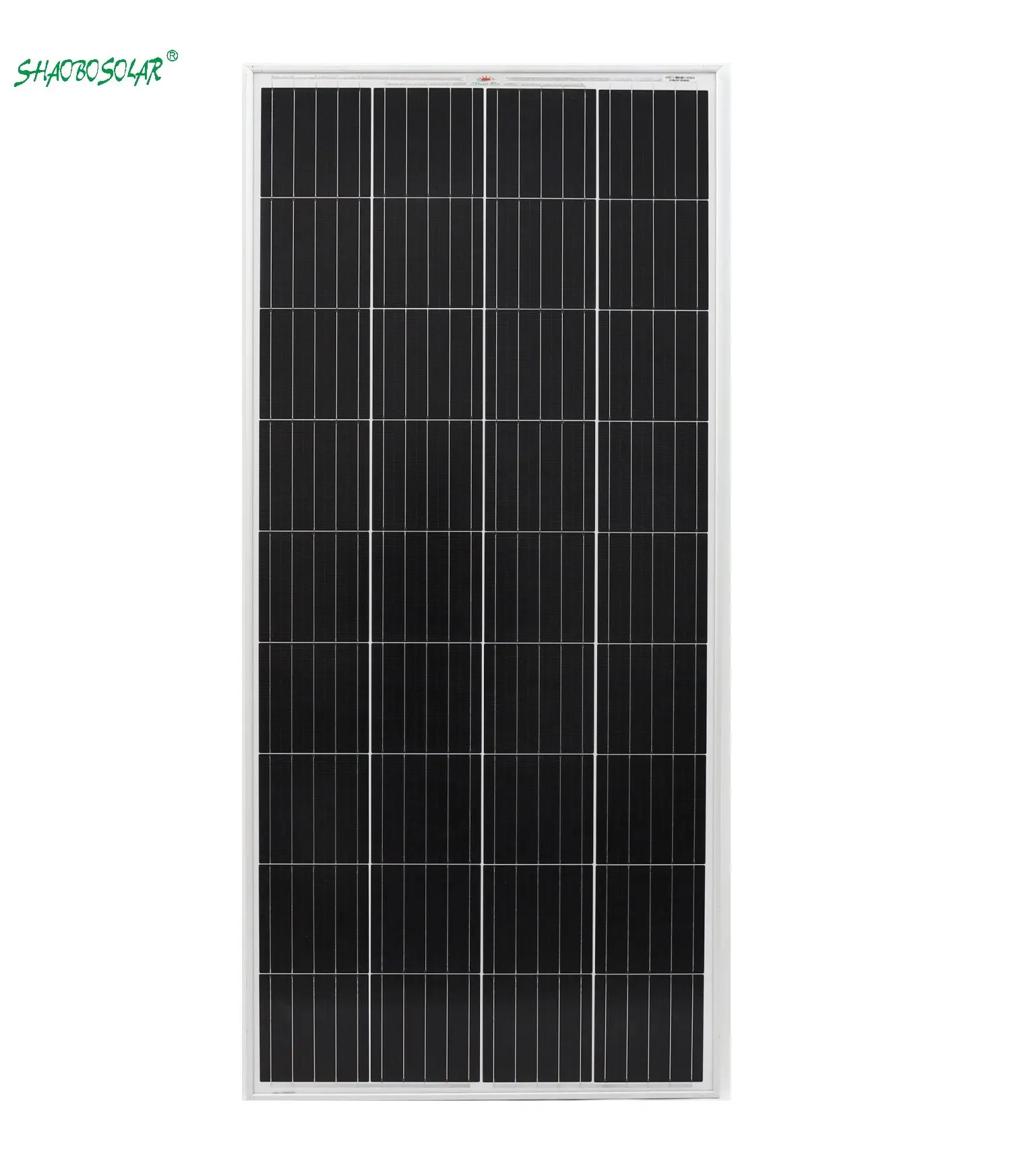
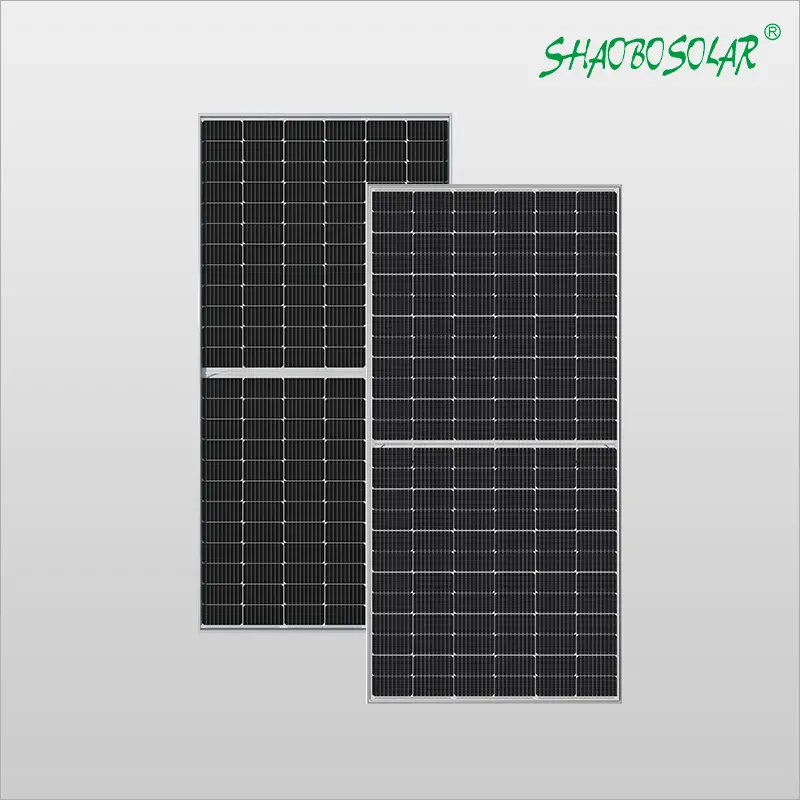
Advanced house solar power system Solutions for Argentina

Advanced house solar power system Solutions for Argentina

Advanced house solar power system Solutions for Argentina

Optimizing energy independence across Argentina's diverse climates with high-efficiency photovoltaic technology.

Advanced house solar power system Solutions for Argentina

Providing scalable and sustainable energy infrastructure tailored to the unique geographical demands of the Argentinian market, from the Puna highlands to the Pampas.

The State of Solar Energy in Argentina

Analyzing the adoption of solar panels in the South American market.

Argentina presents a unique landscape for solar energy, characterized by immense potential in the northern regions like Jujuy and Salta, where solar irradiation levels are among the highest in the world. However, the adoption of solar panels has historically faced challenges due to economic volatility and grid instability in remote rural areas.

Currently, there is a significant shift toward decentralized energy. Many residential and commercial users are transitioning to autonomous systems to avoid the rising costs of traditional electricity. The demand for high-efficiency monocrystalline solar panels has surged as users seek to maximize power output in limited roof spaces in urban centers like Buenos Aires.

Despite these challenges, government incentives and a growing environmental consciousness are driving the market. The integration of energy storage and smart inverters is becoming standard, ensuring that the transition to sustainable energy is both reliable and economically viable for the average Argentinian household.
Evolution and Trajectory of Photovoltaics in Argentina

From early adoption to the era of high-efficiency mono solar panel technology.

Market Development History

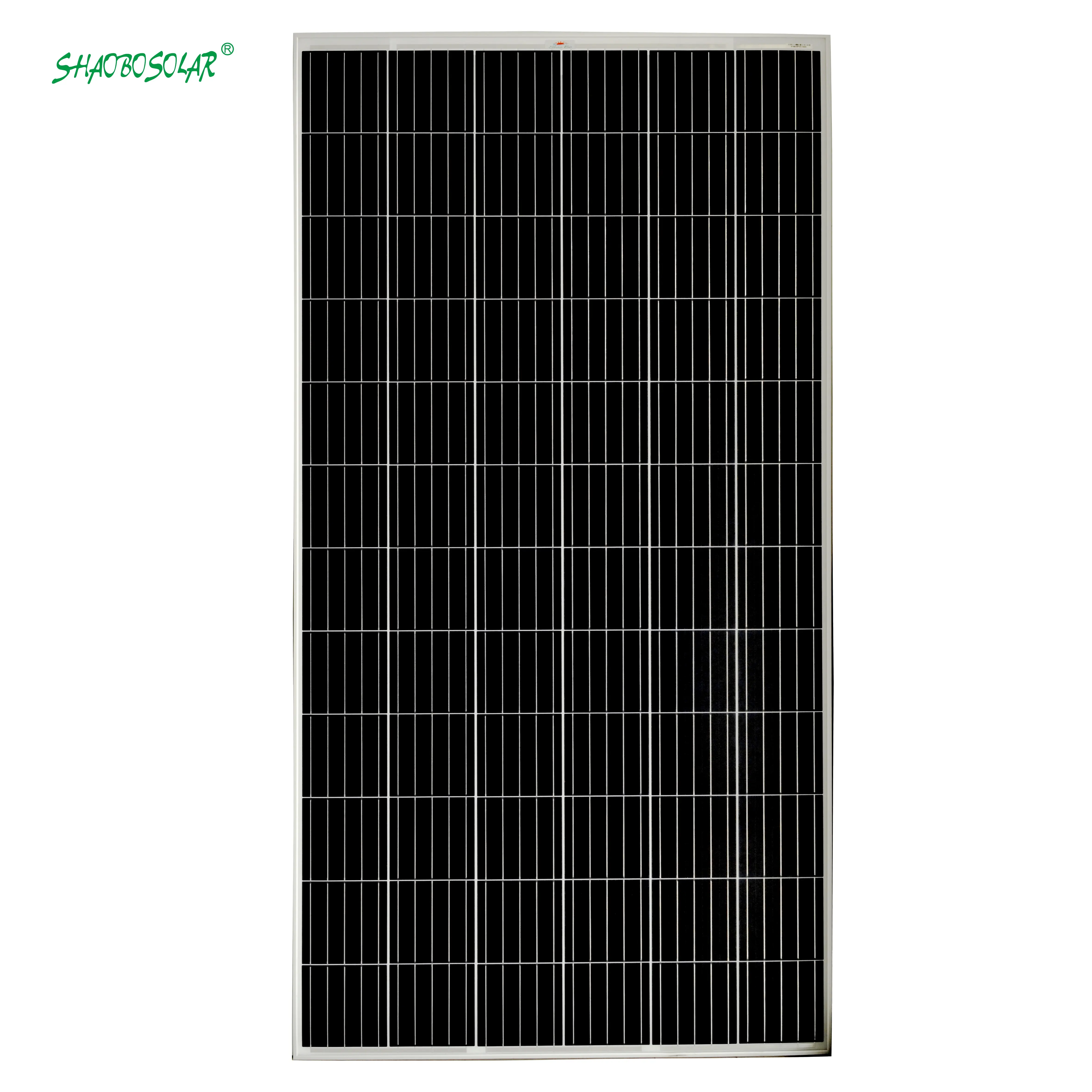
In the early 2010s, the Argentinian market was dominated by basic polycrystalline solar panel installations, primarily used for remote water pumping and basic lighting in the agricultural sector due to their lower initial cost.

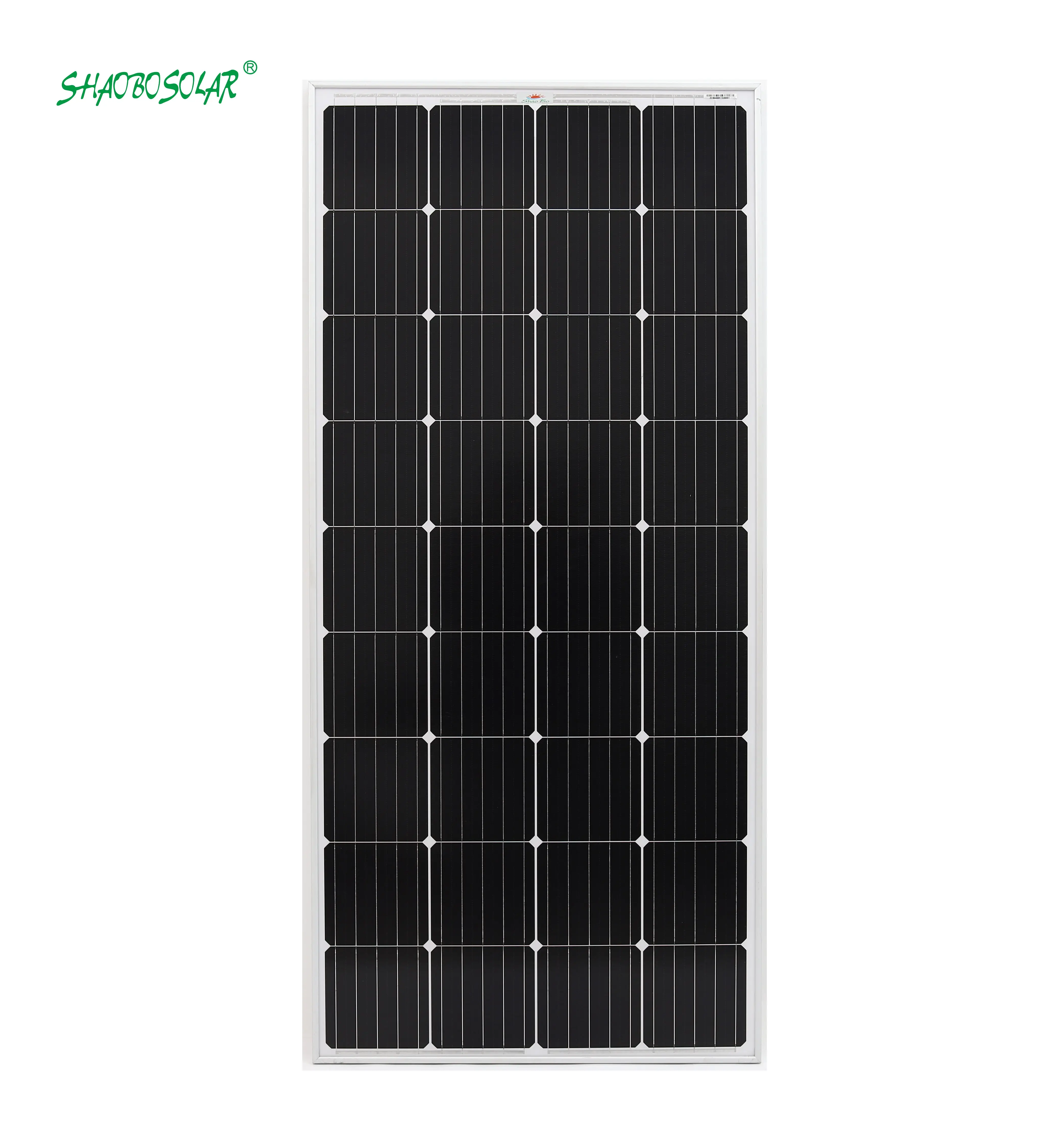
Between 2015 and 2020, the market witnessed a technical pivot. The introduction of PERC technology and the gradual decline in the cost of silicon led to a widespread migration toward monocrystalline solar panels, which offered significantly better conversion rates in the varying light conditions of the Southern Hemisphere.

By 2023, the focus shifted from mere generation to "Smart Energy Management." The proliferation of hybrid inverters and lithium-battery storage has transformed the simple solar array into a comprehensive energy ecosystem, increasing the resilience of the national power grid.

Future Development Trends

N-Type TOPCon Integration

We predict a rapid transition toward N-type TOPCon cells over the next 3 years, offering lower degradation rates and higher efficiency for harsh environments in Northern Argentina.

Bifacial Module Adoption

Given the high albedo of the salt flats in the north, bifacial modules will become the standard for utility-scale projects to capture reflected sunlight from the ground.

AI-Driven Energy Optimization

Integration of AI for predictive maintenance and load balancing will optimize the ROI for residential systems, reducing energy waste during peak production hours.

Industry Trends and Future Outlook

Charting the course for sustainable power in Argentina.

High-Density Storage
Moving from lead-acid to LiFePO4 batteries to ensure stability during Argentina's winter months.
Grid-Tied Hybridization
Increasing adoption of systems that allow selling excess power back to the local grid.
Agrivoltaics Growth
Combining crop production with solar arrays in the Pampas to maximize land utility.
Smart Monitoring
IoT-integrated systems allowing real-time performance tracking via mobile devices.

Industry Outlook

The trajectory of the Argentinian solar market is closely linked to the stabilization of local financial policies. As the cost of imported high-tech components drops and local installation expertise grows, we expect a CAGR of over 12% in the residential sector.

Future growth will likely be driven by the "Energy Sovereignty" movement, where industrial hubs in the center of the country transition to self-sufficient power plants to mitigate the risk of national blackouts.

Localized Solar Applications in Argentina

Practical deployment strategies for diverse Argentinian environments.

01. Remote Patagonian Cabins

Using off-grid systems with high-capacity storage to provide electricity in the wind-swept regions of Patagonia where grid extension is impossible.

02. Vineyard Powering in Mendoza

Implementation of solar-powered irrigation systems to reduce operational costs and ensure water security for world-class wine production.

03. Urban Residential Roofs in Córdoba

Deployment of compact mono solar panel arrays to reduce electricity bills in densely populated residential areas.

04. Northern Salt Flat Utilities

Utilizing bifacial technology in the Puna region to take advantage of high solar reflection and extreme altitudes for industrial energy.

05. Agricultural Pumping in the Pampas

Replacing diesel generators with sustainable solar pumps for livestock watering, drastically reducing carbon footprints and fuel costs.

Brand Story

Global Development History of Hebei Shaobo Solar Technology Co., Ltd.

The Foundation of Excellence

Established with a vision to democratize solar energy, Shaobo Solar began by perfecting the manufacturing process of high-purity silicon wafers.

Technological Breakthroughs

We pioneered the integration of advanced cell architectures, significantly increasing the conversion efficiency of commercial solar modules.

Global Market Expansion

Expanding our footprint across South America, we tailored our products to withstand the specific climatic challenges of the region.

Commitment to Sustainability

Implementing green manufacturing protocols, we ensure that the production of our panels is as clean as the energy they generate.

Defining the Future

Today, we lead the industry in providing integrated energy solutions that solve the pain points of energy instability worldwide.

Common Solar Queries in Argentina

Expert answers to the most frequent questions from Argentinian customers.

Which is better for the Argentinian climate: monocrystalline or polycrystalline solar panels?

For most users in Argentina, monocrystalline solar panels are preferred due to their higher efficiency and better performance in low-light conditions, which is crucial during the southern winter.

How do I choose the right size for a house solar power system in Buenos Aires?

The ideal house solar power system depends on your monthly kWh consumption. We recommend analyzing your last 12 months of bills to account for seasonal heating and cooling peaks.

Are polycrystalline solar panels still viable for agricultural use in the Pampas?

Yes, polycrystalline solar panel options remain a cost-effective choice for large-scale agricultural applications where space is abundant and initial investment must be minimized.

What is the average lifespan of a mono solar panel installed in Northern Argentina?

A high-quality mono solar panel typically lasts 25-30 years, with a linear power degradation of less than 0.5% per year under standard operating conditions.

Do I need special mounting hardware for solar panels in high-wind areas like Patagonia?

Absolutely. For the Patagonian region, we recommend reinforced anodized aluminum racking systems with enhanced wind-load ratings to prevent structural failure during extreme gusts.

Can I integrate existing batteries with a new solar panel installation?

Integration depends on the chemistry and voltage of your existing batteries. We recommend using a compatible hybrid inverter to bridge your old storage with new high-efficiency panels.

Ready to Transition to Solar?

Contact our engineering team for a customized energy audit and installation plan tailored for Argentina.

Contact Us Now

If you are interested in our products, you can choose to leave your information here, and we will be in touch with you shortly.