
HighEfficiency monocrystalline solar panels for Norway’s Extreme Climate

HighEfficiency monocrystalline solar panels for Norway’s Extreme Climate

  • Home
  • Global Service
  • HighEfficiency monocrystalline solar panels for Norway’s Extreme Climate

High-Efficiency monocrystalline solar panels for Norway's Extreme Climate

Engineering sustainable energy independence for Nordic households with cutting-edge photovoltaic technology tailored for low-light conditions.

High-Efficiency monocrystalline solar panels for Norway's Extreme Climate

Our specialized PV solutions are designed to maximize energy harvest during Norway's brief but intense summer days and maintain stability throughout the dark winters.

Solar Energy Landscape in Norway

Navigating the challenges of high latitude and seasonal light variance.

Norway presents a unique challenge for solar panels due to its extreme seasonal fluctuations in daylight. While the midnight sun provides an abundance of energy in summer, the winter months demand systems that can perform efficiently with minimal irradiance and high cloud cover.

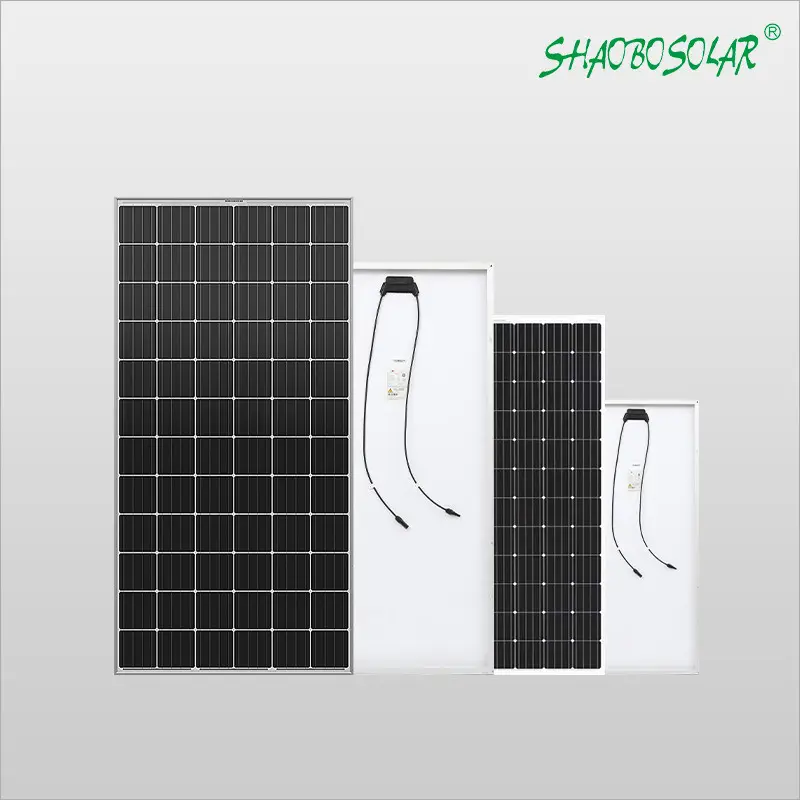
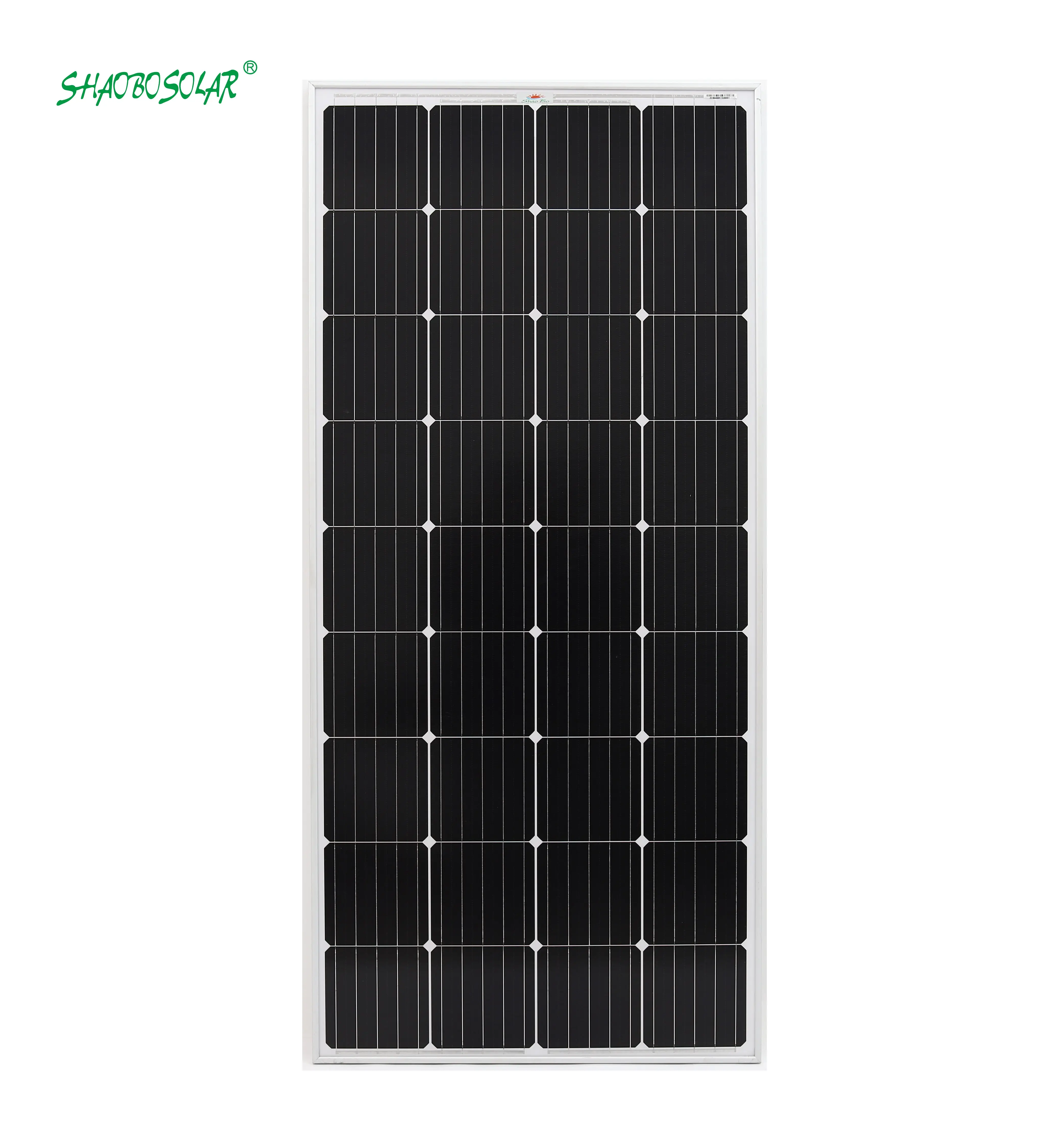
The local market has shifted heavily toward high-efficiency modules. Because roof space is often limited by architectural styles in cities like Oslo and Bergen, the demand for a high-performance mono solar panel has surged, allowing homeowners to generate more kWh per square meter.

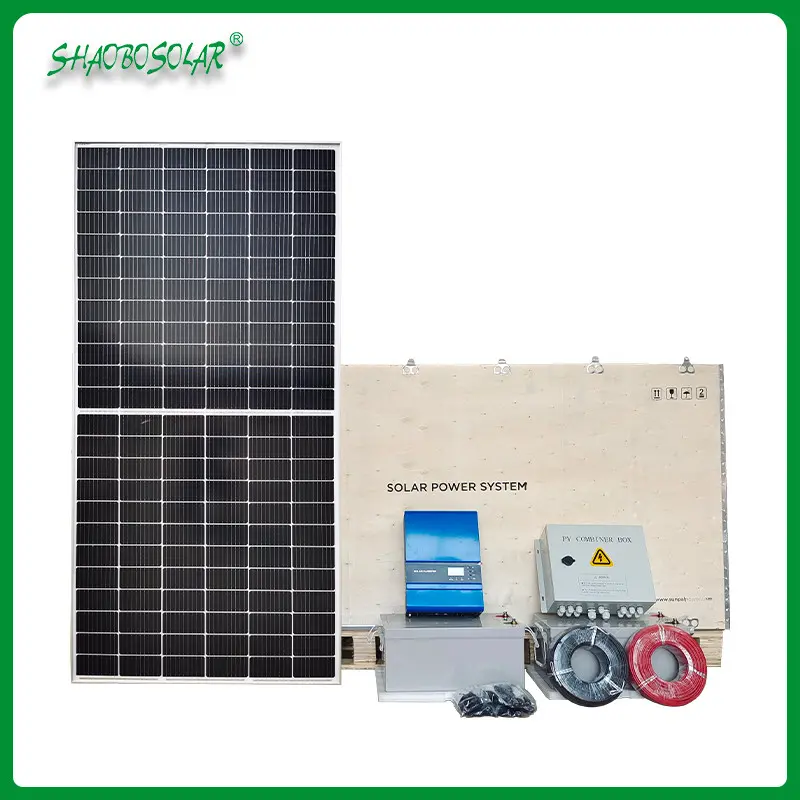
Economic incentives and Norway's commitment to a carbon-neutral society have accelerated the adoption of the house solar power system, integrating PV with smart energy storage to bridge the gap between summer surplus and winter deficit.
Evolution of Photovoltaic Technology in Nordic Regions

From early experimentation to AI-driven energy management.

Market Development History

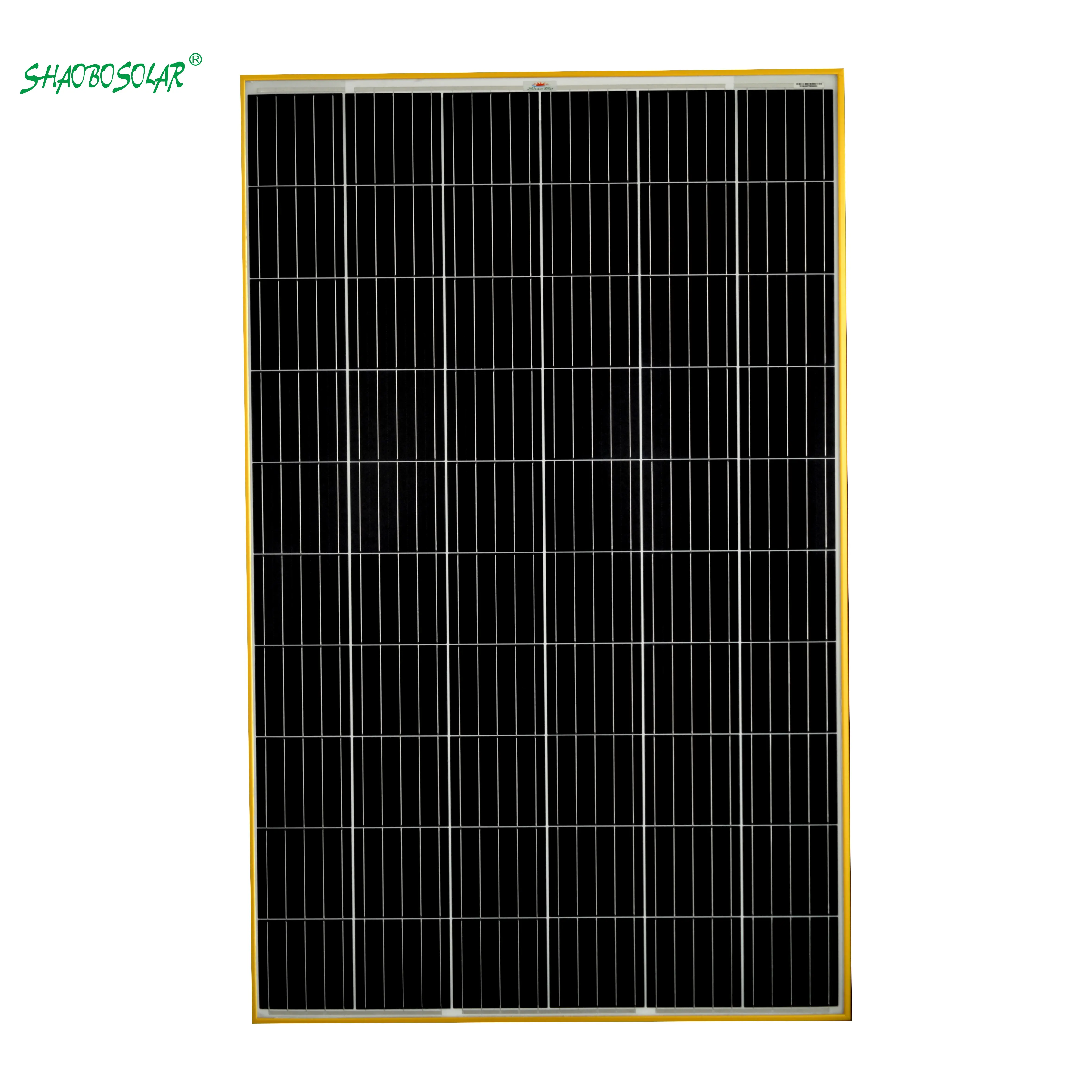
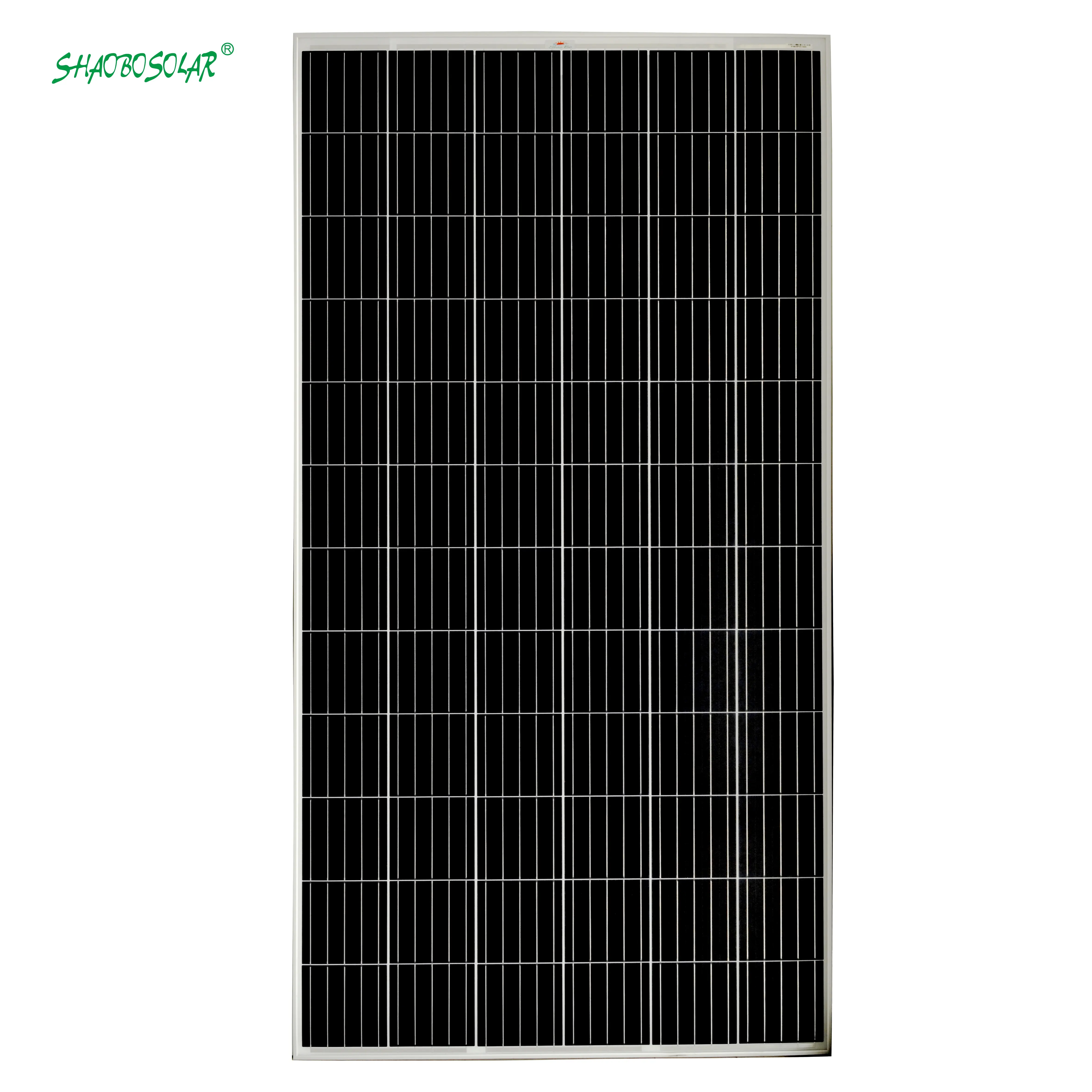
In the early 2000s, the Norwegian market was dominated by polycrystalline solar panel options. These were cost-effective but lacked the efficiency required for the limited sunlight windows typical of the North.

Between 2010 and 2020, a technological pivot occurred. The industry moved toward PERC (Passivated Emitter and Rear Cell) technology, which significantly improved light absorption, making monocrystalline solar panels the gold standard for residential installations.

By 2023, the focus shifted from simple generation to systemic integration. The modern approach combines bifacial modules—which capture reflected light from snow—with advanced hybrid inverters for total home energy autonomy.

Future Development Trends

Bifacial Gain Optimization

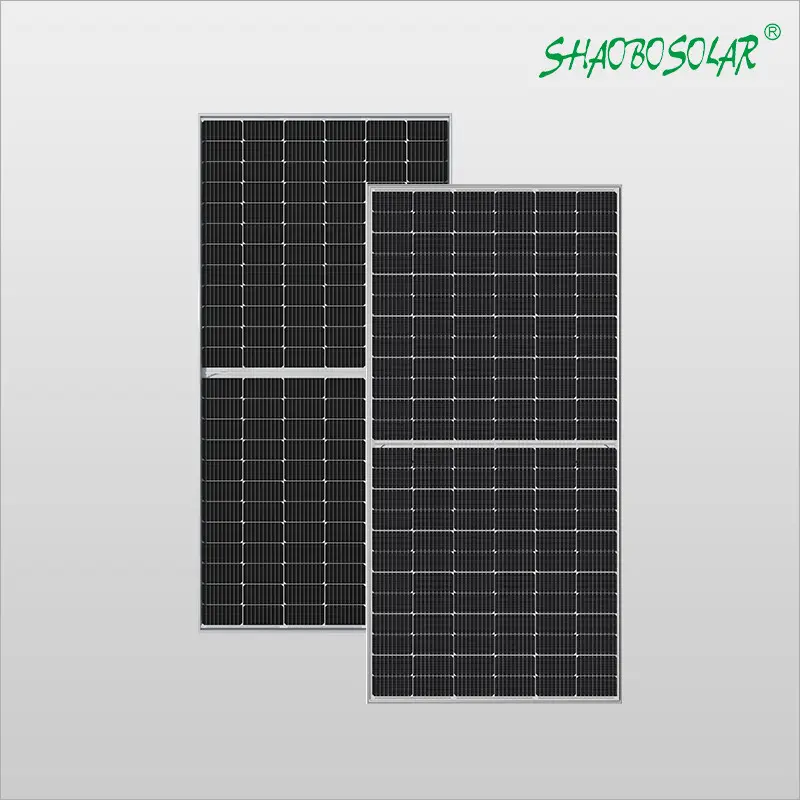
Increasing utilization of bifacial modules to leverage the high albedo effect of Norwegian snow, increasing winter energy yield by up to 15%.

N-Type TOPCon Integration

Transitioning to N-type cells to reduce LID (Light Induced Degradation) and improve performance in the cold, humid climates of the fjords.

V2H (Vehicle-to-Home) Synergy

Integrating electric vehicles as mobile batteries for the home solar system, creating a seamless energy loop across the household.

Industry Trends and Future Outlook

Predicting the next leap in solar efficiency and integration for Northern Europe.

Cold-Climate Durability
Development of reinforced frames and tempered glass to withstand heavy snow loads and extreme thermal cycling.
Smart Grid Integration
AI-powered energy management that predicts weather patterns to optimize battery discharge and grid selling.
High-Efficiency Bifacials
Shifting toward double-sided energy capture to utilize the reflective properties of the Nordic winter landscapes.
Hybrid Energy Systems
Combining solar with heat pumps and geothermal energy for a holistic, zero-emission home energy cycle.

Industry Outlook

Over the next 3-5 years, we anticipate a surge in "Solar-as-a-Service" models in Norway. Google search trends indicate a growing interest in integrated energy storage and "smart home autonomy," suggesting that users are moving beyond simple panel installation toward comprehensive energy ecosystems.

The industry will likely see a standardisation of N-Type TOPCon technology, which offers superior efficiency in low-light environments, ensuring that even during the dimmed autumn months, the energy harvest remains viable for critical home functions.

Localized Solar Applications in Norway

Practical implementations for diverse Nordic environments.

01. Urban Residential Rooftops (Oslo/Bergen)

Optimized house solar power system installations using high-density mono panels to maximize limited roof area in densely populated cities.

02. Remote Mountain Cabins (Hytte)

Off-grid configurations using robust solar panels paired with deep-cycle lithium batteries to provide power to remote holiday homes.

03. Coastal Fisheries and Aquaculture

Corrosion-resistant PV arrays providing sustainable power for automated feeding systems and monitoring equipment along the rugged coastline.

04. Commercial Cold-Storage Warehouses

Large-scale industrial deployments utilizing bifacial modules to power energy-intensive cooling systems during the peak summer sun.

05. Agricultural Greenhouse Integration

Semi-transparent PV glass that allows specific light wavelengths for plant growth while generating electricity for greenhouse climate control.

Brand Story

Global Development Journey of Hebei Shaobo Photovoltaic Technology Co., Ltd.

Foundation of Excellence

Established with a vision to democratize clean energy, we focused on the core manufacturing of high-purity silicon cells to ensure maximum efficiency from the start.

Technological Breakthroughs

We pioneered advanced PERC and TOPCon processes, solving the industry pain point of efficiency loss in low-light and high-temperature environments.

Global Market Expansion

Expanding our footprint into Europe, specifically tailoring our product lines to meet the rigorous environmental standards of the Nordic regions.

Sustainable Innovation

Implementing a circular economy approach in our manufacturing, reducing the carbon footprint of every panel we produce to align with global net-zero goals.

Vision for the Future

Striving to be the leading provider of integrated energy solutions, blending PV technology with AI to empower every household worldwide.

Frequently Asked Questions in Norway

Expert answers to common queries regarding Nordic solar installations.

Do monocrystalline solar panels actually work during Norwegian winters?

Yes, they do. While production drops significantly due to shorter days, high-efficiency mono panels are better at capturing diffused light during cloudy days than older technologies.

How does snow affect a house solar power system?

Heavy snow can cover panels, but their dark surface and tilt usually help snow slide off. Furthermore, the cold temperature actually increases the electrical efficiency of the cells.

Which is better for Norway: mono solar panel or polycrystalline?

Mono solar panels are strongly recommended due to their higher efficiency and better performance in low-light conditions, making them ideal for high-latitude regions.

What is the average payback period for solar panels in Norway?

Depending on electricity prices and government subsidies (like Enova), the payback period typically ranges from 7 to 12 years, with a system lifespan of over 25 years.

Can I integrate my PV system with a heat pump?

Absolutely. Combining solar generation with an air-to-water or ground-source heat pump is the most efficient way to reduce heating costs in Norway.

Are polycrystalline solar panel options still viable for large farms?

They can be viable if space is unlimited and the budget is tight, but most commercial entities are switching to mono-PERC for better long-term ROI.

Ready to Transition to Clean Energy?

Contact our expert team today for a customized energy audit and PV design specifically for your property in Norway.

Contact Us Now

If you are interested in our products, you can choose to leave your information here, and we will be in touch with you shortly.