
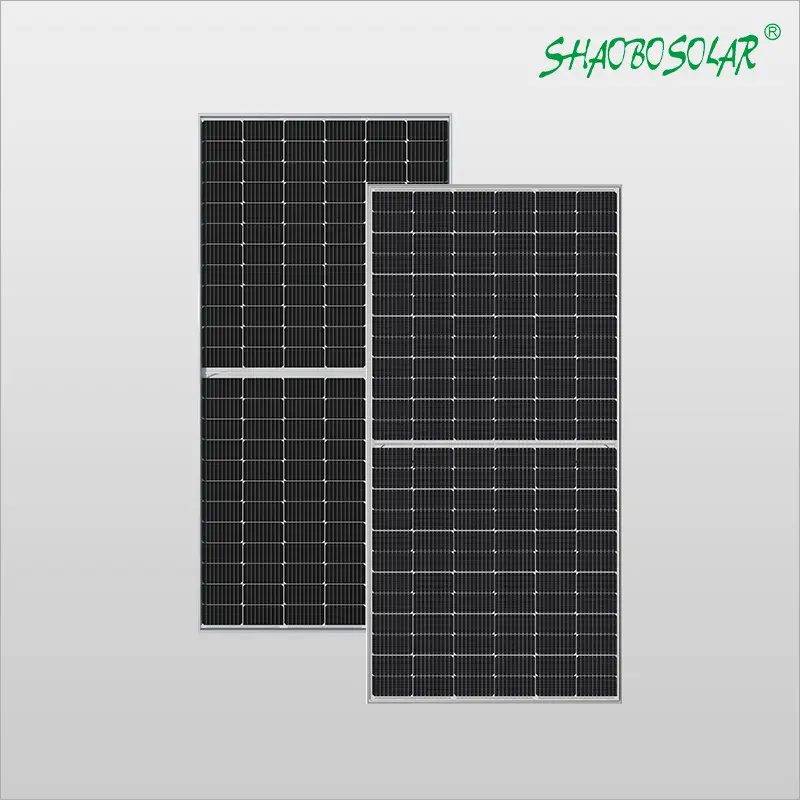
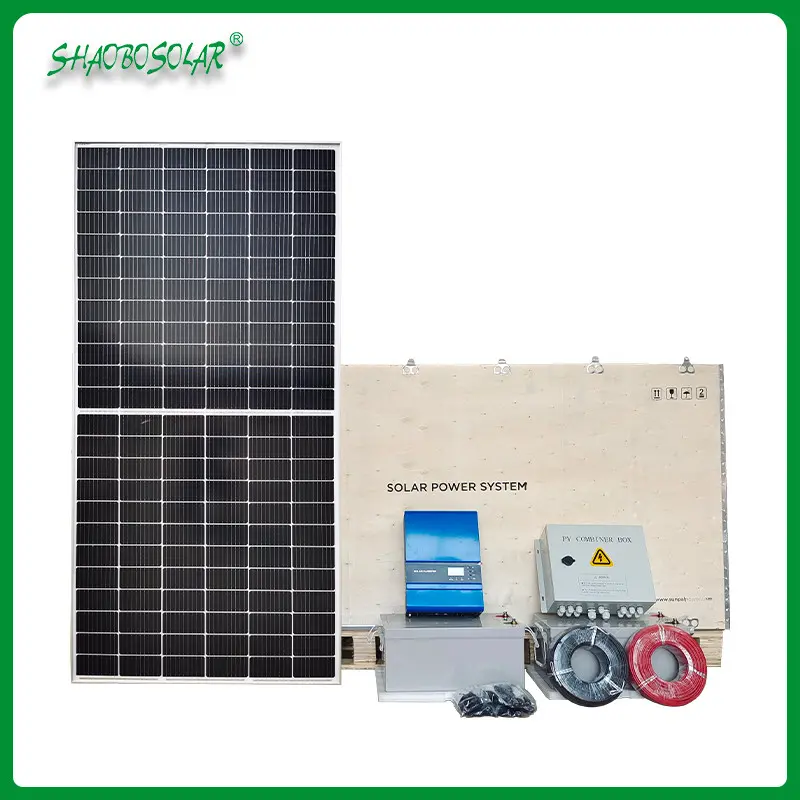
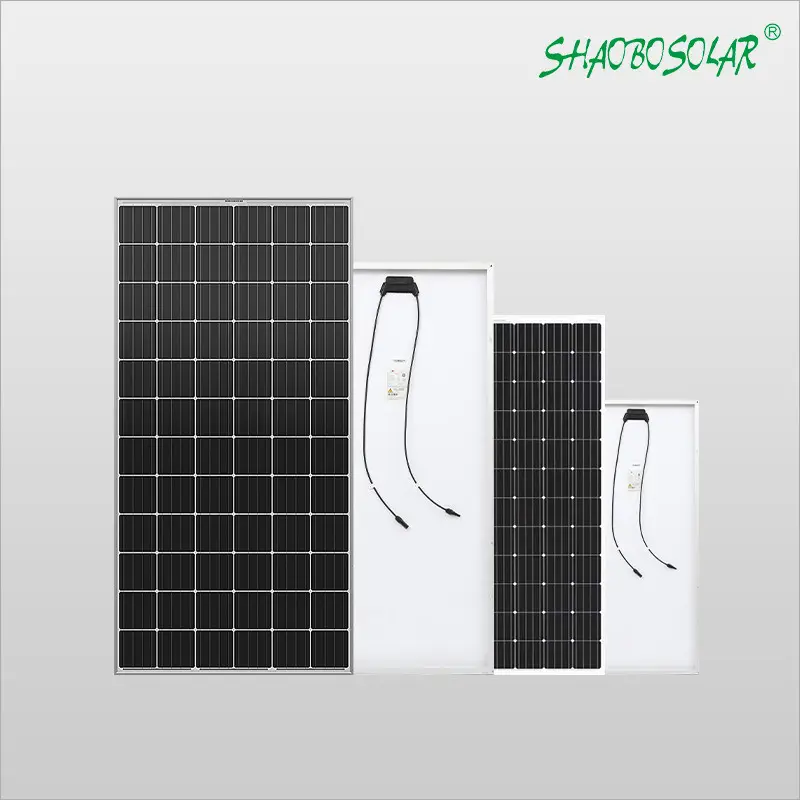
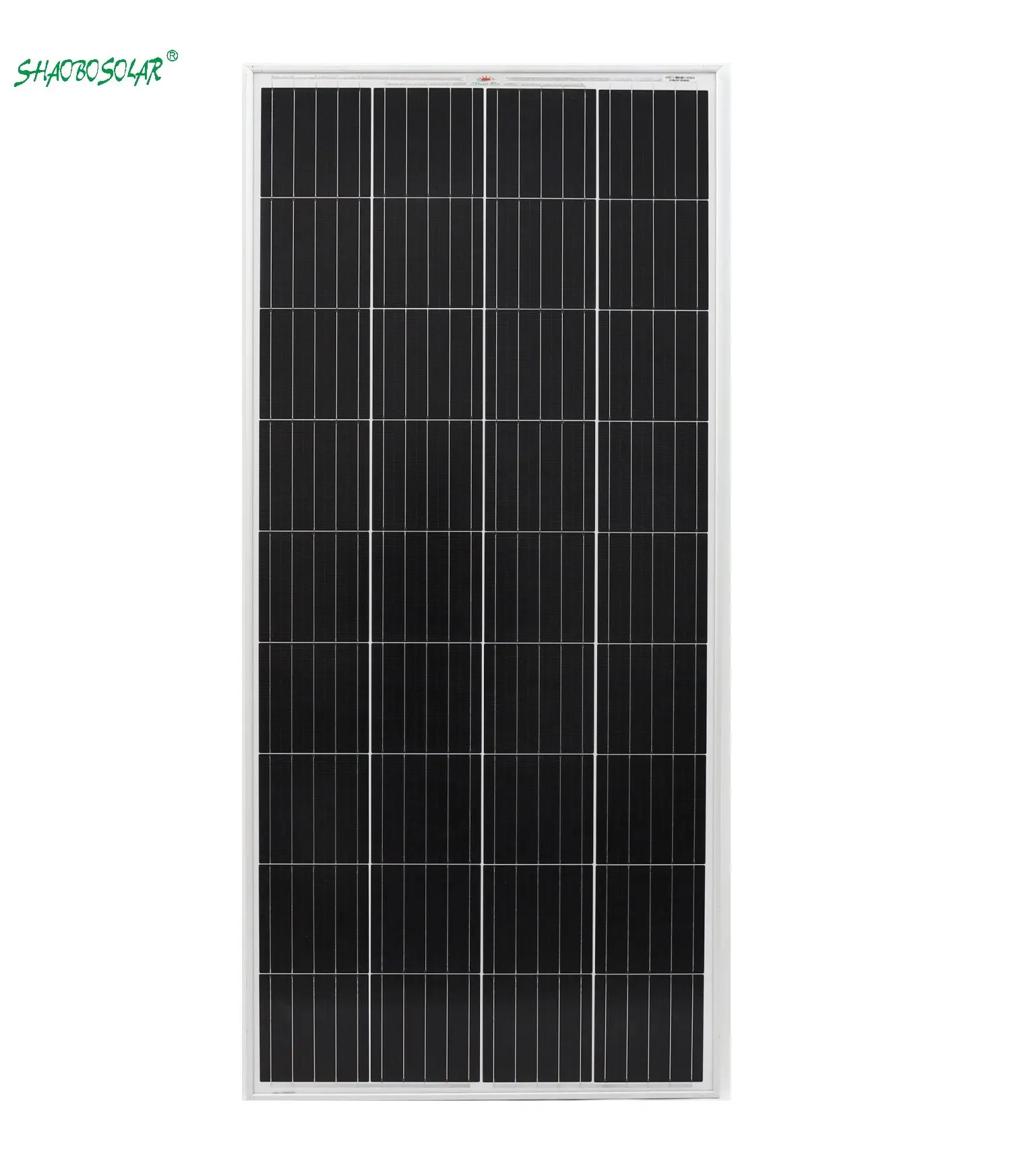
Advanced house solar power system Solutions for Switzerland

Advanced house solar power system Solutions for Switzerland

Advanced house solar power system Solutions for Switzerland

High-efficiency energy harvesting tailored for the Swiss Alpine climate and urban residential architecture.

Advanced house solar power system Solutions for Switzerland

Integrating cutting-edge photovoltaic technology to provide sustainable, autonomous power for Swiss households, combining durability with maximum energy yield.

The Landscape of Solar Energy in Switzerland

Analyzing the adoption of high-performance photovoltaic modules in the Swiss market.

Switzerland presents a unique challenge for solar panels due to its diverse topography. From the high-altitude Alpine regions where albedo effects from snow increase efficiency, to the foggy plateaus of the Mittelland, the demand for versatile and weather-resistant modules is paramount.

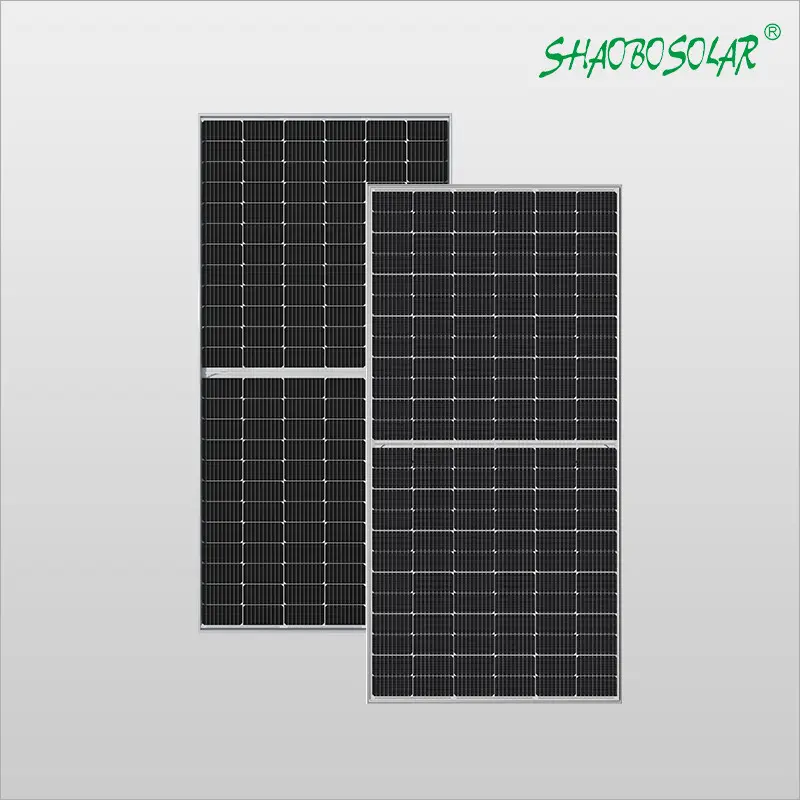
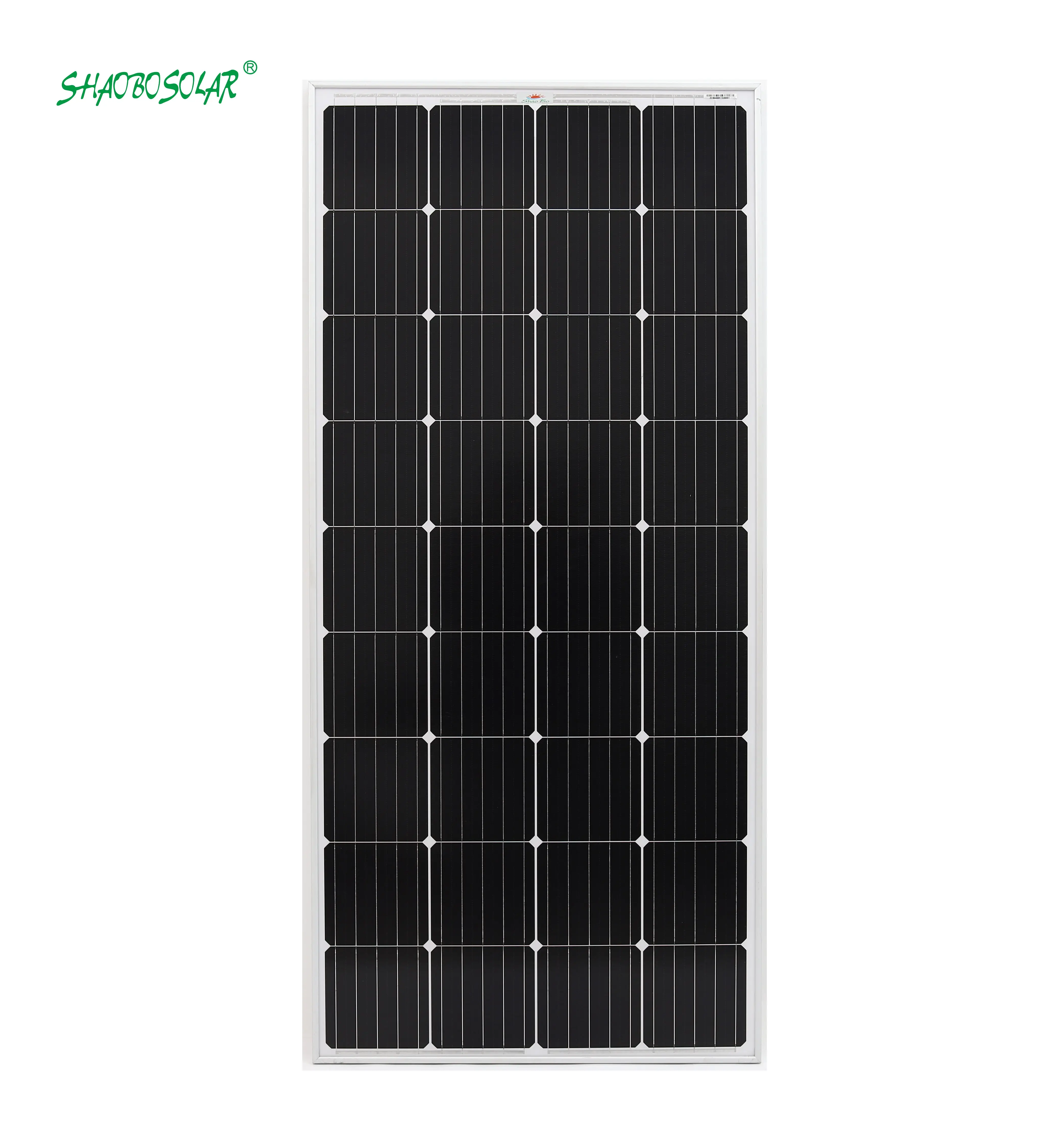
The Swiss market is characterized by a strong preference for premium quality and long-term reliability. There is a significant shift toward monocrystalline solar panels because of their superior space efficiency, which is critical for the limited roof areas of traditional Swiss chalets and urban apartments.

Economic incentives and strict environmental regulations in Switzerland have accelerated the transition to decentralized energy. This has led to an increase in integrated residential systems that prioritize both aesthetic harmony with the landscape and rigorous technical performance.
Evolution and Trajectory of Swiss Solar Technology

From basic silicon cells to intelligent energy ecosystems.

Market Development History

In the early 2000s, the Swiss market was dominated by polycrystalline solar panel installations. These were valued for their lower cost, though they struggled with efficiency in the low-light conditions typical of Swiss winters.

Around 2010-2015, a technical pivot occurred. The industry transitioned toward the mono solar panel architecture. The introduction of PERC (Passivated Emitter and Rear Cell) technology allowed for significantly higher energy capture per square meter.

From 2018 to the present, the focus has shifted from mere power generation to "Energy Intelligence." This includes the integration of smart inverters and battery storage, transforming simple installations into comprehensive home energy management systems.

Future Development Trends

N-Type TOPCon Integration

The next 3 years will see a dominant shift toward N-Type cells, which offer lower degradation rates and better performance in high-temperature fluctuations common in Alpine regions.

BIPV Architecture

Building-Integrated Photovoltaics (BIPV) will become standard in Swiss luxury construction, where solar cells are seamlessly integrated into roof tiles and facades.

AI-Driven Grid Balancing

Future systems will utilize AI to predict weather patterns and optimize energy storage, allowing Swiss homes to sell excess power back to the grid during peak winter demand.

Future Trends and Strategic Outlook

Predicting the next frontier of photovoltaic manufacturing and application.

High-Efficiency Cell Transition
Widespread adoption of HJT and TOPCon cells to maximize yield in Switzerland's varied light conditions.
Smart Energy Storage
Integration of LFP battery technology to ensure power stability during Swiss winter months.
Circular Manufacturing
Implementation of closed-loop recycling for silicon and silver, meeting Swiss eco-standards.
Digital Twin Optimization
Using virtual modeling to predict precise energy yield based on Swiss local terrain.

Industry Outlook

Based on Google search trends in Central Europe, there is a surging interest in "Energy Independence." In Switzerland, this translates to a move away from grid-dependence toward sophisticated hybrid systems that combine solar with thermal energy.

We expect a 25% increase in the demand for high-density modules over the next 5 years as Swiss urban planning laws become more flexible regarding rooftop solar installations.

Localized Application Scenarios in Switzerland

Practical implementations of solar technology across different Swiss environments.

01 Alpine Chalet Energy Autonomy

Implementing high-tilt monocrystalline modules to prevent snow accumulation and leverage the high albedo effect from snow-covered surroundings for remote mountain homes.

02 Zurich Urban Rooftop Integration

Utilizing high-efficiency mono solar panel arrays on limited flat-roof surfaces in dense urban areas to maximize kWh per square meter.

03 Swiss Agricultural Agrivoltaics

Combining solar arrays with crop farming in the plateau regions, providing shade for sensitive plants while generating clean energy for farm machinery.

04 Industrial Warehouse Retrofitting

Converting large-scale industrial roofs in Basel and Geneva into power plants using durable, large-format modules to reduce corporate carbon footprints.

05 Lakeside Villa Aesthetic Systems

Applying all-black, sleek solar modules that blend into the architectural design of luxury residences along Lake Geneva and Lake Lucerne.

Brand Story

Global Development Journey of Hebei Shaobo Photovoltaic Technology Co., Ltd.

Foundational Innovation

Established with a vision to solve the efficiency gap in photovoltaic manufacturing, focusing on high-purity silicon processing.

Technical Breakthrough

Developed advanced passivation techniques that significantly reduced electron recombination, enhancing the performance of mono-cells.

Global Market Expansion

Expanded operations to Europe, tailoring product specifications to meet the rigorous quality standards of the Swiss and German markets.

Sustainable Scaling

Implemented green manufacturing processes, reducing the water footprint of solar cell production by 30%.

Future Energy Vision

Leading the transition toward intelligent, integrated solar solutions that empower individual homeowners worldwide.

Swiss Solar Installation FAQs

Expert answers to the most common questions regarding solar energy in Switzerland.

Which are the best monocrystalline solar panels for Swiss winters?

The best panels are those with N-type TOPCon technology and high low-light performance coefficients, as they maintain higher efficiency during the short, cloudy winter days in Switzerland.

How does a house solar power system handle heavy snow loads?

Professional systems use reinforced frames and tempered glass designed to withstand specific kPa snow loads. Installing panels at a steeper angle also encourages natural snow shedding.

Is a mono solar panel better than polycrystalline for small Swiss roofs?

Yes, because mono panels have higher efficiency, they produce more power in the same footprint, making them ideal for the limited roof space found in Swiss residential areas.

What is the average ROI for solar panels in Switzerland?

Depending on local subsidies (Pronovo) and energy consumption, the ROI typically ranges between 7 to 12 years, with a system lifespan exceeding 25 years.

Can polycrystalline solar panel systems still be used in Switzerland?

While available and cost-effective for very large ground-mount arrays, they are less common for residential use due to lower efficiency and higher space requirements.

Do I need a battery for my house solar power system in Switzerland?

While not mandatory, batteries are highly recommended to store summer surplus for winter use, increasing your self-consumption rate and energy independence.

Ready to Energize Your Property?

Contact our technical experts today for a customized solar audit tailored to the specific climate and regulations of Switzerland.

Contact Us Now

If you are interested in our products, you can choose to leave your information here, and we will be in touch with you shortly.