
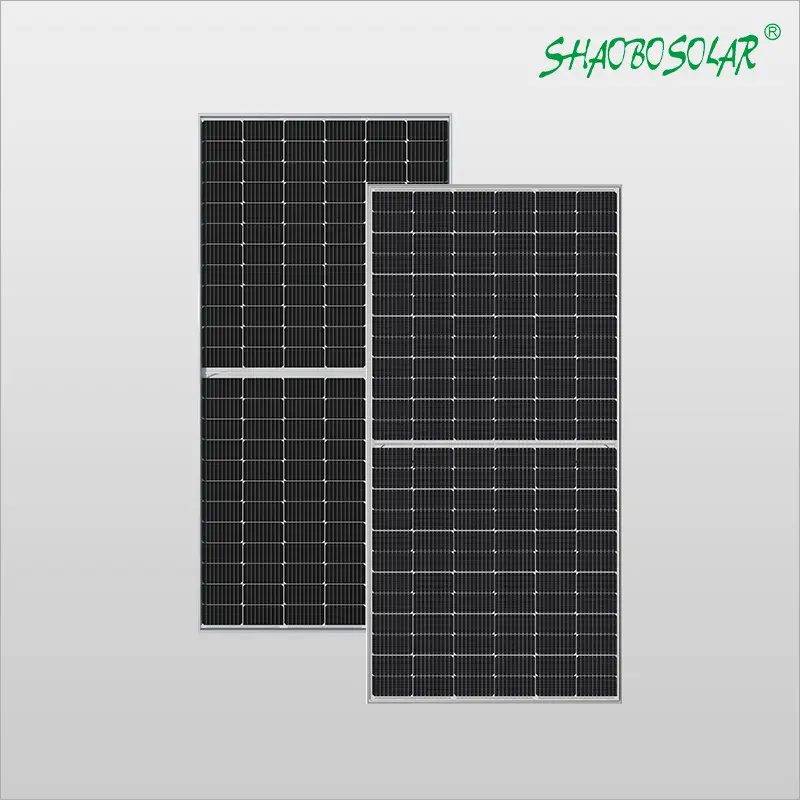
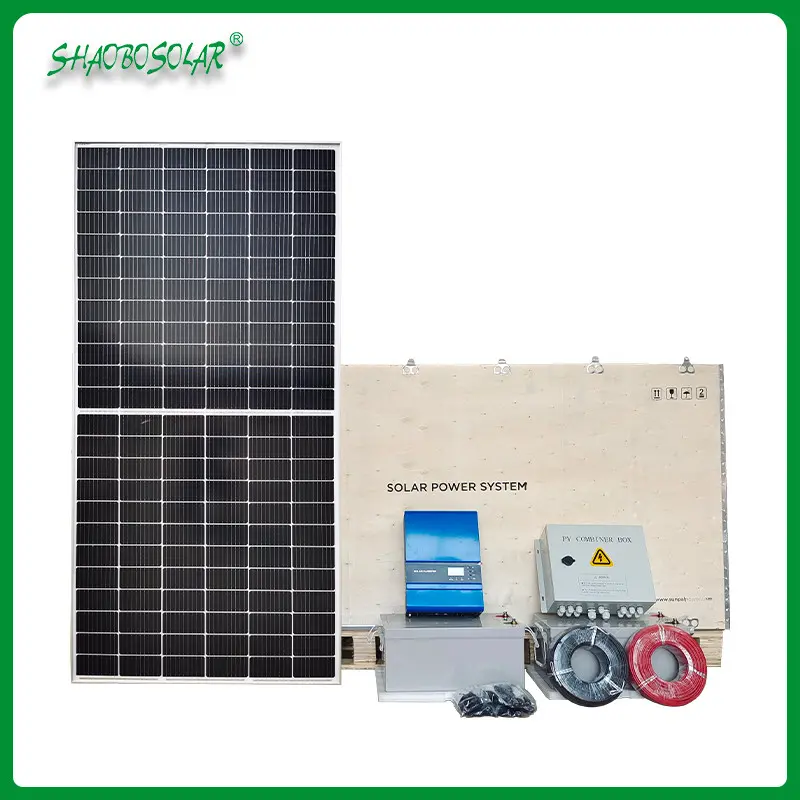
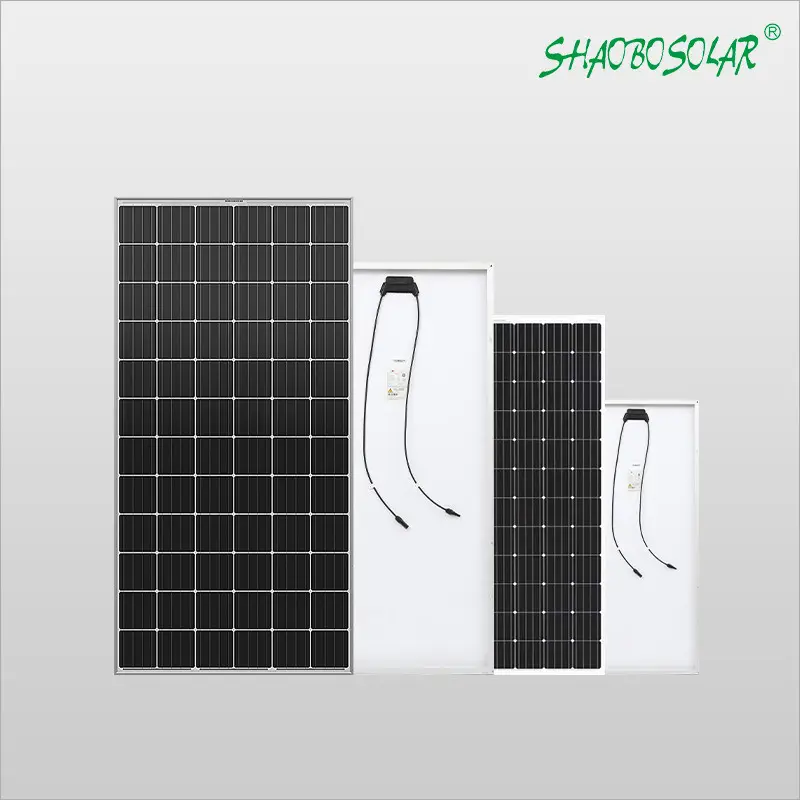
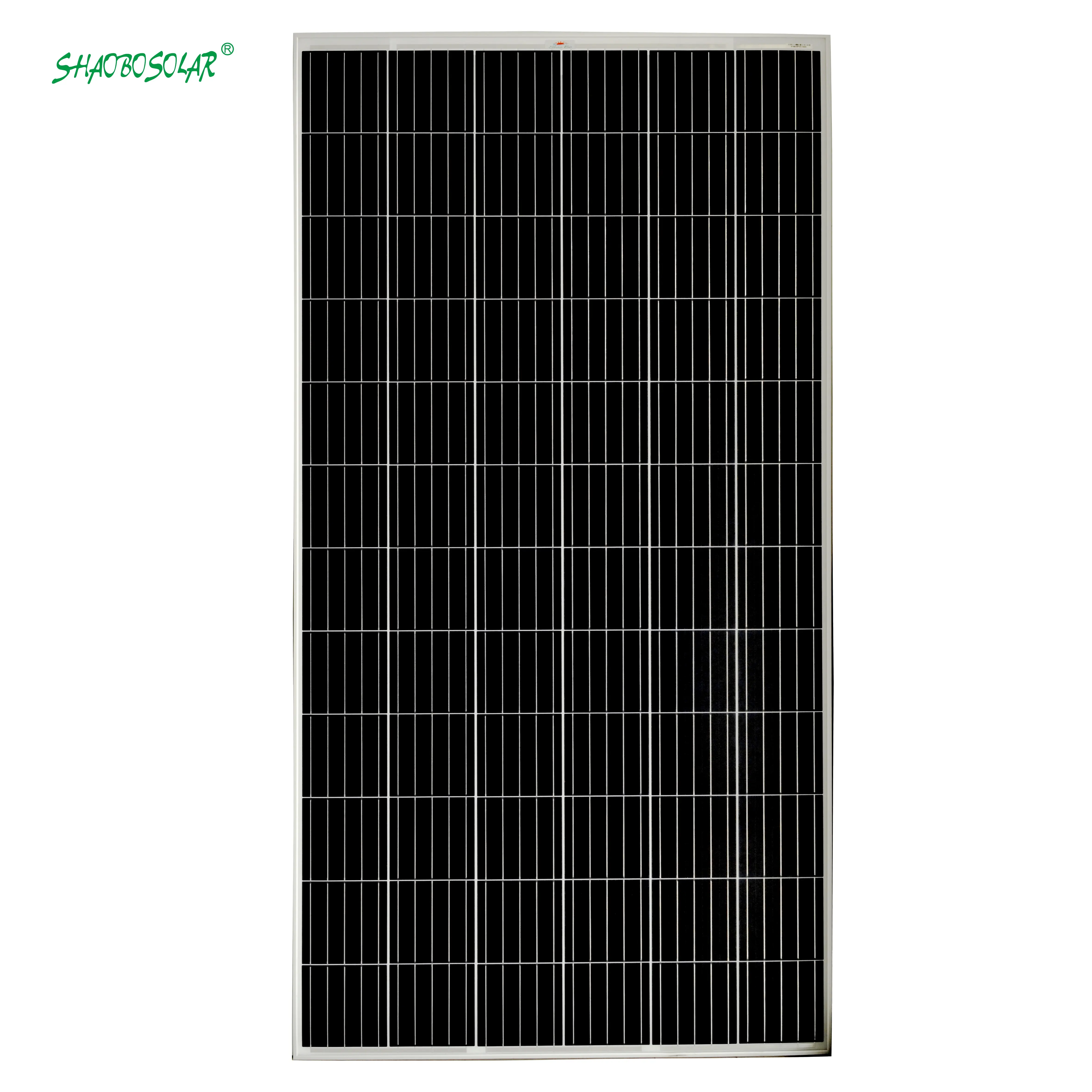
HighEfficiency monocrystalline solar panels Solutions for Austria

HighEfficiency monocrystalline solar panels Solutions for Austria

High-Efficiency monocrystalline solar panels Solutions for Austria

Empowering Austrian homes and industries with cutting-edge photovoltaic technology designed for Alpine climates and sustainable energy independence.

High-Efficiency monocrystalline solar panels Solutions for Austria

Integrating premium silicon technology with Austrian architectural standards to deliver maximum energy yield per square meter, ensuring stability during winter peak demands.

The Solar Landscape in Austria

Analyzing the adoption of solar panels across the Alpine region.

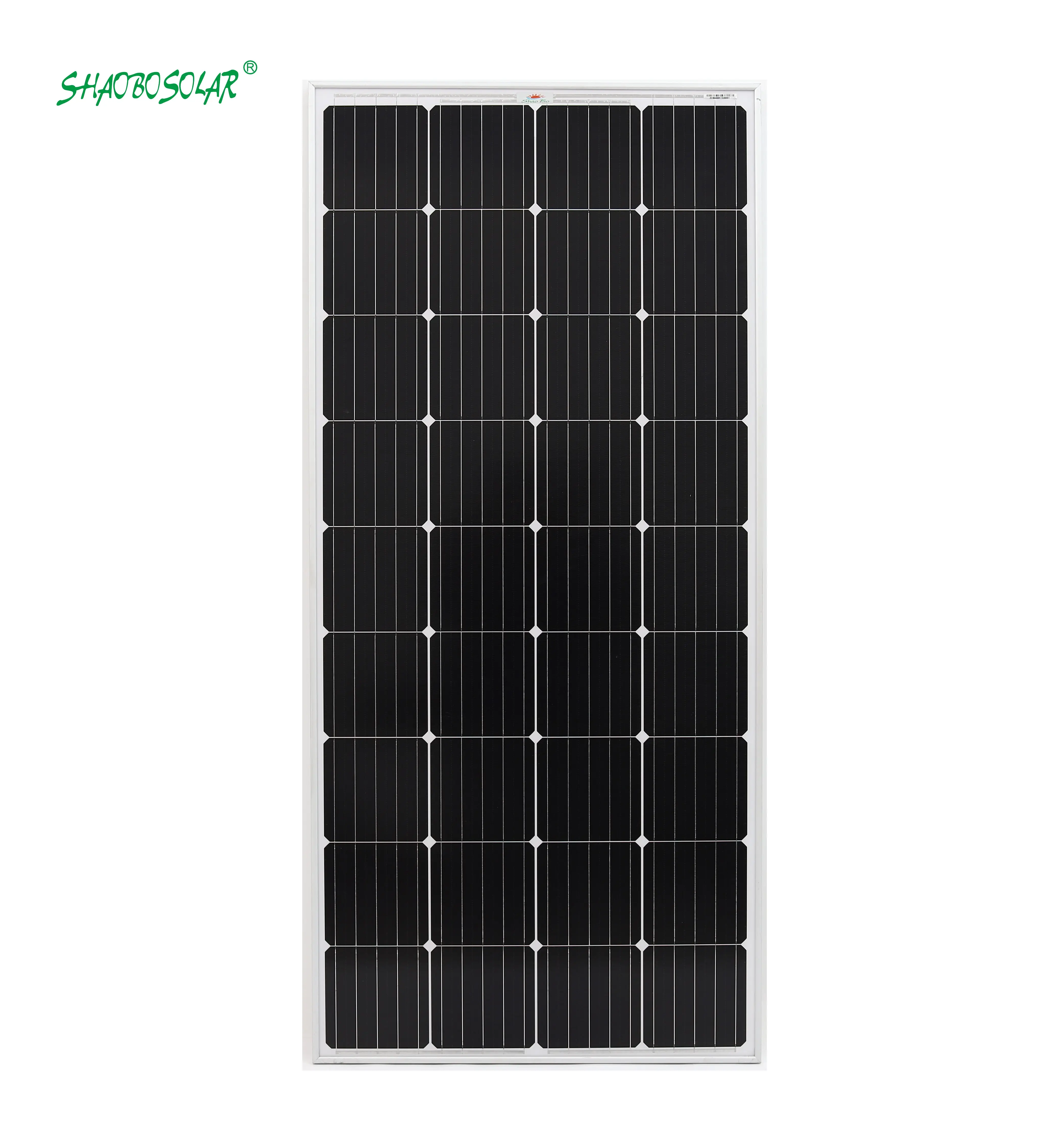
Austria presents a unique challenge for photovoltaic deployment due to its diverse topography. From the flat plains of the east to the steep Alps in the west, the demand for high-performance mono solar panel technology has surged as homeowners seek to maximize energy production during shorter winter days.

The Austrian government's commitment to the "Renewable Energy Act" (EEG) has accelerated the transition toward the house solar power system, creating a market where efficiency and durability against heavy snow loads are prioritized over low initial costs.

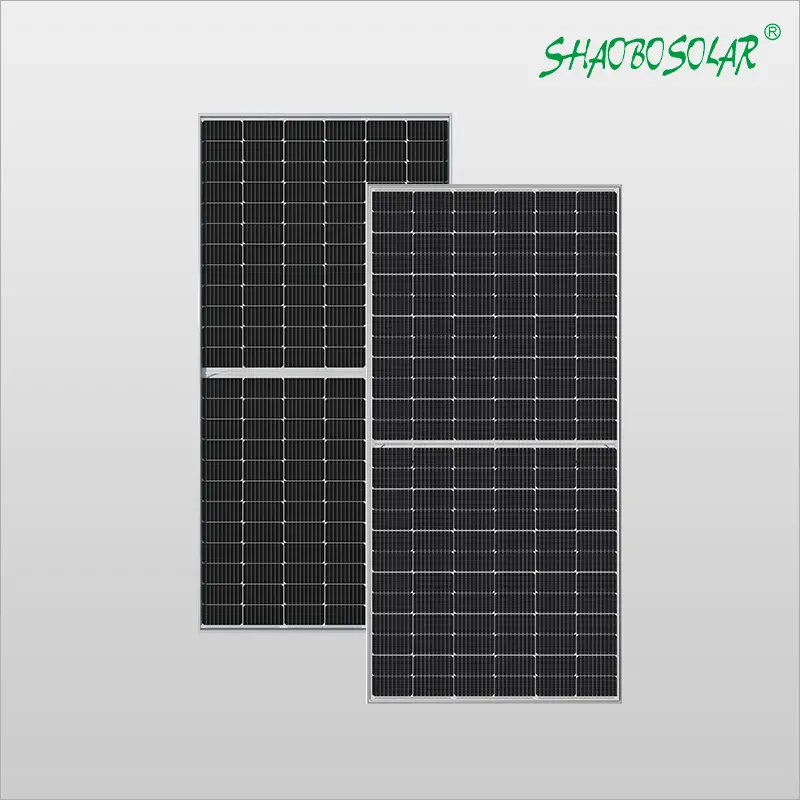
Currently, the market is shifting away from older polycrystalline solar panel installations toward N-type TOPCon and PERC technologies to better utilize the limited roof space available in traditional Austrian village architecture.
Evolution of Photovoltaic Tech in Austria

From basic energy capture to intelligent, integrated energy ecosystems.

Market Development History

In the early 2010s, the Austrian market was dominated by basic silicon cells, where the focus was on simple grid-tie connectivity and government subsidies for large-scale farms.

Between 2015 and 2020, a technological pivot occurred. The industry transitioned from standard multicrystalline cells to high-efficiency monocrystalline structures, significantly improving the low-light performance essential for the Austrian winter.

Since 2021, the integration of smart energy management and battery storage has transformed the standalone panel into a comprehensive house solar power system, allowing for higher self-consumption rates.

Future Development Trends

Bifacial Module Integration

Increased adoption of bifacial panels in the snowy Alpine regions to capture reflected light from the ground, increasing overall yield by up to 15%.

HJT Technology Expansion

The shift toward Heterojunction (HJT) technology to provide better temperature coefficients, ensuring stability during extreme temperature fluctuations in Austria.

AI-Driven Grid Synchronization

Implementation of AI to predict weather patterns and optimize energy storage, reducing dependence on the national grid during peak hours.

Future Outlook for Austrian Solar Energy

Predicting the next 3-5 years of technological convergence in the EU market.

N-Type Cell Dominance
Replacing P-type cells to reduce degradation and increase long-term efficiency for residential installations.
BIPV Integration
Building-Integrated Photovoltaics becoming the standard for new constructions in Vienna and Salzburg.
Energy Storage Synergies
Coupling high-wattage panels with LFP batteries to achieve 80% energy autonomy.
Smart Grid V2H
Vehicle-to-Home technology allowing EVs to act as backup batteries for the residential solar array.

Industry Outlook

Based on Google search trends in Europe, there is a significant increase in queries related to "energy independence" and "hybrid inverters" in Austria, suggesting a move toward decentralized power grids.

The future focuses on "Efficiency per Square Centimeter," driving the manufacturing sector to produce cells with conversion rates exceeding 23%, specifically optimized for the varying light angles of the Central European region.

Localized Solar Applications in Austria

Real-world implementations tailored to the Austrian environment.

01. Alpine Residential Rooftops

Implementation of heavy-duty mounting systems and high-efficiency cells to withstand snow loads while maintaining output during low-angle winter sunlight.

02. Vineyard Agrivoltaics in Burgenland

Installing semi-transparent panels above grapevines to protect crops from extreme heat while generating electricity for irrigation systems.

03. Industrial Warehouses in Vienna

Large-scale deployment of monocrystalline arrays to reduce corporate carbon footprints and meet strict EU urban emission standards.

04. Remote Mountain Chalets

Off-grid house solar power systems integrated with deep-cycle storage for complete energy autonomy in non-electrified Alpine zones.

05. Municipal Public Parking Lots

Solar carports providing EV charging stations powered by onsite PV generation, reducing load on the city's aging electrical infrastructure.

Brand Story

Global Development Journey of Hebei Shaobo Solar Technology Co., Ltd.

Foundation & Vision

Established with a mission to solve the inefficiency of traditional energy capture, Shaobo Solar began by focusing on high-purity silicon crystallization.

Technical Breakthroughs

Developed proprietary PERC and TOPCon cell architectures to address the pain points of energy loss in low-light environments.

Global Expansion

Expanded operations into the European market, tailoring product certifications to meet the stringent TUV and CE standards required in Austria.

Sustainable Ecosystems

Shifted from being a component manufacturer to a solution provider, integrating panels with intelligent storage and monitoring systems.

Commitment to Net Zero

Leading the industry toward a carbon-neutral future by optimizing the manufacturing process of every solar module produced.

Austria Solar FAQ

Expert answers to common questions regarding solar installations in the region.

How do monocrystalline solar panels perform in Austrian winters?

They are significantly more efficient in low-light conditions compared to polycrystalline alternatives, making them ideal for the reduced sunlight hours experienced in Austria during December and January.

What is the best house solar power system configuration for Alpine regions?

A hybrid system combining high-wattage N-type panels with a lithium-iron-phosphate (LFP) battery is recommended to ensure energy security during snow-covered periods.

Are polycrystalline solar panel systems still viable for industrial use in Austria?

While they offer a lower initial cost, the lower efficiency per square meter makes them less viable for space-constrained Austrian industrial roofs compared to modern mono options.

How do I choose the right mono solar panel for my specific roof pitch?

The ideal pitch in Austria is generally between 30-40 degrees south-facing, but high-efficiency mono panels can maintain high yields even at suboptimal angles.

What certifications should I look for in solar panels for the Austrian market?

Ensure all products are TUV certified and meet the EU's IEC 61215 and IEC 61730 standards for safety and structural durability.

Can a house solar power system increase the property value in Vienna?

Yes, according to local real estate trends, energy-efficient homes with integrated PV systems command higher market premiums due to lower operational costs.

Ready to Switch to Sustainable Energy?

Consult with our technical experts to design the perfect solar array for your specific needs in Austria.

Contact Us Now

If you are interested in our products, you can choose to leave your information here, and we will be in touch with you shortly.