
HighEfficiency house solar power system Solutions for Belarus

HighEfficiency house solar power system Solutions for Belarus

High-Efficiency house solar power system Solutions for Belarus

Optimizing energy independence in Eastern Europe with advanced photovoltaic technology tailored for Belarusian climatic conditions.

High-Efficiency house solar power system Solutions for Belarus

Providing premium energy harvesting solutions that withstand the variable continental climate of Belarus, ensuring stable power delivery throughout the year.

Solar Energy Landscape in Belarus

Analyzing the adoption and performance of photovoltaic systems in the Belarusian market.

Belarus faces a unique challenge due to its moderate continental climate, where solar irradiance varies significantly between the bright summer months and the overcast winters. Despite this, the demand for solar panels has surged as residential users seek to reduce reliance on centralized grids and lower electricity costs.

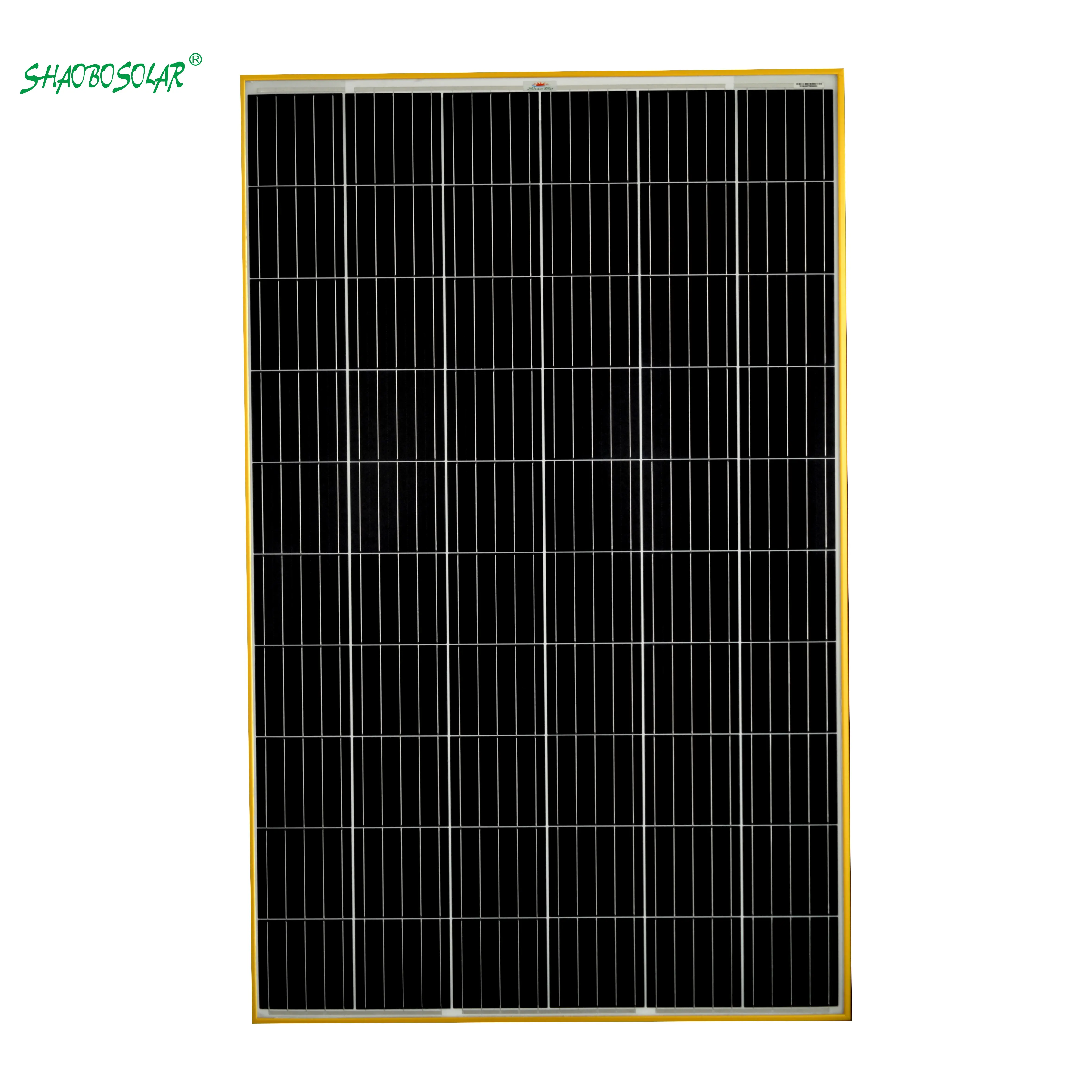
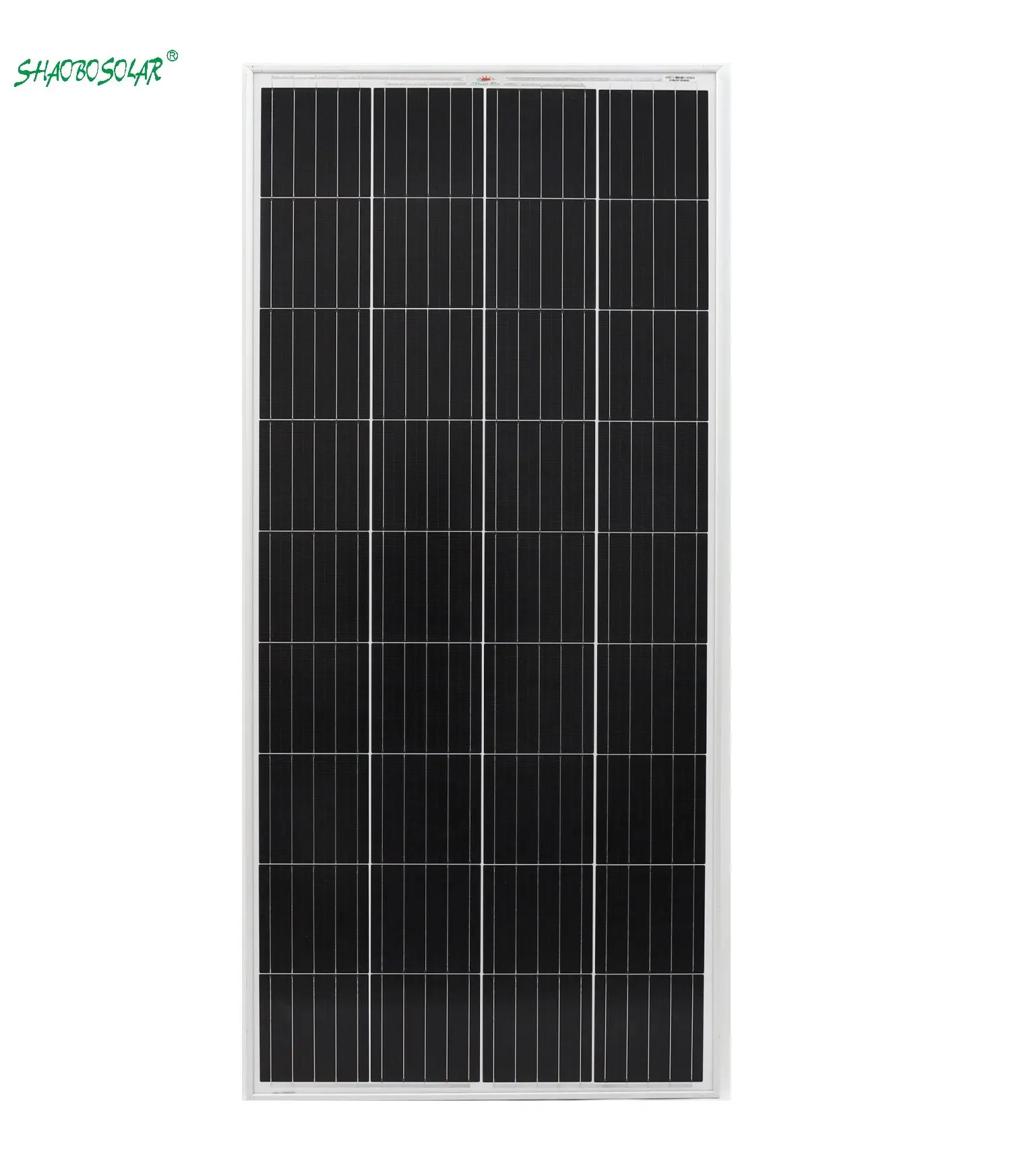
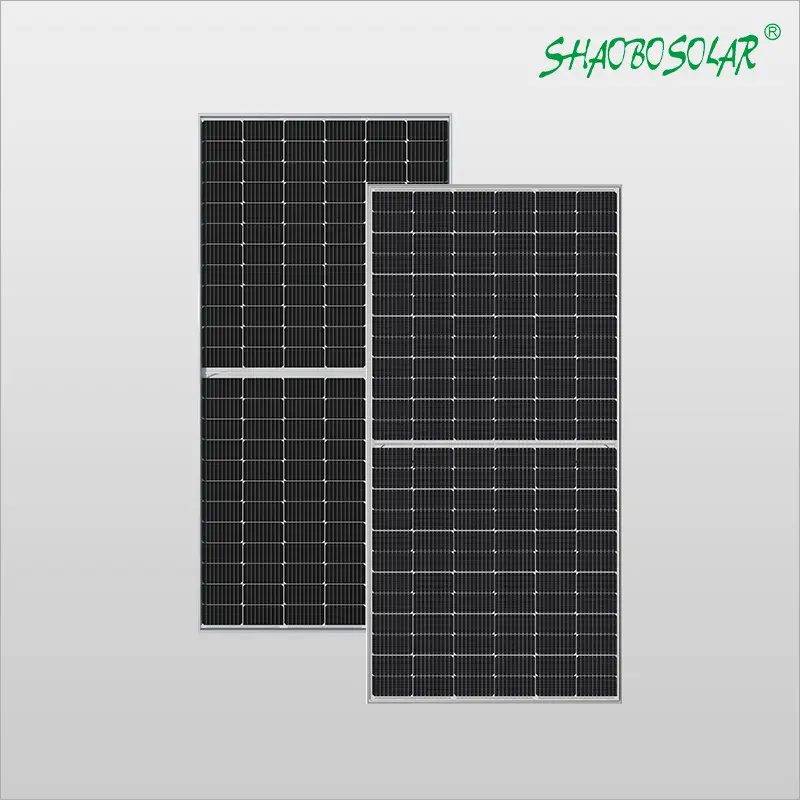
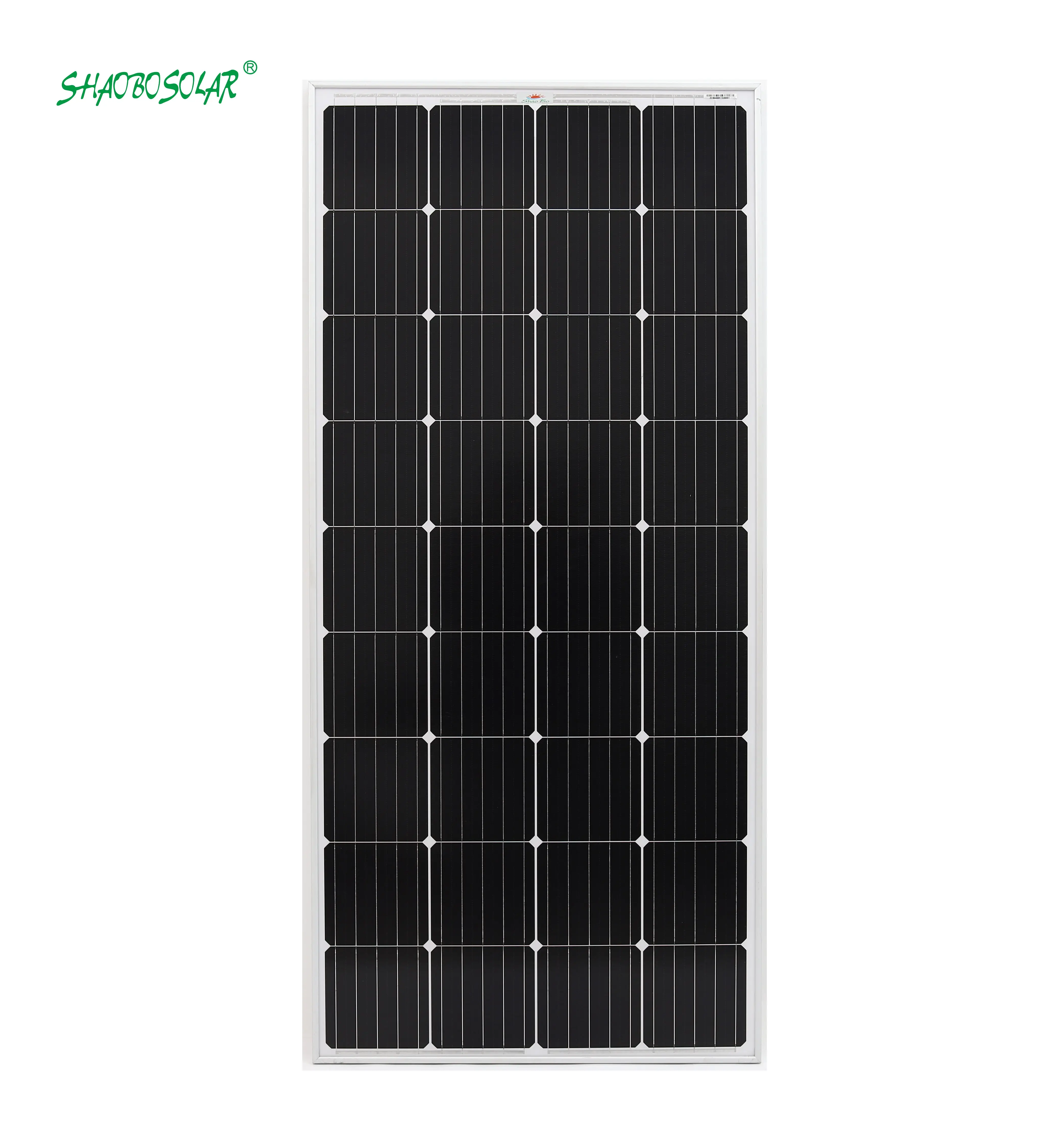
The local market is increasingly shifting towards high-efficiency modules. Because roof space is often limited in urban areas like Minsk, homeowners are prioritizing monocrystalline solar panels which offer higher power density per square meter compared to older technologies.

Economic incentives and a growing awareness of sustainable energy are driving the integration of hybrid systems. The current trend shows a strong preference for systems that can effectively manage energy storage to compensate for the lower sunlight availability during the winter solstice.
Technical Evolution of Solar PV in Belarus

From early adoption to the era of high-performance monocrystalline technology.

Market Development History

In the early 2010s, the Belarusian market was dominated by basic polycrystalline solar panel installations. These were primarily used for remote summer cottages (dachas) where low cost was more important than peak efficiency.

Between 2015 and 2020, a technical pivot occurred. The industry moved toward the mono solar panel standard, as PERC (Passivated Emitter and Rear Cell) technology became commercially viable, significantly improving performance in low-light conditions typical of the region.

From 2021 to the present, the focus has shifted toward complete system integration. The market has evolved from selling individual components to providing comprehensive energy ecosystems including smart inverters and lithium-ion storage.

Future Development Trends

N-Type Cell Dominance

We predict a rapid transition to N-type TOPCon and HJT technologies to further minimize degradation and maximize energy capture during Belarus's shorter winter days.

Bifacial Module Integration

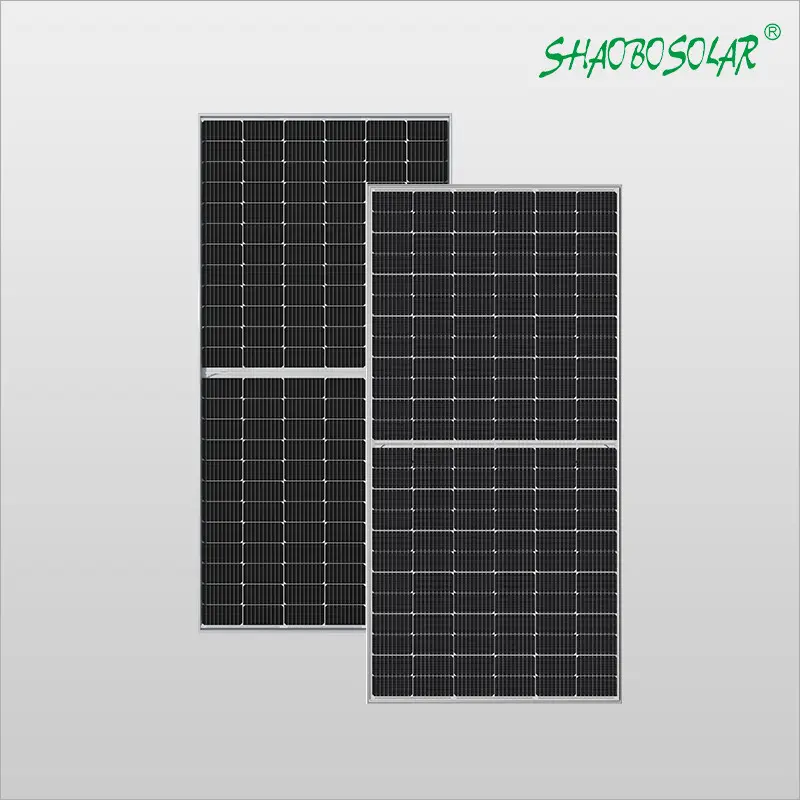
Increased adoption of bifacial modules that capture reflected light from snow cover, effectively increasing winter yields by up to 15%.

AI-Driven Energy Management

Implementation of AI software to predict weather patterns and optimize battery discharge cycles for residential users.

Industry Trends and Future Outlook

Strategic directions for the solar manufacturing and installation sector in Eastern Europe.

High-Efficiency Conversion
Focusing on maximizing the photons captured during low-angle winter sun positions.
Cold-Climate Resilience
Developing frames and glass that withstand heavy snow loads and extreme temperature swings.
Energy Storage Synergy
Integration of LFP batteries to bridge the gap between seasonal production and consumption.
Grid Modernization
Moving toward smart-grid compatible systems that allow bi-directional power flow.

Industry Outlook

The trajectory for solar energy in Belarus is leaning heavily towards residential autonomy. As global energy prices fluctuate, the drive to install a reliable home system becomes an economic imperative rather than just an environmental choice.

Over the next 3-5 years, we expect a surge in "Solar + Storage" packages, with a specific focus on high-efficiency modules that can perform under the diffuse light common in Eastern European winters.

Localized Applications in Belarus

Real-world scenarios for deploying solar technology across different Belarusian environments.

1. Urban Residential Rooftops in Minsk

Utilizing high-density monocrystalline modules to maximize limited roof space in the capital, providing energy for heating and appliances.

2. Rural Agricultural Farms

Large-scale arrays providing power for irrigation systems and livestock facilities, reducing operating costs for local farmers.

3. Remote Forest Cottages (Dachas)

Off-grid installations using robust panels and batteries to provide lighting and basic electronics in areas without grid access.

4. Industrial Warehouses

Installing expansive arrays on flat industrial roofs to offset the high energy consumption of manufacturing processes.

5. Public Infrastructure & Lighting

Solar-powered street lighting and municipal kiosks that operate independently of the city's electrical grid.

Brand Story

Global Development History of Hebei Shaobo Solar Technology Co., Ltd.

Foundational Excellence

Established with a mission to democratize high-efficiency solar energy, focusing on the core manufacturing of high-purity silicon cells.

Technological Breakthrough

Developed proprietary coating techniques that increased low-light absorption, solving a critical pain point for Northern hemisphere markets.

Global Expansion

Expanded operations into Europe, establishing a supply chain that ensures rapid delivery and local support for Eastern European clients.

Quality Certification

Achieved top-tier international certifications, ensuring every module meets the strictest durability and performance standards.

Sustainable Future

Investing in next-generation recycling and green manufacturing to ensure the entire lifecycle of our products is carbon-neutral.

Complete Solar Product Portfolio for Belarus

From individual high-performance panels to full-scale energy storage solutions.

Belarus Solar Energy FAQ

Addressing common technical and installation queries for the local market.

Are monocrystalline solar panels effective during Belarusian winters?

Yes, monocrystalline cells are more efficient at capturing lower light levels and performing in colder temperatures, making them the ideal choice for the region's winter profile.

How much space is needed for a typical house solar power system?

Depending on energy needs, a typical residential system requires 30-60 square meters of roof space, utilizing high-wattage modules to maximize output.

Do I need a mono solar panel or a polycrystalline one for a dacha?

While polycrystalline is cheaper, a mono solar panel is recommended for dachas to ensure sufficient power generation during the cloudy autumn and spring seasons.

How do solar panels handle heavy snow loads in Belarus?

Our panels are engineered with reinforced frames and tempered glass to withstand high pressure, and the smooth surface helps snow slide off naturally.

Can I integrate my solar system with existing grid power?

Yes, using a hybrid inverter, you can seamlessly switch between solar, battery, and grid power to ensure 100% uptime.

What is the expected lifespan of solar panels in Eastern Europe?

Most high-quality panels are warrantied for 25 years, maintaining over 80% of their original efficiency even after two decades of exposure.

Ready to Energize Your Property?

Our engineering team is ready to design the perfect photovoltaic solution for your project in Belarus.

Contact Us Now

If you are interested in our products, you can choose to leave your information here, and we will be in touch with you shortly.