
Advanced house solar power system Solutions for Portugal

Advanced house solar power system Solutions for Portugal

Advanced house solar power system Solutions for Portugal

Empowering Portuguese homes and industries with high-efficiency photovoltaic technology tailored for the Iberian Peninsula's unique solar irradiance.

The State of Solar Energy in Portugal

Analyzing the adoption of PV technology in one of Europe's sunniest regions.

Portugal possesses one of the highest solar irradiation levels in Europe, making it a prime market for monocrystalline solar panels. The government's commitment to the National Energy and Climate Plan (PNEC 2030) has accelerated the transition from fossil fuels to renewable energy, particularly in the Alentejo and Algarve regions.

Currently, the market is witnessing a shift from large-scale solar farms to decentralized residential installations. Homeowners are increasingly investing in a complete house solar power system to combat rising electricity costs and leverage net-metering policies provided by the Portuguese energy regulator.

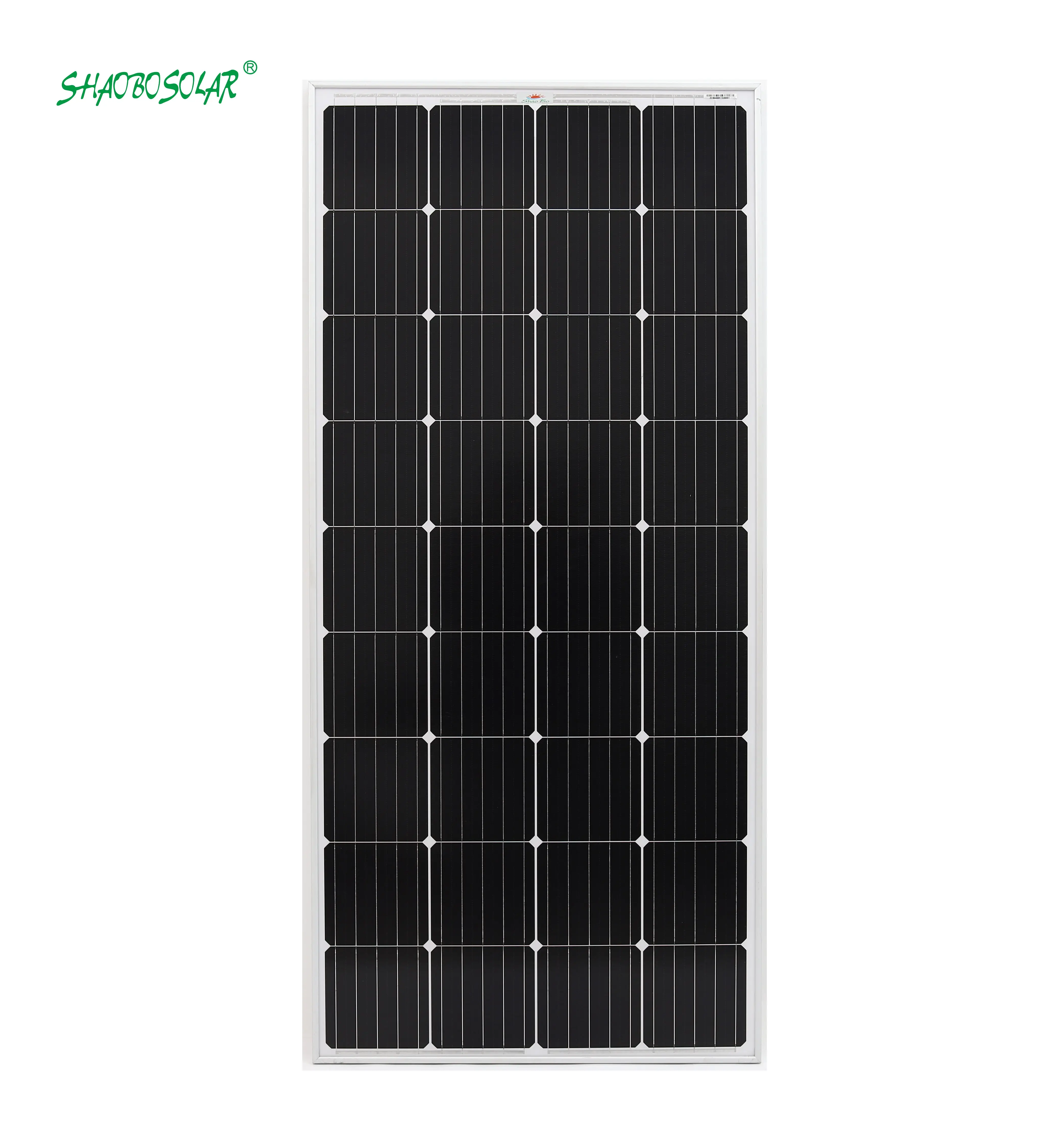
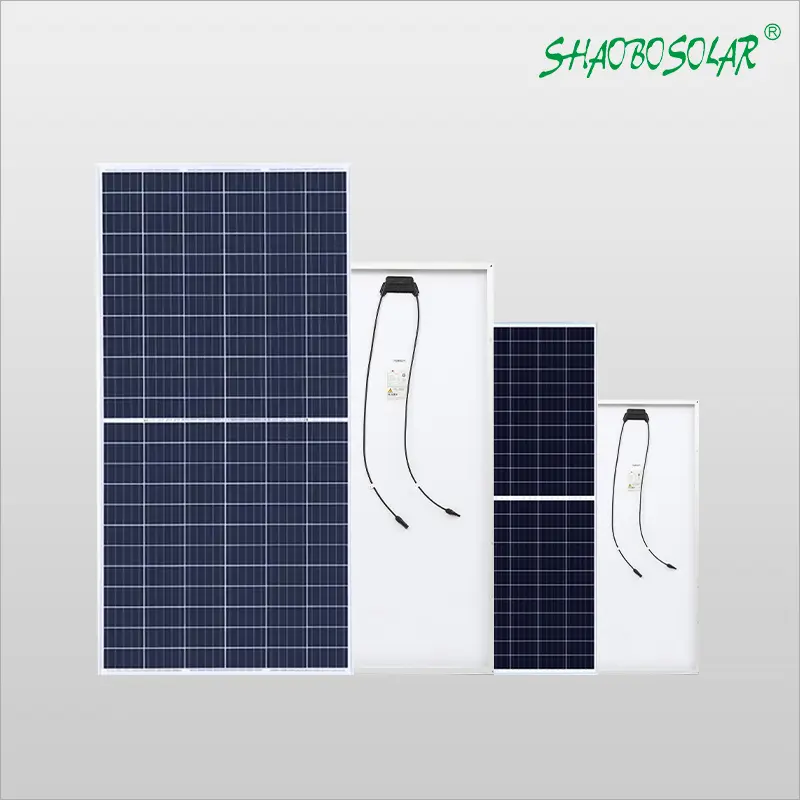
While older installations frequently utilized polycrystalline solar panel technology due to lower initial costs, the current trend heavily favors high-efficiency cells that maximize output in limited roof spaces, reflecting a mature market demanding higher ROI.
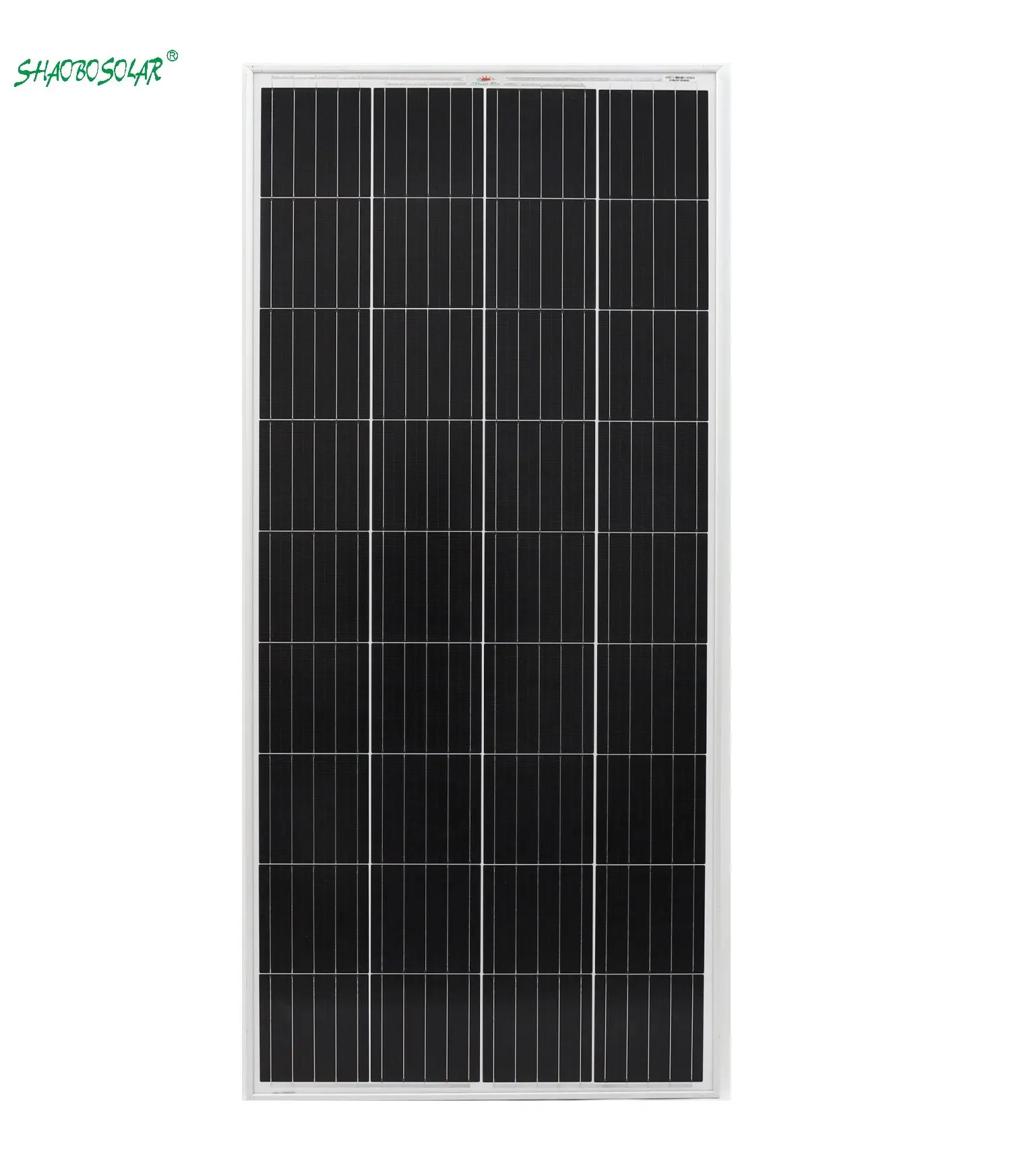
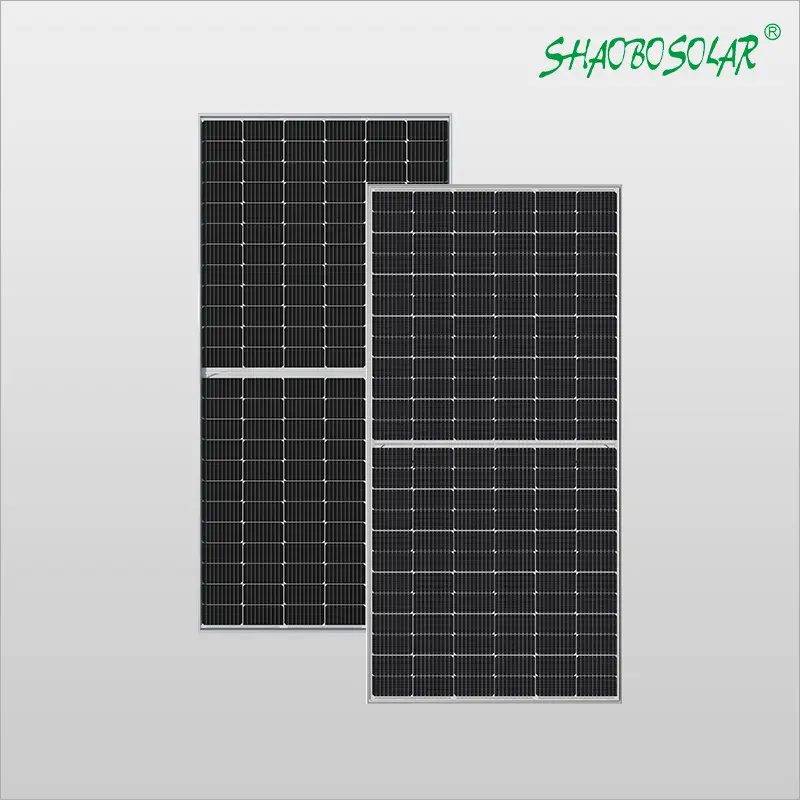
Evolution of Solar Technology in the Iberian Market

From early adoption to high-efficiency energy ecosystems.

Market Development History

Between 2000 and 2010, the Portuguese market was dominated by early-stage polycrystalline solar panel modules. These systems provided the foundation for solar awareness but suffered from lower efficiency and significant degradation under the intense Portuguese summer heat.

From 2011 to 2020, a technical pivot occurred. The industry moved toward the mono solar panel, utilizing PERC (Passivated Emitter and Rear Cell) technology. This era marked the transition from "experimental" home setups to professional energy management systems.

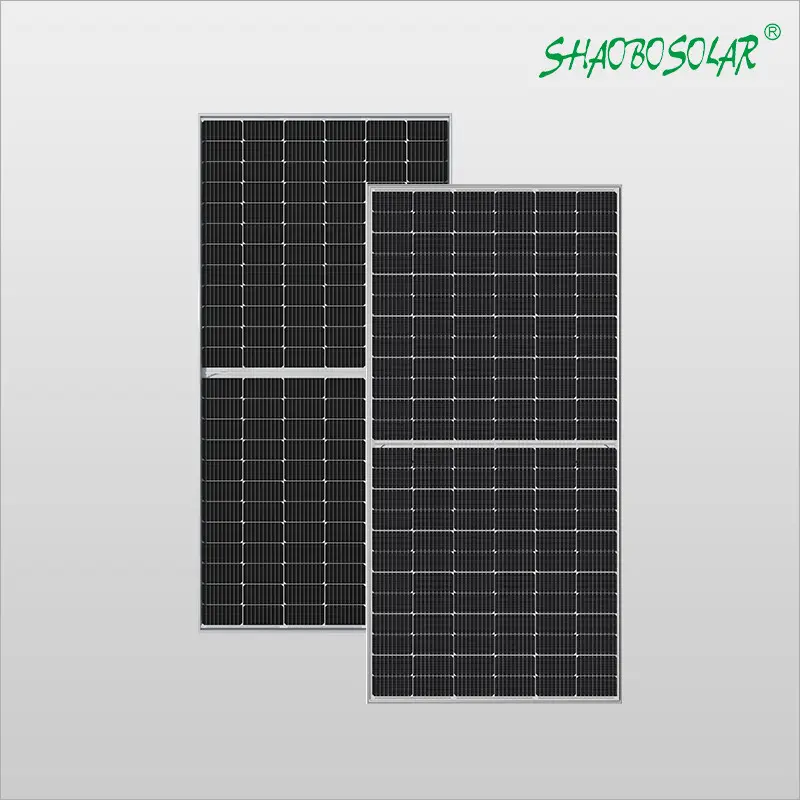
Since 2021, the focus has shifted to N-type TopCon and HJT cells. Modern installations now prioritize Bifacial modules and integrated storage, ensuring that solar panels remain productive even during the winter months in Northern Portugal.

Future Development Trends

Integration of AI Energy Management

Predictive analytics will optimize energy consumption by syncing solar production with Portuguese grid demand peaks.

Perovskite-Silicon Tandem Cells

The next leap in efficiency will see tandem cells surpassing the theoretical limits of current monocrystalline tech.

V2H (Vehicle-to-Home) Ecosystems

Electric vehicles in Lisbon and Porto will act as mobile batteries for the home solar system.

Industry Trends and Future Outlook

Strategic projections for the Portuguese photovoltaic sector (2024-2029).

High-Efficiency N-Type Transition
Shift toward N-type cells to minimize LID (Light Induced Degradation) in high-UV Portuguese regions.
Energy Storage Integration
Pairing solar arrays with LiFePO4 batteries to maximize self-consumption during non-sunny hours.
BIPV Architecture
Building-Integrated Photovoltaics replacing traditional roof tiles in modern Portuguese villas.
Smart Grid Synergy
Integration with Virtual Power Plants (VPP) to stabilize the local Portuguese electrical grid.

Industry Outlook

Google search trends in Portugal show a 40% year-on-year increase in queries related to "energy autonomy" and "solar battery storage." This indicates a shift from simple energy generation to comprehensive energy management.

We predict that within 5 years, the standard house solar power system in Portugal will no longer be just panels and an inverter, but a tri-hybrid system including solar, storage, and EV charging bidirectional intelligence.

Local Application Scenarios in Portugal

Optimized solar deployments for various Portuguese environments.

01. Residential Villas in the Algarve

Utilizing high-efficiency monocrystalline solar panels to power air conditioning systems during peak summer heat, ensuring zero-cost cooling.

02. Agricultural Estates in Alentejo

Deploying large-scale solar panels for automated irrigation systems, reducing dependence on expensive rural grid connections.

03. Urban Apartments in Lisbon

Installation of balcony-integrated mono solar panel kits for small-scale appliance powering, targeting the growing urban sustainability trend.

04. Industrial Warehouses in Porto

Implementing massive roof arrays of polycrystalline solar panel modules for cost-effective energy reduction in large-scale manufacturing facilities.

05. Eco-Tourism Lodges in Madeira

Hybrid house solar power system configurations combining PV and wind to ensure power stability in isolated mountainous terrains.

Brand Story

Global Development History of Hebei Shaobo Photovoltaic Technology Co., Ltd.

Foundational Innovation

Established with a mission to solve the inefficiency of early-stage silicon cells, focusing on high-purity material sourcing.

Technical Breakthrough

Developed proprietary cell architectures that reduced energy loss during conversion, setting new industry standards.

Global Market Expansion

Entered the European market, specifically tailoring modules for the high-UV requirements of Southern Europe.

Sustainability Leadership

Implemented green manufacturing processes to ensure the entire lifecycle of our panels is carbon-neutral.

Future Vision

Leading the transition toward integrated smart-energy ecosystems for homes and industries worldwide.

Common Questions About Solar in Portugal

Expert answers to help you choose the right photovoltaic system.

Are monocrystalline solar panels better for Portuguese homes?

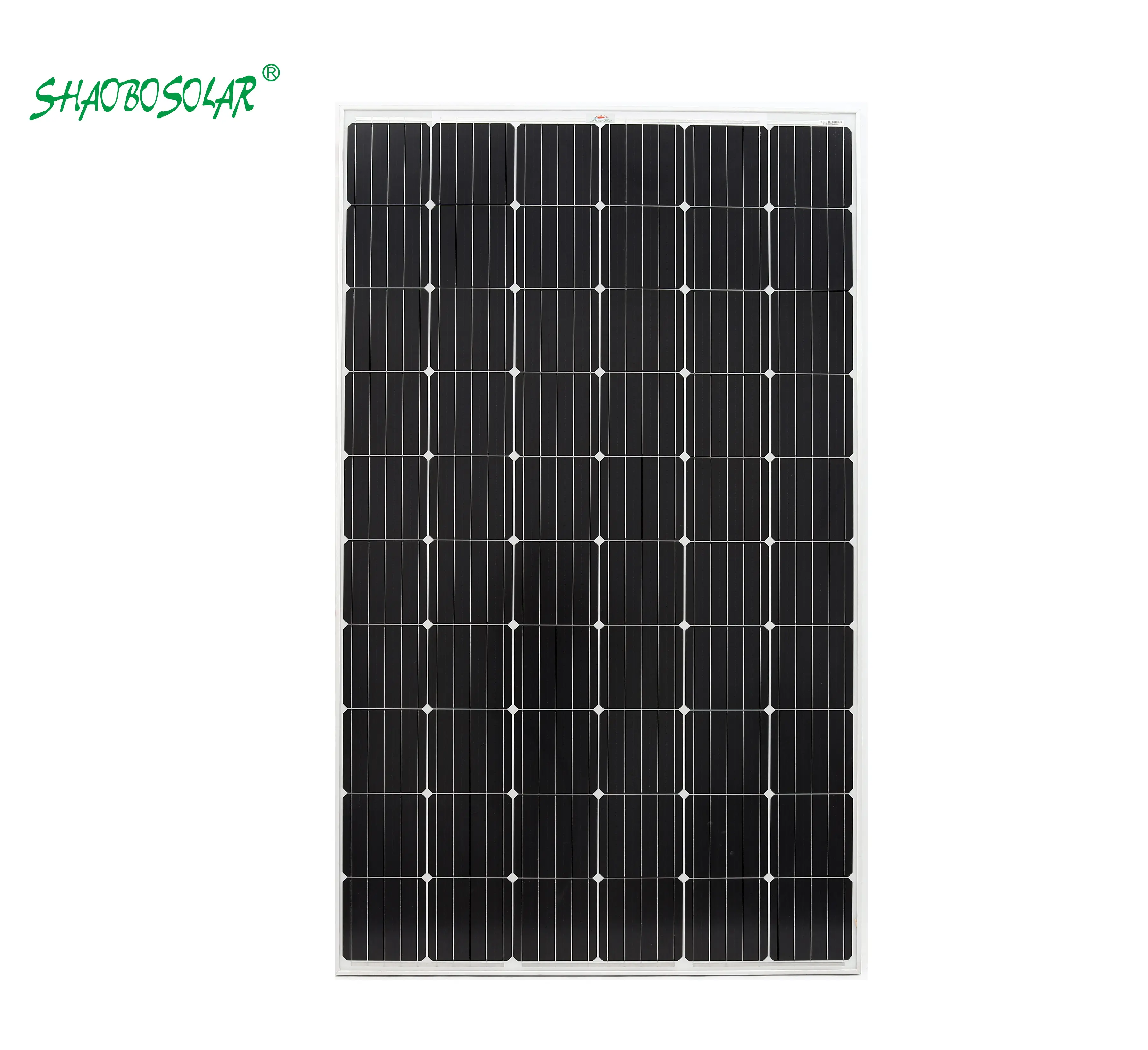
Yes, due to their higher efficiency and better performance in higher temperatures, they are ideal for the limited roof space common in Portuguese cities.

How much can a house solar power system save on electricity bills?

Depending on consumption and system size, Portuguese homeowners typically see a reduction of 50% to 80% in their monthly energy costs.

What is the difference between a mono solar panel and polycrystalline?

Mono panels are made from a single silicon crystal, offering higher efficiency and a sleeker look, whereas polycrystalline panels are more budget-friendly but less efficient.

Do solar panels work during the rainy winters in Northern Portugal?

Yes, while production drops, modern high-efficiency panels can still generate electricity from diffused sunlight on cloudy days.

How long is the typical lifespan of solar panels installed in Portugal?

Most high-quality systems are warranted for 25 years, maintaining over 80% of their original efficiency throughout that period.

Is government financing available for residential solar systems in Portugal?

Yes, various programs like "Fundo Ambiental" periodically offer rebates and low-interest loans for energy efficiency upgrades.

Ready to Transition to Clean Energy?

Our engineering team is ready to design the perfect solar solution for your property in Portugal.

Contact Us Now

If you are interested in our products, you can choose to leave your information here, and we will be in touch with you shortly.