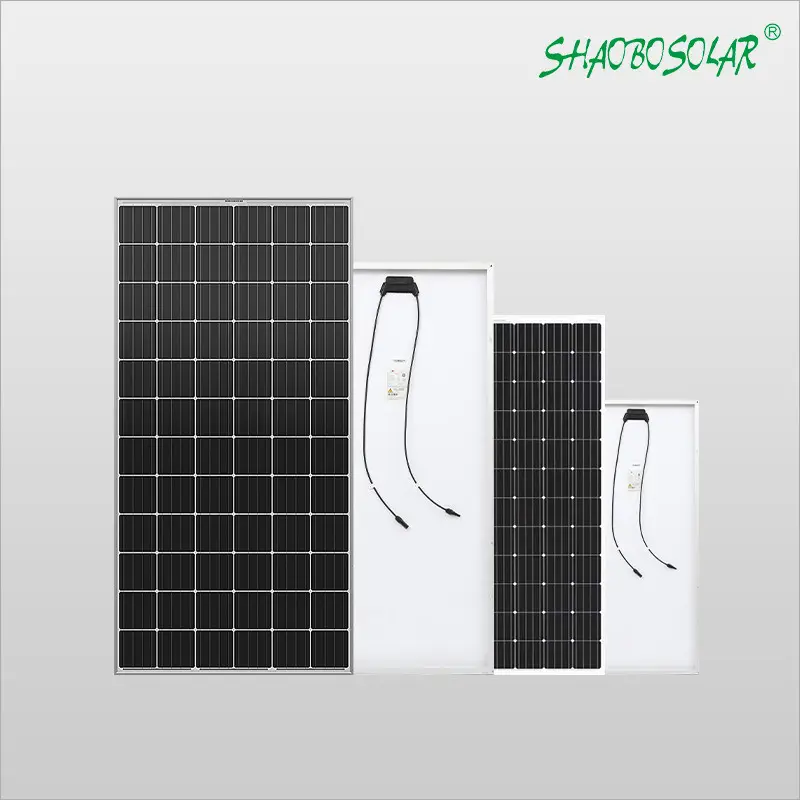
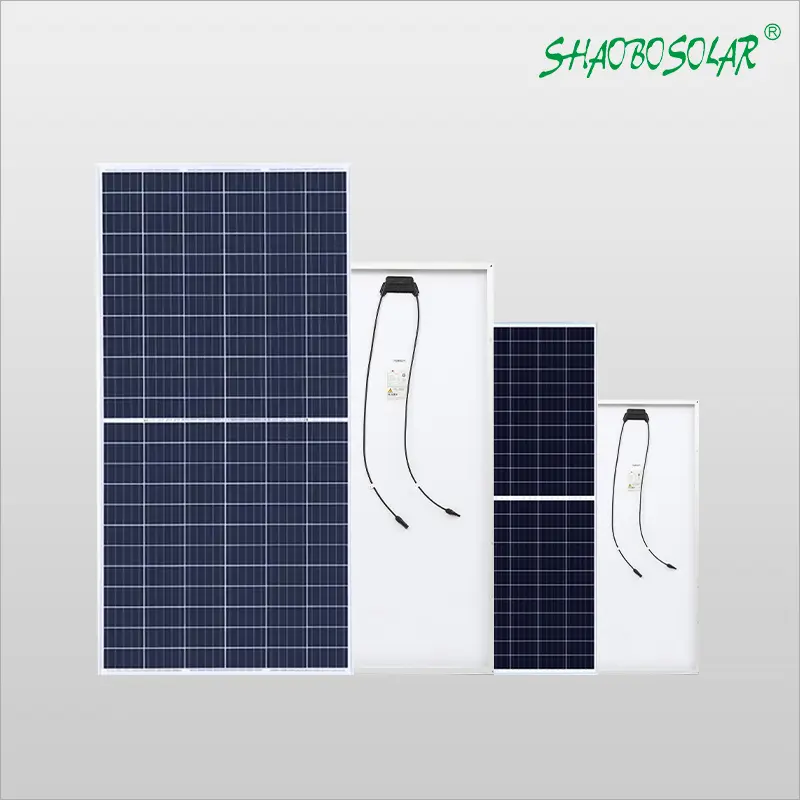
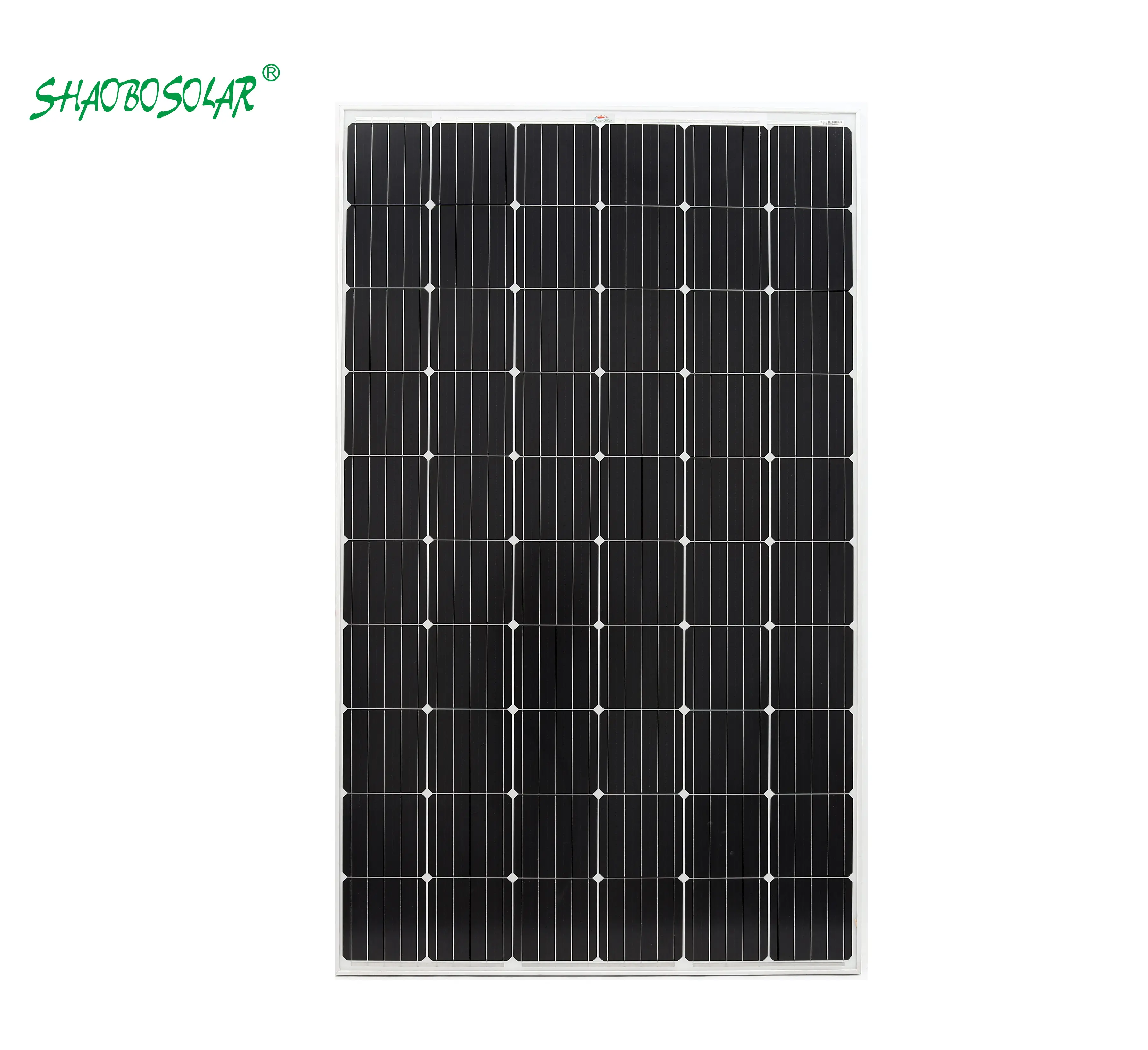
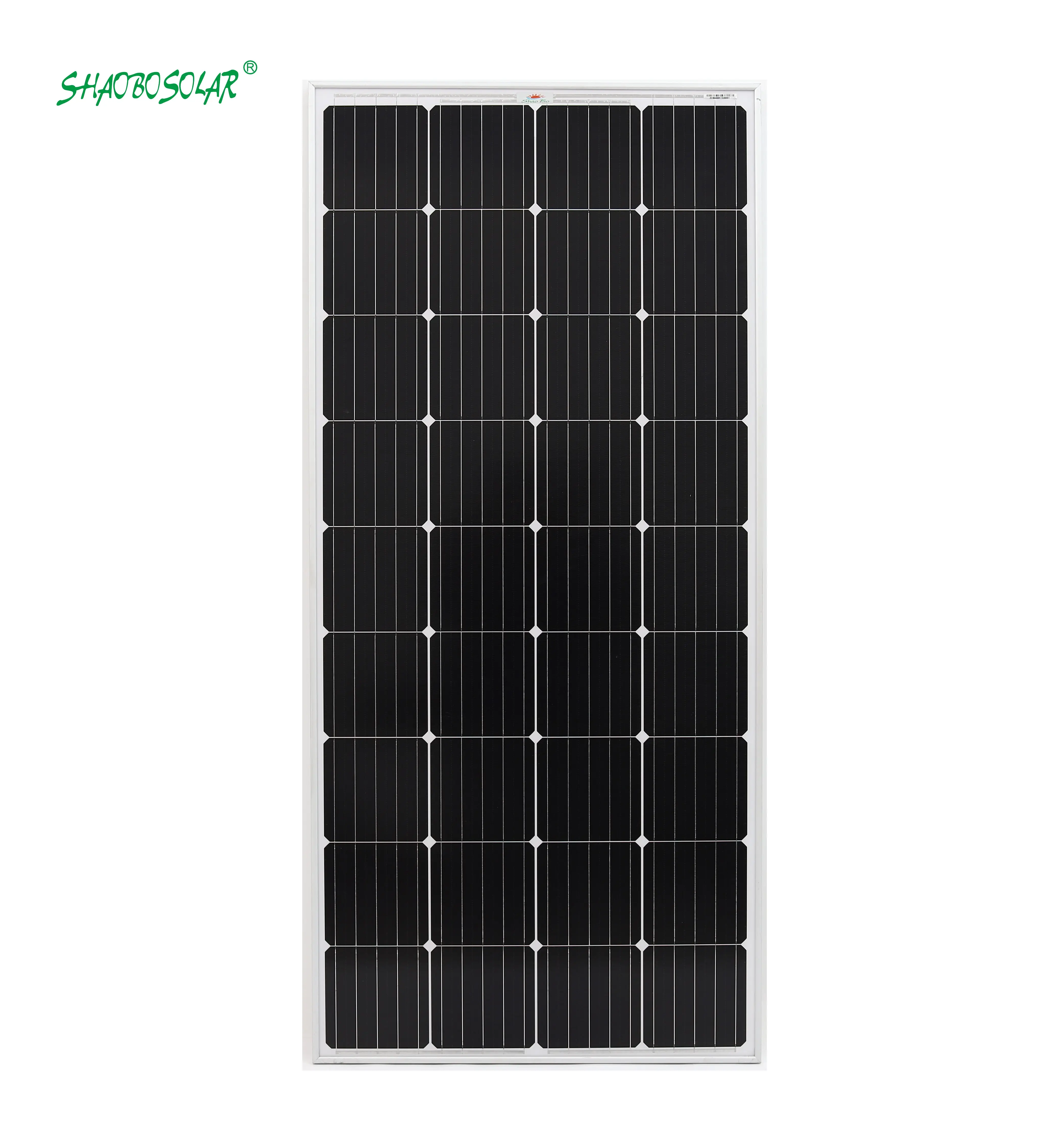
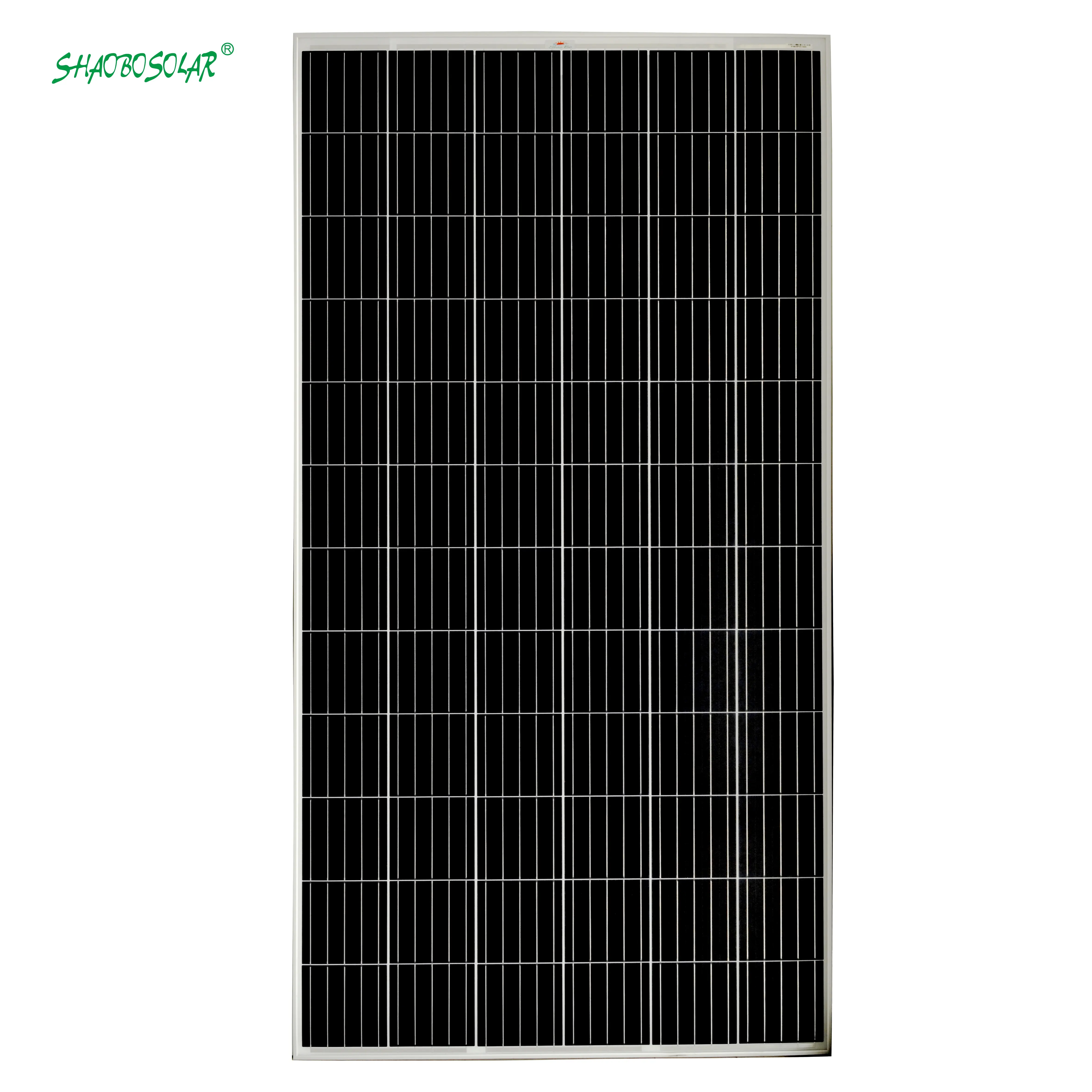
HighEfficiency house solar power system for Belgium Residential Energy

HighEfficiency house solar power system for Belgium Residential Energy

High-Efficiency house solar power system for Belgium Residential Energy

Optimizing energy independence for Belgian households with cutting-edge photovoltaic technology designed for Northern European climates.

High-Efficiency house solar power system for Belgium Residential Energy

Providing durable and high-yield energy solutions tailored to the Belgian architectural landscape and climatic conditions, ensuring maximum ROI for every kilowatt installed.

Solar Energy Landscape in Belgium

Analyzing the adoption of photovoltaic systems across Flanders, Wallonia, and Brussels.

Belgium presents a unique challenge for solar panels due to its moderate maritime climate and frequent cloud cover. However, the strong drive toward the "Green Deal" and regional subsidies has accelerated the transition to renewable energy, making Belgium one of the most active markets for residential solar in Europe.

The market is currently shifting from simple installation to intelligent energy management. With the phase-out of traditional net-metering in some regions, Belgian homeowners are increasingly investing in high-efficiency monocrystalline solar panels to maximize electricity generation during shorter winter days.

Urban density in cities like Brussels and Antwerp necessitates compact, high-power solutions. This has led to a surge in demand for premium mono solar panel technology, which offers superior performance per square meter compared to older alternatives.
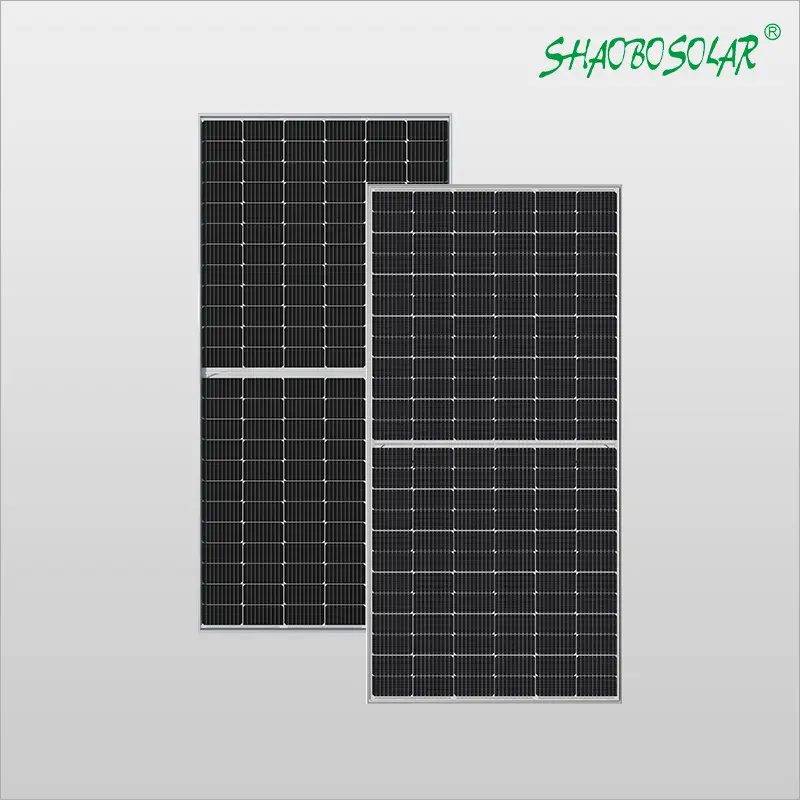
Evolution of Belgian Photovoltaic Technology

From early adoption to the era of high-efficiency energy harvesting.

Market Development History

Between 2010 and 2015, the Belgian market was dominated by polycrystalline solar panel installations. These were cost-effective and sufficient for the initial wave of government-incentivized adopters, though they struggled with lower efficiency in low-light conditions.

From 2016 to 2020, a technological pivot occurred. The industry moved toward PERC (Passivated Emitter and Rear Cell) technology, significantly increasing the conversion rates of monocrystalline solar panels, making them the gold standard for the Belgian residential sector.

Since 2021, the focus has shifted toward N-type TOPCon and HJT cells. These modern iterations minimize degradation and perform exceptionally well in the diffuse light characteristic of the Belgian atmosphere, redefining the expectations for residential power plants.

Future Development Trends

Integration of AI Energy Storage

The next 3 years will see a tight integration between solar arrays and AI-driven battery systems to manage peak loads and optimize self-consumption in Belgian homes.

BIPV Architecture

Building-Integrated Photovoltaics (BIPV) will become common in new Belgian constructions, replacing traditional roof tiles with active solar materials.

Enhanced Bifacial Efficiency

The adoption of bifacial modules will grow, capturing reflected light from light-colored Belgian roof surfaces to increase total energy yield by 5-15%.

Industry Trends & Future Outlook

Driving the transition toward a carbon-neutral Belgium through technological innovation.

N-Type TOPCon Transition
Rapid shift toward N-type cells to reduce LID (Light Induced Degradation) and enhance low-light performance.
Smart Grid Integration
Development of VPPs (Virtual Power Plants) allowing Belgian homeowners to trade excess energy.
Hybrid Storage Systems
Combining LiFePO4 batteries with solar arrays to ensure 24/7 energy availability during winter.
Sustainable Recycling
Implementing circular economy standards for the decommissioning of old panels in Belgium.

Industry Outlook

Google search trends in the Benelux region indicate a significant increase in queries related to "energy autonomy" and "smart solar inverters." This suggests that the market is moving away from passive generation toward active, managed energy ecosystems.

Within the next 5 years, the Belgian market is expected to see a standardization of high-efficiency modules as the default, with a particular focus on maximizing yield in overcast conditions through advanced cell architecture.

Localized Solar Applications in Belgium

Practical deployment scenarios tailored to the Belgian environment.

01. Residential Roof-Top Systems in Flanders

Deploying high-density modules on pitched roofs to maximize the limited space typical of Flemish suburban homes, integrating with home battery storage for night-time use.

02. Industrial Warehouses in Antwerp Port

Large-scale installation of bifacial panels on flat industrial roofs, leveraging high albedo surfaces to power logistics hubs and cold storage facilities.

03. Agricultural Solar Integration in Wallonia

Implementing "Agri-PV" where solar arrays are elevated over crops, providing shade for sensitive plants while generating power for farm machinery.

04. Urban Terrace Arrays in Brussels

Installing compact, high-efficiency arrays on urban balconies and flat terraces, utilizing micro-inverters to overcome shading from adjacent tall buildings.

05. Historic Building Integration in Ghent

Utilizing aesthetic, low-profile solar tiles that blend with traditional architecture while providing modern energy efficiency to preserved heritage sites.

Brand Story

Global Development Journey of Hebei Shaobo Photovoltaic Technology Co., Ltd.

Foundation and Vision

Established with a mission to democratize high-efficiency solar energy, focusing on the engineering of durable cells for diverse climates.

Technological Breakthroughs

Pioneered the optimization of monocrystalline silicon purity, significantly reducing production waste and increasing energy conversion rates.

European Market Expansion

Strategically entered the European market, adapting product lines to meet the rigorous EU certification standards and climatic needs of Belgium.

Sustainability Leadership

Implemented a full-lifecycle carbon tracking system for every module produced, ensuring true environmental benefit from factory to roof.

Future-Proofing Energy

Investing in R&D for Perovskite-Silicon tandem cells to push the boundaries of efficiency beyond current theoretical limits.

Common Questions About Solar in Belgium

Expert answers to the most frequent technical and regulatory inquiries.

Are monocrystalline solar panels better for the Belgian climate?

Yes, monocrystalline panels generally perform better in the low-light and overcast conditions common in Belgium, offering higher efficiency and better space utilization than polycrystalline options.

How do I choose the right house solar power system for my roof?

Consider your average monthly energy consumption, the orientation of your roof (South is ideal), and the available surface area. A professional site survey is recommended to optimize panel tilt.

What is the typical ROI for solar panels in Belgium?

Depending on regional subsidies and self-consumption rates, the payback period typically ranges from 5 to 9 years, with the system providing free energy for decades thereafter.

Can a mono solar panel operate during winter in Belgium?

Absolutely. While production is lower than in summer, mono-crystalline cells are designed to capture diffuse light, ensuring energy generation even on cloudy winter days.

What maintenance is required for a residential solar system?

Minimal maintenance is needed. Annual cleaning to remove dust and organic debris, and a periodic check of the inverter's performance, are typically sufficient.

Is a polycrystalline solar panel still a viable option today?

While viable for very large utility projects where space is unlimited and budget is the primary constraint, for residential use in Belgium, mono-crystalline is now the preferred choice due to efficiency.

Ready to Transition to Clean Energy?

Our experts are ready to design a custom energy solution for your property in Belgium.

Contact Us Now

If you are interested in our products, you can choose to leave your information here, and we will be in touch with you shortly.