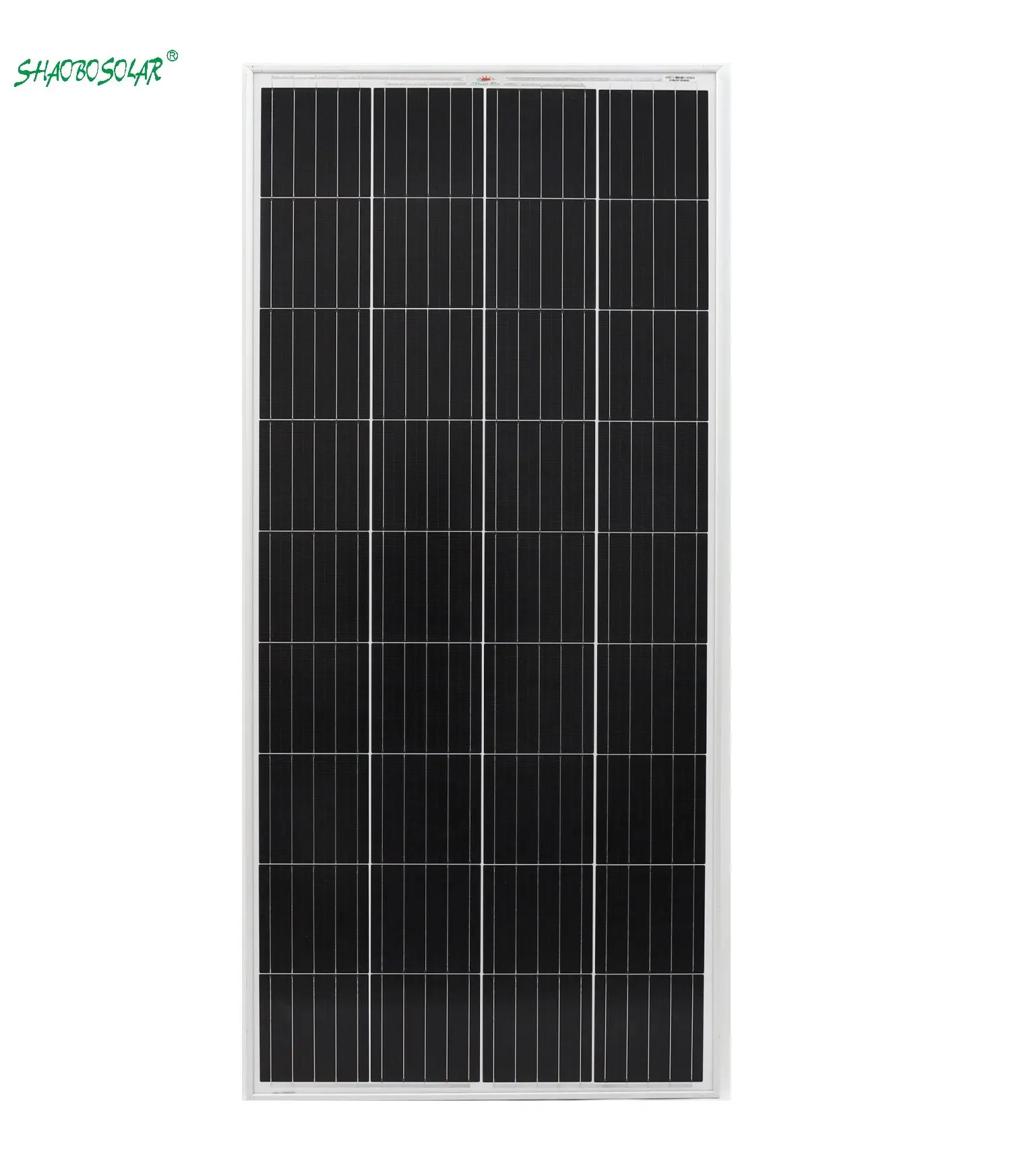
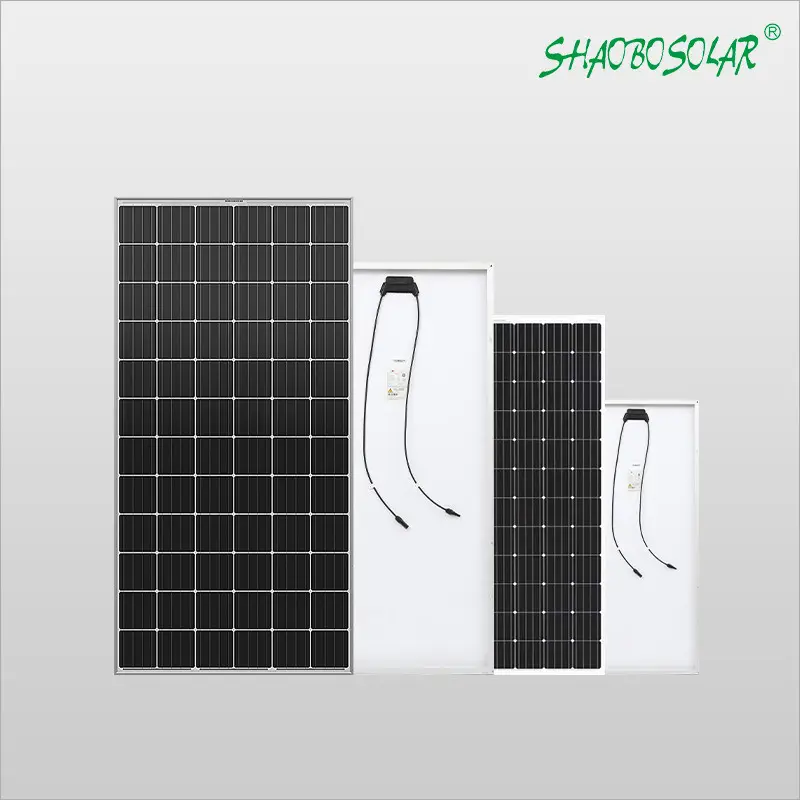
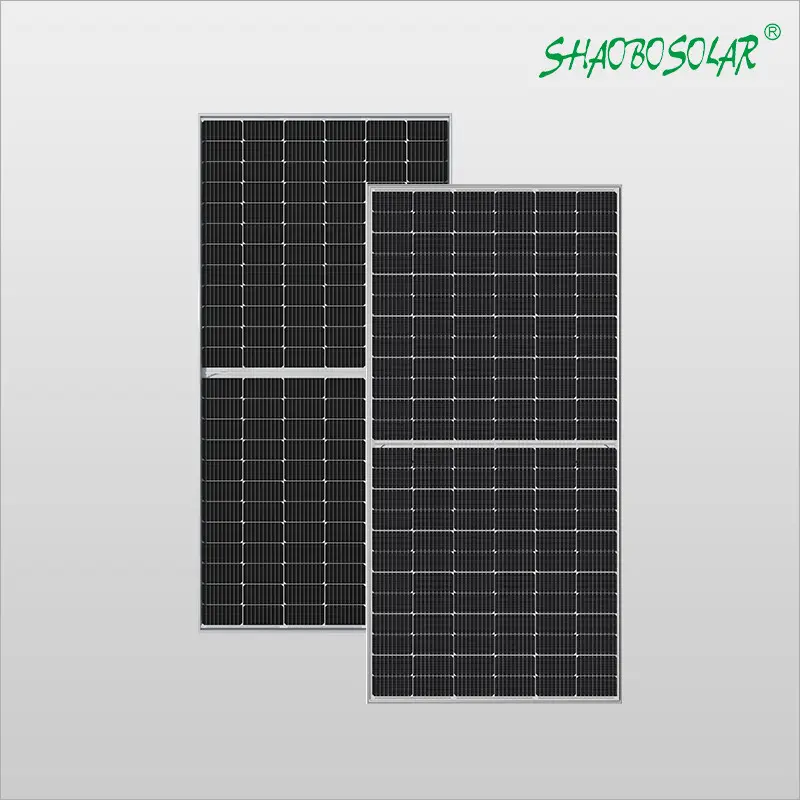
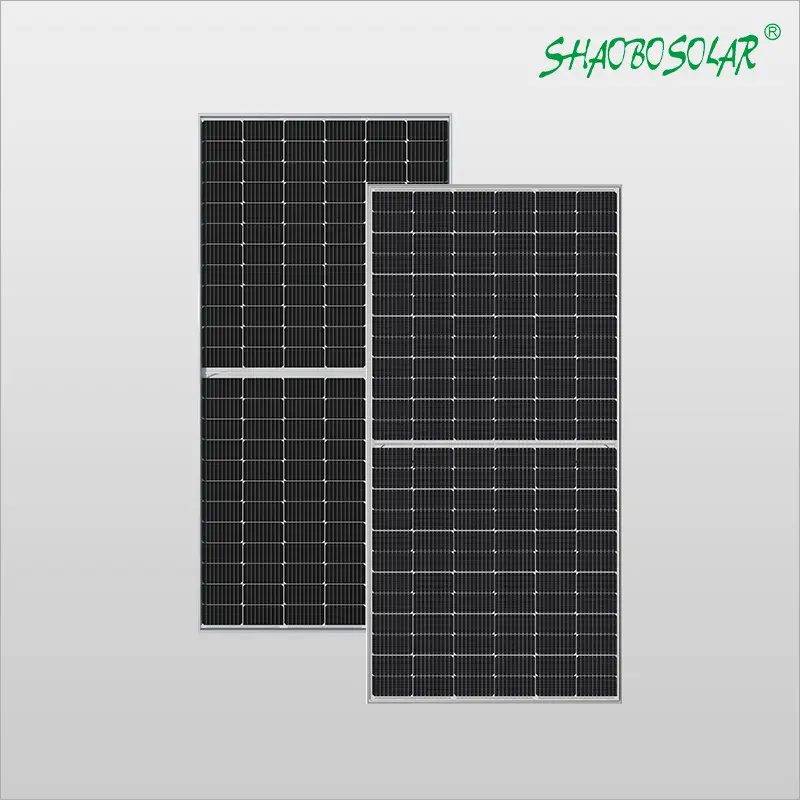
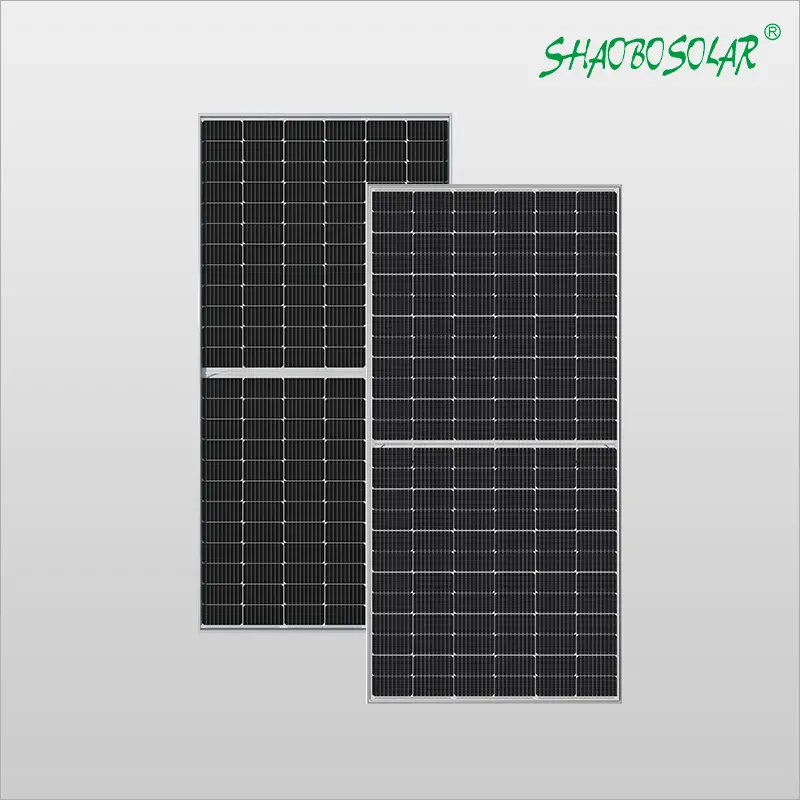
Germany stands as a global pioneer in solar adoption, driven by the ambitious "Energiewende" policy. However, the geographical challenge lies in the seasonal variance of irradiance. To combat this, the demand for high-efficiency solar panels has shifted toward technologies that perform reliably under diffuse light conditions typical of Northern Europe.
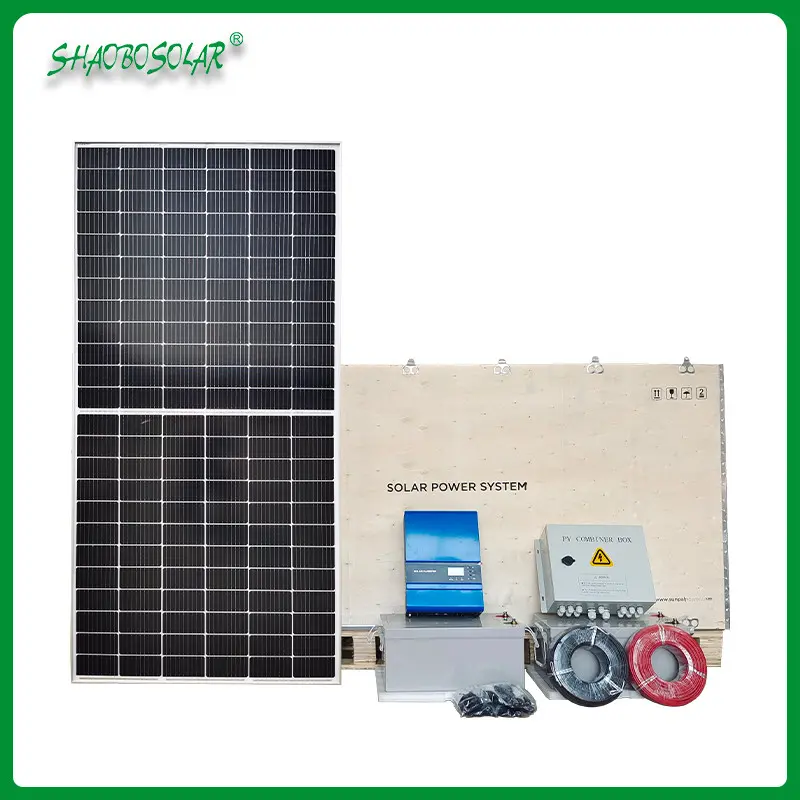
The German market is characterized by a high density of residential installations. A modern house solar power system in Germany now typically integrates smart energy management and battery storage to mitigate the volatility of the grid and maximize self-consumption during the shorter daylight hours of winter.
Economically, the shift from feed-in tariffs to self-consumption models has pushed manufacturers to optimize the Levelized Cost of Energy (LCOE). This has led to a dominant preference for high-density cells that maximize the limited roof space available in traditional German urban and suburban architecture.