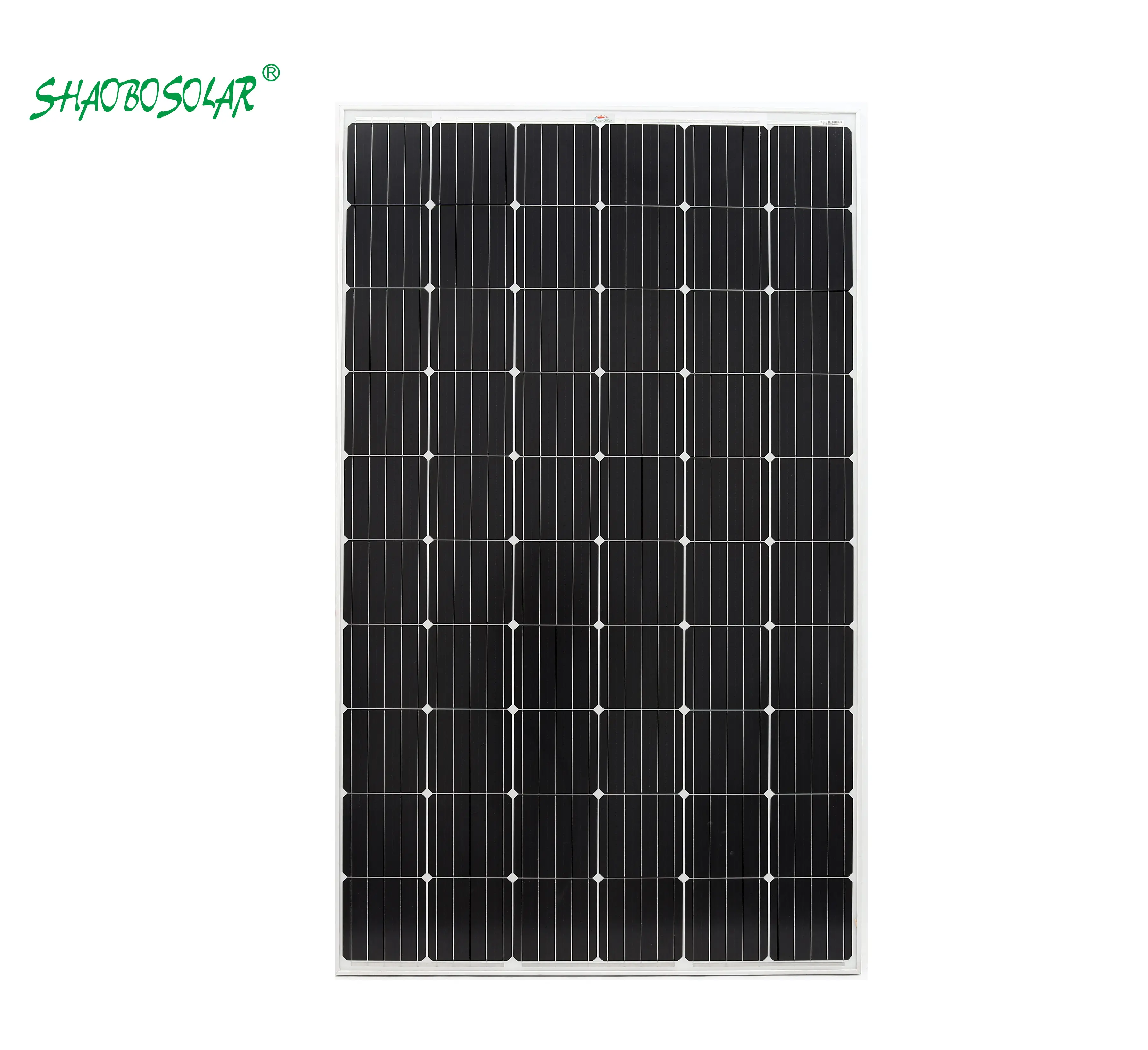
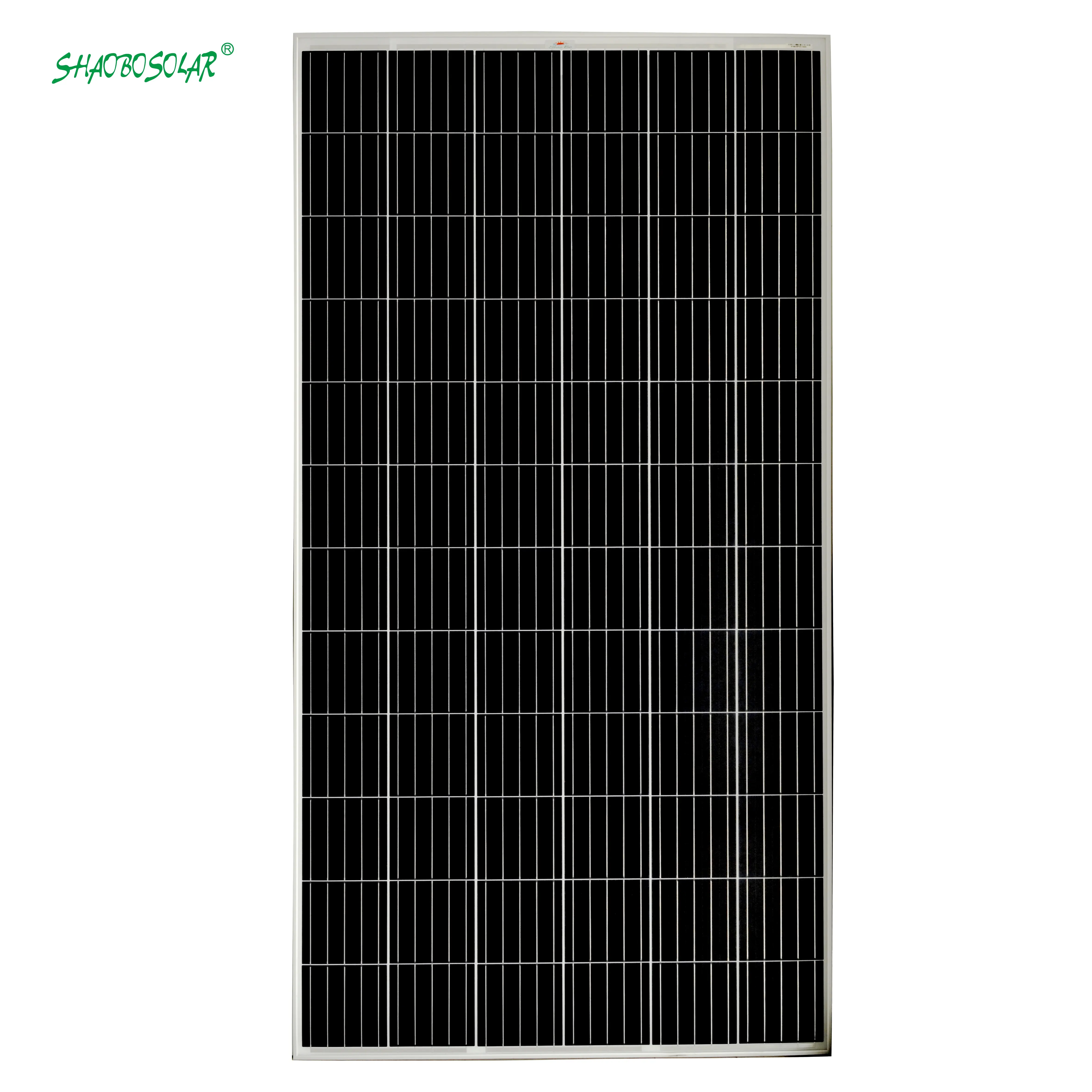
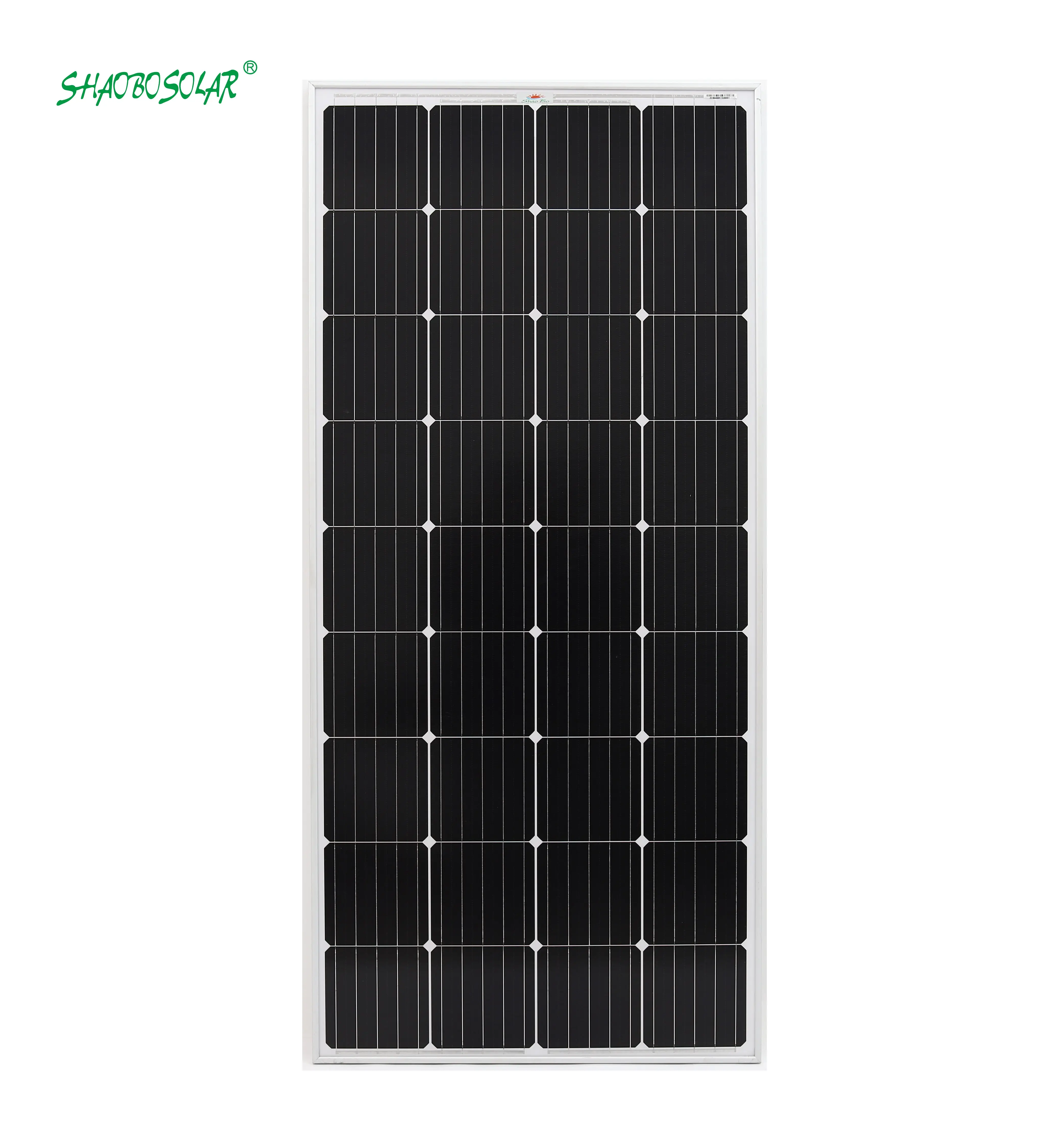
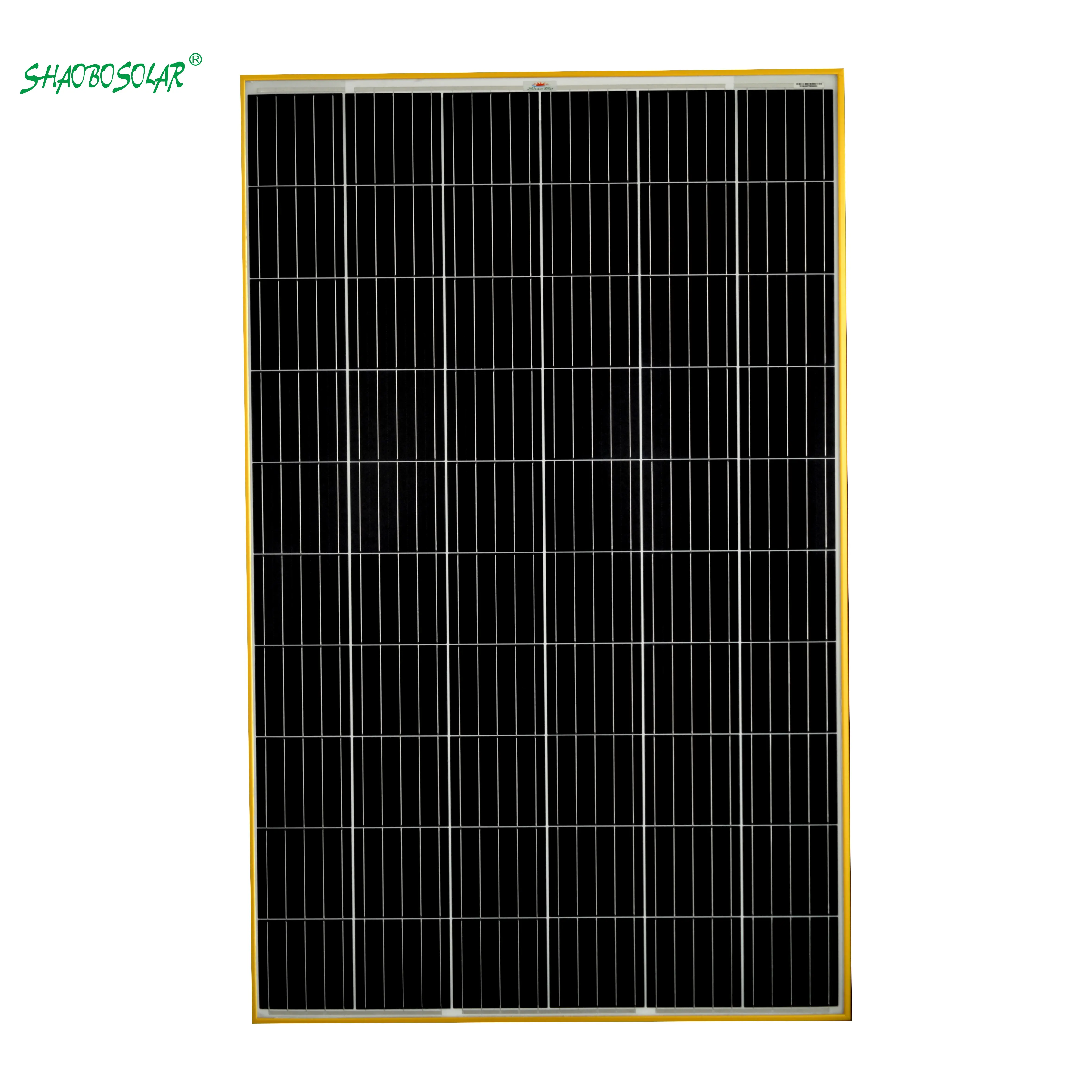
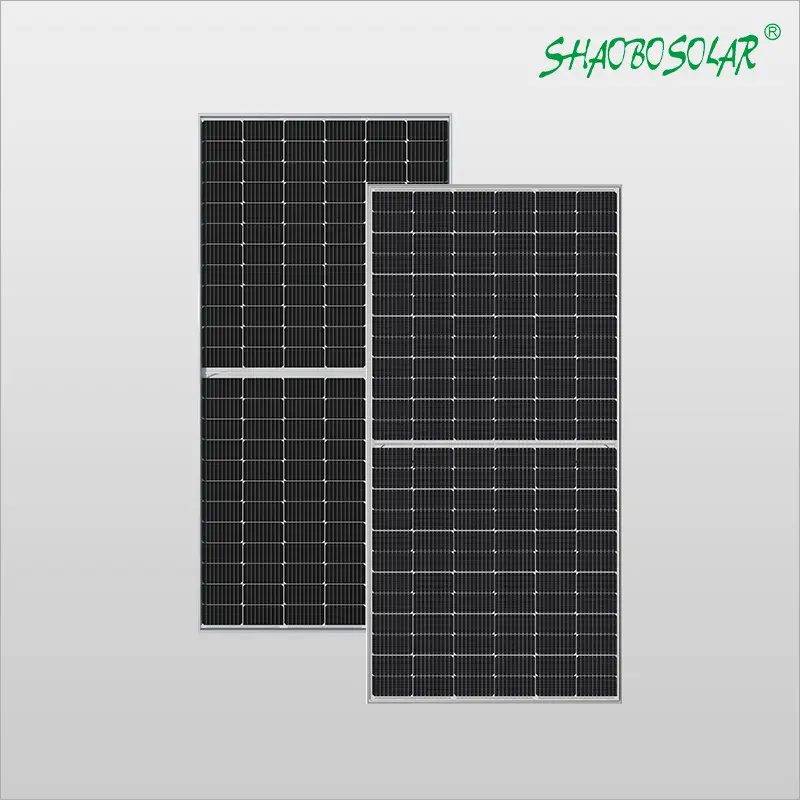
HighEfficiency house solar power system for Kyrgyzstan

HighEfficiency house solar power system for Kyrgyzstan

High-Efficiency house solar power system for Kyrgyzstan

Empowering the Kyrgyz Republic with sustainable energy solutions tailored for high-altitude alpine climates and remote mountainous terrains.

High-Efficiency house solar power system for Kyrgyzstan

Integrating premium photovoltaic technology to ensure energy independence and stability for residential and commercial properties across Kyrgyzstan's diverse geography.

Solar Energy Landscape in Kyrgyzstan

Analyzing the current adoption of photovoltaic systems in Central Asia's mountainous heartland.

Kyrgyzstan possesses an extraordinary potential for solar energy due to its high number of sunny days per year, particularly in the southern regions. However, the adoption of solar panels has historically been hindered by the challenging alpine terrain and a reliance on aging hydroelectric infrastructure.

Currently, the market is seeing a surge in off-grid installations. In remote villages of the Tien Shan mountains, the transition to a mono solar panel configuration is becoming the standard for those seeking maximum efficiency in limited roof spaces where sunlight is intense but durations vary by season.

Economic shifts and governmental initiatives to diversify the energy mix are now driving residential demand. The shift toward integrated monocrystalline solar panels is evident as homeowners prioritize long-term durability and higher conversion rates to combat harsh winter temperature drops.
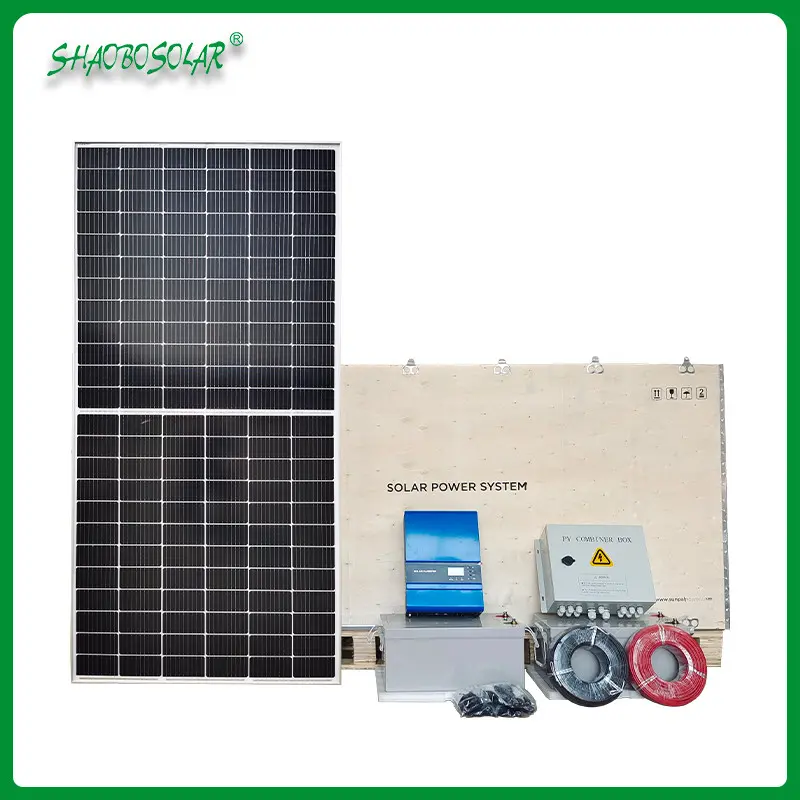
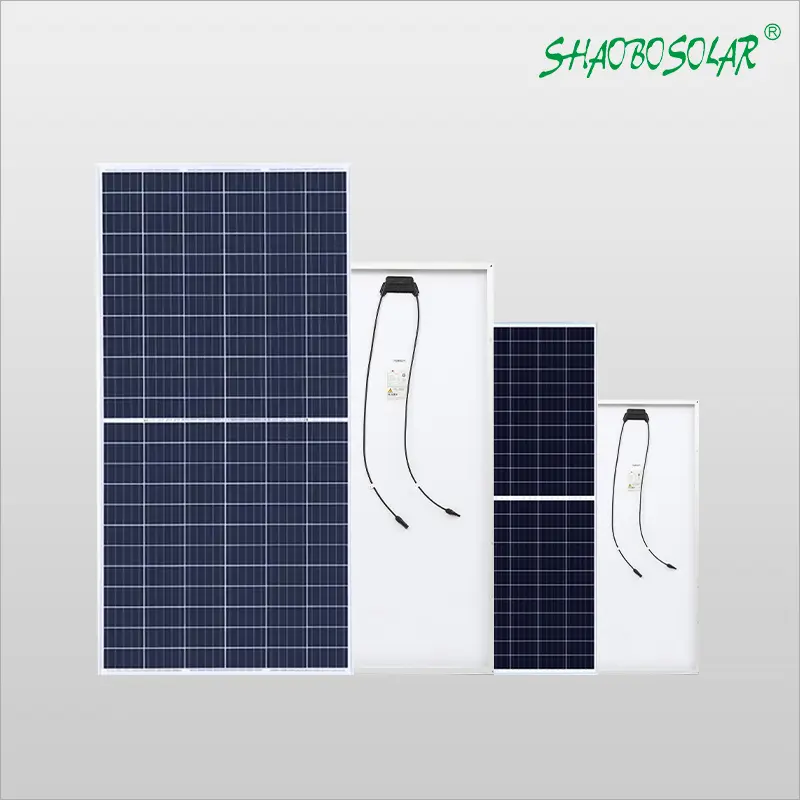
Evolution of Solar Technology in Kyrgyzstan

From basic electrification to smart energy management systems.

Market Development History

Between 2010 and 2015, the Kyrgyz market was dominated by entry-level polycrystalline solar panel installations. These were primarily used for small-scale lighting and basic communication in nomadic camps, valued for their lower initial cost but limited efficiency.

From 2016 to 2021, a technical pivot occurred. The introduction of PERC technology allowed for better performance in the diffused light conditions often found in the Kyrgyz highlands, leading to a widespread replacement of older modules with higher-wattage options.

Since 2022, the trend has shifted toward complete energy autonomy. Modern installations now integrate lithium-ion storage with high-density panels, transforming the traditional "backup power" mindset into a primary energy source for rural households.

Future Development Trends

Bifacial Module Adoption

Given the high albedo effect from snow-covered ground in Kyrgyzstan, bifacial panels are expected to increase energy yields by capturing reflected light from the rear side.

Smart Grid Integration

We predict a move toward "Net Metering" where residential systems can sell excess power back to the national grid, incentivizing larger installations.

High-Temperature Resilience

Future hardware will focus on low-temperature coefficients to maintain peak voltage during the extreme sub-zero winters of the Issyk-Kul region.

Industry Trends and Future Outlook

Strategic forecasts for the photovoltaic sector in the Kyrgyz Republic.

N-Type Cell Dominance
The transition from P-type to N-type cells to reduce LID (Light Induced Degradation) in high-UV mountain environments.
Hybrid Storage Systems
Combining solar with wind or hydro-micro generators to ensure 24/7 power during the Kyrgyz winter solstice.
Agrivoltaics Implementation
Dual-use land strategies allowing sheep grazing and crop farming beneath elevated solar arrays in rural valleys.
IoT Energy Monitoring
Cloud-based monitoring for remote mountain sites to predict maintenance needs and optimize tilt angles seasonally.

Industry Outlook

Based on Google search trends in Central Asia, there is a growing interest in "energy independence" and "sustainable heating." We expect the Kyrgyz market to shift from simple light-powering systems to complex thermal-solar hybrids that can support space heating.

The next 3-5 years will likely see a standardization of high-efficiency modules, where the gap between industrial and residential quality closes, making premium solar accessible to every household in the region.

Localized Solar Applications in Kyrgyzstan

Real-world deployment scenarios for Kyrgyzstan's unique environmental conditions.

01. High-Altitude Residential Power

Deploying a comprehensive house solar power system in the mountainous regions of Naryn, providing stable electricity for heating and lighting during winter isolation.

02. Remote Livestock Facility Electrification

Utilizing durable monocrystalline solar panels to power automated water pumps and veterinary refrigeration in remote nomadic pastures (jailoos).

03. Urban Commercial Rooftops in Bishkek

Installation of large-scale solar panels on commercial warehouses to reduce operational costs and lower the carbon footprint of urban logistics.

04. Alpine Tourism Eco-Lodges

Integrating mono solar panel arrays with battery storage for luxury eco-resorts near Lake Issyk-Kul, ensuring a zero-emission guest experience.

05. Agricultural Irrigation Systems

Implementing polycrystalline solar panel arrays to drive drip-irrigation systems in the Fergana Valley, optimizing water use through solar-powered precision.

Brand Story

Global Development Journey of Hebei Shaobo Solar Technology Co., Ltd.

Foundational Innovation

Established with a vision to democratize clean energy, we began by solving the stability issues of early photovoltaic cells for industrial use.

Quality Standardization

We implemented rigorous aerospace-grade testing to ensure our panels could withstand extreme temperature fluctuations and heavy snow loads.

Global Market Expansion

Expanding across Central Asia, we tailored our logistics and technical support to serve the unique geographical challenges of the Silk Road regions.

Technology Leadership

Pioneering the integration of smart inverters and high-efficiency cells to solve the "intermittency pain point" for off-grid users worldwide.

Sustainable Future

Today, we focus on circular economy principles, ensuring our modules are recyclable and our production process is carbon-neutral.

Kyrgyzstan Solar Installation FAQ

Expert answers to the most common technical and commercial queries in the region.

Which is better for Kyrgyzstan: monocrystalline solar panels or polycrystalline?

For most Kyrgyz households, monocrystalline panels are superior due to their higher efficiency in limited spaces and better performance in the lower light levels of winter.

How does snow affect a house solar power system in the Tien Shan region?

Snow can block sunlight, but the steep tilt angles recommended for Kyrgyzstan help snow slide off. Additionally, the albedo effect from snow can actually boost the output of bifacial panels.

Can a mono solar panel operate in extreme sub-zero temperatures?

Yes, solar panels actually operate more efficiently at cooler temperatures. The key is using high-quality frames and cables that do not become brittle in extreme cold.

What is the average payback period for solar panels in Bishkek?

Depending on energy consumption and available subsidies, the payback period typically ranges from 4 to 7 years, after which the electricity is essentially free.

Do I need a battery for a house solar power system in rural Kyrgyzstan?

Absolutely. Due to the instability of the rural grid, a battery storage system is essential to ensure power during the night and during grid outages.

How often should solar panels be cleaned in the Fergana Valley?

Due to agricultural dust and pollen, we recommend cleaning panels 2-4 times per year to prevent efficiency drops caused by "soiling."

Get Your Custom Energy Audit

Ready to transition to clean energy? Contact our experts for a technical site assessment and customized solar design tailored for Kyrgyzstan.

Contact Us Now

If you are interested in our products, you can choose to leave your information here, and we will be in touch with you shortly.