
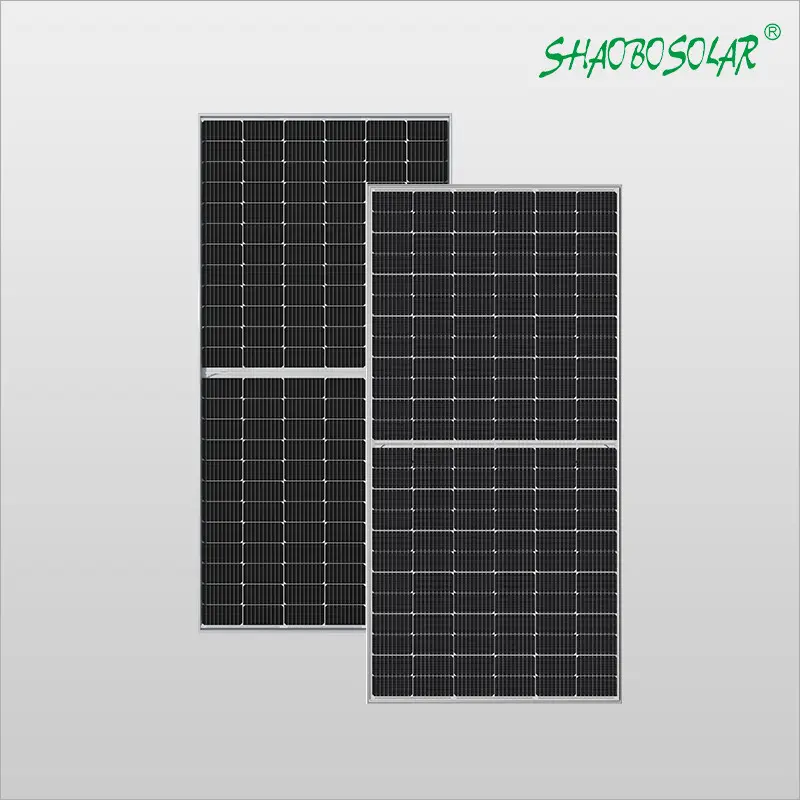
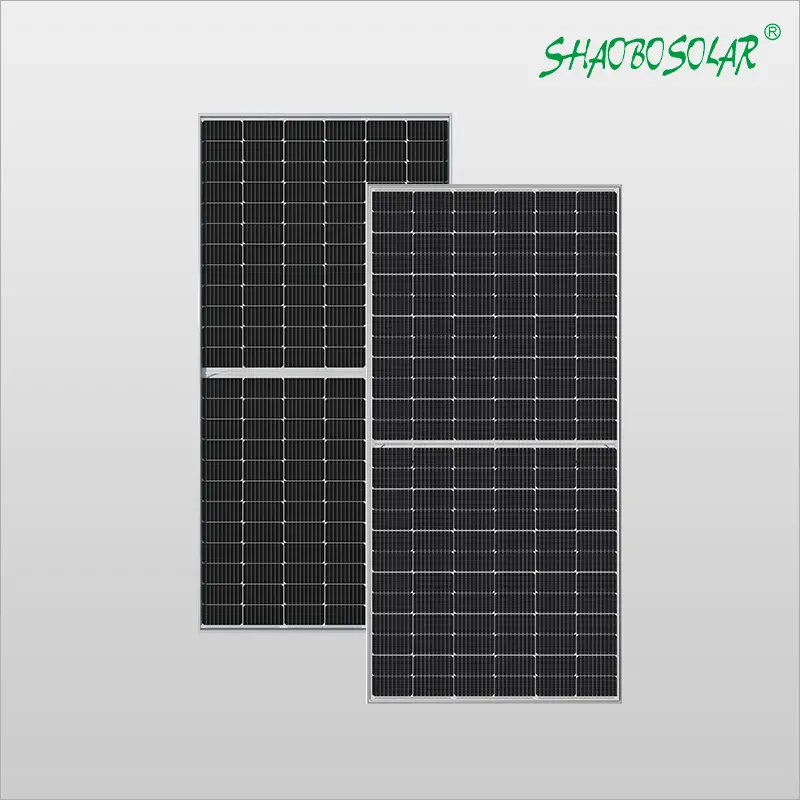
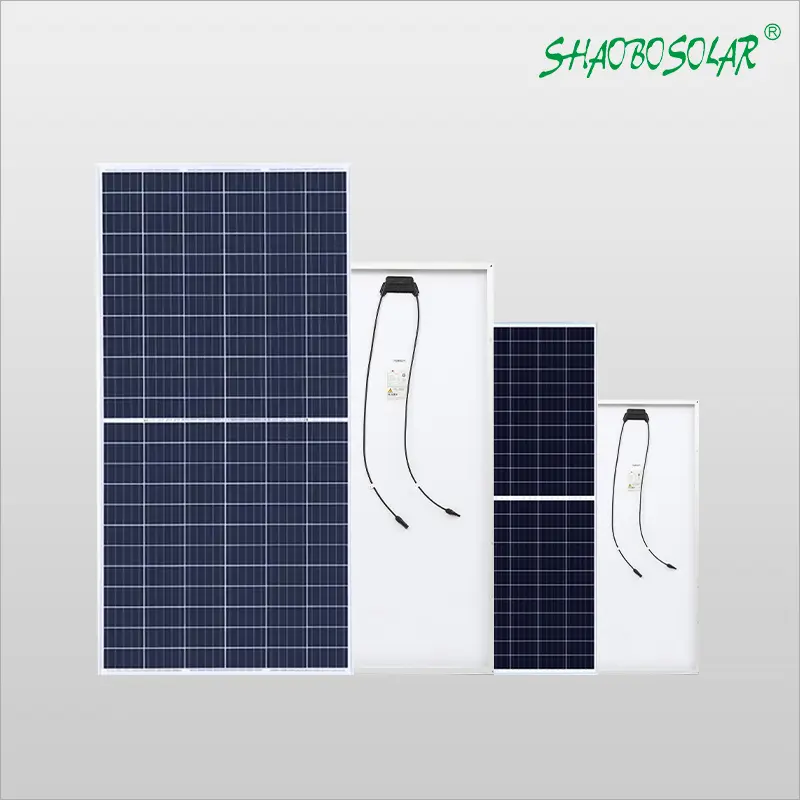
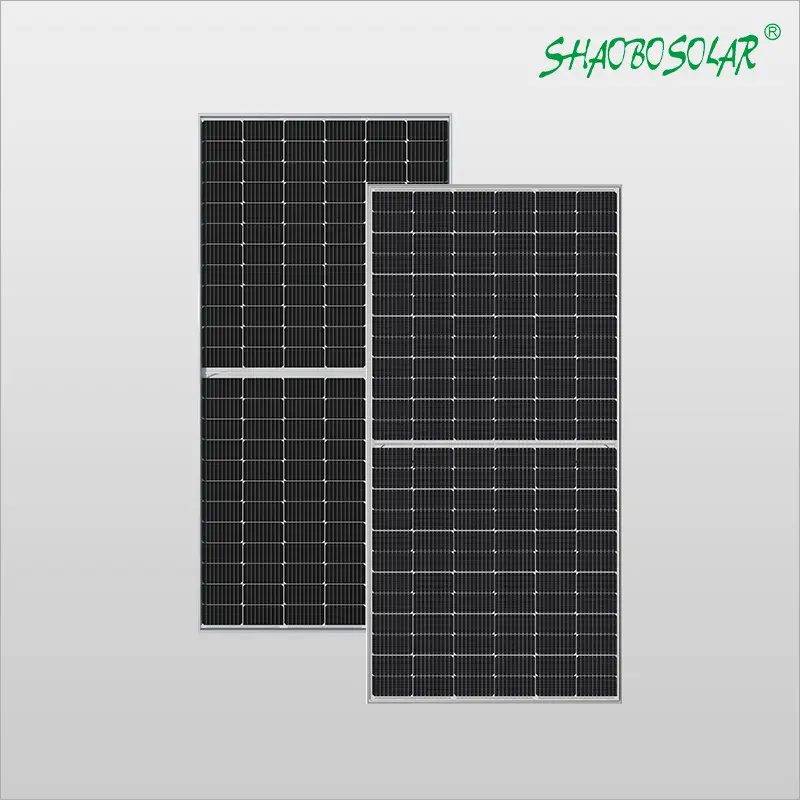
HighEfficiency monocrystalline solar panels for Turkey’s Energy Transition

HighEfficiency monocrystalline solar panels for Turkey’s Energy Transition

  • Home
  • Global Service
  • HighEfficiency monocrystalline solar panels for Turkey’s Energy Transition

High-Efficiency monocrystalline solar panels for Turkey's Energy Transition

Empowering Turkish businesses and homeowners with cutting-edge photovoltaic technology designed for maximum yield in the Mediterranean climate.

High-Efficiency monocrystalline solar panels for Turkey's Energy Transition

We provide industrial-grade solar solutions specifically engineered to withstand Turkey's diverse environmental conditions, from the sunny Aegean coast to the central Anatolian plains.

Current State of Solar Energy Adoption in Turkey

Analyzing the integration of solar panels within the Turkish geopolitical and economic landscape.

Turkey possesses an exceptional solar irradiation profile, particularly in the southern regions, making it one of the most promising markets for photovoltaic energy. However, the local industry has faced challenges regarding the balance between import dependency and the development of local manufacturing capabilities for high-efficiency cells.

The shift toward a sustainable house solar power system has accelerated due to rising electricity costs and the Turkish government's regulatory incentives for self-consumption. Urban centers like Istanbul and Ankara are seeing a surge in rooftop installations to offset industrial energy demands.

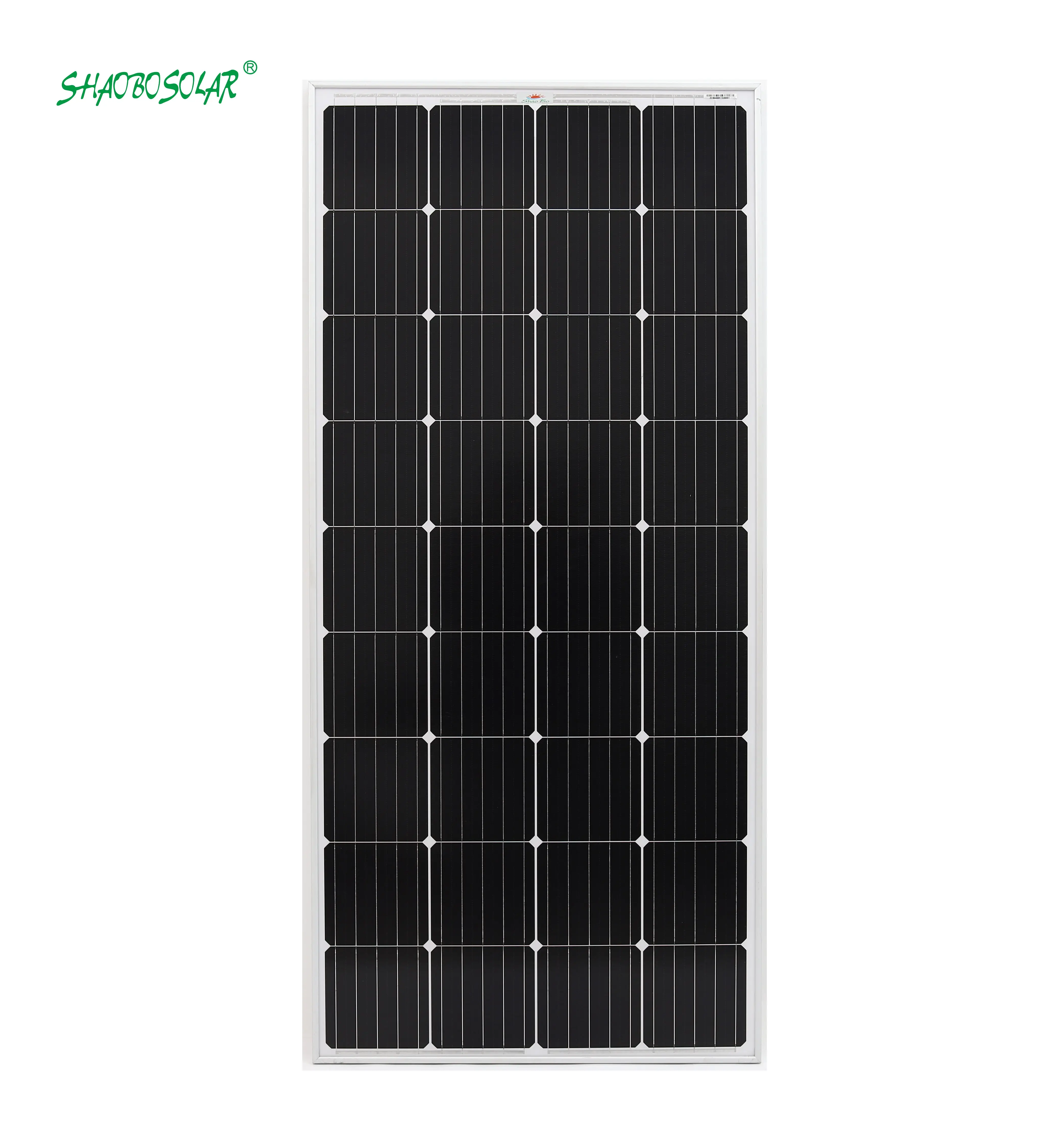
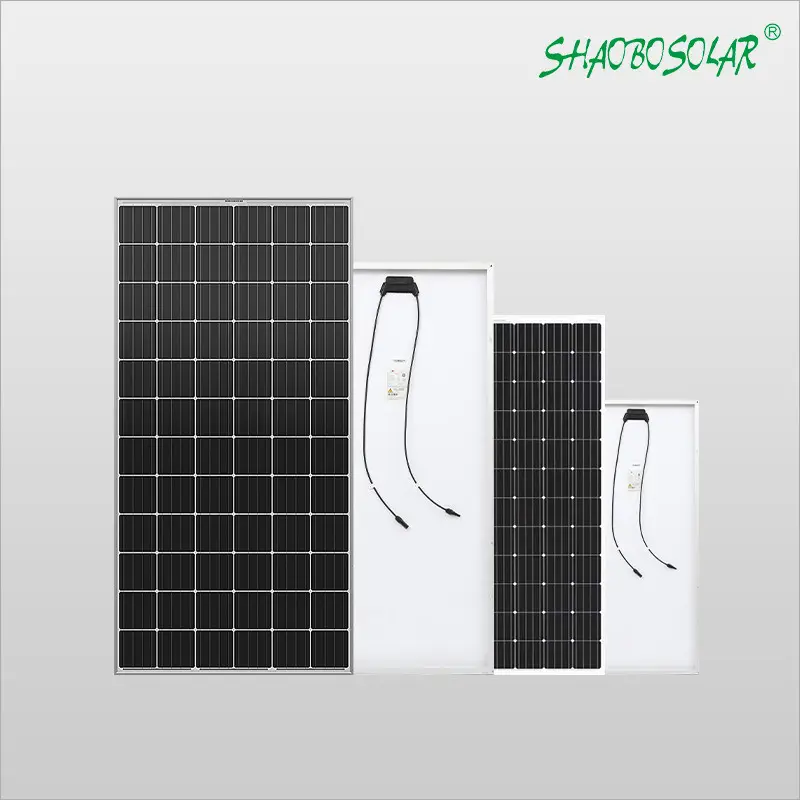
While early adopters relied on basic technology, the market is now demanding high-performance mono solar panel options that can operate efficiently even during the high-temperature summers typical of the Mediterranean region.
Evolution and Trajectory of PV Technology in Turkey

From early adoption to the era of high-efficiency N-type cells.

Market Development History

Between 2010 and 2015, the Turkish market was dominated by polycrystalline solar panel installations. These were favored for their lower initial cost, despite having lower efficiency and a larger footprint required for the same power output.

Around 2016-2020, a technological pivot occurred as the industry shifted toward PERC (Passivated Emitter and Rear Cell) technology. This era saw the mass adoption of monocrystalline structures, significantly increasing the kWh per square meter for commercial rooftops.

From 2021 to the present, Turkey has entered the "High-Efficiency Era," where TOPCon and HJT technologies are becoming the standard, allowing for better performance in diffused light conditions and lower degradation rates over 25 years.

Future Development Trends

Bifacial Module Integration

We predict a massive surge in bifacial panels for ground-mounted plants in Anatolia, capturing reflected light from the soil to increase total energy yield by up to 15%.

Smart Grid & Storage Synergy

The integration of lithium-iron-phosphate (LiFePO4) batteries with residential systems will transition Turkey from simple net-metering to true energy independence.

N-Type Cell Dominance

Google search trends indicate a growing interest in "long-term warranty" and "high efficiency," suggesting a complete market phase-out of older cell types in favor of N-type monocrystalline technology.

Industry Trends and Future Outlook for Turkey

Navigating the next phase of the photovoltaic revolution in the Middle East and Asia crossroads.

Hyper-Efficiency Modules
Transitioning to 22%+ conversion efficiency to maximize limited urban roof space.
Agrivoltaic Expansion
Combining solar energy with agriculture in the central Anatolian plains to optimize land use.
AI-Driven Energy Management
Implementing smart software to predict solar yield based on Turkish meteorological data.
Circular Economy Integration
Focusing on the recycling of end-of-life modules to ensure a sustainable PV lifecycle in Turkey.

Industry Outlook

Over the next 3-5 years, we expect Turkey to move beyond simple installation and toward systemic optimization. The focus will shift from merely adding capacity to enhancing the stability of the grid through distributed energy resources (DERs).

With the expected decline in battery storage costs, the residential market will see a transition where the "house solar power system" becomes a complete off-grid or hybrid solution, reducing the burden on Turkey's national electrical infrastructure during peak summer loads.

Localized Solar Applications Across Turkey

Customized photovoltaic deployments based on regional Turkish geography.

1. Aegean Coast Tourism Resorts

Implementation of high-efficiency panels to power luxury hotels in Antalya and Izmir, focusing on aesthetics and high temperature tolerance to ensure cooling systems run on green energy.

2. Central Anatolian Industrial Parks

Large-scale rooftop deployments using mono-facial and bifacial modules for textile and automotive factories in Konya and Kayseri to lower operational overhead.

3. Mediterranean Greenhouse Integration

Semi-transparent solar modules installed atop greenhouses in Mersin, providing both shade for crops and electricity for irrigation systems.

4. Eastern Anatolian Remote Village Power

Robust, standalone solar kits for rural electrification where extending the national grid is geographically impossible or economically unfeasible.

5. Istanbul Urban Residential Retrofits

Compact, high-density installations for old city rooftops, utilizing a streamlined house solar power system to meet the energy needs of modern urban families.

Brand Story

Global Development Journey of Hebei Shaobo Solar Technology Co., Ltd.

Foundational Innovation

Started with a mission to solve the efficiency gap in standard silicon cells, focusing on purity and crystallization precision.

Market Diversification

Expanded from basic components to providing complete turnkey solar solutions for the global industrial market.

Quality Standardization

Achieved international certifications to ensure our modules exceed IEC and UL standards for harsh environment durability.

Global Strategic Reach

Established strong partnerships in the EMEA region, tailoring products specifically for the Turkish and European energy markets.

Sustainable Future Vision

Committing to zero-carbon manufacturing processes to lead the world toward a truly green energy future.

Common Questions Regarding Solar Installation in Turkey

Expert answers to help you choose the right photovoltaic system.

Which is better for Turkey: monocrystalline or polycrystalline solar panels?

For most Turkish applications, monocrystalline is superior due to higher efficiency in limited spaces and better performance in high temperatures compared to polycrystalline options.

How long does a typical house solar power system last in the Mediterranean climate?

Most high-quality systems are warrantied for 25 years, though the physical structure can last longer. Regular cleaning of dust is essential in Turkey to maintain efficiency.

Do mono solar panel installations require special mounting in windy regions?

Yes, especially in coastal areas of Turkey, we recommend reinforced aluminum mounting structures to withstand high wind loads and saline corrosion.

What is the average ROI for industrial solar panels in Turkey?

Depending on local incentives and energy consumption, most industrial projects in Turkey achieve a full return on investment within 3 to 6 years.

Can I integrate a battery with my existing solar panel setup?

Absolutely. Adding a hybrid inverter and LiFePO4 batteries allows you to store excess energy produced during the day for use at night.

How does dust affect the efficiency of solar modules in Turkey?

Dust accumulation can reduce output by 10-20%. We recommend a quarterly cleaning schedule, especially during the dry summer months in Central Anatolia.

Ready to Energize Your Future?

Our engineering team is ready to design the perfect solar solution for your project in Turkey. Contact us today for a technical consultation.

Contact Us Now

If you are interested in our products, you can choose to leave your information here, and we will be in touch with you shortly.