
HighEfficiency monocrystalline solar panels for Qatar’s Energy Transition

HighEfficiency monocrystalline solar panels for Qatar’s Energy Transition

  • Home
  • Global Service
  • HighEfficiency monocrystalline solar panels for Qatar’s Energy Transition

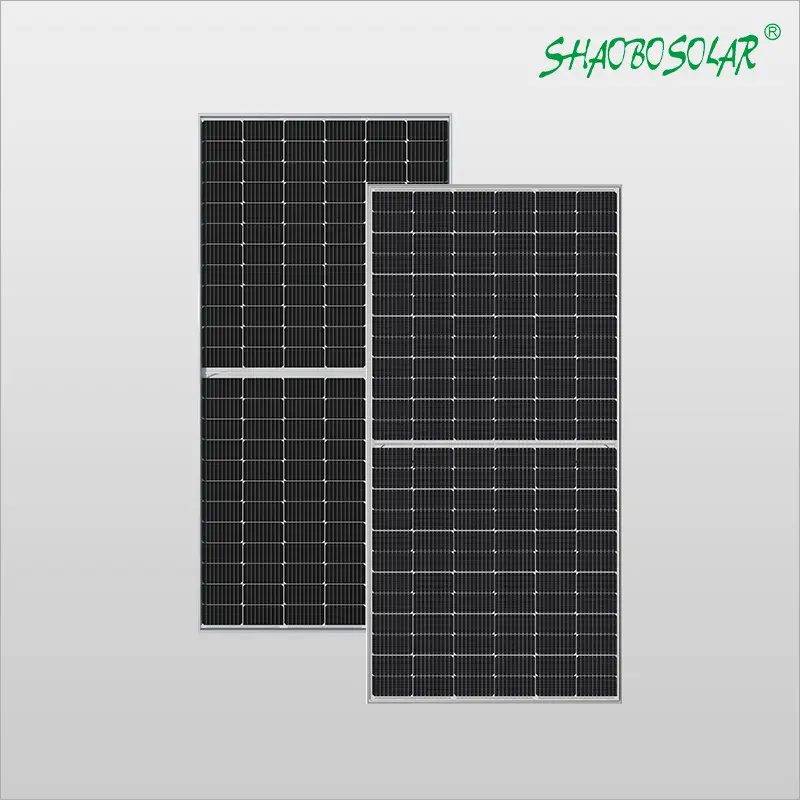
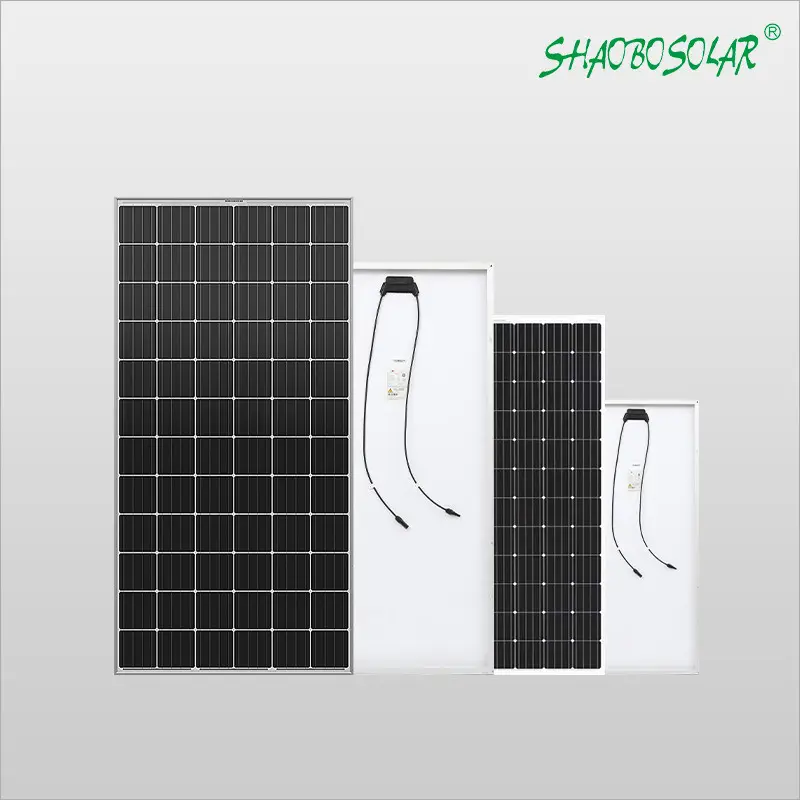
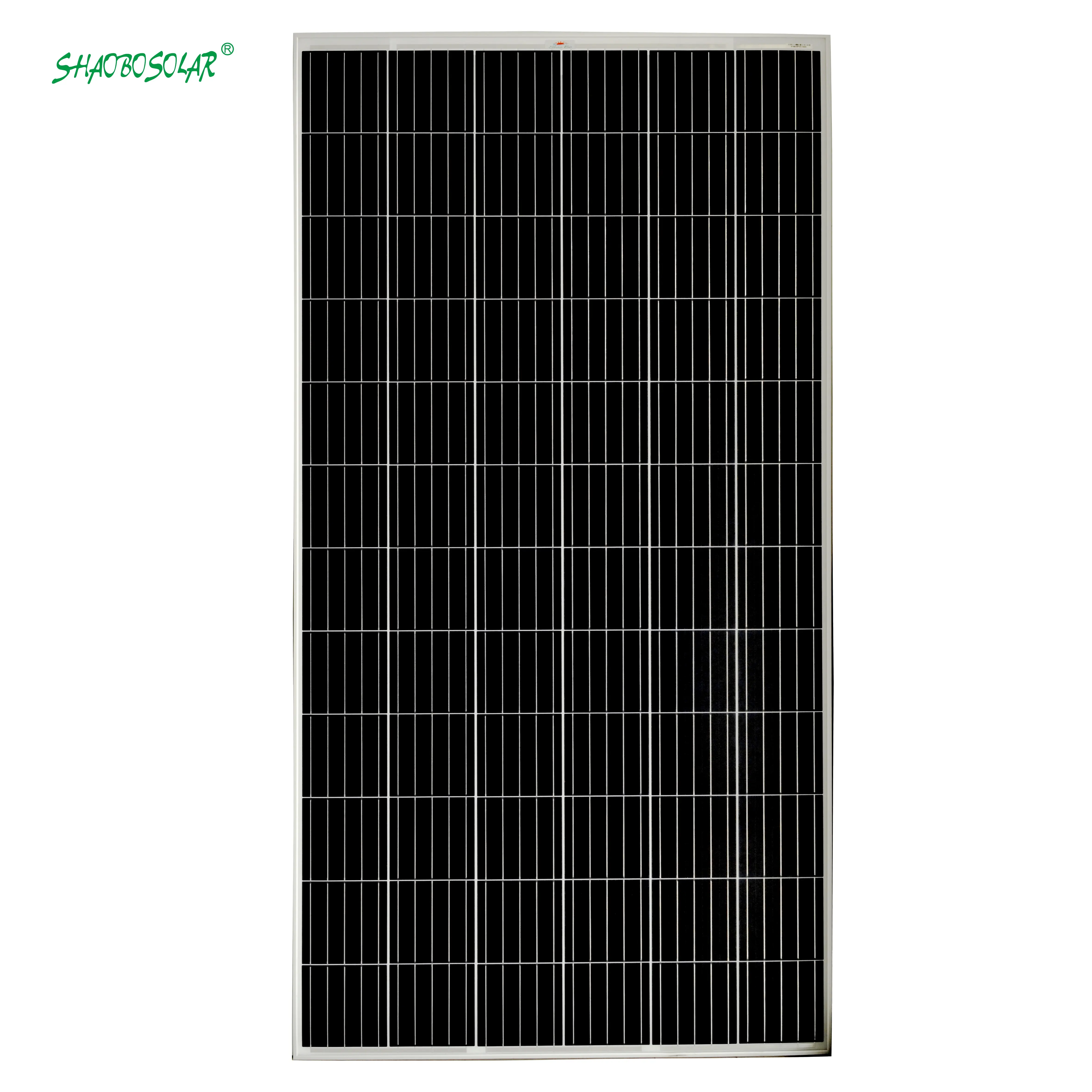
High-Efficiency monocrystalline solar panels for Qatar's Energy Transition

Engineering sustainable power solutions tailored for the extreme desert climates of Asia - Qatar, maximizing yield and durability.

High-Efficiency monocrystalline solar panels for Qatar's Energy Transition

Providing cutting-edge photovoltaic technology to help Qatari businesses and homeowners reduce carbon footprints while leveraging the region's abundant solar irradiance.

The Current Landscape of Photovoltaics in Qatar

Analyzing the synergy between high solar irradiation and the challenges of the Arabian Peninsula.

Qatar possesses one of the highest solar potentials globally, yet the deployment of solar panels faces unique environmental stressors. High ambient temperatures and frequent dust storms (shamals) can significantly degrade the efficiency of standard PV modules, necessitating advanced heat-tolerant materials.

The market is currently shifting toward large-scale utility projects and integrated house solar power system installations. The government's National Vision 2030 is driving a transition away from natural gas dependency, creating a surge in demand for industrial-grade solar components.

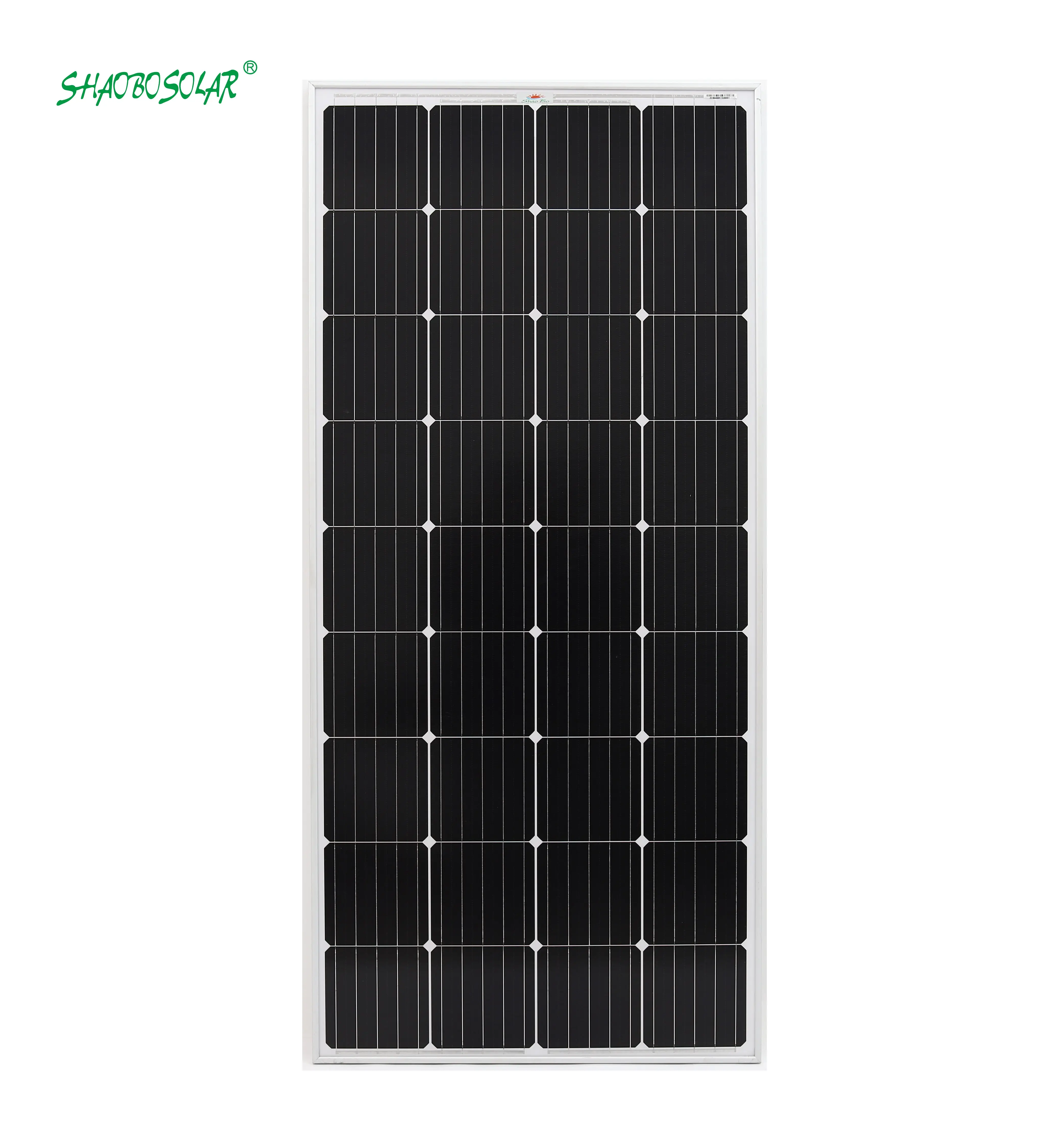
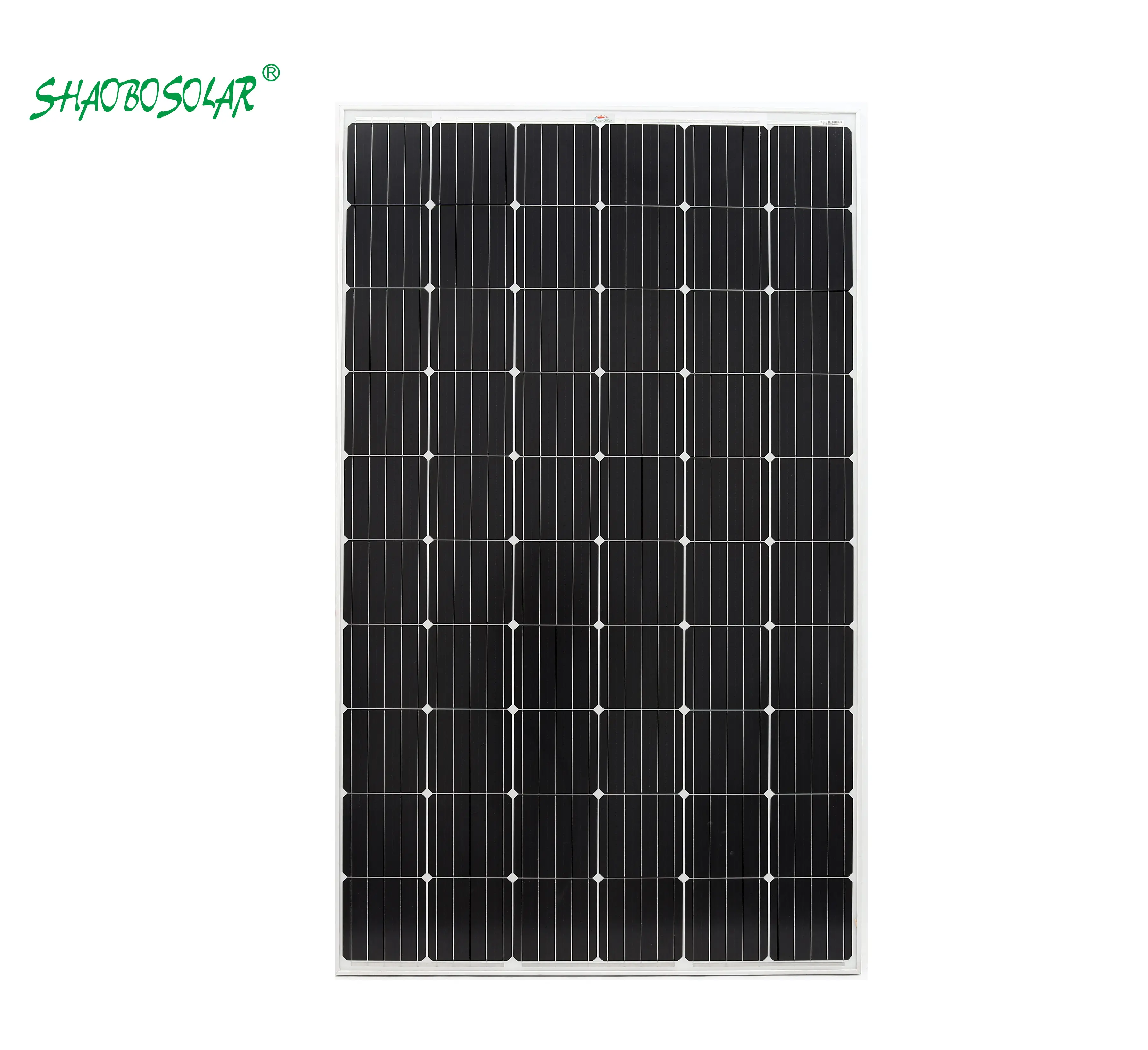
Currently, there is a technical preference for modules with low temperature coefficients. While polycrystalline solar panel options were common in the past due to cost, the market now demands higher energy density to optimize limited urban space in Doha.
Evolution and Trajectory of Solar Technology

From basic silicon cells to intelligent energy harvesting systems.

Market Development History

In the early 2010s, the Qatari market relied heavily on basic polycrystalline solar panel technology for remote lighting and small-scale pumps, where efficiency was secondary to initial investment costs.

Between 2015 and 2020, a significant pivot occurred. The introduction of PERC (Passivated Emitter and Rear Cell) technology allowed mono solar panel designs to outperform others in high-heat environments, leading to their widespread adoption in commercial rooftops.

From 2021 to the present, the focus has shifted toward "N-type" TOPCon and HJT cells, which minimize LID (Light Induced Degradation), ensuring that systems remain productive despite the harsh UV exposure in Asia - Qatar.

Future Development Trends

Bifacial Module Dominance

Expect a surge in bifacial modules that capture reflected light from the sandy desert floors, increasing total energy yield by up to 15%.

AI-Driven O&M

Integration of AI for predictive cleaning cycles to combat dust accumulation, ensuring optimal performance of solar panels without wasting water.

Hybrid Storage Integration

The move toward coupling PV with Long-Duration Energy Storage (LDES) to provide stable power during the nighttime peaks of Qatari summers.

Industry Trends and Future Outlook

Strategic forecasting for the next 3-5 years in the Qatari solar sector.

Ultra-High Efficiency Cells
Transitioning to Tandem Perovskite cells to break the Shockley-Queisser limit for maximum output in desert sun.
Anti-Soiling Coatings
Advanced hydrophobic and electrostatic coatings to reduce dust adhesion in the Qatar desert.
Smart Grid Integration
Seamless coupling of rooftop solar with Qatar's national grid for bidirectional energy trading.
BIPV Architecture
Building-Integrated Photovoltaics becoming standard in new Doha luxury developments.

Industry Outlook

Google search trends in the GCC region indicate a massive spike in queries related to "energy independence" and "sustainable cooling." This suggests that the next phase of growth will not just be about generating power, but about using solar panels to drive energy-efficient desalination and HVAC systems.

We forecast that within 5 years, the cost per watt in Qatar will drop further, making the house solar power system the primary choice for new villa constructions across the country.

Localized Application Scenarios in Qatar

Practical implementation of solar technology across various Qatari sectors.

01. Residential Villa Energy Autonomy

Implementing a complete house solar power system on residential rooftops in Doha to offset high air-conditioning costs during summer peaks.

02. Industrial Warehousing in Mesaieed

Deploying large-scale monocrystalline solar panels on expansive warehouse roofs to power industrial cooling and logistics operations.

03. Remote Desert Telecom Stations

Utilizing durable mono solar panel arrays with battery storage to provide uninterrupted power to remote communication hubs.

04. Agricultural Greenhouse Integration

Integrating semi-transparent PV glass into hydroponic farms to provide shade and generate electricity for irrigation pumps.

05. Public Infrastructure & Smart Cities

Installing solar-powered street lighting and EV charging stations in Lusail City using high-efficiency photovoltaic modules.

Brand Story

Global Development History of Hebei Shaobo Solar Technology Co., Ltd.

Founding Vision

Established with a mission to bridge the gap between high-end photovoltaic research and practical industrial application, focusing on durability in extreme climates.

Technological Breakthrough

Developed proprietary cell passivation techniques that reduced energy loss by 12%, setting a new standard for high-efficiency modules.

Global Market Expansion

Successfully entered the Middle Eastern market, optimizing products for the specific heat and humidity profiles of the GCC region.

Sustainable Innovation

Pioneered the use of recyclable materials in panel frames, ensuring the entire lifecycle of our products is environmentally friendly.

Future Commitment

Dedicated to powering the next generation of smart cities in Qatar through intelligent, integrated solar solutions.

Frequently Asked Questions in Qatar

Expert answers to the most common concerns regarding solar installation in the region.

Which is better for Qatar: monocrystalline solar panels or polycrystalline?

Monocrystalline is highly recommended for Qatar due to its superior efficiency and better performance in high temperatures compared to polycrystalline options.

How does dust affect a house solar power system in Doha?

Dust accumulation can create a "soiling" effect, reducing efficiency by 20-30%. Regular cleaning or anti-soiling coatings are essential for maintaining output.

Can a mono solar panel withstand the extreme summer heat of 50°C?

Yes, provided they have a low temperature coefficient. Our modules are engineered specifically to minimize power loss as temperatures rise.

What is the average lifespan of solar panels in the Middle East?

Most high-quality panels are rated for 25 years, though extreme UV exposure means choosing brands with high-grade EVA and backsheet materials is critical.

How much space is needed for a typical residential solar installation?

Depending on your energy needs, a typical villa may require 40-100 square meters of roof space to significantly offset electricity bills.

Are there incentives for installing solar power in Qatar?

Qatar's National Vision 2030 encourages sustainable energy. While subsidies vary, the long-term ROI through energy savings is the primary driver.

Ready to Power Your Future?

Our engineers are ready to design the perfect solar solution for your specific needs in Qatar.

Contact Us Now

If you are interested in our products, you can choose to leave your information here, and we will be in touch with you shortly.