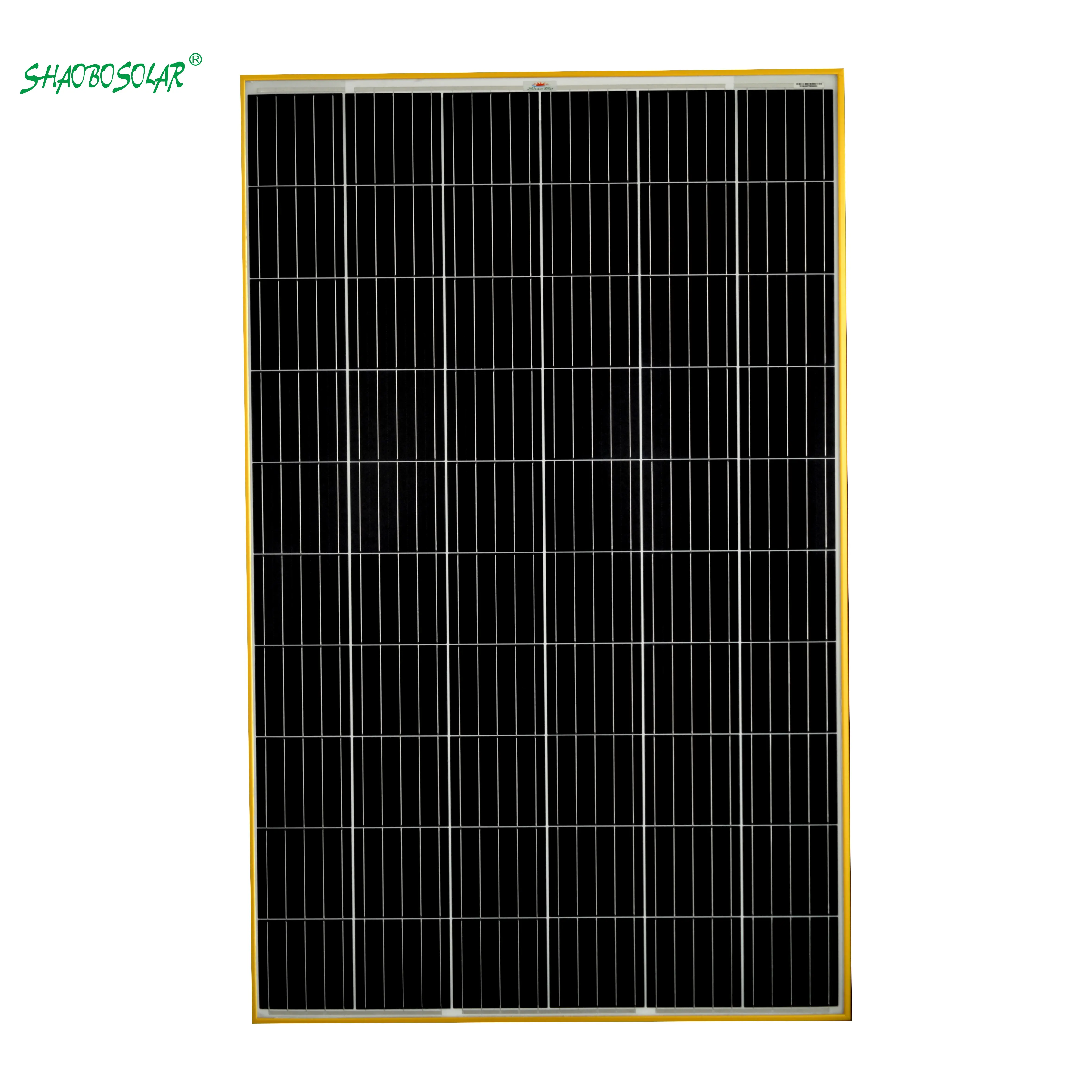
Advanced house solar power system Solutions for Iraq

Advanced house solar power system Solutions for Iraq

Advanced house solar power system Solutions for Iraq

Empowering Iraqi homes and businesses with high-efficiency energy autonomy through cutting-edge photovoltaic technology tailored for desert climates.

Advanced house solar power system Solutions for Iraq

Providing sustainable, high-performance energy infrastructure to overcome power instability in Iraq using premium grade solar components.

Energy Landscape in Iraq

Analyzing the demand for sustainable energy in the Middle East's challenging environments.

Iraq possesses some of the highest solar irradiance levels globally, yet faces significant challenges with grid stability and chronic power shortages. This has led to a massive surge in the adoption of solar panels as a reliable alternative to diesel generators, especially in residential and commercial sectors.

The extreme heat and frequent dust storms in Iraq demand specific hardware durability. Standard equipment often fails due to thermal degradation; therefore, the market is shifting towards high-temperature coefficient modules and robust mounting structures that can withstand sand erosion.

Economic shifts and government initiatives are now encouraging the transition from temporary power fixes to permanent mono solar panel installations, prioritizing long-term ROI and reduced operational costs for the Iraqi people.
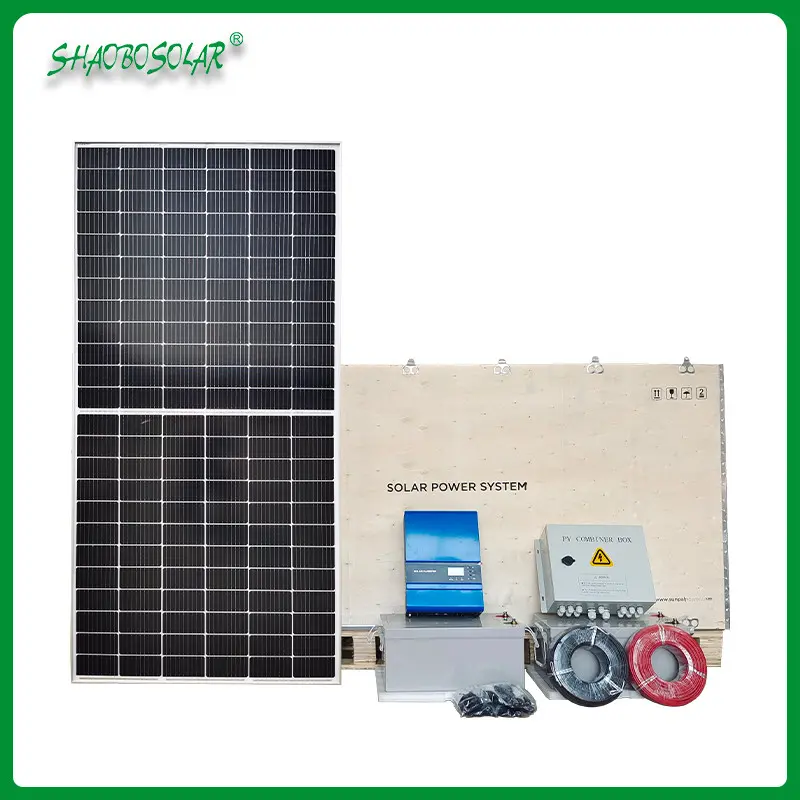
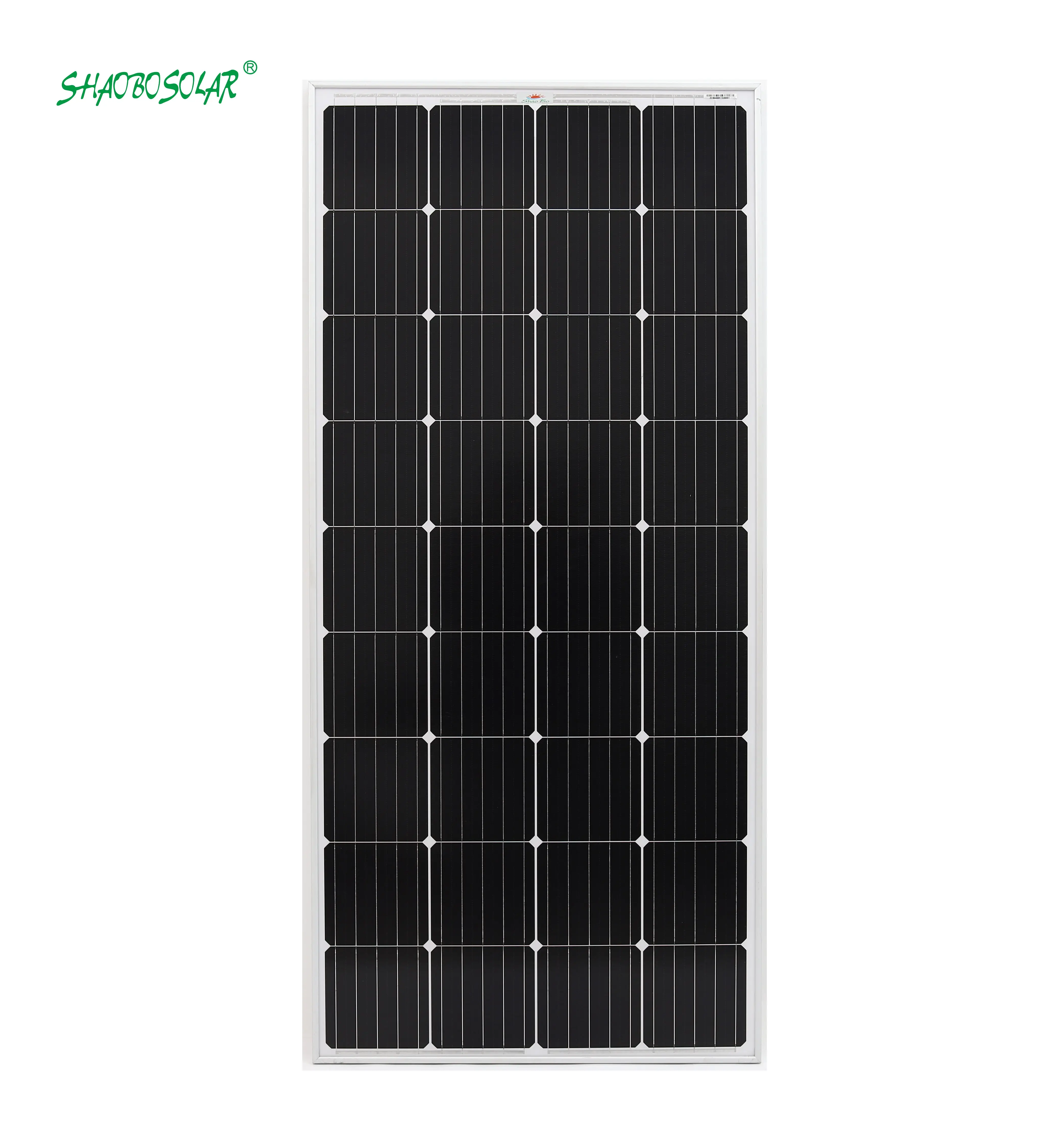
Evolution of Solar Technology in Iraq

From basic energy access to intelligent energy management systems.

Market Development History

In the early 2010s, the Iraqi market was dominated by basic polycrystalline solar panel options. These provided affordable entry-level power but struggled with efficiency losses during the peak summer heat of Basra and Baghdad.

Between 2015 and 2020, a technological pivot occurred as monocrystalline solar panels became more accessible. The higher purity of silicon allowed for better performance in limited spaces, making them ideal for urban rooftop installations.

From 2021 to the present, the trend has evolved into integrated energy ecosystems. The focus has shifted from merely installing panels to deploying smart hybrid inverters and high-capacity lithium storage to ensure 24/7 power availability.

Future Development Trends

Bifacial Module Adoption

Given the sandy terrain of Iraq, bifacial technology will dominate as it captures reflected light from the ground, increasing total energy yield by up to 25%.

N-Type TOPCon Transition

The industry is moving toward N-Type cells which offer lower degradation rates and better performance in high-temperature environments compared to traditional P-type cells.

AI-Driven Energy Optimization

Future systems will utilize AI to predict load demands and optimize battery discharge cycles, maximizing the lifespan of the house solar power system.

Future Trends & Strategic Outlook

Navigating the next frontier of photovoltaic innovation in Asia's energy markets.

High-Temperature Resilience
Developing cells with lower temperature coefficients to prevent efficiency drops during Iraq's 50°C summers.
Hybrid Storage Integration
Seamless blending of solar and battery storage to eliminate dependency on the unstable national grid.
Anti-Dust Coating Tech
Implementation of hydrophobic and anti-soiling coatings to reduce cleaning frequency in sandy regions.
Decentralized Microgrids
Scaling from single-house systems to community-level microgrids for rural Iraqi villages.

Industry Outlook

The trajectory of the solar industry in Iraq is moving towards "Energy Independence." As the cost of lithium-iron-phosphate (LiFePO4) batteries decreases, we expect a transition where the majority of households will completely detach from the centralized grid.

Based on Google search trends, there is a growing interest in "off-grid" and "hybrid" configurations. This suggests a market shift from simple power supplementation to full-scale energy autonomy, creating a massive opportunity for high-efficiency monocrystalline solar panels.

Localized Application Scenarios in Iraq

Real-world implementations of solar technology across different Iraqi environments.

1. Residential Urban Rooftops in Baghdad

Utilizing compact mono solar panel arrays to provide uninterrupted power for air conditioning and home appliances during peak summer outages.

2. Agricultural Water Pumping in Al-Anbar

Deploying large-scale solar arrays to power deep-well pumps, reducing the reliance on expensive and polluting diesel fuel for crop irrigation.

3. Commercial Cold Storage in Basra

Implementing high-capacity solar systems to maintain critical temperature controls for seafood and perishables, ensuring food security in extreme heat.

4. Rural Healthcare Clinics in Kurdistan Region

Establishing standalone house solar power system units to power vaccine refrigerators and essential medical lighting in remote areas.

5. Industrial Workshop Power in Mosul

Integrating hybrid solar systems to stabilize voltage for precision machinery, preventing equipment damage caused by grid surges and dips.

Brand Story

Global Development Journey of Hebei Shaobo Solar Technology Co., Ltd.

Foundation and Vision

Established with a mission to democratize clean energy, we focused on solving the efficiency gaps in traditional photovoltaic cells for harsh climates.

Technological Breakthrough

Invested heavily in R&D to master the production of high-purity monocrystalline silicon, significantly increasing energy conversion rates.

Global Market Expansion

Expanded our footprint into the Middle East and Asia, tailoring our product specifications to meet the rigorous demands of desert environments.

Quality Certification

Achieved international IEC and TUV certifications, ensuring our panels meet the highest global standards for safety and durability.

Sustainable Future

Now leading the way in integrated energy solutions, helping thousands of families in Iraq achieve true energy independence.

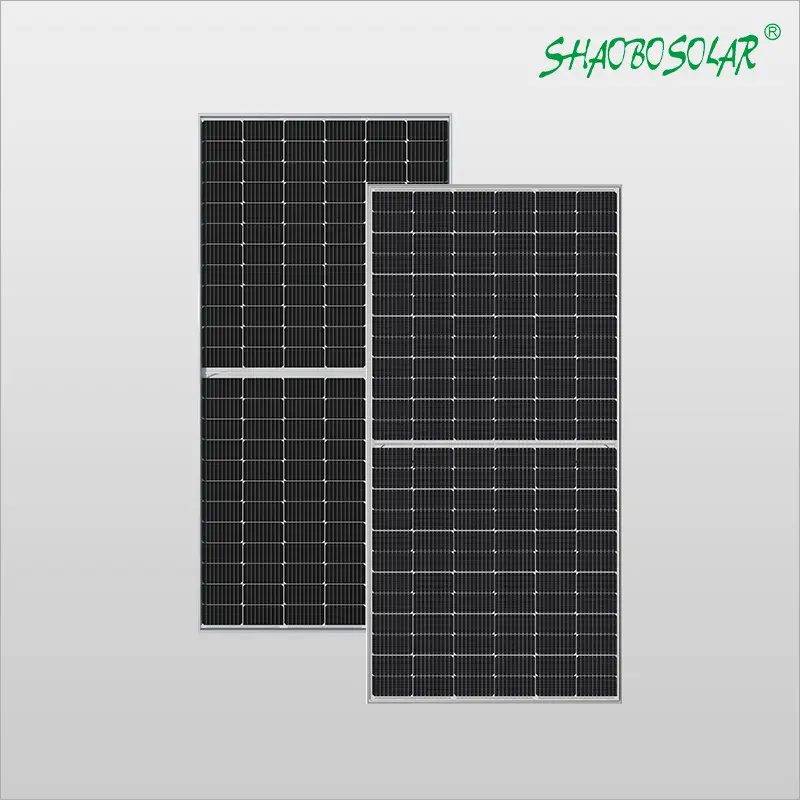
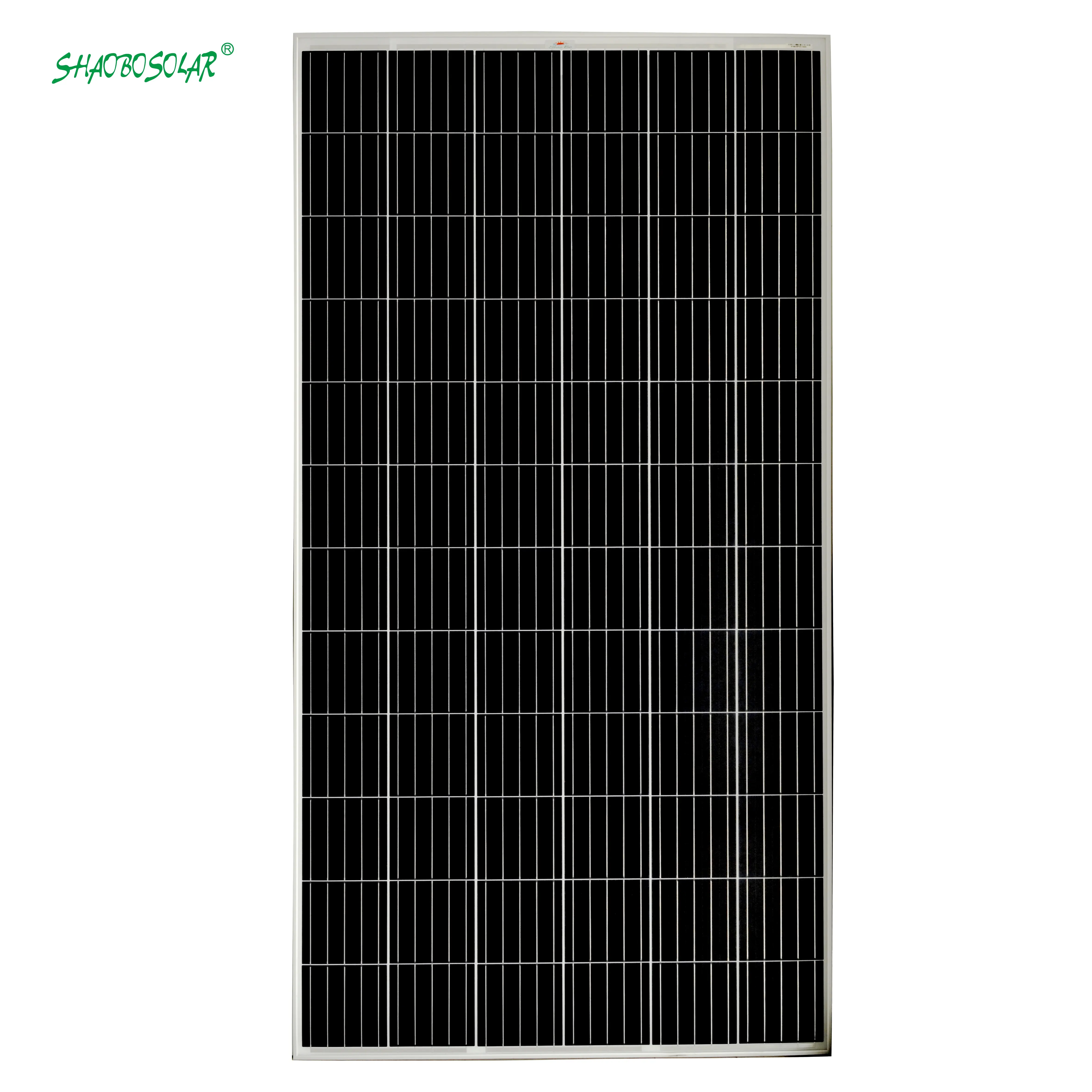
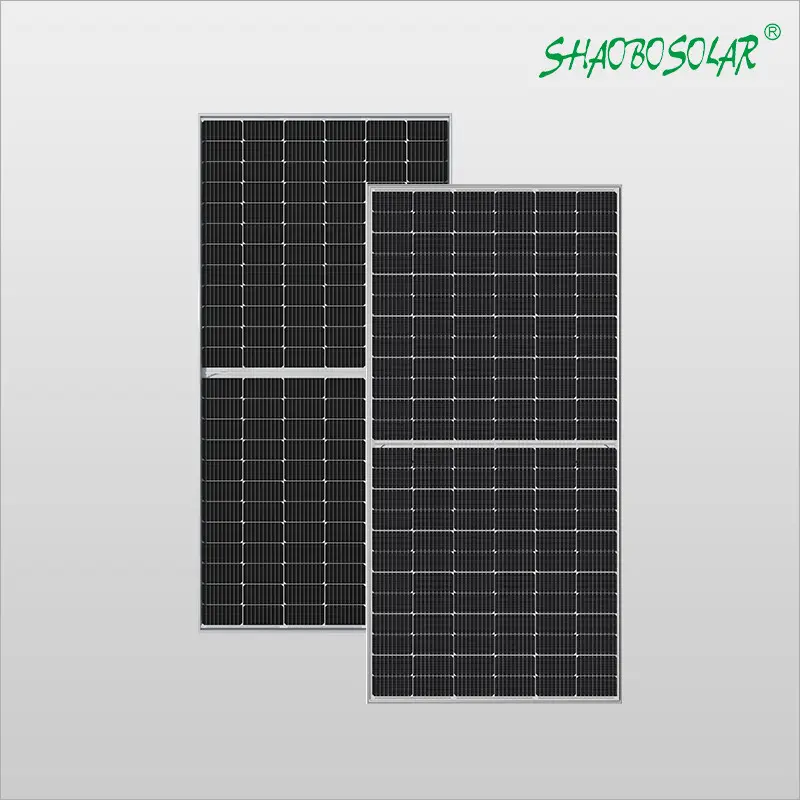
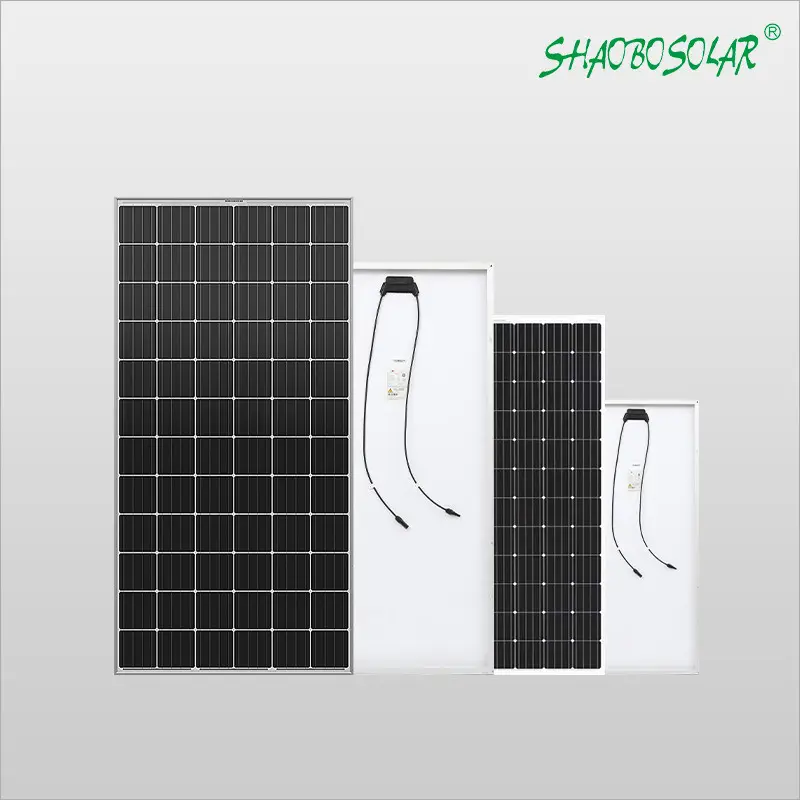
Complete Solar Portfolio for Iraq Market

A curated selection of high-efficiency components designed for the Iraqi climate.

Iraq Solar Energy FAQ

Expert answers to the most common questions regarding solar installation in Iraq.

Which is better for Iraq's heat, monocrystalline or polycrystalline solar panels?

monocrystalline solar panels are generally superior for Iraq because they have a better temperature coefficient, meaning they lose less efficiency as the temperature rises compared to polycrystalline options.

How does dust affect the efficiency of a house solar power system in Basra?

Dust accumulation can reduce energy output by 20-30%. We recommend weekly cleaning and the use of anti-soiling coatings to maintain optimal performance in sandy regions.

Can a mono solar panel system run a central air conditioner in Baghdad?

Yes, provided the system is sized correctly. A high-capacity mono solar panel array paired with a powerful hybrid inverter and battery bank can easily handle heavy cooling loads.

What is the average lifespan of solar panels installed in Iraq?

Most Tier-1 panels have a linear performance warranty of 25 years. With proper maintenance and high-quality mounting, they can operate effectively for over two decades in Iraq.

Do I need a battery bank for my solar system in Iraq?

Given the instability of the national grid, a battery bank is essential to store energy for nighttime use and to provide a buffer during unexpected grid failures.

How do I choose between a grid-tied and off-grid system?

Grid-tied systems are cheaper but fail during blackouts. Off-grid or hybrid systems are recommended for Iraq to ensure total energy security regardless of the grid's status.

Ready to Switch to Solar?

Contact our expert engineers today for a customized energy audit and installation plan for your property in Iraq.

Contact Us Now

If you are interested in our products, you can choose to leave your information here, and we will be in touch with you shortly.