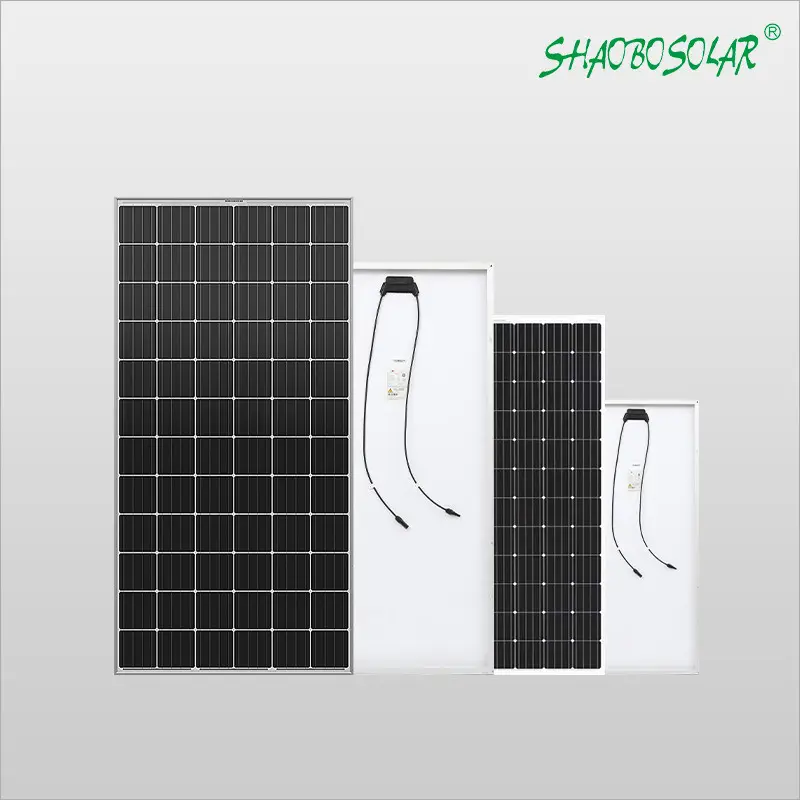
HighEfficiency monocrystalline solar panels for Philippines Energy Independence

HighEfficiency monocrystalline solar panels for Philippines Energy Independence

  • Home
  • Global Service
  • HighEfficiency monocrystalline solar panels for Philippines Energy Independence

High-Efficiency monocrystalline solar panels for Philippines Energy Independence

Empowering Filipino homes and businesses with sustainable, typhoon-resilient photovoltaic technology designed for tropical climates.

High-Efficiency monocrystalline solar panels for Philippines Energy Independence

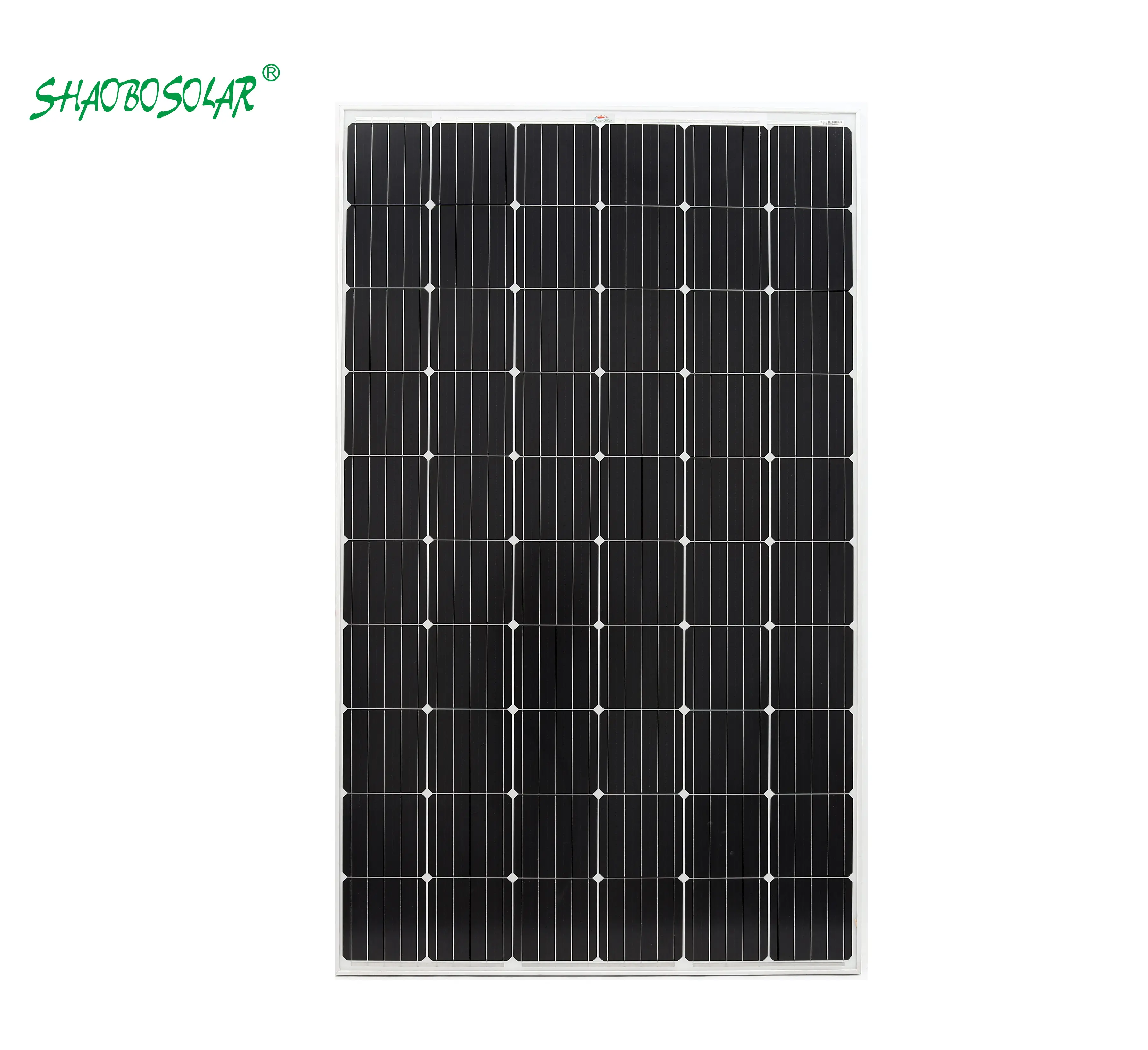
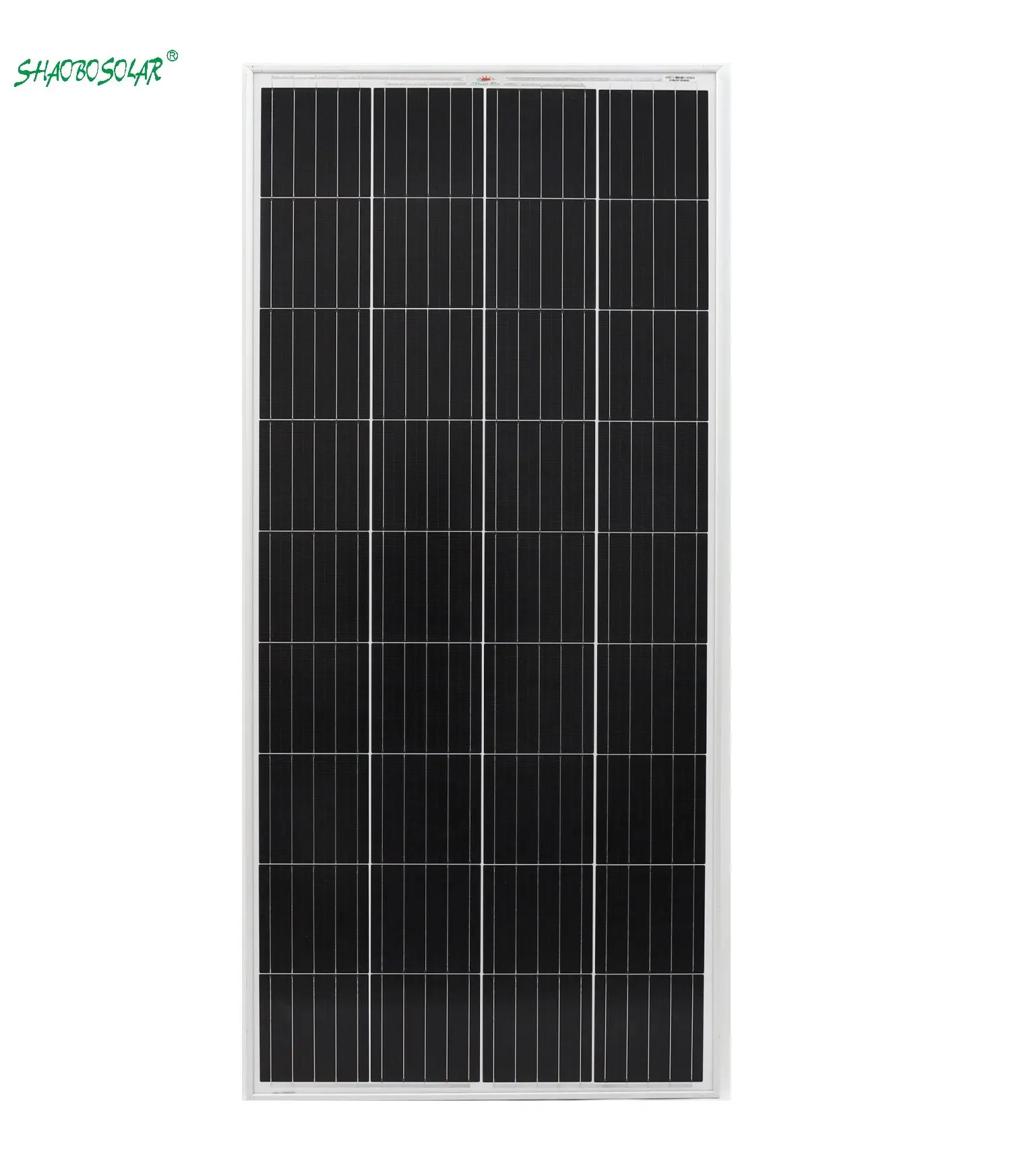
Our advanced photovoltaic solutions are engineered to maximize energy harvest in the Philippines, providing a reliable alternative to volatile grid power through high-density cell technology.

The Current State of Solar Energy in the Philippines

Analyzing the adoption of photovoltaic systems across the archipelago.

The Philippines faces unique energy challenges due to its archipelagic geography and high electricity costs. Currently, there is a massive surge in the installation of solar panels to combat frequent brownouts and reduce dependency on imported fossil fuels, especially in off-grid rural areas.

Environmental factors such as extreme humidity and high salinity in coastal regions require specialized equipment. This has led to a market shift toward high-grade mono solar panel options that offer better heat tolerance and durability against tropical corrosion compared to entry-level systems.

Government initiatives and net-metering policies have further accelerated the deployment of the house solar power system, allowing residential users to sell excess energy back to the grid, turning homes into micro-power plants across Luzon, Visayas, and Mindanao.
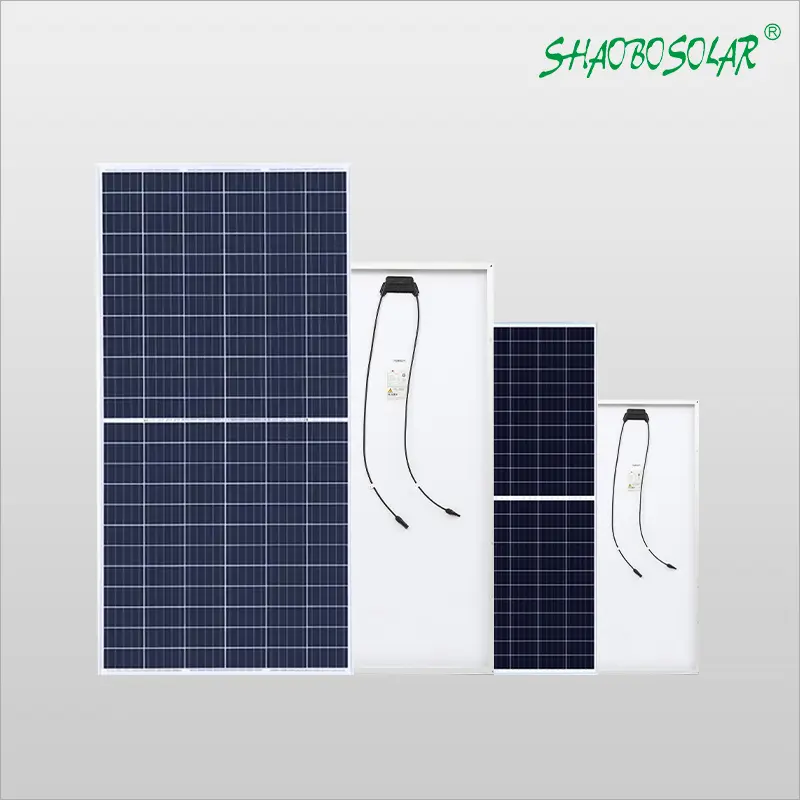
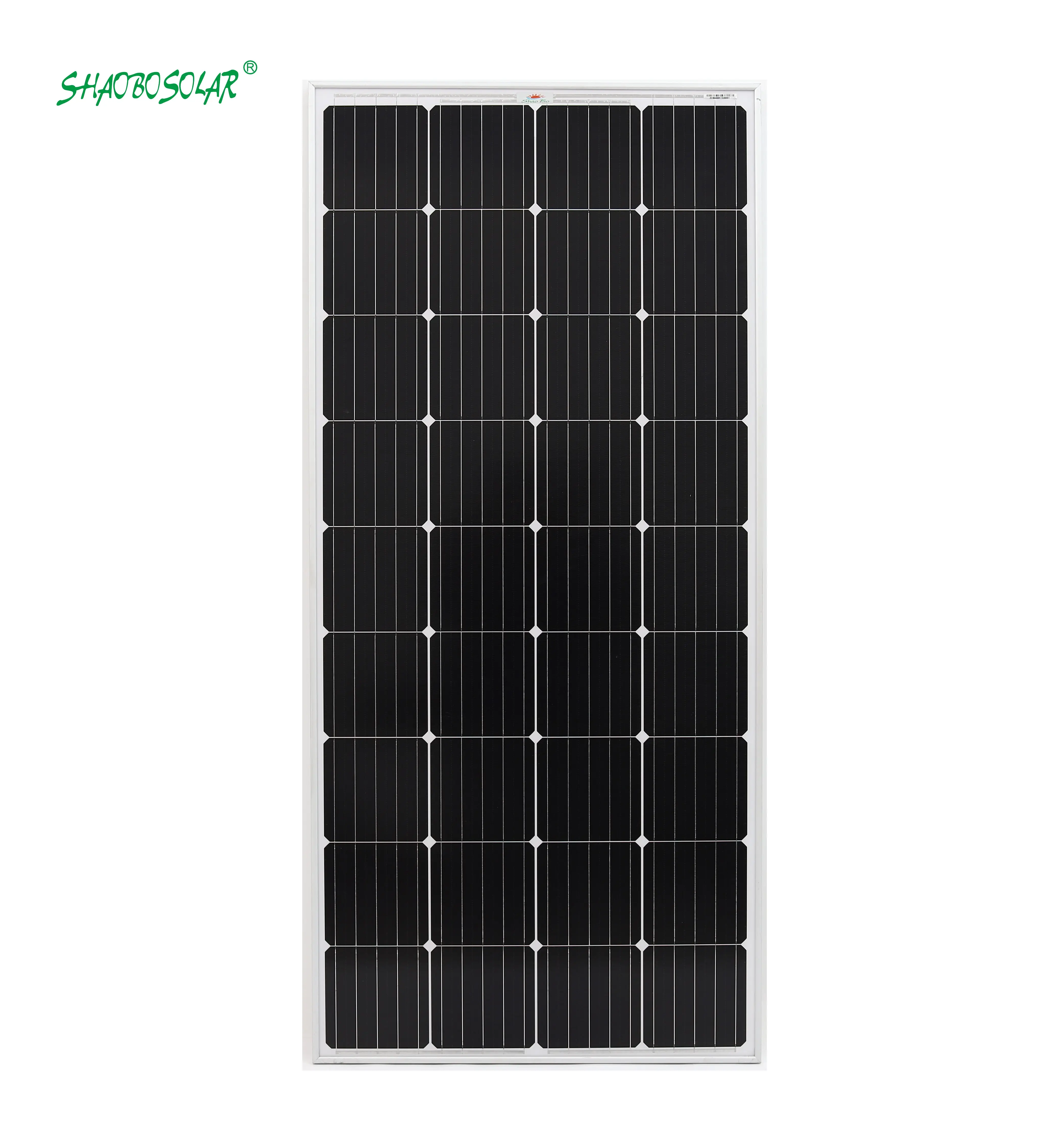
Evolution and Trajectory of PV Technology

From basic energy capture to intelligent energy management.

Market Development History

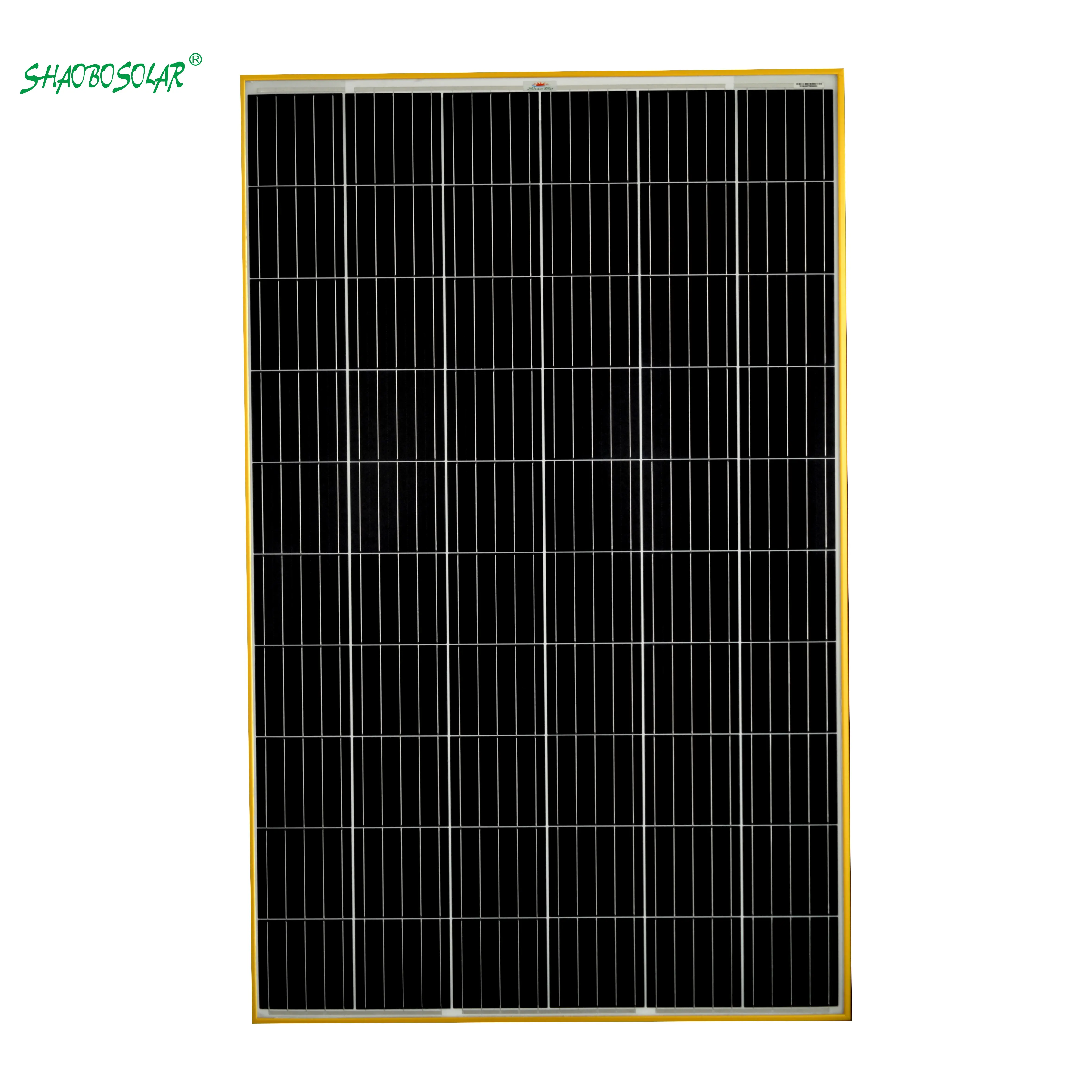
In the early 2010s, the Philippine market was dominated by polycrystalline solar panel technology. These were cost-effective but required larger installation areas due to lower efficiency, making them suitable for large industrial warehouses but less ideal for tight urban residential spaces.

By 2017, the industry saw a pivotal transition toward PERC (Passivated Emitter and Rear Cell) technology. This iteration significantly boosted the conversion rates of monocrystalline cells, allowing for higher wattage in smaller form factors, which aligned with the growing demand for urban residential solar.

From 2021 to the present, the focus has shifted toward N-type TOPCon and HJT technologies. These modern iterations minimize LID (Light Induced Degradation), ensuring that systems maintain high performance even under the intense equatorial sun of the Philippines.

Future Development Trends

Integration of AI Energy Management

Predictive analytics will soon allow systems to adjust energy storage based on upcoming typhoon weather patterns, optimizing battery reserves for critical loads.

Bifacial Module Dominance

The adoption of double-sided energy capture will increase yields by 10-20% in sandy or reflective coastal environments common in the Philippine islands.

High-Density Storage Synergy

The transition from simple lead-acid to LiFePO4 batteries will make the home energy ecosystem more compact and long-lasting, reducing maintenance cycles.

Industry Trends and Future Outlook

Strategic directions for the next 3-5 years in solar manufacturing.

N-Type Cell Transition
Shift toward N-type TOPCon technology to reduce degradation and increase efficiency in high-temperature zones.
Smart Grid Integration
Development of VPPs (Virtual Power Plants) allowing Filipino communities to share solar energy locally.
Climate-Hardened Mounting
Engineering mounting systems specifically for Category 5 typhoon winds to ensure physical asset safety.
BIPV Adoption
Integrating solar cells directly into building materials (roofing/glass) for urban Manila high-rises.

Industry Outlook

Based on Google search trends in Southeast Asia, there is a growing query volume for "hybrid solar systems" and "off-grid batteries" in the Philippines. This indicates a shift from simple cost-saving to energy security and resilience.

We expect the market to move toward a "Solar-First" architecture where the utility grid becomes a secondary backup, driven by falling LCOE (Levelized Cost of Energy) and increasing efficiency of monocrystalline technology.

Local Application Scenarios in the Philippines

Tailored solar solutions for diverse Philippine environments.

01. Residential Urban Rooftops (Metro Manila)

Utilizing high-efficiency monocrystalline cells to maximize power generation in limited roof spaces, significantly reducing monthly Meralco bills for urban households.

02. Off-Grid Island Electrification (Palawan/Siquijor)

Deploying robust solar arrays combined with battery storage to provide 24/7 electricity to remote coastal communities without grid access.

03. Agricultural Solar Pumping (Central Luzon)

Replacing diesel pumps with solar-powered irrigation systems to lower operational costs for rice and corn farmers during the dry season.

04. Commercial Cold Storage (Cebu/Davao)

Implementing large-scale PV systems to power refrigeration units, reducing the high energy overhead associated with food preservation in tropical heat.

05. Disaster Relief Mobile Power (Typhoon Zones)

Deploying portable, foldable solar kits for rapid emergency power restoration in areas hit by natural disasters, ensuring communication lines remain open.

Brand Story

Global Development History of Hebei Shaobo Photovoltaic Technology Co., Ltd.

Foundational Excellence

Established with a focus on core cell efficiency, we began by solving the stability issues of early silicon wafers to ensure long-term durability.

Technological Breakthrough

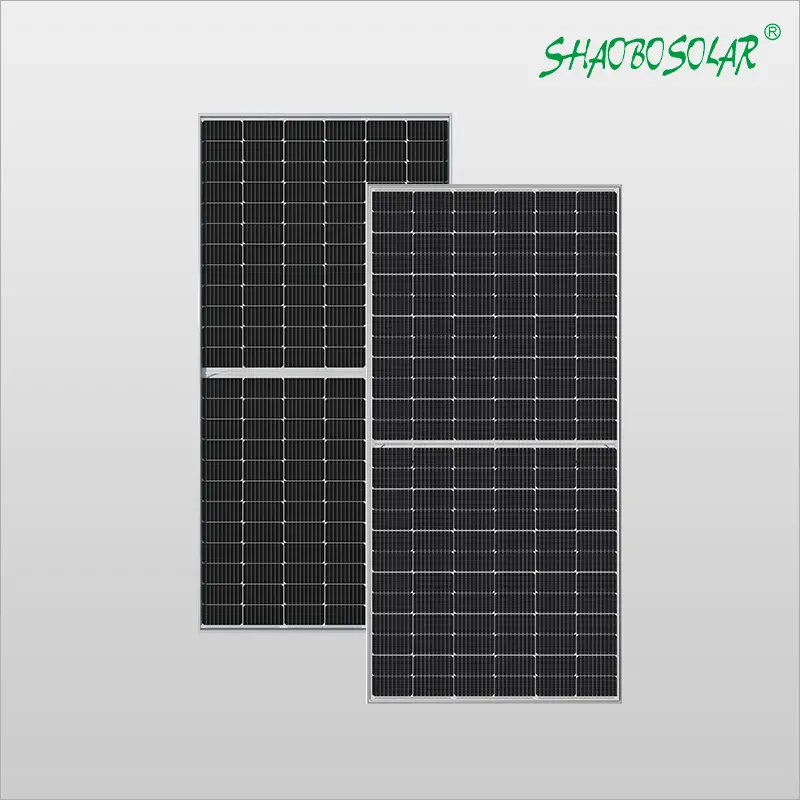
Pioneered the integration of advanced PERC and Half-Cut cell technologies, drastically reducing power loss and increasing heat tolerance.

Global Market Expansion

Extended our reach to Southeast Asia, specifically tailoring products for tropical climates with enhanced anti-corrosion coatings.

Sustainable Ecosystems

Shifted from selling components to providing integrated energy solutions, focusing on the synergy between panels and smart storage.

Future-Ready Innovation

Currently investing in N-Type TOPCon research to lead the next generation of high-efficiency, low-carbon energy manufacturing.

Complete Solar Product Portfolio for the Philippines

From residential kits to industrial-grade modules, engineered for the tropical Pacific.

Frequently Asked Questions for Philippines Solar Users

Expert answers to common technical and installation queries.

Which is better for Manila weather, monocrystalline or polycrystalline solar panels?

Monocrystalline panels are generally superior for the Philippines due to their higher efficiency and better performance in higher temperatures, allowing for more energy production in smaller roof areas.

Can a house solar power system withstand strong typhoons?

Yes, provided that the mounting structures are engineered for high wind loads and the panels are securely fastened according to local building codes for typhoon-prone regions.

How do mono solar panel systems handle the high humidity of the islands?

Our panels use high-quality EVA encapsulation and tempered glass to prevent moisture ingress, ensuring that the internal cells remain protected from humidity and salt mist.

What is the average ROI for installing solar panels in the Philippines?

Depending on energy consumption and net-metering benefits, most residential systems in the Philippines achieve a return on investment within 4 to 6 years.

Do I need a battery for my house solar power system?

While grid-tied systems don't require batteries, we strongly recommend hybrid systems with storage for Filipino users to ensure power during frequent grid outages.

Are polycrystalline solar panel options still viable for large farms?

Yes, for large-scale agricultural projects where space is abundant, polycrystalline options remain a cost-effective way to achieve significant energy capacity.

Ready to Transition to Solar?

Our engineers are ready to design the perfect energy solution for your specific needs in Philippines.

Contact Us Now

If you are interested in our products, you can choose to leave your information here, and we will be in touch with you shortly.