
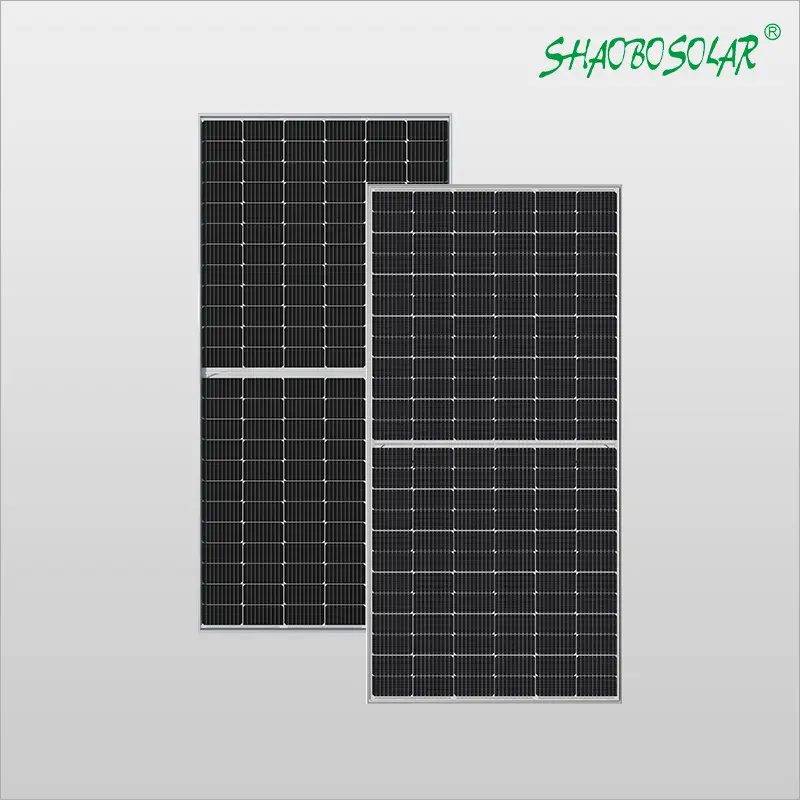
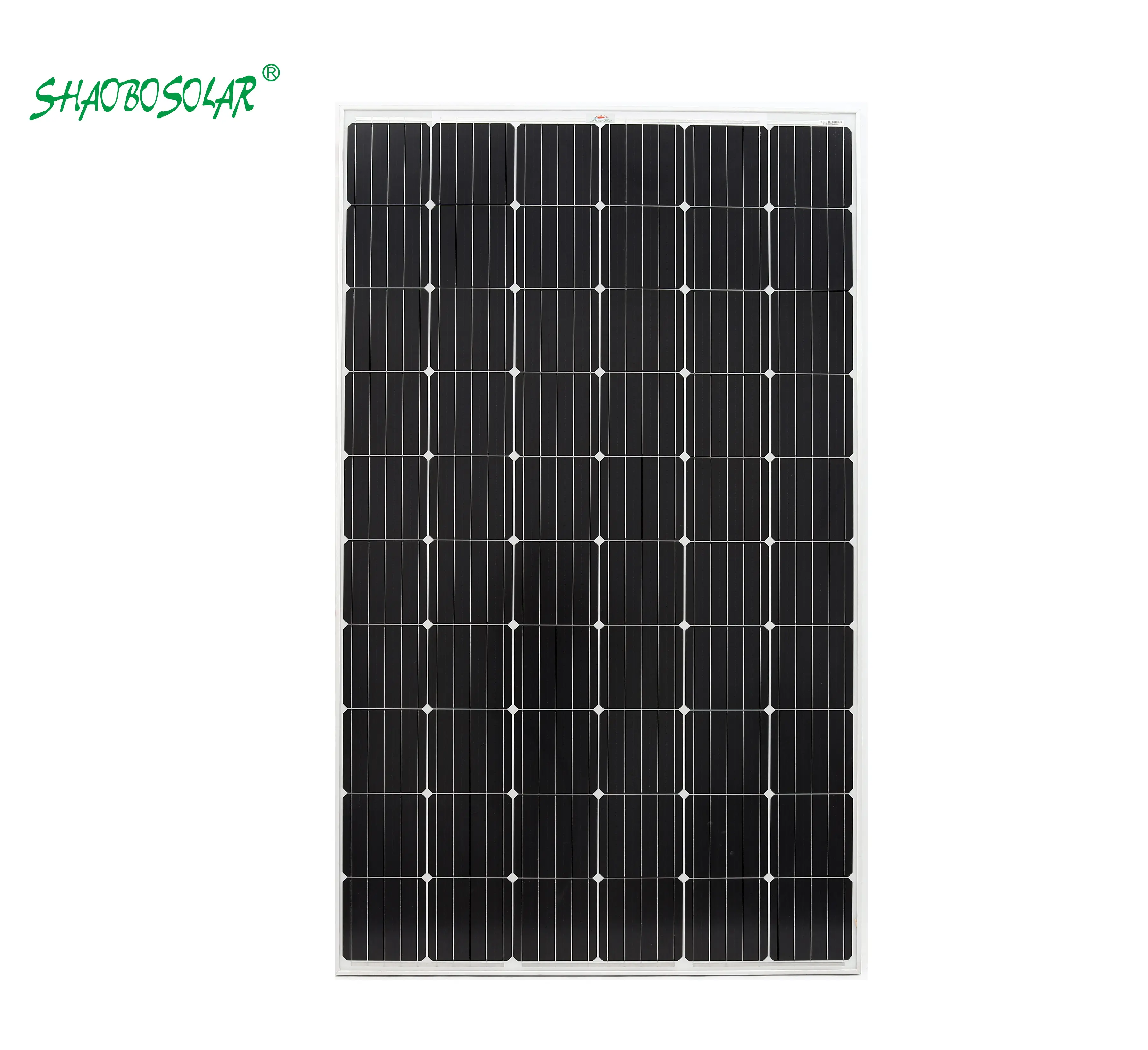
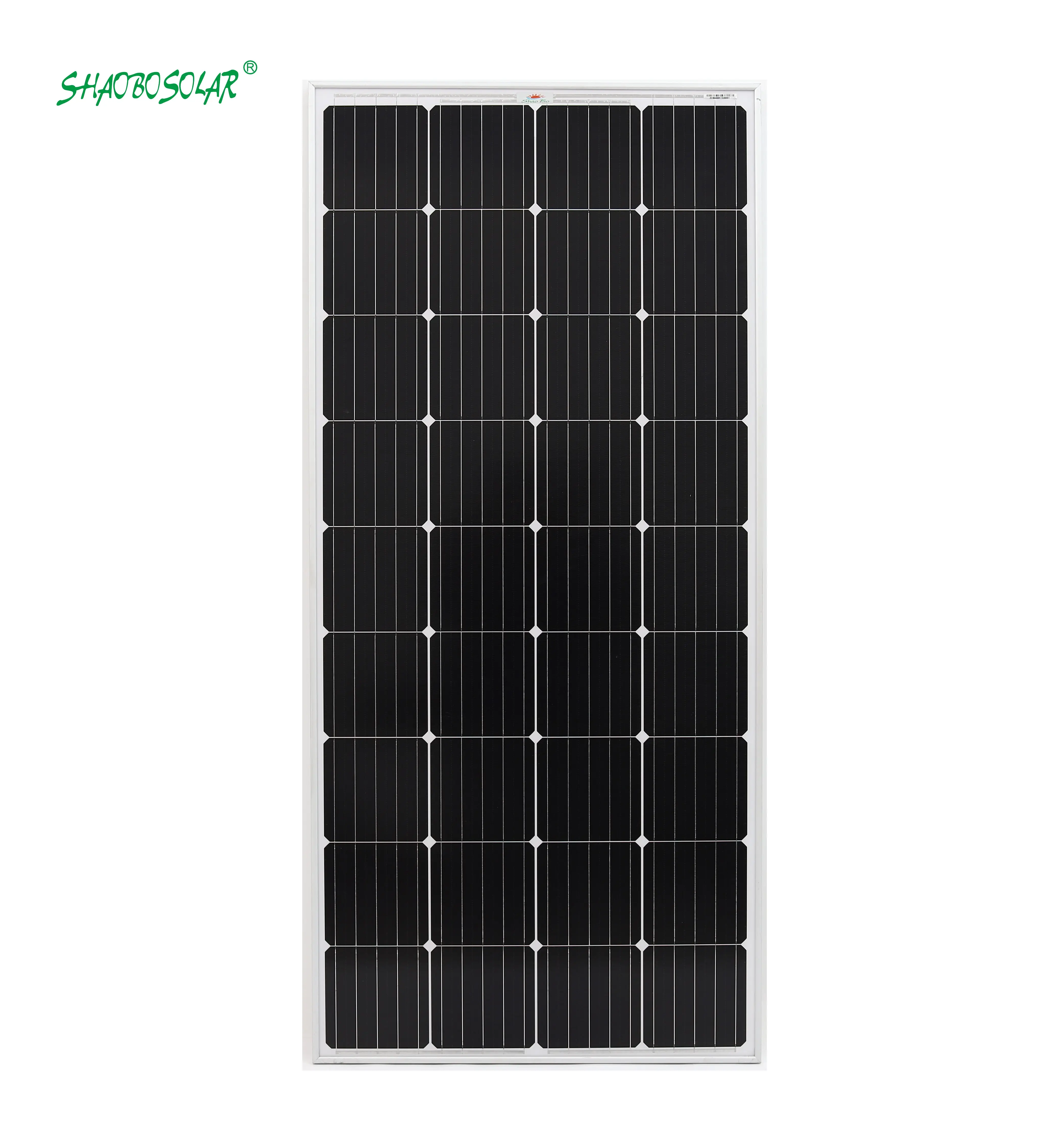
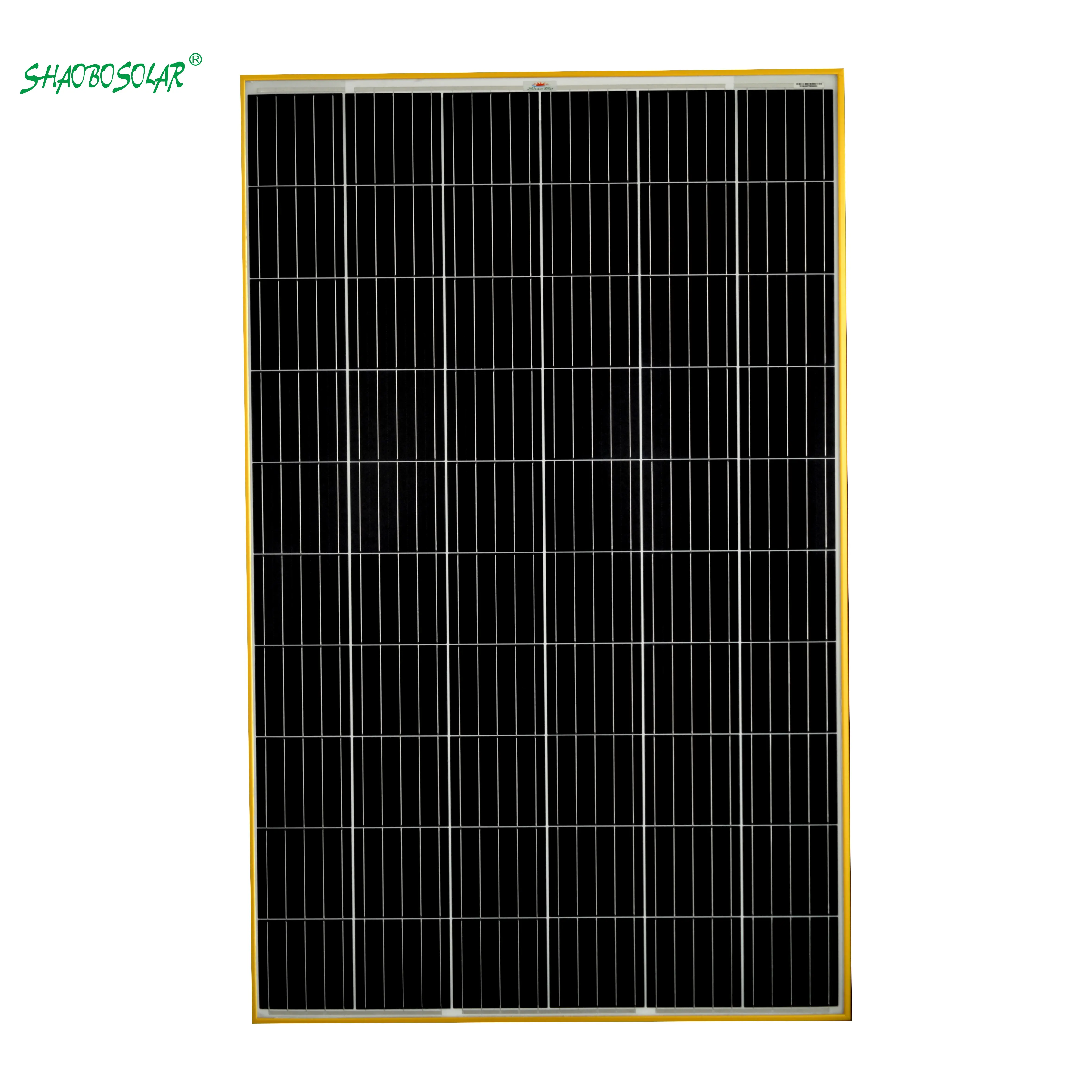
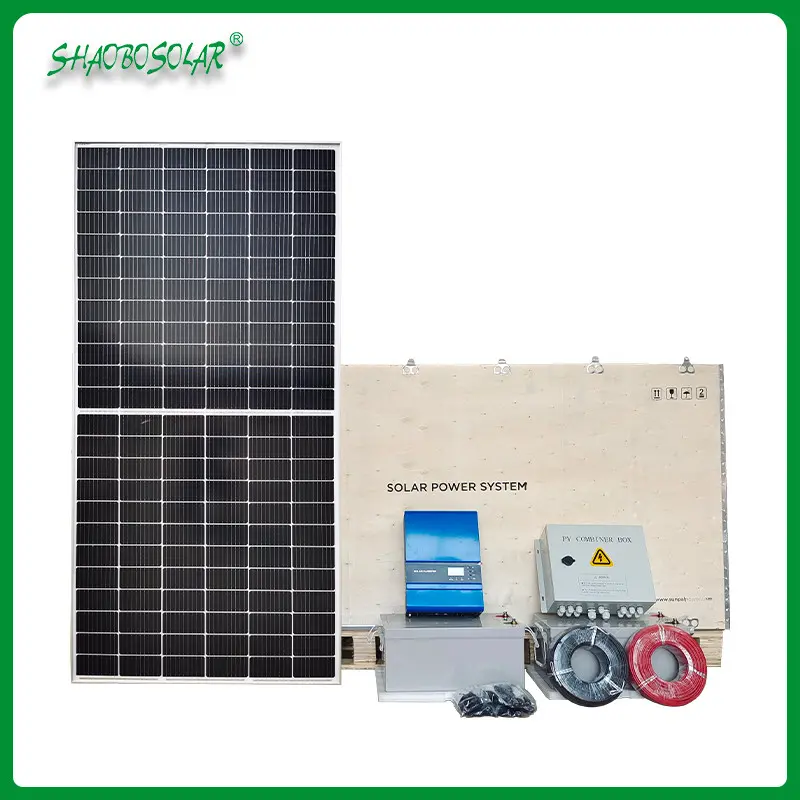
HighEfficiency monocrystalline solar panels for Singapore Urban Energy

HighEfficiency monocrystalline solar panels for Singapore Urban Energy

High-Efficiency monocrystalline solar panels for Singapore Urban Energy

Advanced photovoltaic solutions engineered for high-humidity tropical climates, maximizing energy yield for Singapore's residential and commercial sectors.

High-Efficiency monocrystalline solar panels for Singapore Urban Energy

Deploying state-of-the-art solar panels to transform Singapore's limited rooftop space into powerful green energy hubs with maximum conversion rates.

The Landscape of Solar Adoption in Singapore

Analyzing the intersection of tropical climate and urban density in PV deployment.

Singapore's unique geographic position near the equator provides abundant solar irradiance, yet the high humidity and frequent cloud cover present specific challenges for solar panels. The market is heavily driven by the Green Plan 2030, pushing for massive integration of photovoltaics across HDB rooftops and industrial parks.

Due to extreme land scarcity, the efficiency per square meter is the primary KPI for local installers. This has led to a dominant preference for mono solar panel technology over older alternatives, as they provide higher wattage in constrained footprints.

Economic incentives and the push for "SolarNova" programs have shifted the focus toward high-reliability systems that can withstand the saline environment of a coastal city-state, ensuring long-term durability for every house solar power system.
Evolution and Trajectory of PV Technology

From basic silicon wafers to high-performance N-type cells.

Market Development History

In the early 2010s, the Singapore market was primarily characterized by polycrystalline solar panel installations. These were cost-effective but required larger areas, which became a bottleneck as urban density increased.

Between 2015 and 2020, a significant transition occurred toward PERC (Passivated Emitter and Rear Cell) technology. This era saw the rise of the mono solar panel as the standard for residential projects due to improved efficiency in low-light conditions.

From 2021 to the present, the focus has shifted toward N-type TOPCon and HJT technologies, significantly reducing degradation rates in Singapore's high-temperature environment and increasing the total energy harvest.

Future Development Trends

BIPV Integration

Building-Integrated Photovoltaics will move from niche to mainstream, replacing traditional facade materials with active energy-generating glass.

Smart Grid Synergy

The integration of AI-driven energy management systems will optimize the output of every house solar power system through real-time cloud tracking.

Perovskite Tandem Cells

We anticipate a shift toward tandem cells that combine silicon and perovskite to break the 30% efficiency barrier within the next 5 years.

Future Outlook for Solar Manufacturing

Predicting the next wave of photovoltaic innovation for the Asia-Pacific region.

N-Type TOPCon Dominance
Transitioning from P-type to N-type cells to minimize LID (Light Induced Degradation) in tropical heat.
Energy Storage Pairing
Integration of LiFePO4 batteries to ensure stability for residential energy independence.
Bifacial Gain Optimization
Using double-sided cells to capture reflected light from urban white concrete roofs.
Circular Economy Recovery
Implementing advanced recycling for silicon and silver to reduce the ecological footprint.

Industry Outlook

Based on Google search trends for "sustainable urban living" and "energy autonomy" in the Southeast Asia region, the demand for high-density energy solutions is accelerating. We expect the adoption of monocrystalline solar panels to grow by 25% annually in Singapore.

The shift is not just about generation, but intelligence. The future lies in the convergence of IoT and PV manufacturing, where panels are equipped with self-diagnostic sensors to alert operators of dust accumulation or cell failure instantly.

Localized Application Scenarios in Singapore

Tailoring solar technology to the unique architecture of the Lion City.

01. HDB Rooftop Integration

Utilizing high-efficiency solar panels to maximize the limited rooftop area of Housing & Development Board blocks, providing communal energy savings.

02. Landed Property Energy Independence

Designing a comprehensive house solar power system for bungalows in districts like Bukit Timah, integrating EV charging stations and battery storage.

03. Industrial Warehouse Scaling

Installing large-scale arrays of mono solar panel systems on Jurong Industrial Estate factories to offset heavy operational energy costs.

04. Vertical Greenery & BIPV

Implementing transparent solar glass in commercial skyscrapers to generate energy from vertical facades without compromising aesthetic design.

05. Floating Solar Farms

Deploying water-resistant PV modules on reservoirs to solve land scarcity while reducing water evaporation through shading.

Brand Story

Global Development Journey of Hebei Shaobo Photovoltaic Technology Co., Ltd.

Foundational Innovation

Started with a commitment to solve the efficiency gap in silicon wafer manufacturing, focusing on pure monocrystalline purity.

Quality Standard Expansion

Achieved international certifications to ensure our modules withstand the harshest tropical and coastal climates.

Global Market Entry

Expanded operations into the Asia-Pacific region, establishing strategic partnerships for urban energy transformation.

Technology Pivot

Invested heavily in N-type TOPCon research to lead the market in low-light energy conversion efficiency.

Sustainable Future

Now dedicated to providing carbon-neutral energy solutions that empower cities like Singapore to reach Net Zero.

Singapore Solar Installation FAQ

Everything you need to know about switching to solar energy in the city-state.

Which is better for Singapore homes: monocrystalline or polycrystalline solar panels?

Monocrystalline panels are highly recommended for Singapore due to their higher efficiency and better performance in limited space and lower light conditions compared to polycrystalline options.

How does high humidity affect a house solar power system in Singapore?

Humidity can cause PID (Potential Induced Degradation). We use specialized encapsulation and anti-PID modules to ensure longevity in tropical climates.

What is the average payback period for a mono solar panel installation?

Depending on energy consumption and available government grants, most Singaporean residential systems see a ROI within 5 to 8 years.

Do solar panels work during Singapore's rainy season?

Yes, although production drops during heavy rain, modern panels can still generate power from diffused sunlight through clouds.

How often should I clean my solar panels in an urban environment?

Due to urban dust and pollution, we recommend a professional cleaning every 6 months to maintain peak efficiency.

Are there specific regulations for installing solar on HDB rooftops?

Yes, HDB installations must comply with BCA and EMA regulations. Most are managed through the SolarNova program or authorized contractors.

Ready to Power Your Future?

Contact our expert engineers today for a customized energy audit and PV design tailored for Singapore.

Contact Us Now

If you are interested in our products, you can choose to leave your information here, and we will be in touch with you shortly.