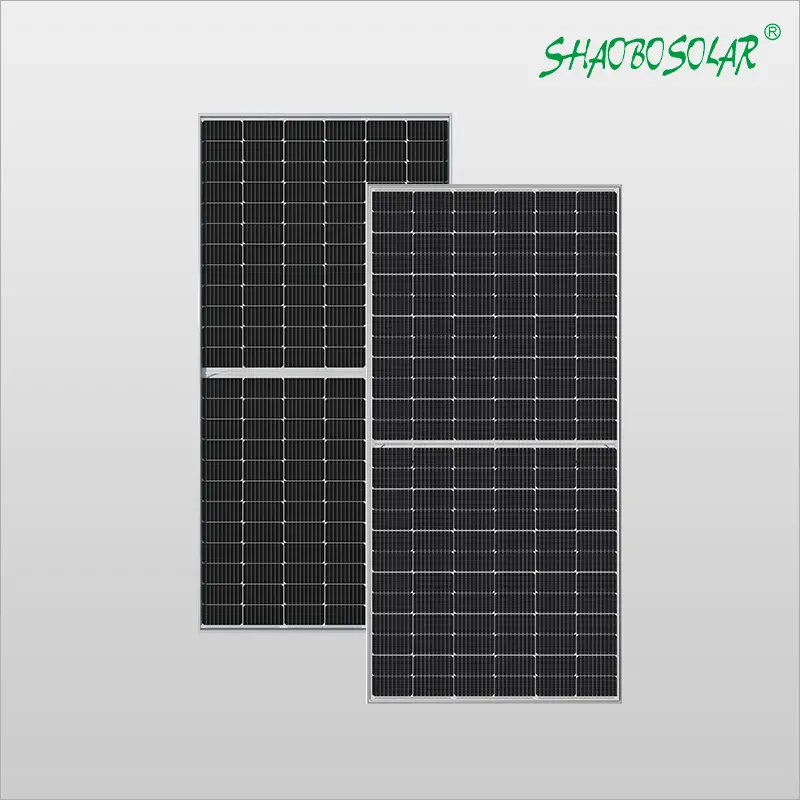
HighEfficiency house solar power system Solutions for Myanmar

HighEfficiency house solar power system Solutions for Myanmar

High-Efficiency house solar power system Solutions for Myanmar

Empowering Myanmar's residential and industrial sectors with cutting-edge photovoltaic technology to overcome energy instability.

High-Efficiency house solar power system Solutions for Myanmar

Providing sustainable and reliable energy independence through advanced solar technology tailored for the Myanmar climate.

Energy Landscape and Solar Adoption in Myanmar

Analyzing the transition toward renewable energy in Southeast Asia's emerging market.

Myanmar faces significant challenges with grid stability and frequent power outages, making the adoption of solar panels a necessity rather than a luxury. With high solar irradiance across the central plains and coastal regions, the geographical advantage is immense for photovoltaic generation.

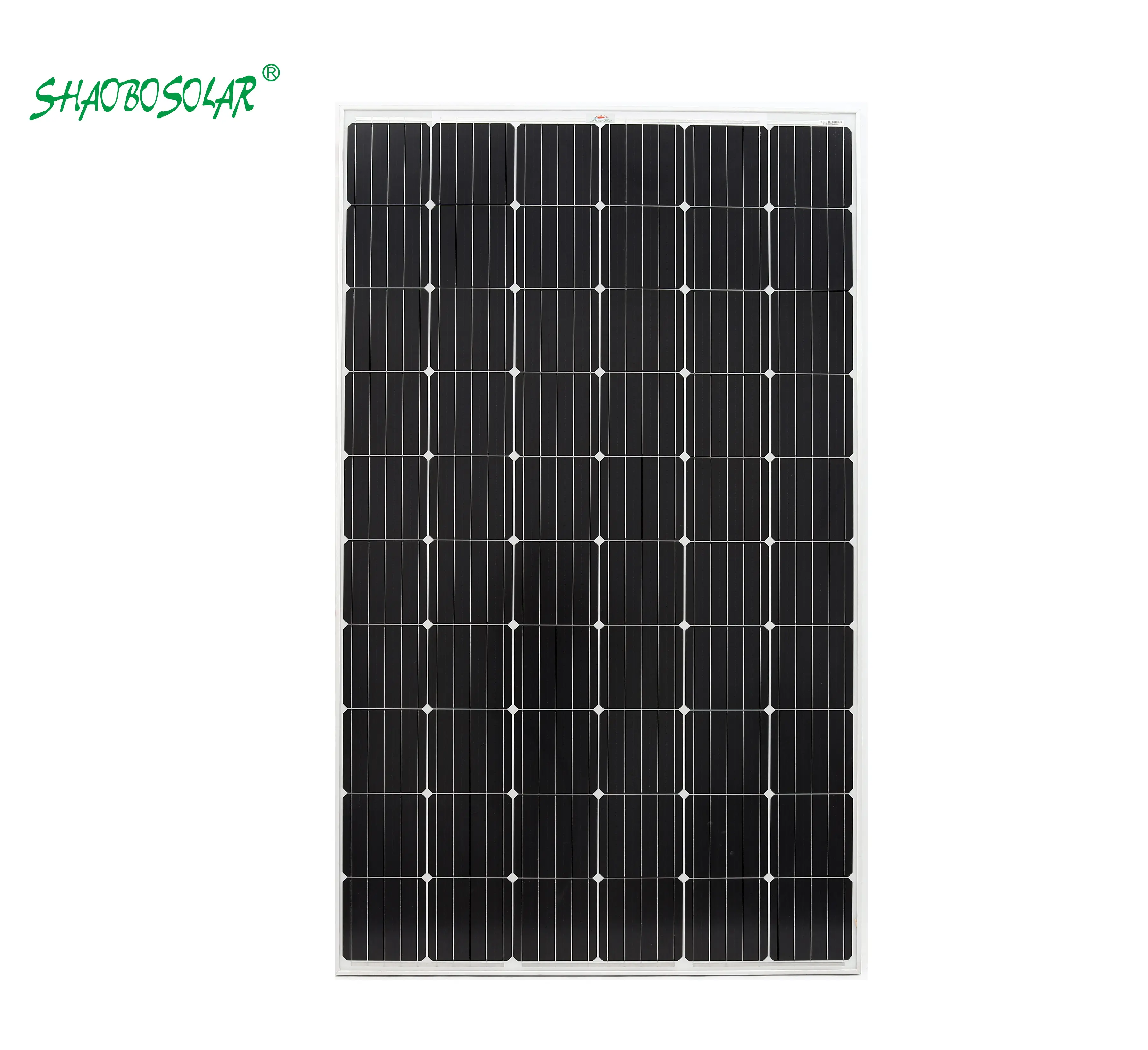
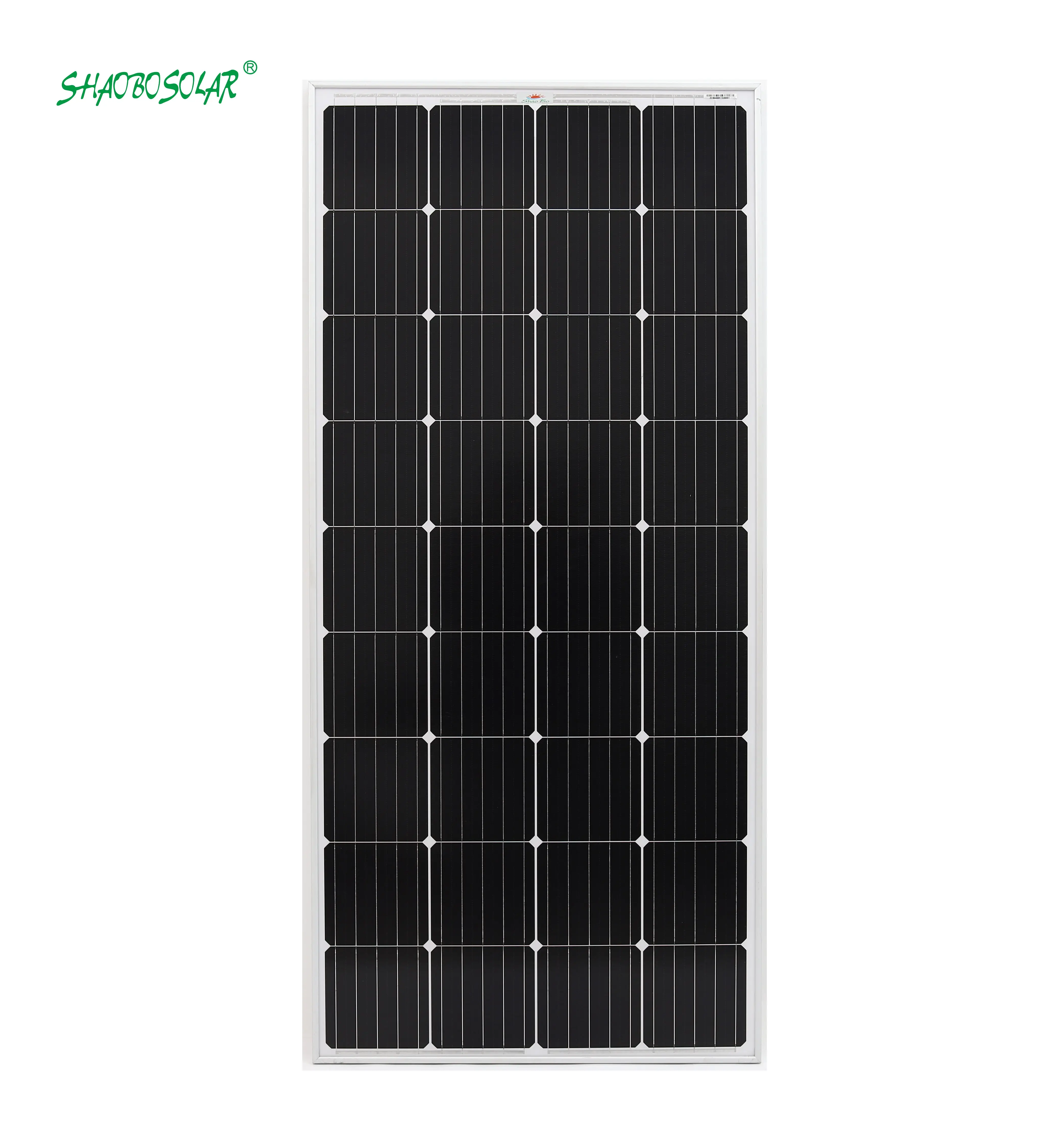
Currently, there is a surging demand for off-grid and hybrid systems. Many households are shifting from expensive diesel generators to monocrystalline solar panels due to their superior efficiency in limited roof spaces and better performance in the tropical heat of Myanmar.

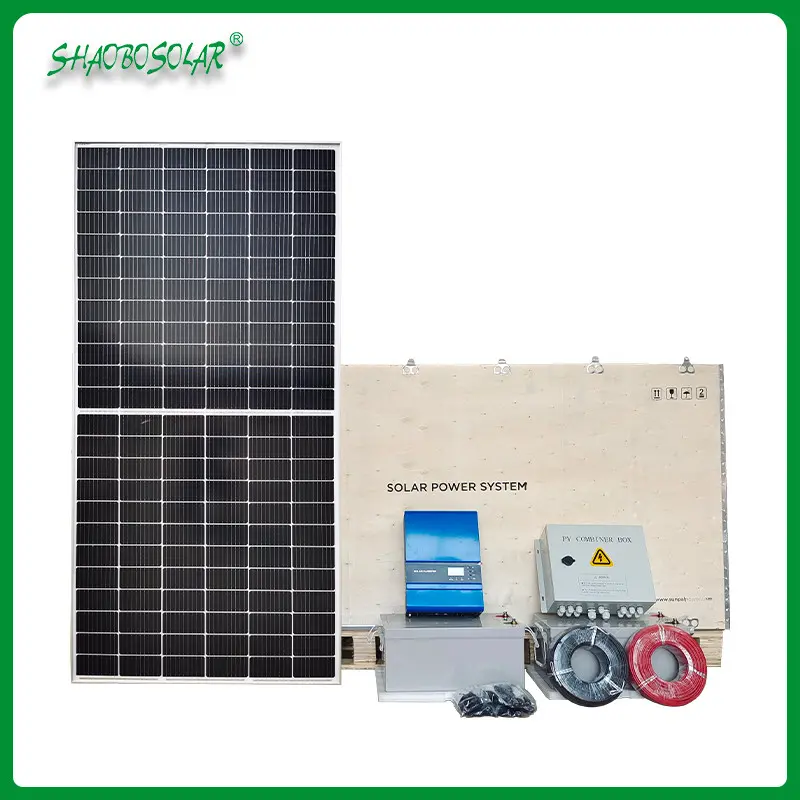
The market is evolving from small-scale lighting kits to comprehensive energy solutions. The integration of high-capacity battery storage with a mono solar panel array is becoming the standard for ensuring 24/7 electricity for critical home appliances.
Evolution of Solar Technology in Myanmar

From basic electrification to high-performance energy harvesting.

Market Development History

Between 2010 and 2015, the Myanmar market was dominated by basic polycrystalline solar panel installations. These were primarily used for rural electrification and basic LED lighting, offering an affordable entry point for low-income communities.

From 2016 to 2020, a shift occurred as energy needs grew. The introduction of PERC technology allowed for higher conversion rates, leading to the rise of more sophisticated residential systems and a preference for higher wattage modules to power refrigerators and fans.

Since 2021, the focus has shifted toward "Energy Sovereignty." The market now prioritizes high-density cells and smart inverters, with the mono solar panel becoming the dominant choice for urban installations in Yangon and Mandalay.

Future Development Trends

N-Type TOPCon Integration

The next 3 years will see a transition toward N-type cells, reducing degradation and increasing efficiency in Myanmar's high-temperature environments.

Smart Hybrid Storage

Integration of AI-driven energy management systems will optimize the discharge of batteries, maximizing the utility of every kWh produced.

Bifacial Module Adoption

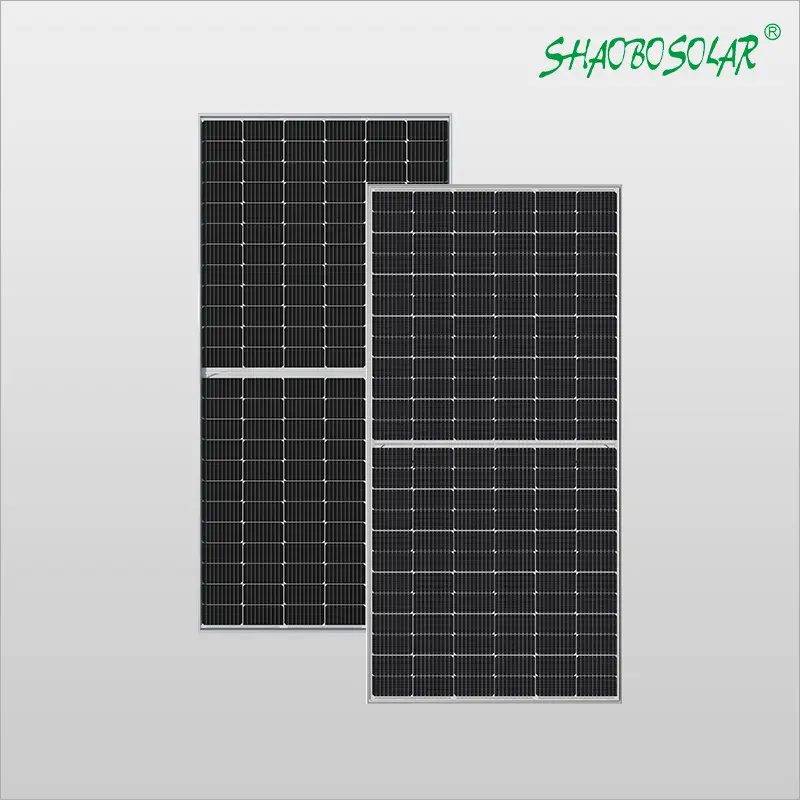
Agricultural solar farms in Myanmar will increasingly adopt bifacial technology to capture reflected light from the ground, increasing total yield by 10-20%.

Strategic Industry Outlook and Trends

Projecting the growth of the photovoltaic sector in Myanmar through 2028.

Efficiency Leap
Rapid adoption of high-efficiency cells to maximize power output per square meter.
Decentralized Grids
Growth of community micro-grids reducing reliance on the unstable national infrastructure.
LiFePO4 Storage
Standardization of Lithium Iron Phosphate batteries for longer life cycles in hot climates.
Agri-PV Systems
Combining crop production with solar energy harvesting for dual-land use efficiency.

Industry Outlook

Based on Google search trends in Myanmar, there is a marked increase in queries related to "hybrid inverter" and "long-term solar warranty," indicating a market maturing from "cheap installation" to "quality investment."

We anticipate that within 5 years, solar will become the primary energy source for 30% of Myanmar's urban households, driven by the falling cost of high-efficiency monocrystalline solar panels and improved financing models.

Localized Solar Applications in Myanmar

Real-world implementations tailored to the unique Myanmar environment.

01. Urban Residential Energy Independence

Implementing a full house solar power system in Yangon to eliminate reliance on unstable grid power during the monsoon season.

02. Off-Grid Rural Healthcare

Deploying high-efficiency solar panels to power vaccine refrigerators and medical equipment in remote villages of Shan State.

03. Agri-Business Powering

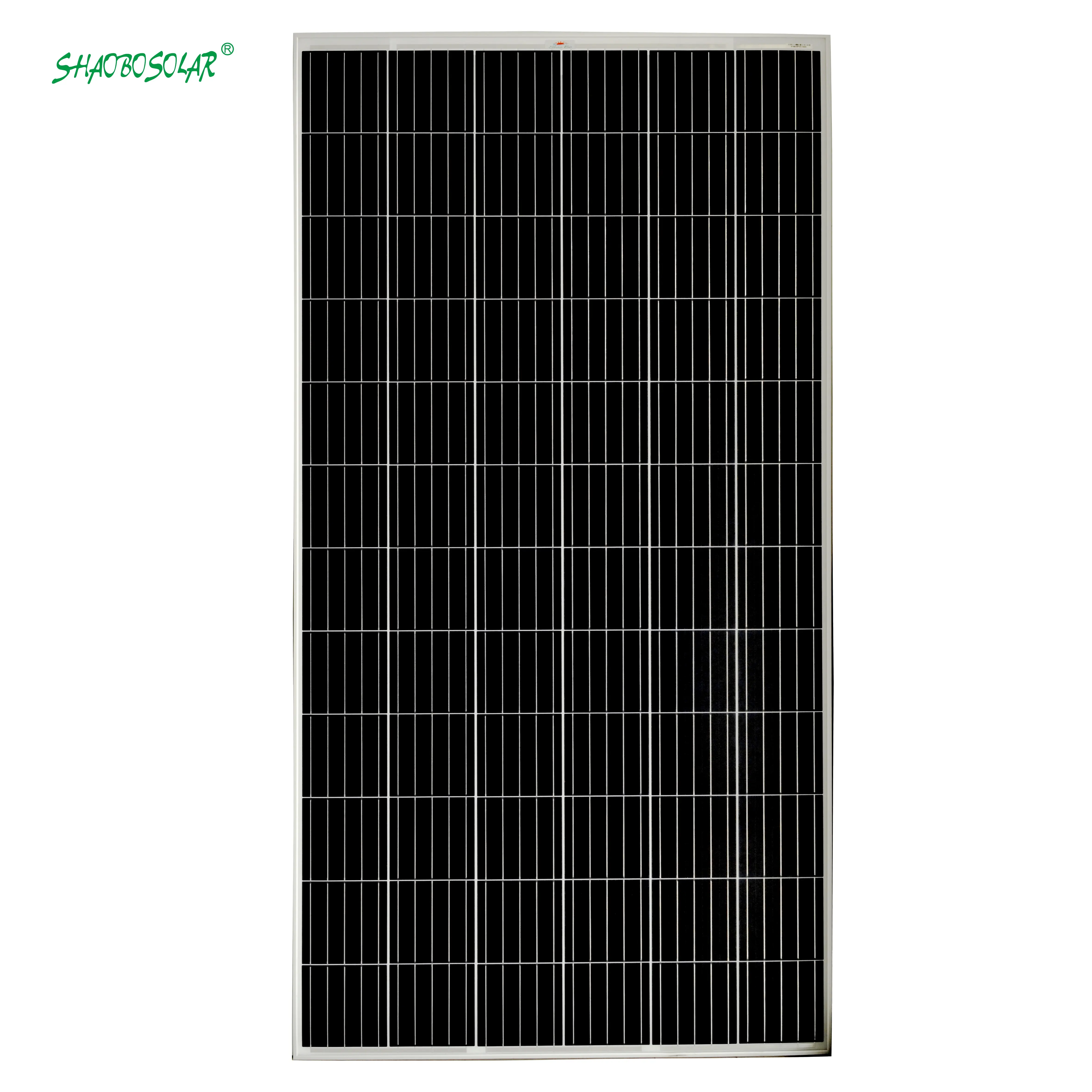
Using polycrystalline solar panel arrays to drive irrigation pumps in the Ayeyarwady Delta, reducing diesel costs for farmers.

04. Commercial Cold Chain Storage

Integrating large-scale monocrystalline solar panels with industrial battery banks to preserve seafood and produce in coastal regions.

05. Telecom Tower Sustenance

Replacing lead-acid batteries with LiFePO4 and mono solar panel systems to ensure uninterrupted connectivity in mountainous terrain.

Brand Story

Global Development Journey of Hebei Shaobo Photovoltaic Technology Co., Ltd.

Foundational Excellence

Established with a mission to democratize high-efficiency energy, we started by refining silicon wafer purity to increase cell conversion rates.

Technological Breakthrough

Developed proprietary heat-dissipation coatings that allow solar modules to maintain peak performance in extreme tropical climates.

Global Expansion

Expanded our footprint into Southeast Asia, specializing in ruggedized equipment for regions with unstable infrastructure.

Quality Standardization

Achieved Tier-1 manufacturer status by implementing rigorous E-E-A-T compliant quality control systems across all production lines.

Sustainable Future

Now committed to providing zero-carbon solutions that solve the specific energy poverty pain points in emerging markets like Myanmar.

Myanmar Solar Installation FAQs

Expert answers to the most common questions regarding solar energy in Myanmar.

Which is better for Myanmar's heat: monocrystalline or polycrystalline solar panels?

monocrystalline solar panels are generally better as they have a lower temperature coefficient, meaning they lose less efficiency as the temperature rises compared to polycrystalline options.

How many panels do I need for a standard house solar power system in Yangon?

Depending on your consumption, a typical home requires 4kW to 8kW. Using high-wattage mono solar panel modules can reduce the number of panels needed on your roof.

Can solar panels work during the heavy monsoon rains in Myanmar?

Yes, although production drops during heavy cloud cover, modern solar panels can still harvest diffuse light to maintain basic battery charging.

What is the average lifespan of a polycrystalline solar panel in tropical climates?

Most high-quality polycrystalline solar panel modules are warranted for 25 years, though efficiency slightly declines over time due to UV exposure.

Do I need a battery for my house solar power system if I have grid access?

In Myanmar, we strongly recommend a hybrid system with batteries to provide a backup during the frequent grid outages experienced across the country.

How do I maintain my mono solar panel array to prevent dust buildup?

Regular cleaning with water and a soft brush is recommended, especially during the dry season when dust can accumulate and reduce the efficiency of your mono solar panel.

Get Your Custom Energy Audit

Ready to transition to sustainable energy? Our engineers are available to design the perfect system for your specific needs in Myanmar.

Contact Us Now

If you are interested in our products, you can choose to leave your information here, and we will be in touch with you shortly.