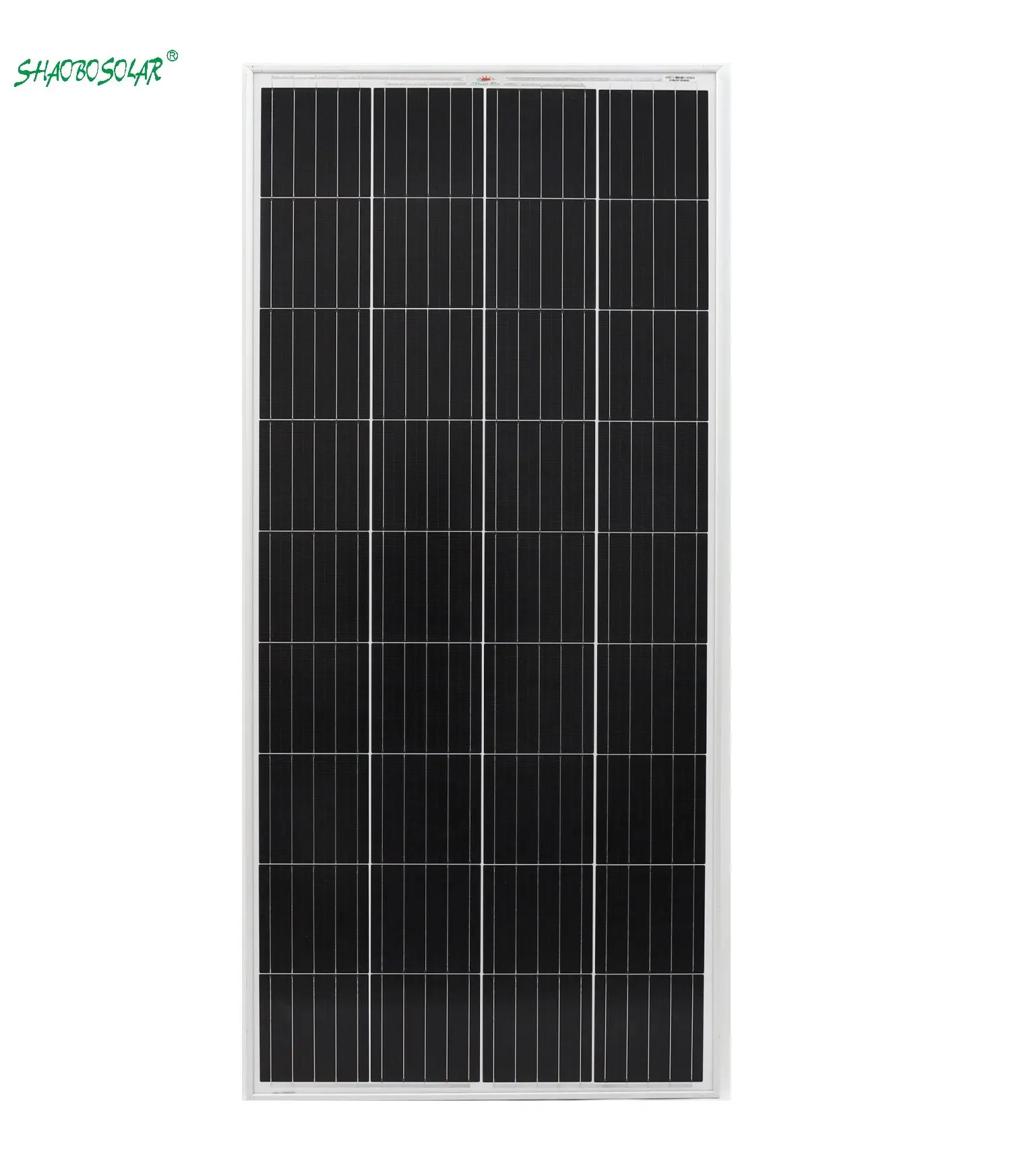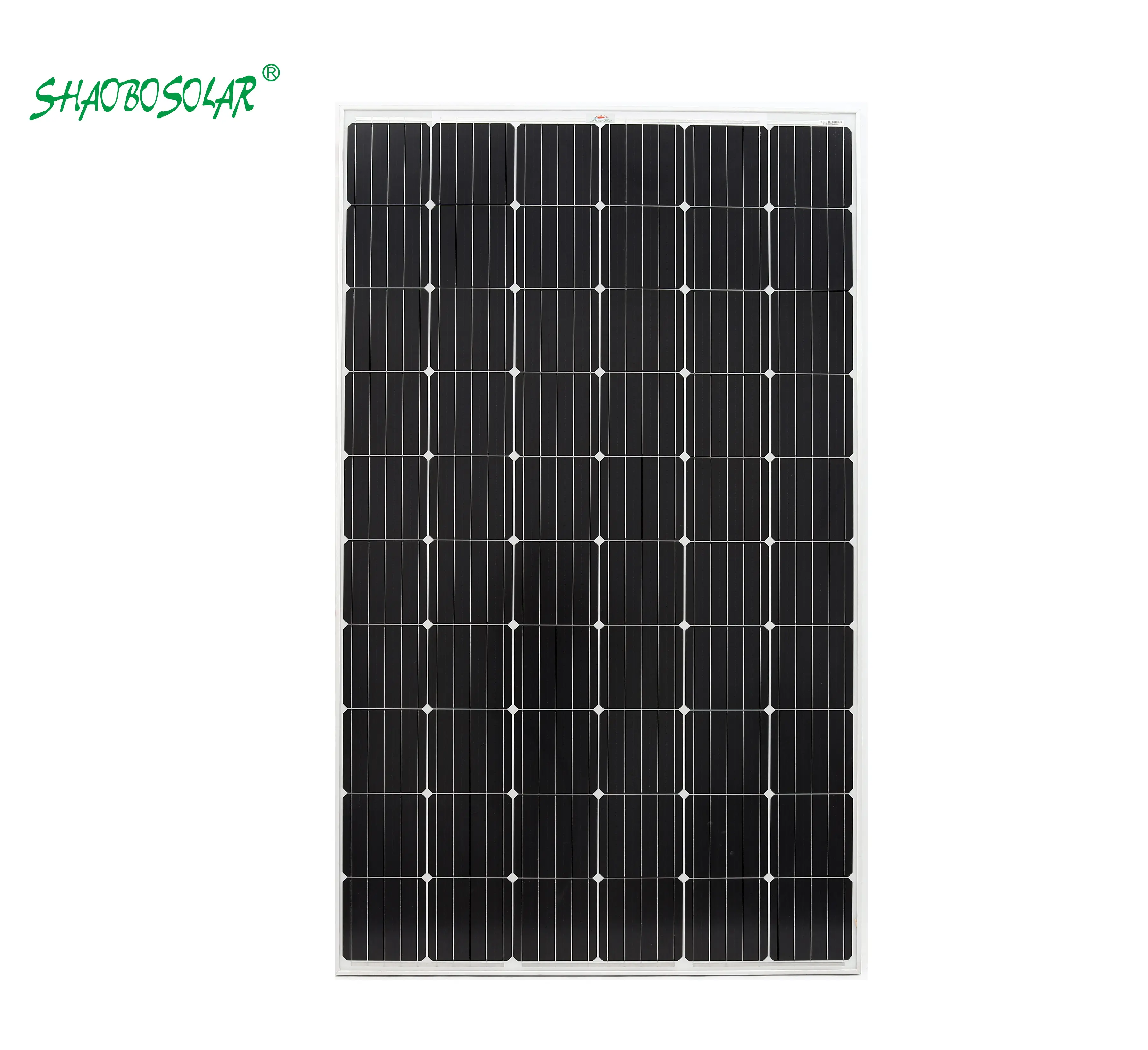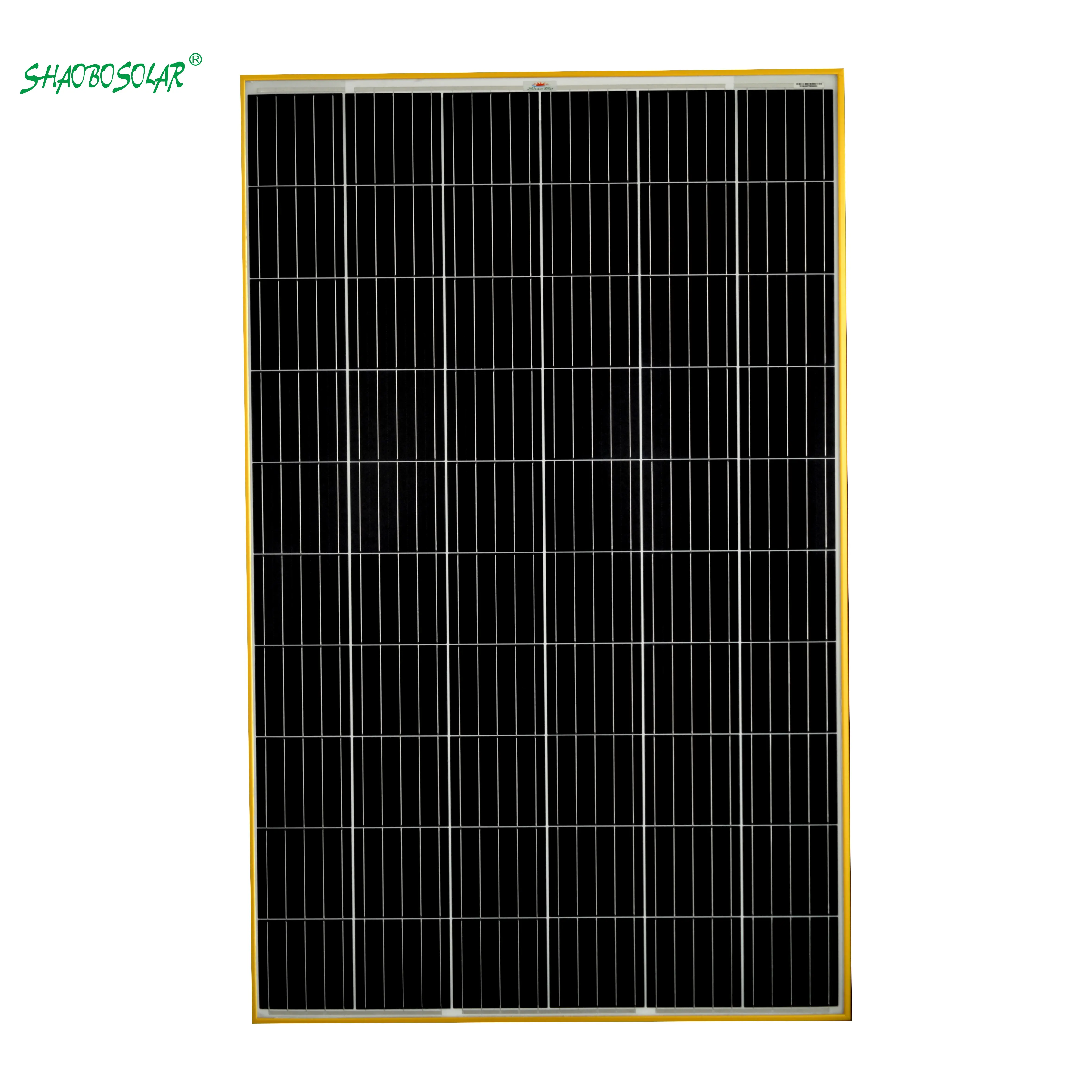
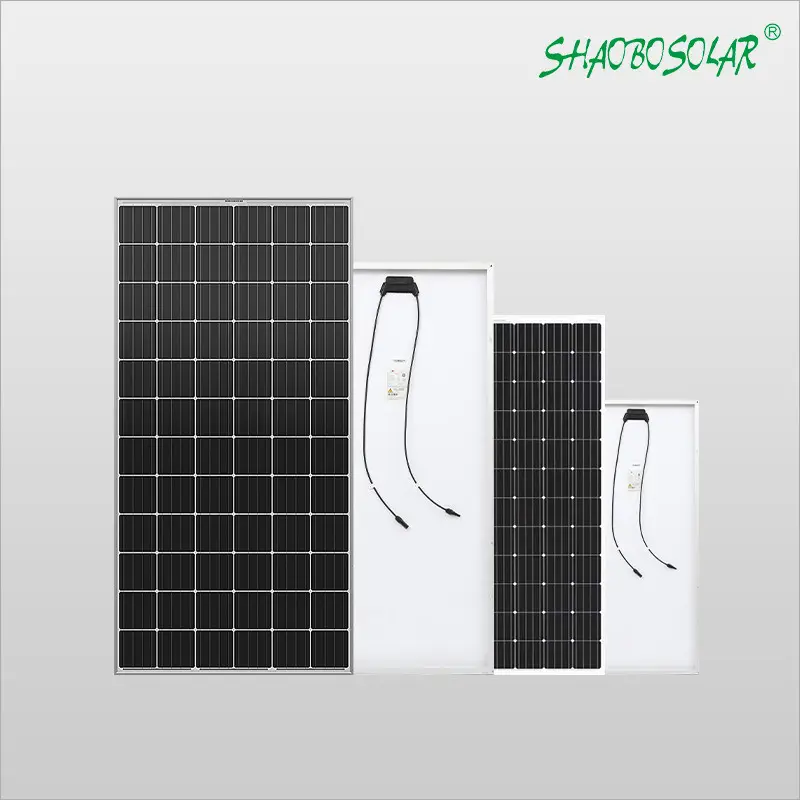
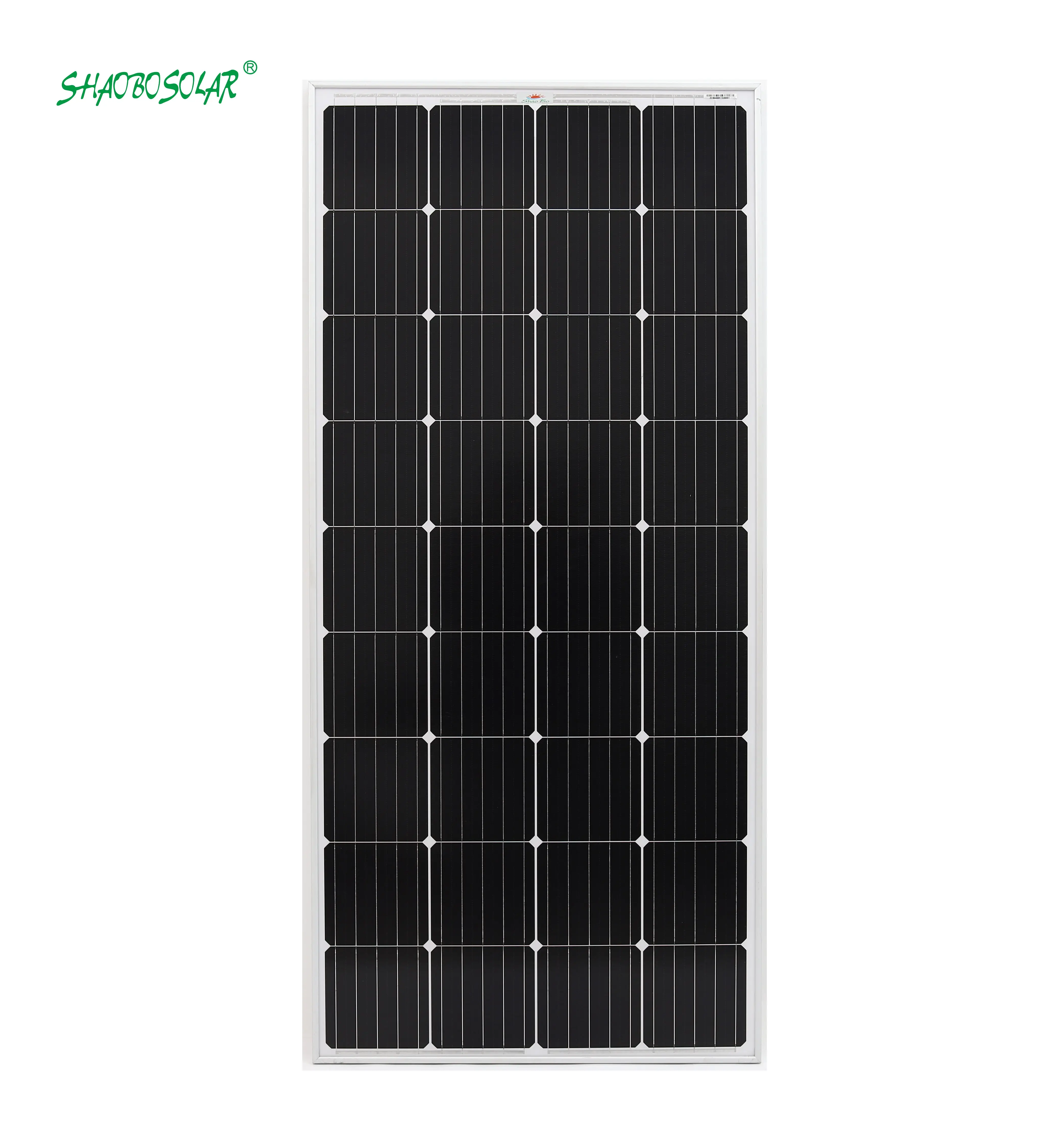
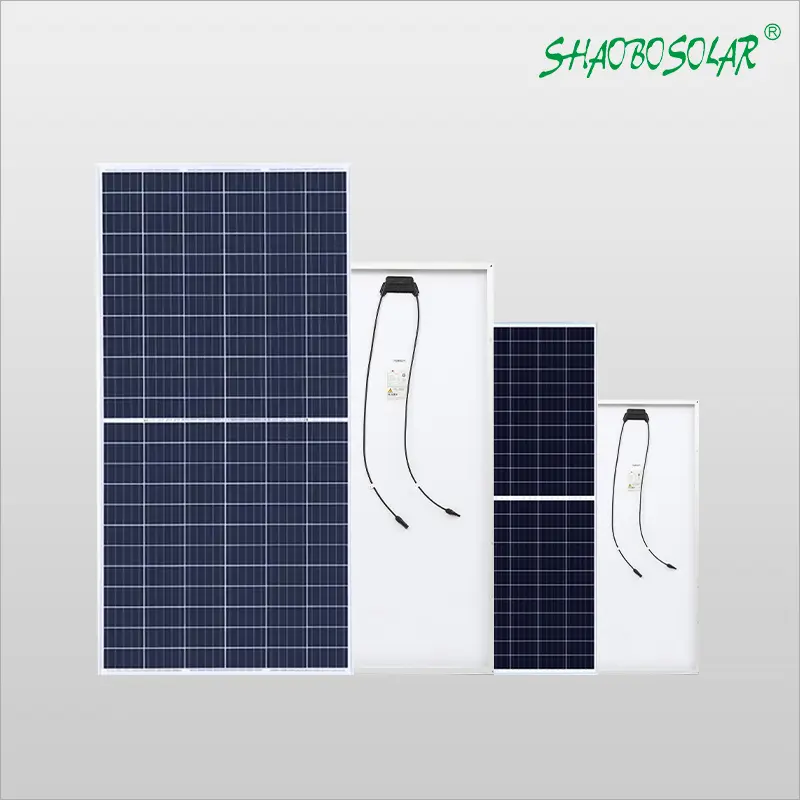
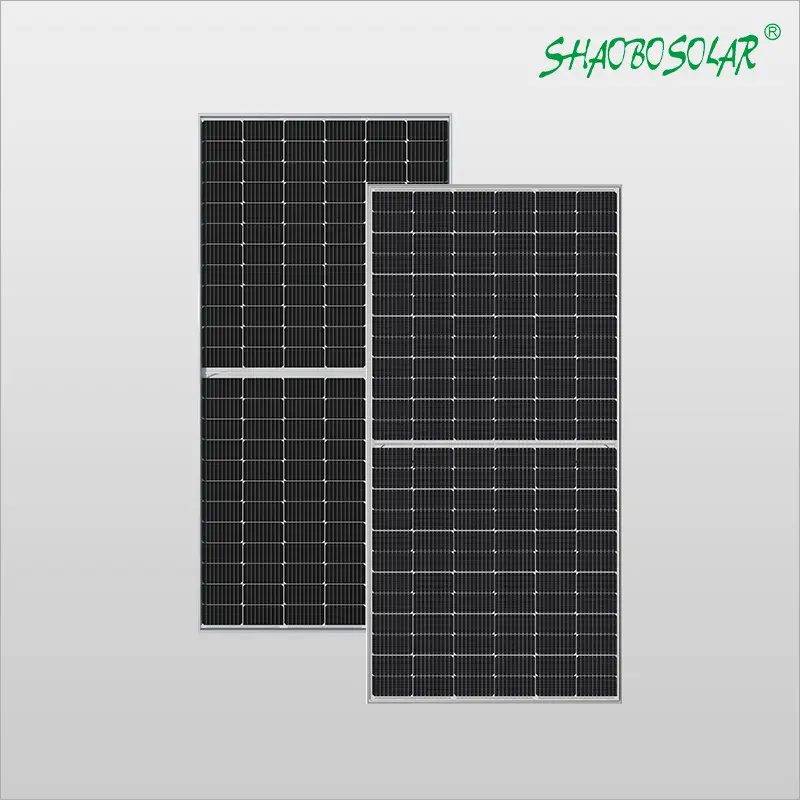
Japan's solar market is currently characterized by a critical need for space-efficient solutions. Due to the mountainous terrain and dense urban centers, the demand for high-wattage solar panels has surged, pushing the industry toward N-type and PERC technologies that maximize output per square meter.
Economic incentives and the "Zero Energy House" (ZEH) initiative have accelerated the adoption of the house solar power system. Japanese consumers now prioritize long-term reliability and resistance to extreme weather conditions, including typhoons and heavy snowfall in northern regions.
While early installations relied heavily on diverse technologies, the market has seen a decisive pivot toward high-purity silicon. The ability to generate consistent power during Japan's overcast winter months has made advanced cell architecture a non-negotiable requirement for commercial viability.