
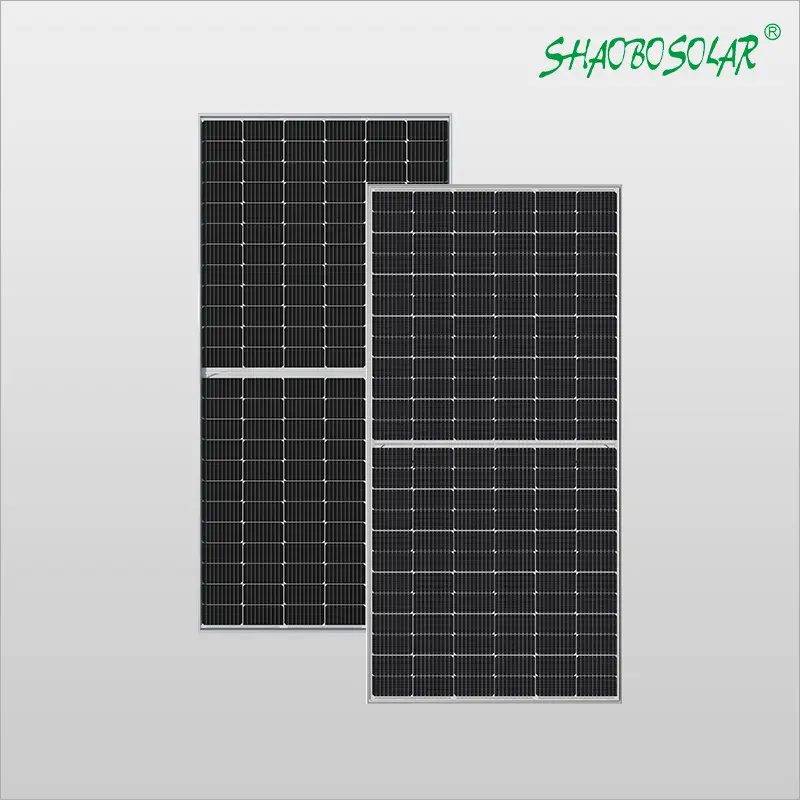
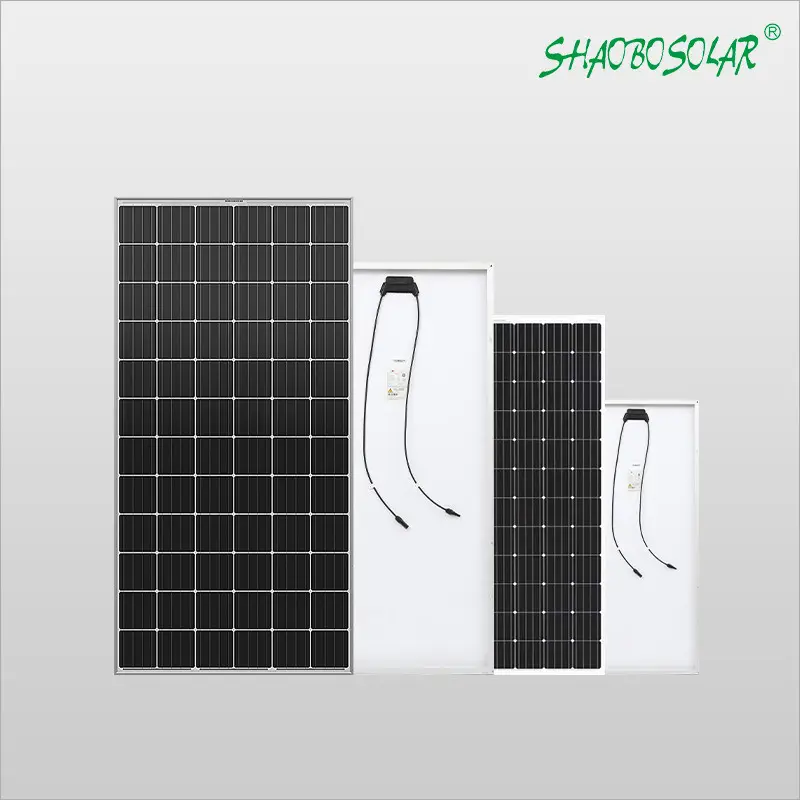
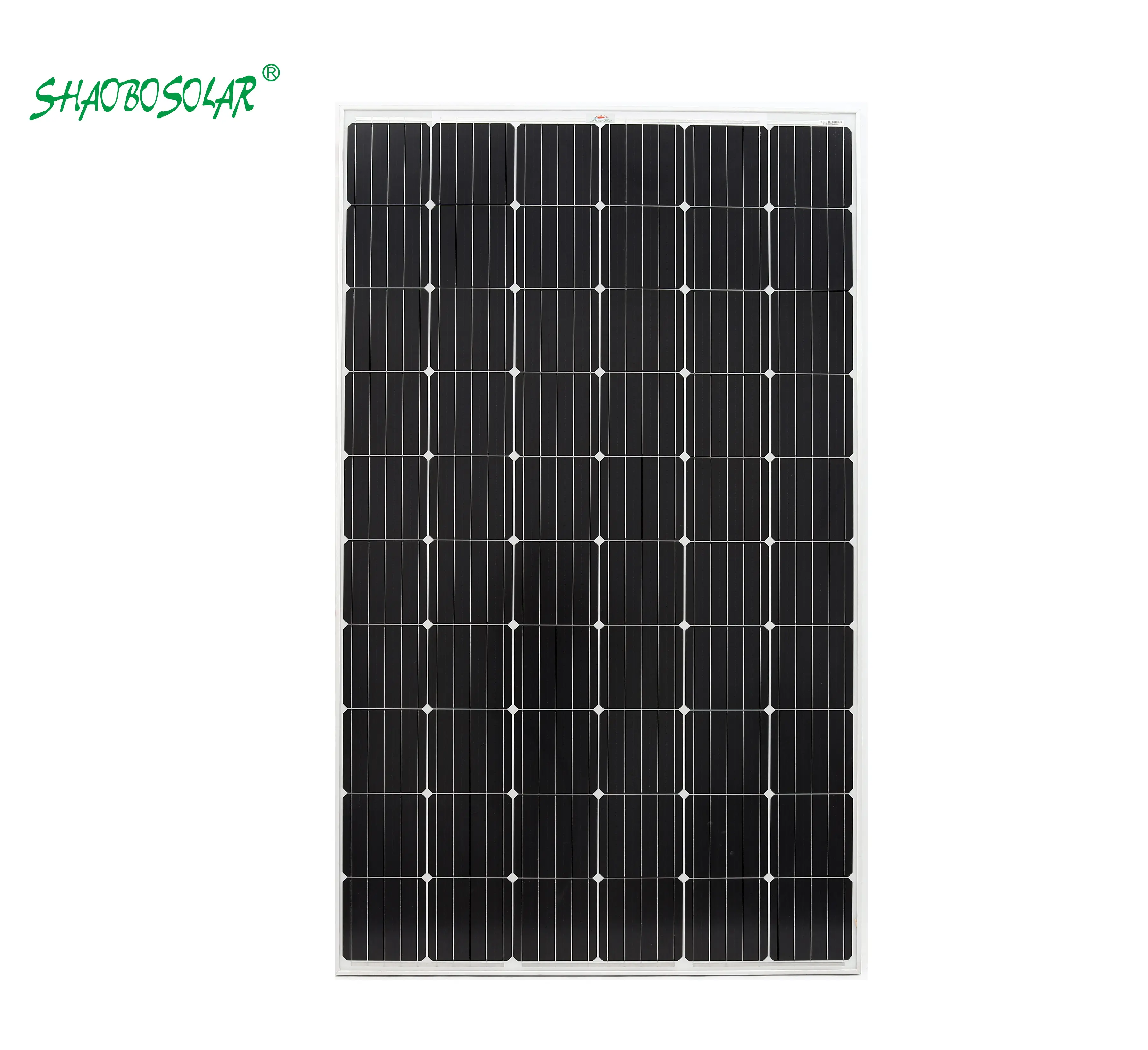
Advanced house solar power system Solutions for North Korea

Advanced house solar power system Solutions for North Korea

Advanced house solar power system Solutions for North Korea

Empowering North Korean infrastructure with high-efficiency photovoltaic technology to ensure energy independence and stability.

Advanced house solar power system Solutions for North Korea

Providing robust and scalable solar energy installations tailored to the specific climatic and structural requirements of North Korean residential and industrial sectors.

Energy Landscape of North Korea

Analyzing the adoption of solar panels in the region.

North Korea faces significant energy challenges due to a strained traditional power grid and limited fuel resources. In recent years, there has been a strategic shift toward decentralized energy, where solar panels have become essential for maintaining basic electricity in remote mountainous areas and urban households.

The geographic terrain, characterized by rugged mountains and varied seasonal sunlight, requires specialized equipment. The demand for high-durability monocrystalline solar panels has risen as users seek maximum efficiency from limited installation spaces, particularly in densely populated cities like Pyongyang.

Economic constraints have historically led to the use of older technologies, but the market is now transitioning. There is a growing preference for integrated systems that combine energy generation with storage to combat the extreme winter temperatures common in the Korean peninsula.
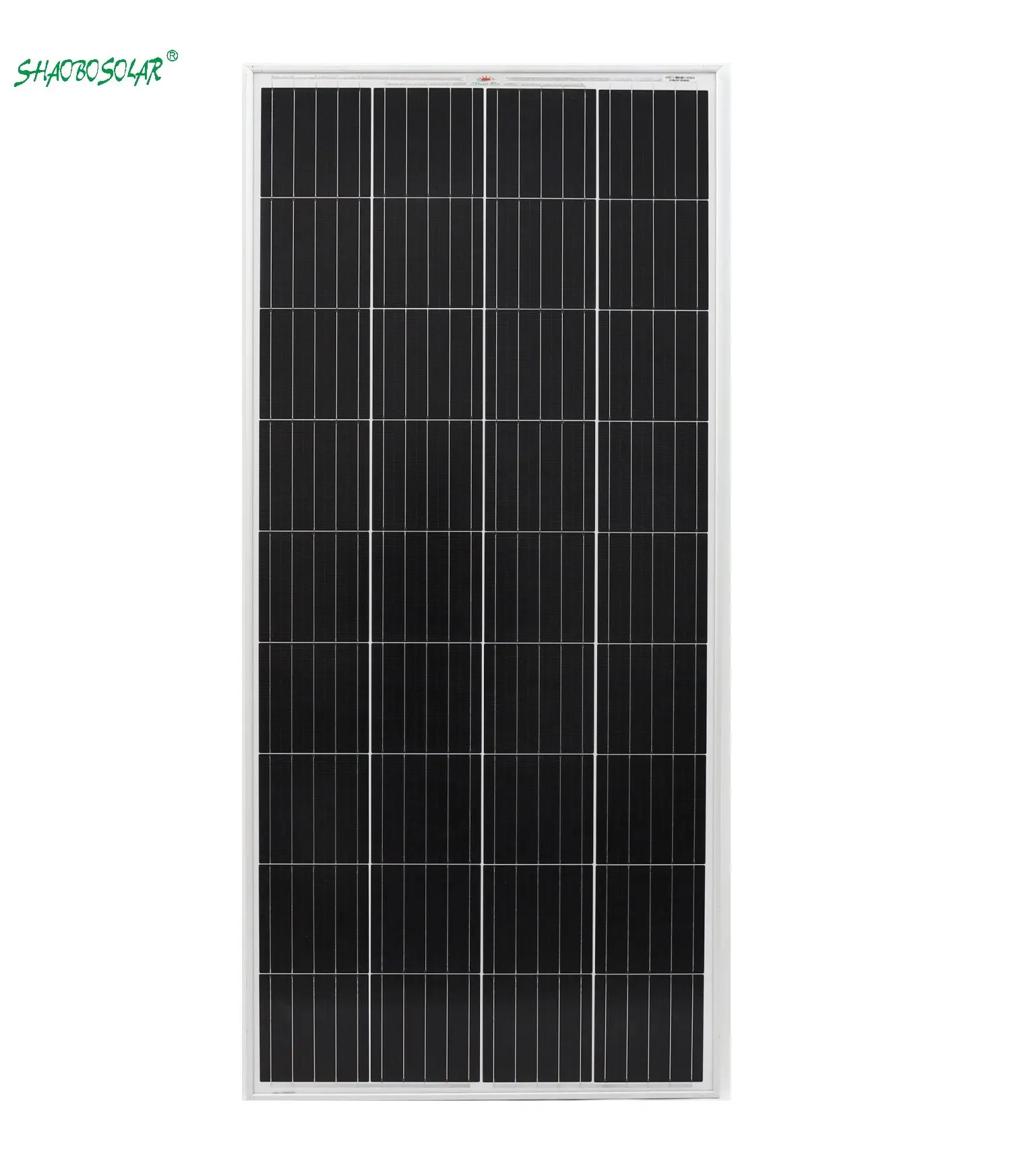
Evolution of Photovoltaic Technology in North Korea

From basic electrification to advanced mono solar panel integration.

Market Development History

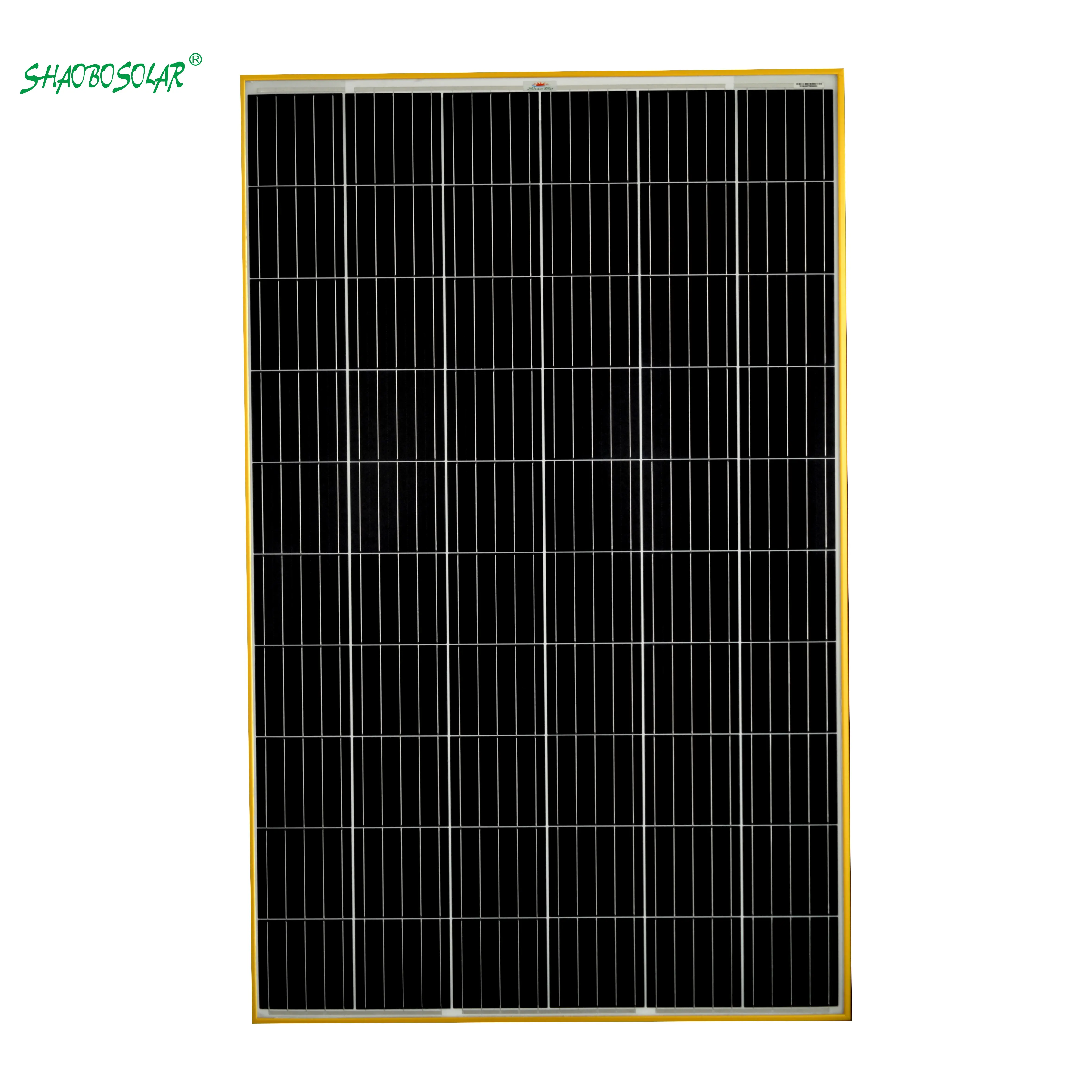
In the early 2000s, solar adoption was limited to small-scale calculators and niche military applications. The first wave of residential adoption involved basic polycrystalline solar panel arrays, which were cost-effective but required larger surface areas to produce sufficient power.

By 2010-2015, the technical focus shifted toward improving conversion rates. The introduction of the mono solar panel allowed for higher energy density, making solar power a viable primary energy source for small businesses and medical clinics in rural provinces.

From 2018 to the present, the industry has evolved toward "Smart Energy Hubs." The integration of advanced inverters and lithium-storage has transformed simple panels into comprehensive house solar power system architectures capable of sustaining households through the winter solstice.

Future Development Trends

Bifacial Technology Adoption

The trend is moving toward bifacial modules that capture reflected light from snow, which is abundant in North Korean winters, increasing total yield by up to 15%.

Micro-Grid Integration

Future developments will see the shift from individual home systems to village-level micro-grids, allowing shared energy distribution between neighboring structures.

High-Efficiency PERC Cells

The adoption of PERC (Passivated Emitter and Rear Cell) technology will become standard, ensuring that monocrystalline solar panels perform optimally even in low-light, overcast conditions.

Industry Trends and Future Outlook

Projecting the trajectory of solar manufacturing and deployment in the region.

Energy Density Increase
Shift toward N-type cells to maximize power output per square meter in limited urban footprints.
Cold-Climate Optimization
Development of reinforced frames and specialized glass to withstand extreme snowfall and thermal expansion.
Hybrid Storage Systems
Combining solar generation with advanced battery tech to eliminate power intermittency.
Sustainable Manufacturing
Implementation of low-carbon production processes for the next generation of solar modules.

Industry Outlook

Based on global search trends, there is an increasing shift toward "energy sovereignty." In the context of North Korea, this means a transition from relying on imported energy to utilizing local solar resources. The next 3-5 years will likely see a surge in the installation of large-scale industrial arrays to power manufacturing plants.

We anticipate that the cost of high-efficiency monocrystalline technology will continue to drop, making premium solar solutions accessible to a broader segment of the population, further reducing the reliance on unstable grid power.

Localized Application Scenarios

Practical implementations of solar technology across North Korea.

1. Remote Mountainous Village Electrification

Deploying durable solar panels in high-altitude regions to provide basic lighting and communications for isolated communities.

2. Urban Residential Rooftop Power

Utilizing space-efficient monocrystalline solar panels on apartment rooftops in Pyongyang to supplement daily household energy needs.

3. Agricultural Irrigation Systems

Implementing solar-powered water pumps using cost-effective polycrystalline solar panel arrays to improve crop yields in rural farming zones.

4. Critical Healthcare Facility Backup

Installing an uninterruptible house solar power system for local clinics to ensure vaccine refrigeration and emergency surgical lighting.

5. Small-Scale Industrial Workshops

Integrating high-output mono solar panel arrays to power specialized machinery in local manufacturing cooperatives.

Brand Story

Global Development Journey of Hebei Shaobo Photovoltaic Technology Co., Ltd.

Foundation and Vision

Established with a mission to democratize energy, focusing on solving the efficiency gap in traditional solar manufacturing.

Technological Breakthrough

Developed proprietary cell architectures that increased energy conversion rates for high-latitude regions.

Global Market Expansion

Expanded operations into challenging environments, providing tailored energy solutions for diverse climatic zones.

Quality Standardization

Achieved international certifications for durability and performance, ensuring long-term reliability in extreme weather.

Commitment to Sustainability

Investing in green manufacturing to reduce the carbon footprint of the solar production cycle itself.

Common Questions About Solar Energy in North Korea

Expert answers to technical and installation queries.

Which is better for cold climates, monocrystalline or polycrystalline solar panels?

Monocrystalline solar panels are generally superior for cold, low-light climates because they offer higher efficiency and better performance in diffused light conditions.

How can a house solar power system withstand heavy snowfall?

By installing panels at a steeper tilt angle and using reinforced mounting frames, snow can slide off naturally, preventing structural damage and maintaining sunlight exposure.

What is the average lifespan of a mono solar panel in industrial use?

Most high-quality mono solar panels are designed to last 25-30 years, with a linear power degradation rate of less than 0.5% per year.

Do polycrystalline solar panels still have a place in modern installations?

Yes, they remain an excellent choice for large-scale utility projects where land is abundant and initial budget constraints are the primary concern.

How do I choose the right capacity for my solar panels?

Capacity should be based on your daily peak load (kWh) and the average sunlight hours in your specific province, adding a 20% buffer for winter efficiency drops.

Can solar systems be integrated with existing power grids?

Yes, using a hybrid inverter, you can switch between solar, battery, and grid power to ensure a constant electricity supply regardless of the source status.

Request a Technical Consultation

Our engineers are ready to design a customized energy solution for your project in North Korea.

Contact Us Now

If you are interested in our products, you can choose to leave your information here, and we will be in touch with you shortly.