
Advanced house solar power system Solutions for Algeria

Advanced house solar power system Solutions for Algeria

Advanced house solar power system Solutions for Algeria

Empowering Algerian homes and businesses with high-efficiency photovoltaic technology designed for the Saharan climate.

Advanced house solar power system Solutions for Algeria

Integrating premium solar panels to provide sustainable energy independence across the diverse landscapes of Algeria, from the coast to the deep desert.

Current State of Solar Energy in Algeria

Analyzing the intersection of extreme solar irradiance and energy demand.

Algeria possesses one of the highest solar potentials globally, particularly in the southern regions. However, the adoption of solar panels has historically been limited by high initial costs and a reliance on fossil fuel subsidies, though recent government shifts are now prioritizing renewable integration.

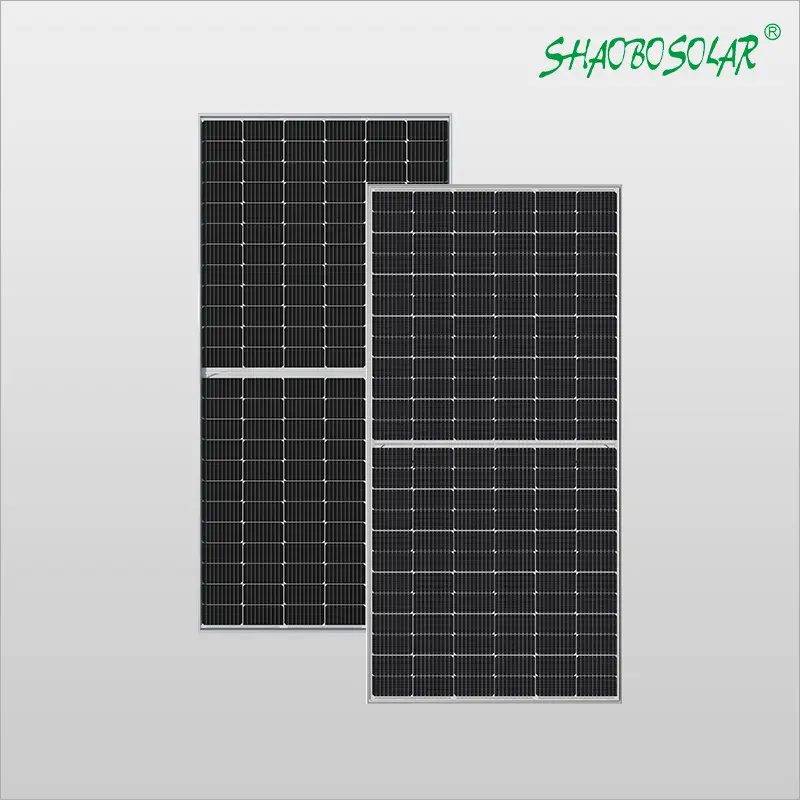
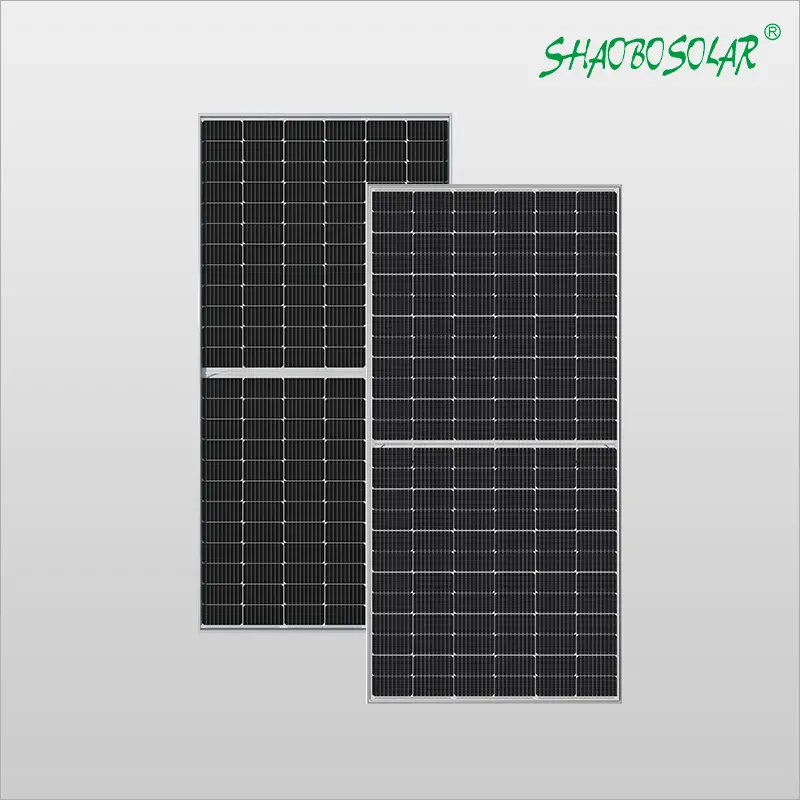
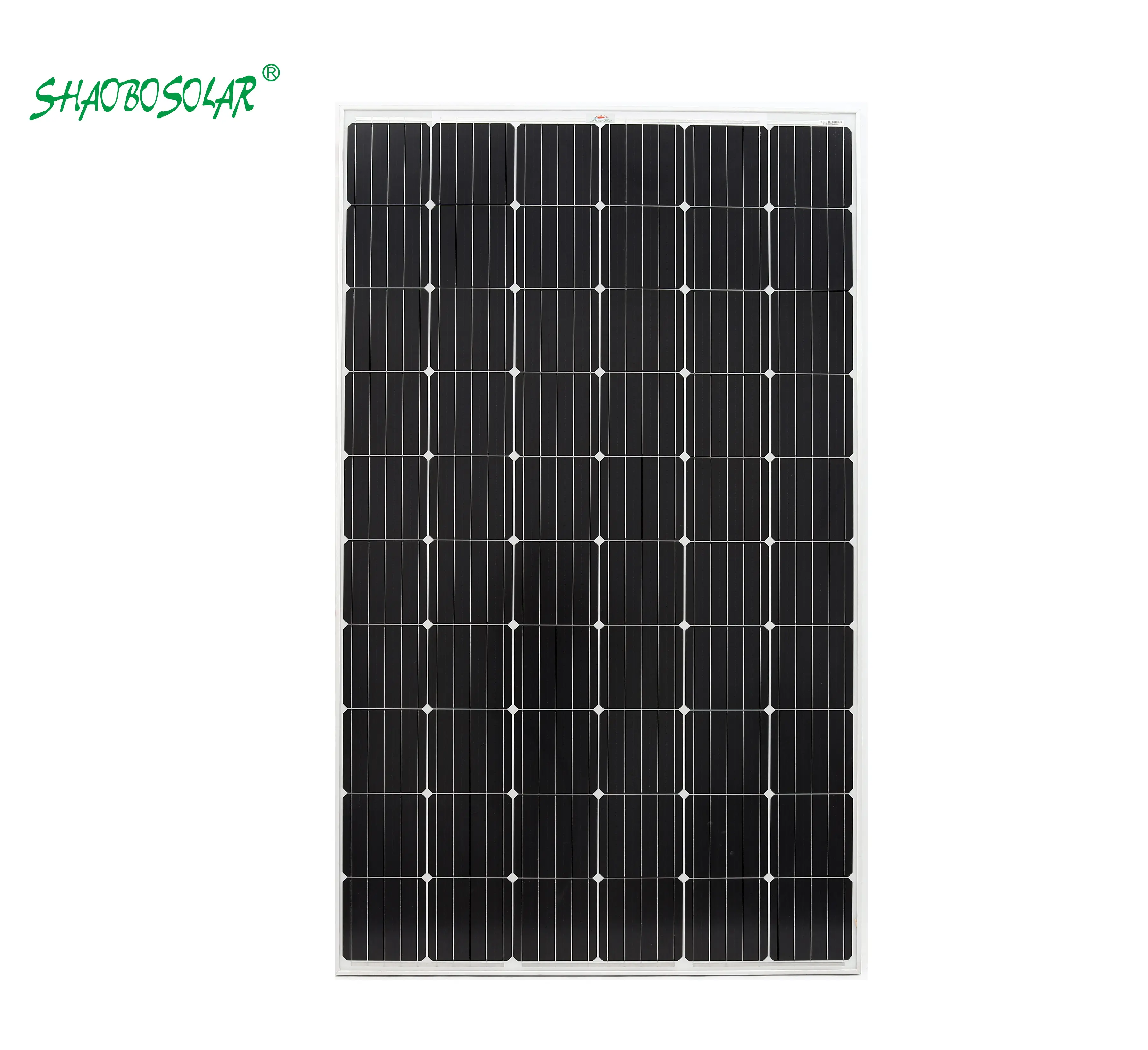
Environmental challenges, such as high ambient temperatures and frequent dust storms (Sirocco), necessitate specialized equipment. Standard modules often suffer from efficiency drops in the heat, making the demand for high-temperature coefficient monocrystalline solar panels critical for maximizing yield in Algerian cities.

The market is currently seeing a surge in decentralized energy, where the house solar power system is becoming the primary choice for rural electrification in the Atlas mountains and Sahara, reducing the burden on the national grid.
Technological Evolution and Trajectory

From basic photovoltaic cells to intelligent energy ecosystems.

Market Development History

In the early 2010s, the Algerian market was dominated by basic polycrystalline solar panel technology. These were cost-effective but lacked the efficiency needed for limited roof spaces in urban areas like Algiers or Oran.

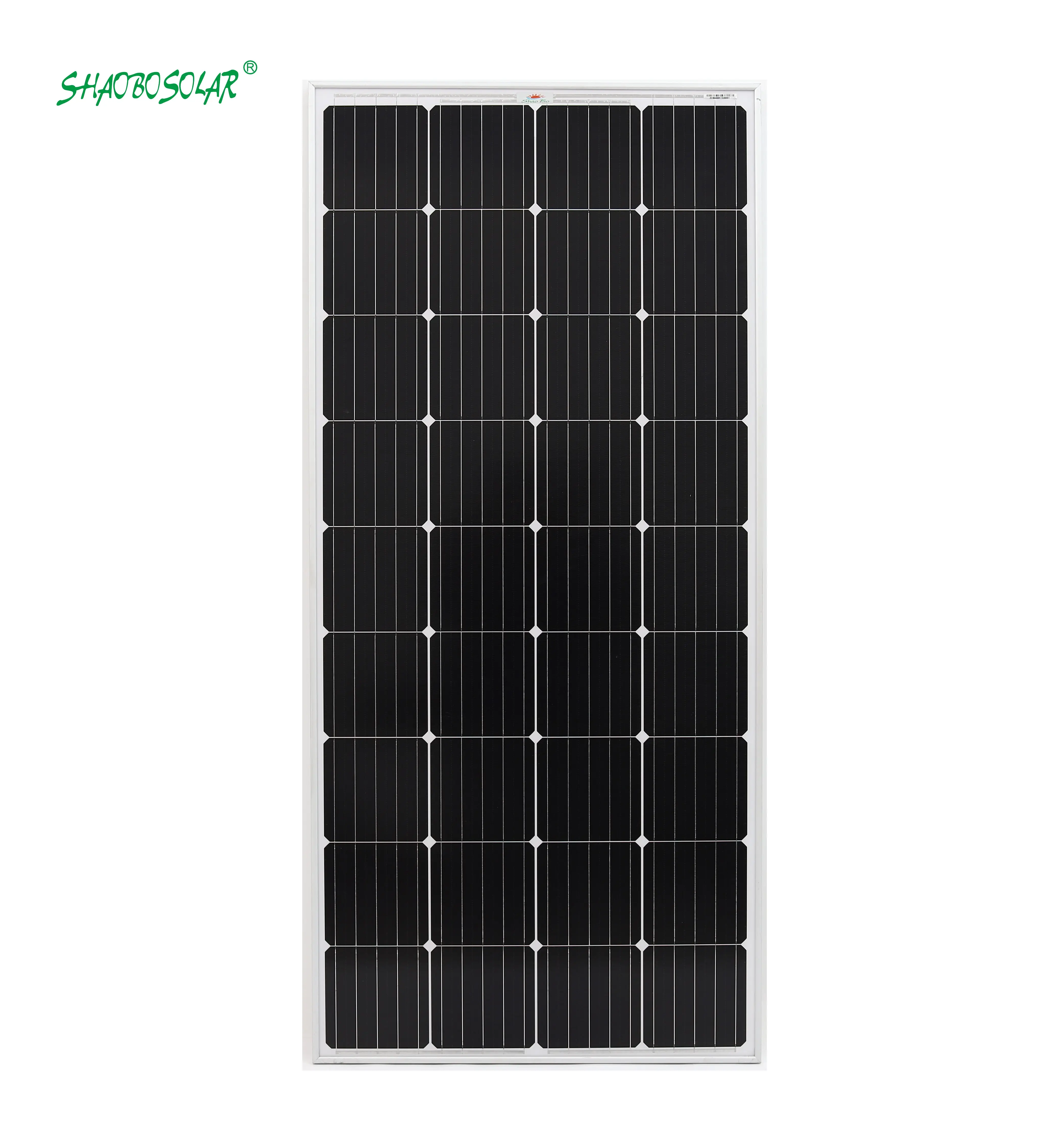
Between 2015 and 2020, a transition occurred toward PERC (Passivated Emitter and Rear Cell) technology. This era saw the rise of the mono solar panel, which offered significantly better performance in low-light conditions and higher energy density.

From 2021 to the present, the focus has shifted toward N-type TOPCon and HJT technologies. These modern iterations minimize LID (Light Induced Degradation), which is essential for the intense UV exposure found in North Africa.

Future Development Trends

Bifacial Module Adoption

The trend is moving toward bifacial panels that capture reflected light from the sandy Algerian soil, increasing total energy harvest by up to 15%.

Integrated Storage Systems

The evolution of LiFePO4 batteries is transforming the standard house solar setup into a fully autonomous energy hub with smart grid capabilities.

AI-Driven Maintenance

Predictive analytics and automated cleaning robots are becoming essential to combat the efficiency losses caused by desert dust accumulation.

Industry Trends and Future Outlook

Strategizing for the next generation of solar infrastructure in Algeria.

High-Efficiency N-Type Cells
Transitioning to N-type TOPCon cells to reduce degradation under Algeria's extreme thermal stress.
Smart Grid Integration
Implementing hybrid inverters that allow seamless switching between solar, battery, and the Algerian national grid.
Anti-Soiling Coatings
Advanced hydrophobic glass coatings to reduce dust adhesion, critical for Saharan installation sites.
Agrivoltaic Systems
Combining solar energy production with agriculture to optimize land use in Algeria's fertile northern plains.

Industry Outlook

Based on search trends and energy policy, Algeria is poised for a massive shift toward decentralized solar. The integration of high-performance monocrystalline solar panels will drive the ROI for commercial investments over the next 5 years.

We expect a transition from simple power generation to comprehensive energy management, where the "Solar-plus-Storage" model becomes the standard for any new construction in the region.

Localized Application Scenarios in Algeria

Tailored solar implementations for various Algerian environments.

1. Residential Rooftops in Algiers

Utilizing high-efficiency mono solar panel arrays to maximize limited urban roof space and reduce electricity bills during peak summer air conditioning usage.

2. Remote Saharan Outposts

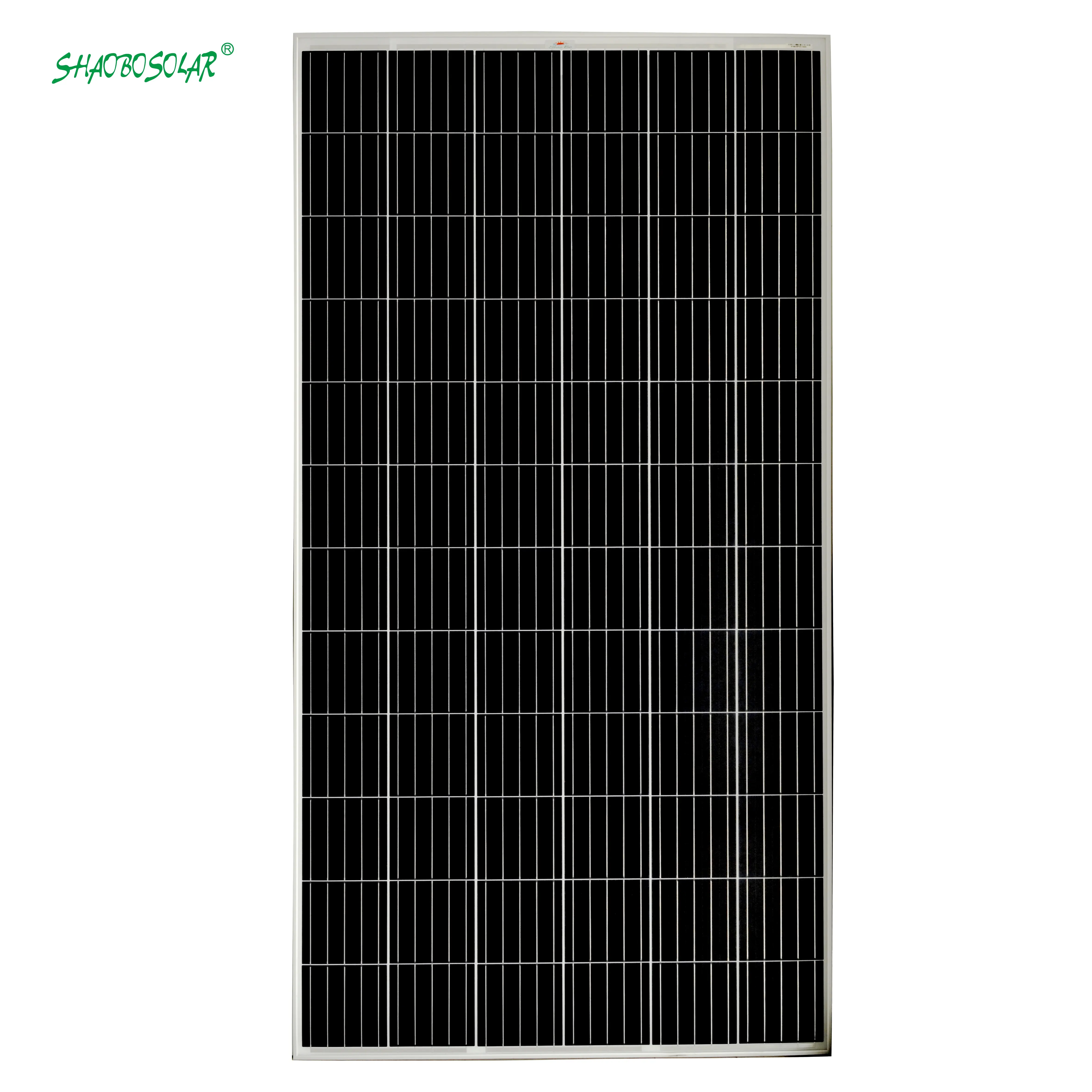
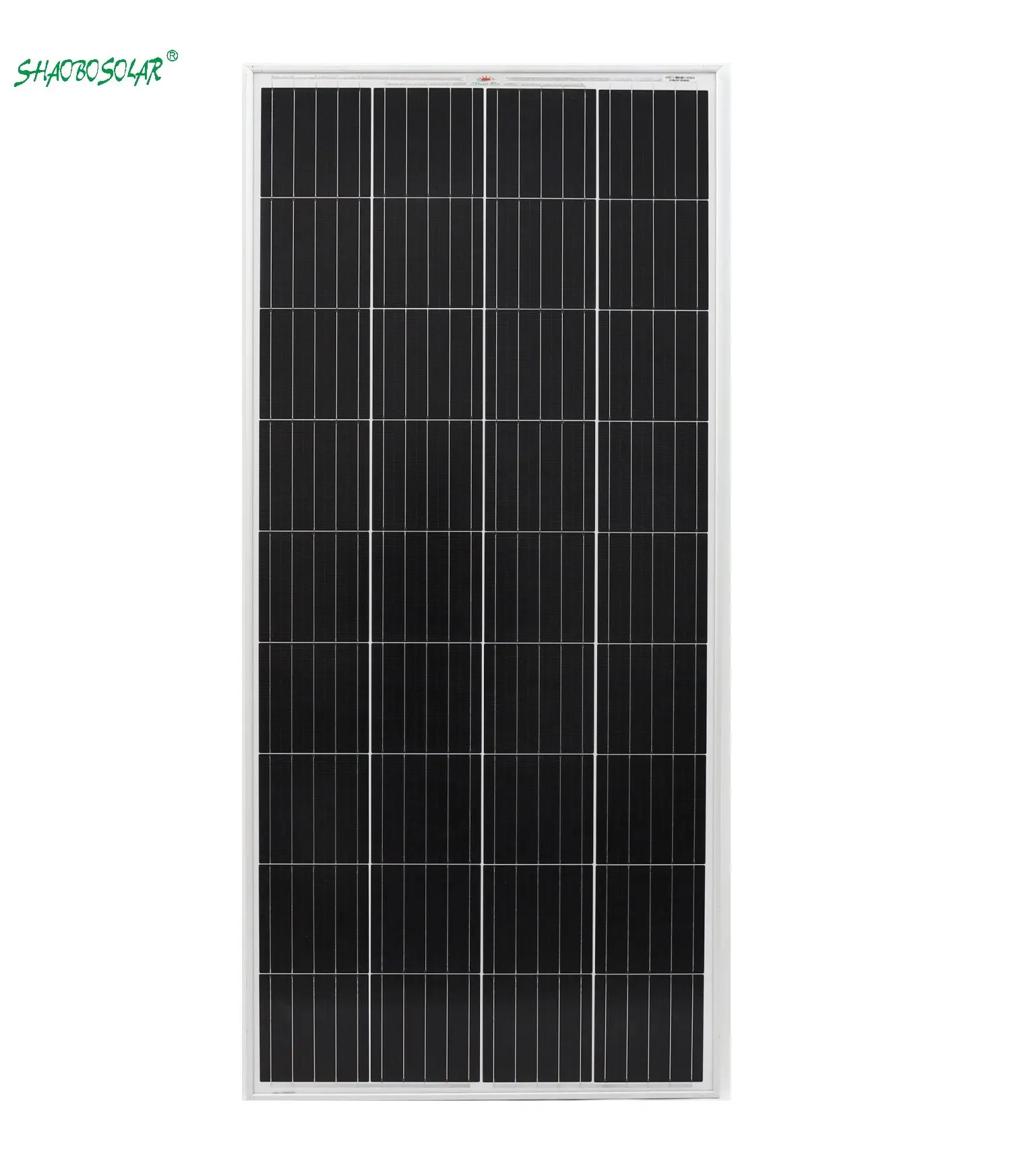
Deploying robust polycrystalline solar panel systems for lighting and basic communication in deep desert areas where grid extension is impossible.

3. Agricultural Pumping in Biskra

Implementing large-scale solar panels to power irrigation pumps, ensuring sustainable water management for date palm groves.

4. Off-Grid Eco-Tourism Lodges

Installing a complete house solar power system with lithium storage to provide luxury amenities in remote tourist sites without noise pollution from generators.

5. Industrial Warehousing in Oran

Using monocrystalline solar panels on expansive warehouse roofs to offset operational costs and meet corporate sustainability goals.

Brand Story

Global Development History of Hebei Shaobo Photovoltaic Technology Co., Ltd.

Foundational Innovation

Established with a mission to solve the efficiency gap in photovoltaic manufacturing, focusing on high-purity silicon processing.

Global Expansion

Expanding our footprint into the MENA region, adapting our hardware to survive the harshest thermal conditions of the Sahara.

Technology Breakthrough

Pioneering the integration of PERC and TOPCon technologies to ensure maximum energy yield for our global clients.

Quality Certification

Achieving international IEC and TUV certifications, ensuring every module meets the highest global safety and performance standards.

Sustainable Future

Committed to providing affordable, high-efficiency solar energy to every corner of the globe, empowering emerging economies.

Common Questions for Solar Installation in Algeria

Expert answers to the most frequent concerns of Algerian solar buyers.

Which are the best monocrystalline solar panels for the Sahara climate?

For the Sahara, we recommend N-type monocrystalline panels with a low temperature coefficient, as they maintain higher efficiency when surface temperatures exceed 60°C.

How does a house solar power system handle dust in Algeria?

Dust accumulation can reduce yield by 20%. We suggest implementing a regular cleaning schedule or using panels with anti-soiling coatings to minimize maintenance.

Is a mono solar panel always better than a polycrystalline one?

Mono panels offer higher efficiency and better space utilization. Poly panels are more budget-friendly for very large installations where space is not a constraint.

What is the average lifespan of solar panels in North Africa?

Our premium modules are rated for 25-30 years, though performance may degrade slightly faster in extreme heat if not properly ventilated.

Can I integrate new solar panels with my existing power grid in Algiers?

Yes, using a grid-tie hybrid inverter allows you to use solar power first and pull from the national grid only when necessary.

How many panels do I need for a standard Algerian family home?

Depending on your AC usage, a typical 3-5kW system consisting of 8 to 12 high-efficiency modules is usually sufficient for a standard household.

Ready to Switch to Solar?

Get a professional consultation and a customized energy quote for your project in Algeria.

Contact Us Now

If you are interested in our products, you can choose to leave your information here, and we will be in touch with you shortly.