
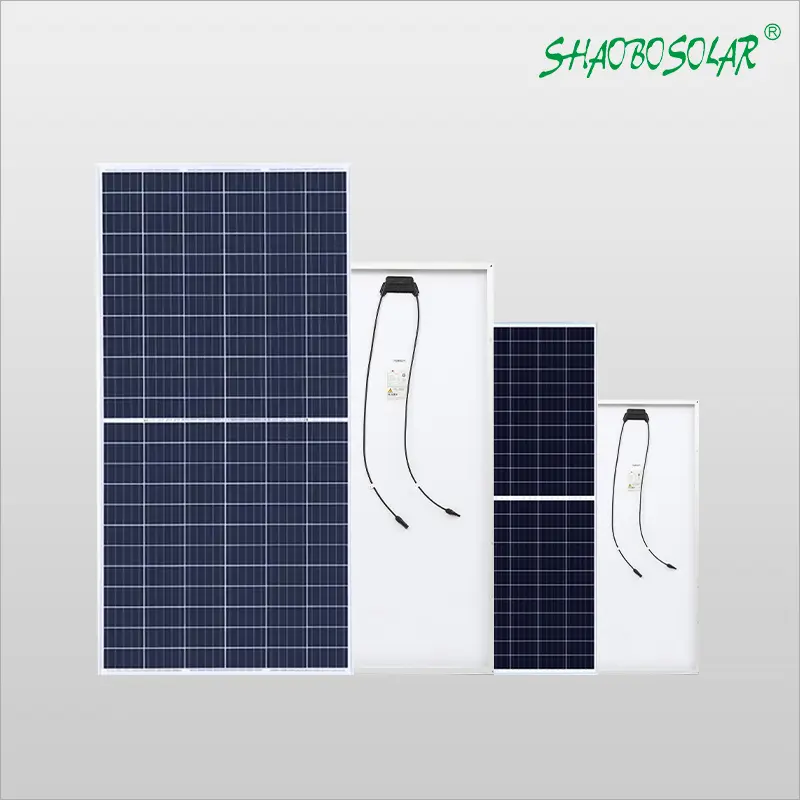
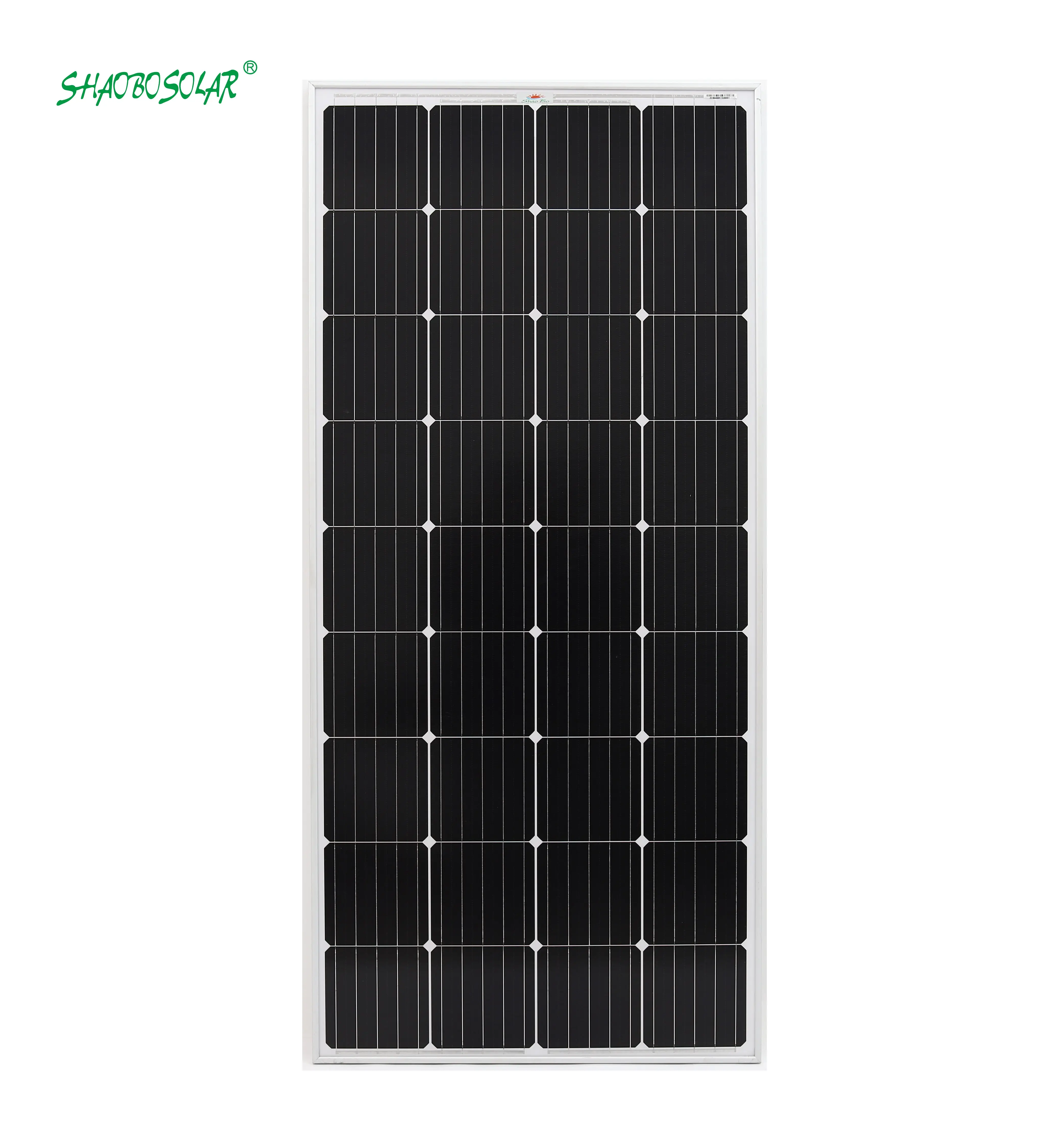
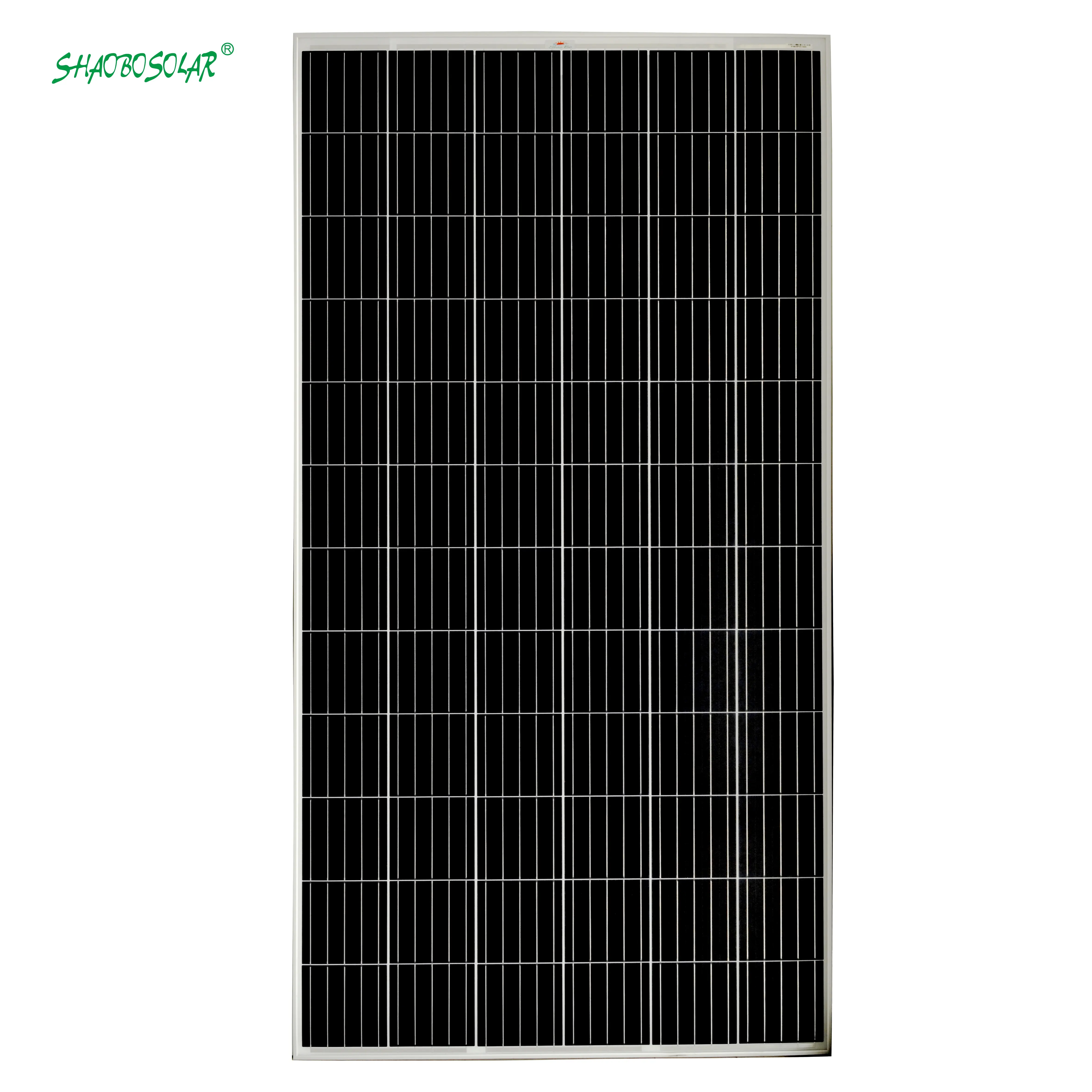
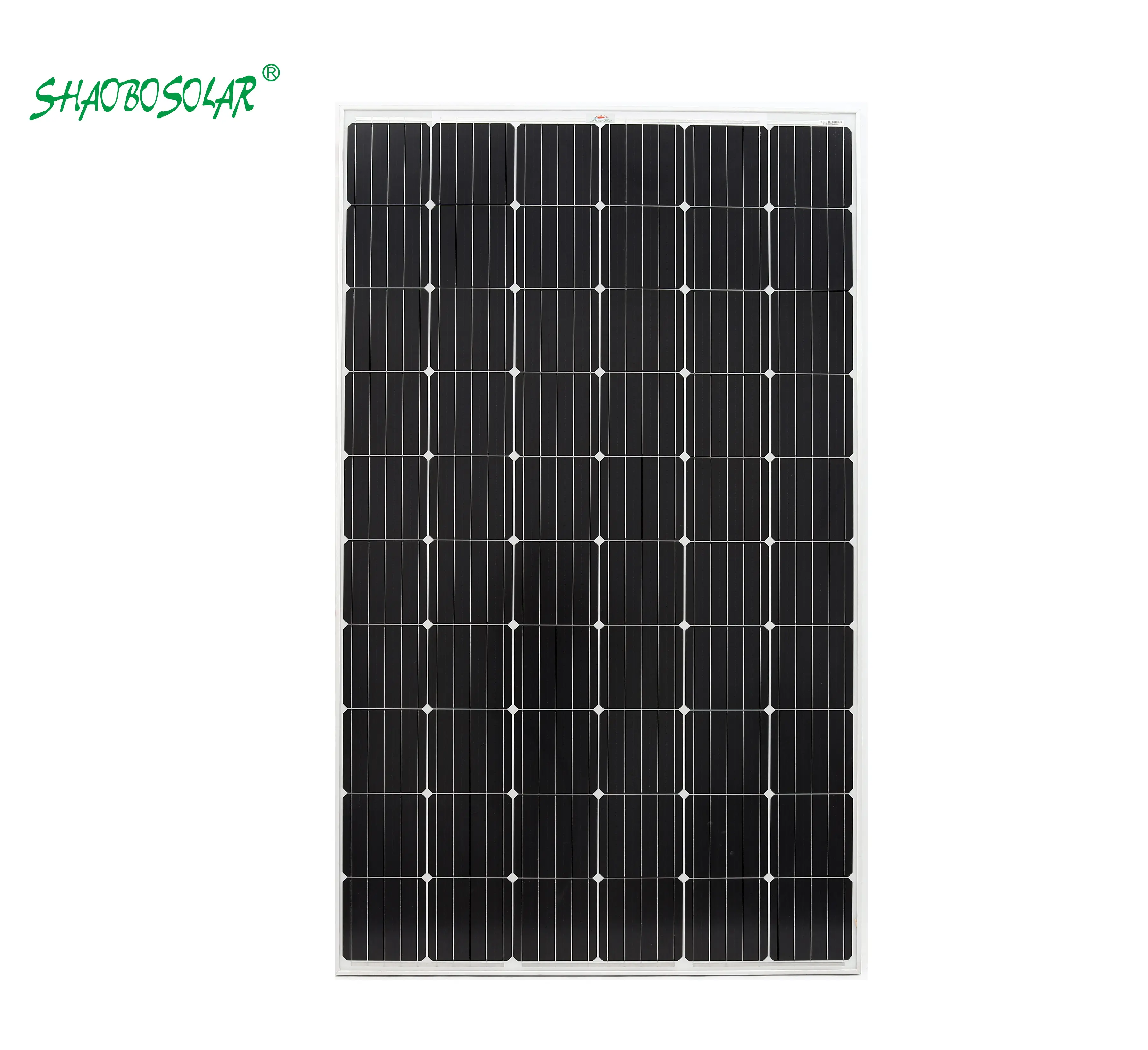
HighEfficiency house solar power system Solutions for South Sudan

HighEfficiency house solar power system Solutions for South Sudan

High-Efficiency house solar power system Solutions for South Sudan

Empowering South Sudanese communities with sustainable, industrial-grade solar energy to overcome power instability and drive economic growth.

High-Efficiency house solar power system Solutions for South Sudan

Providing cutting-edge photovoltaic technology tailored for the unique climatic and infrastructural needs of South Sudan, ensuring reliable energy independence.

Current Solar Energy Landscape in South Sudan

Analyzing the adoption of solar panels in a region with immense sunlight potential but limited grid infrastructure.

South Sudan possesses one of the highest solar irradiation levels globally, yet energy access remains a critical challenge. The current market is transitioning from small-scale lanterns to comprehensive house solar power system installations, driven by the urgent need for electricity in residential and commercial sectors.

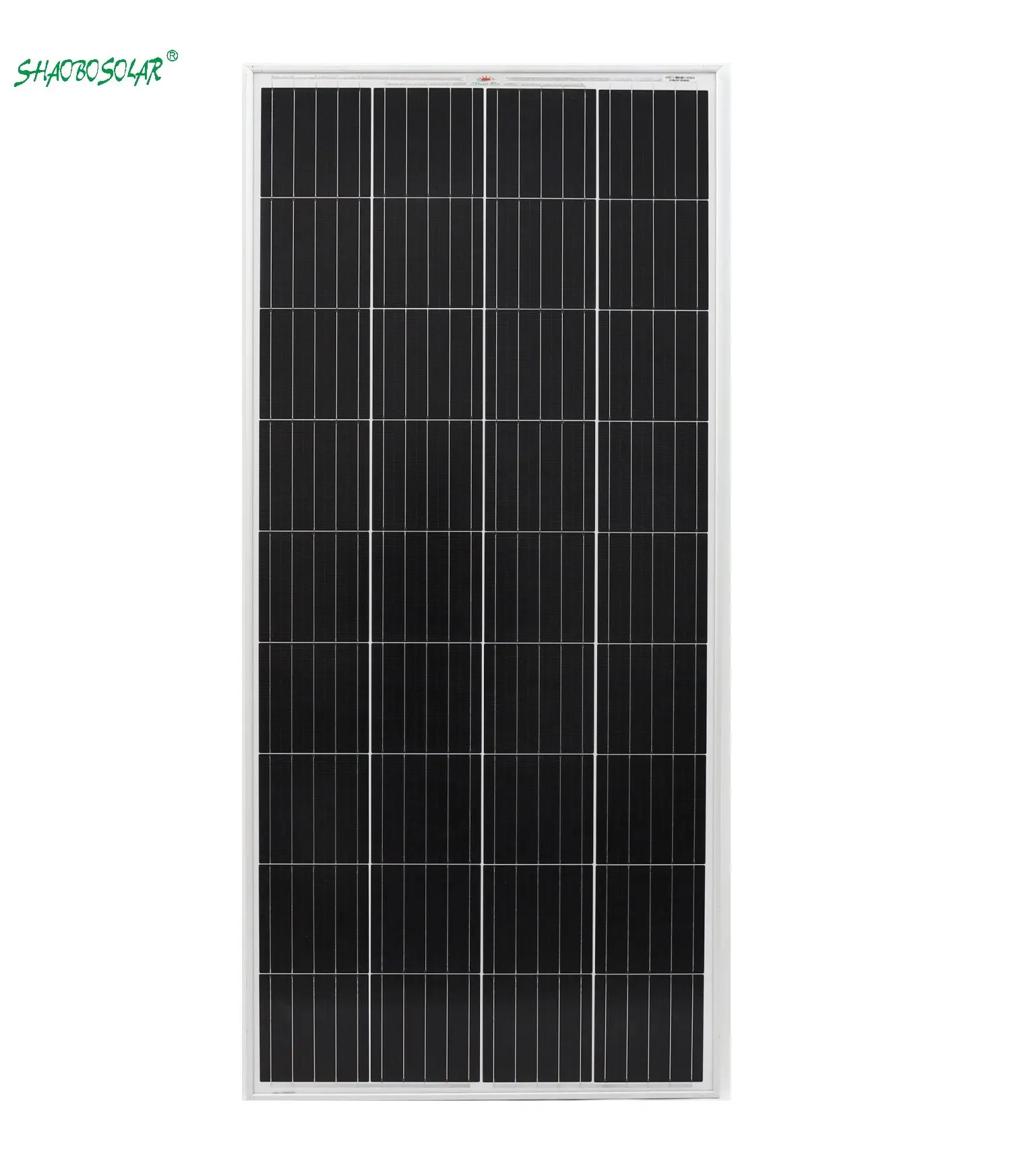
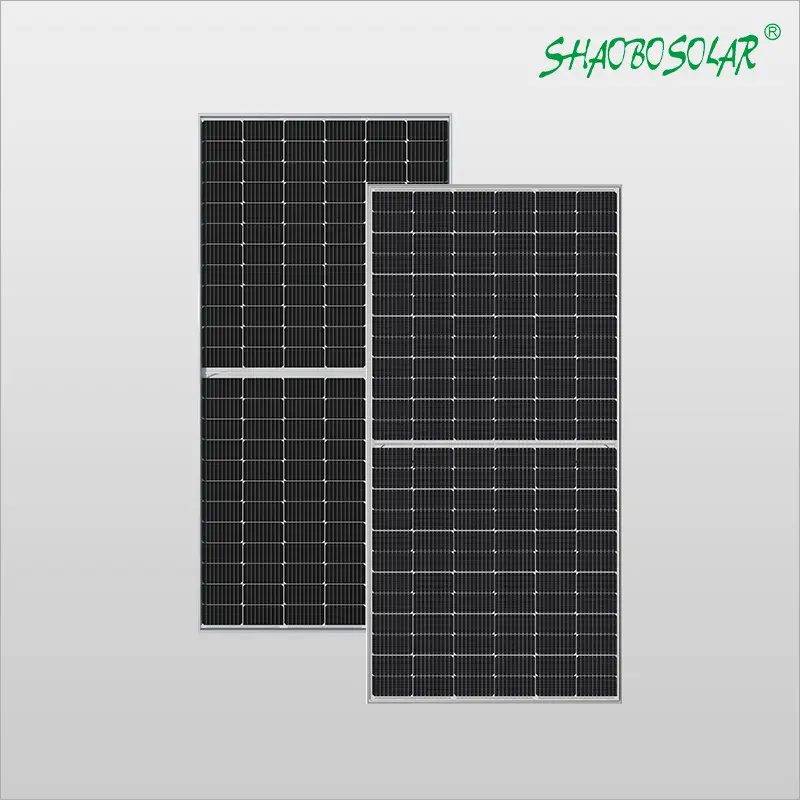
Due to the extreme heat and dust of the region, there is a growing demand for high-durability monocrystalline solar panels. These modules are preferred for their superior efficiency in high-temperature environments, allowing users to maximize power output from limited roof spaces.

Economically, the market is seeing a shift. While early adopters relied on basic polycrystalline solar panel options due to lower costs, the long-term value proposition of higher efficiency and lower degradation rates is now steering the market toward premium mono-crystalline technology.
Evolution and Technical Trajectory of PV Systems

From basic electricity access to smart energy management in South Sudan.

Market Development History

Between 2010 and 2015, the region primarily saw the introduction of low-wattage polycrystalline solar panel kits, which provided basic lighting but lacked the capacity for heavy appliances.

From 2016 to 2021, a technical shift occurred with the introduction of the mono solar panel. This period marked the transition to "Productive Use of Energy" (PUE), where solar power began supporting water pumps and refrigeration.

Since 2022, the focus has shifted toward integrated energy storage. Modern installations now prioritize high-density monocrystalline solar panels paired with Lithium Iron Phosphate (LiFePO4) batteries to ensure 24/7 stability.

Future Development Trends

Bifacial Module Adoption

Increasing use of double-sided panels to capture reflected light from sandy South Sudanese terrains, increasing total yield by 10-20%.

Smart Micro-Grid Integration

The evolution of individual home systems into community micro-grids, allowing surplus energy sharing between neighboring households.

High-Temperature Resilience Coating

Implementation of advanced anti-reflective and dust-repellent coatings to combat the harsh Sahelian environment and reduce maintenance cycles.

Industry Trends and Future Outlook

Predicting the next 3-5 years of solar energy expansion in South Sudan based on global efficiency gains.

PERC & TOPCon Technology
Rapid shift toward TOPCon cells to increase conversion efficiency in low-light or hazy conditions common during the rainy season.
Energy Storage Evolution
Transitioning from Lead-Acid to Lithium-based storage to handle deep discharge cycles in off-grid South Sudanese homes.
Decentralized Solar Hubs
The rise of "Solar Kiosks" providing power-as-a-service for charging and basic machinery in rural provinces.
IoT Monitoring Systems
Integration of remote monitoring via mobile networks to track performance and predict maintenance in remote areas.

Industry Outlook

Google search trends indicate a sharp increase in "off-grid solar kits" and "hybrid inverters" in East Africa. For South Sudan, this translates to a move away from standalone panels toward fully automated energy ecosystems that can withstand volatile environmental conditions.

The synergy between high-efficiency solar panels and affordable financing models will be the primary catalyst for growth, transforming the region's energy landscape from scarcity to sustainable abundance.

Localized Solar Applications in South Sudan

Practical implementations of photovoltaic technology across diverse sectors in the Republic of South Sudan.

1. Residential Energy Independence

Implementing a complete house solar power system to provide lighting, ventilation, and refrigeration for families in Juba and surrounding suburbs.

2. Solar-Powered Agricultural Irrigation

Using large-scale monocrystalline solar panels to power water pumps, reducing reliance on expensive diesel generators for crop farming.

3. Rural Healthcare Electrification

Installation of mono solar panel arrays in remote clinics to ensure vaccine refrigeration and emergency lighting during nighttime.

4. Telecommunications Tower Power

Deploying robust solar panels to maintain signal stability for mobile networks in areas without access to the national grid.

5. Small Business Power Hubs

Equipping local kiosks and workshops with polycrystalline solar panel systems for basic electronic tool operation and phone charging services.

Brand Story

Global Development Journey of Hebei Shaobo Solar Technology Co., Ltd.

Foundational Innovation

Established with a mission to democratize high-efficiency solar energy, focusing on the R&D of durable silicon wafers for extreme climates.

Global Quality Standards

Achieving international certifications to ensure our modules withstand high humidity and extreme heat, essential for African markets.

Market Expansion

Successfully entering the East African market, providing tailored solutions that bridge the gap between cost and energy performance.

Sustainability Leadership

Implementing green manufacturing processes to reduce the carbon footprint of our solar cell production lines.

Future Vision

Striving to be the primary partner for off-grid electrification in South Sudan, ensuring every household has access to clean energy.

Complete Solar Product Portfolio for South Sudan

From individual components to full-scale energy systems designed for durability and efficiency.

Common Solar Energy Questions in South Sudan

Expert answers to the most frequent technical and commercial queries from our local partners.

Which is better for South Sudan: monocrystalline solar panels or polycrystalline?

Monocrystalline panels are generally better for South Sudan because they have a lower temperature coefficient, meaning they maintain higher efficiency in the extreme heat compared to polycrystalline options.

What is the average lifespan of a house solar power system in off-grid areas?

Our high-grade solar panels typically last 25+ years, while the system lifespan depends on the battery type; Lithium batteries usually provide 5-10 years of reliable service.

How do I maintain my mono solar panel during the dusty season?

Regular cleaning with water and a soft cloth is essential. Removing dust buildup prevents "hotspots" and ensures your system operates at peak efficiency.

Can a small mono solar panel setup power a refrigerator?

Yes, provided it is part of a balanced system including a proper inverter and battery storage to handle the starting surge current of the compressor.

Are polycrystalline solar panel systems still viable for rural lighting?

Yes, they remain a cost-effective solution for basic lighting and small electronics where maximum space efficiency is not the primary concern.

How many solar panels are needed for a standard 3-bedroom home?

Depending on the load (lighting vs. AC), typically 4 to 8 high-efficiency panels are required to maintain a stable energy supply for a medium-sized household.

Get Your Custom Solar Quote

Ready to transition to clean energy? Our experts are available to design the perfect system for your specific needs in South Sudan.

Contact Us Now

If you are interested in our products, you can choose to leave your information here, and we will be in touch with you shortly.